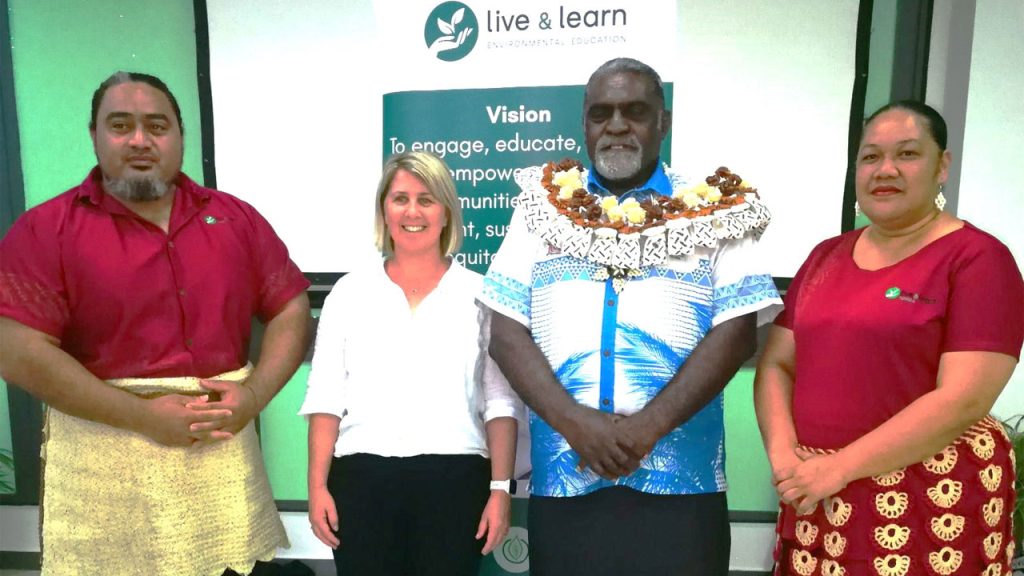
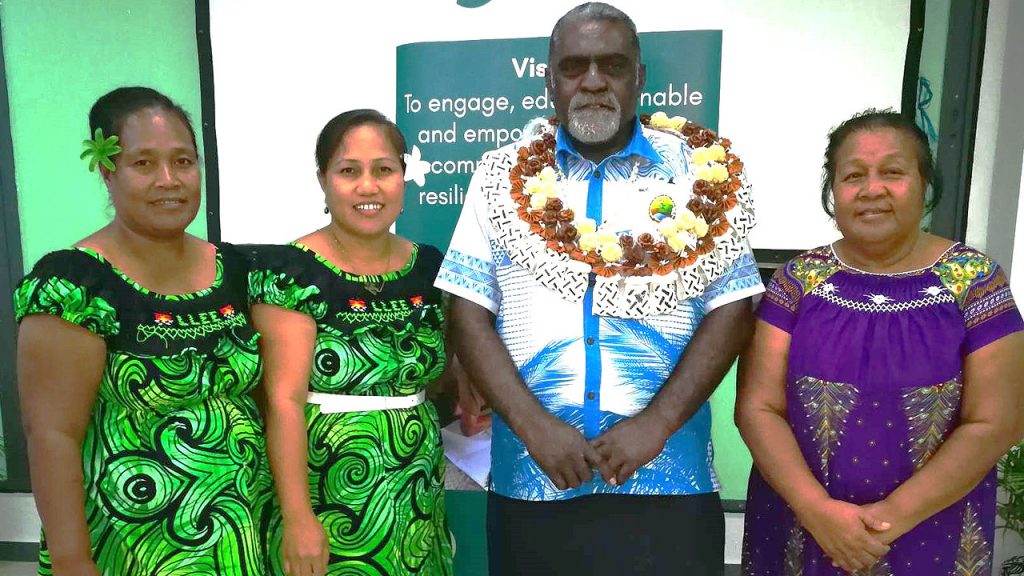
Villagers learn Bee Keeping under EU funded project
EU Ecosystems-Based Climate Adaptation Project (ECAP) successfully launch the Beekeeping Training in Nakasa Village in Cakaudrove. This is being done through an initiative under the EU funded Ecosystem-based Climate Adaptation Project. The Basic Beekeeping Training will be undertaken in 20 communities in the Northern Division, seven in Bua, three in Macuata and 10 in the […]
The European Union and Live & Learn build socio-economic resilience to climate change in the northern communities of Fiji
ECAP is a targeted 3-year development intervention (2020-2022), implemented by Live & Learn Environmental Education Fiji, with a funding of FJD 1.62 million. Its overall objective is to build local socio-economic resilience to climate change in vulnerable communities in the Northern Division of Fiji. ECAP targets 75 villages in the Provinces of Cakaudrove, Bua and […]
The Ministry of Rural and Maritime Development and Disaster Management, through the National Disaster Management Office (NDMO), received nine computer sets worth $30,000 from Live and Learn Fiji and Care Australia last week to boost future disaster response operations in the Northern Division. Acting Prime Minister and Minister for Rural and Maritime Development and Disaster […]
Fiji Advances Infrastructure Resilience with IRIS Partnership
The Permanent Secretary for the Ministry of Public Works, Meteorological Services and Transport, Mr. Paula Baleilevuka, has called for stronger collaboration, innovative financing, and community-driven action to strengthen Fiji’s infrastructure resilience against disasters. Speaking on the second day of the National Workshop on Assessment of Fiscal Risks Due to Disasters in Critical Infrastructure Sectors, Mr. Baleilevuka […]
Kiwa EMPOWER brings hope to remote Islands in Solomon Islands
Two small island communities in Solomon Islands will benefit from the Kiwa Empower project officially launched yesterday. Nifili Island in Temotu Province and Sikaiana Island in Malaita Province are the two sites where the project will work with stakeholders to strengthen nature based solutions (NbS) aimed at inclusive and equitable climate change adaptation, food and […]
The Kiwa Initiative launched its EMPOWER project with support from Australia and other donors in Solomon Islands on 24 June. The Kiwa EMPOWER project will restore ecosystems and improve the health of waterways to increase climate resilience in two remote communities: Sikaiana in Malaita Province and Nifiloli in Temotu Province. In Solomon Islands, the EMPOWER […]
The Yavusa Kavula Restoration Programme in Bua Province, is making remarkable progress in restoring grassland areas within the five Mataqali of Yavusa Kavula. This initiative is being undertaken between the Ministry of Forestry and the environmental NGO Live and Learn Fiji. As part of the programme, the Yavusa Kavula has already planted 2,836 native assorted […]
The Ministry of Agriculture and Waterways and Live and Learn Fiji are spearheading the Atoll Food Futures program. It focuses on the strategic planting of Vetiver grass to counteract the adverse impacts of climate change on the environment. The initiative primarily targets informal settlements including Kilikali, Mataniborosisi, Waikerekere and Bilo along the Suva corridor where […]
Training for sustainable agriculture and food security
Government officials and participants from Australia and neighboring Pacific countries have gathered in Fiji for a week-long training program aimed at addressing food security, ending hunger, and promoting sustainable agriculture. The event, organized by non-government organization Live and Learn Pacific Network, has brought together representatives to discuss challenges, share successful strategies, and work towards a […]
Tunabuna calls for collaborative effort to enhance food security
The ever-increasing frequency and strength of natural disasters, the impacts of climate change, and inefficient agricultural production are among many other challenges that have exacerbated the struggles faced by vulnerable communities in accessing basic nutrition. This has been highlighted by Assistant Minister for Agriculture Tomasi Tunabuna while speaking during the Pacific Food Week workshop. Tunabuna […]
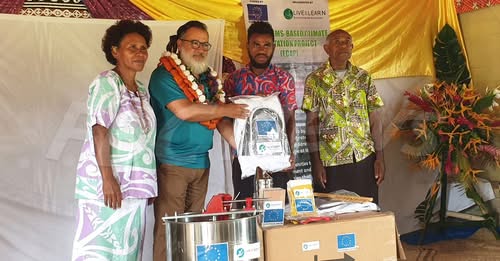
EU Ecosystems-Based Climate Adaptation Project (ECAP) successfully launch the Beekeeping Training in Nakasa Village in Cakaudrove. This is being done through an initiative under the EU funded Ecosystem-based Climate Adaptation Project.
The Basic Beekeeping Training will be undertaken in 20 communities in the Northern Division, seven in Bua, three in Macuata and 10 in the Cakaudrove Province
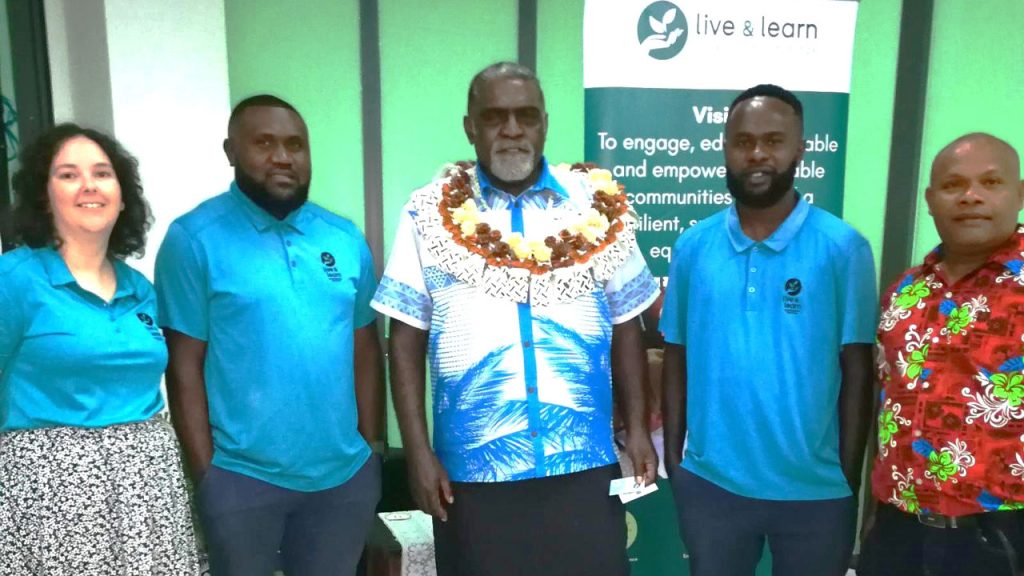
Delegation of the EU for the Pacific Head of Section Civil Society, Pedro Velazquez launched the project and the training on Tuesday.
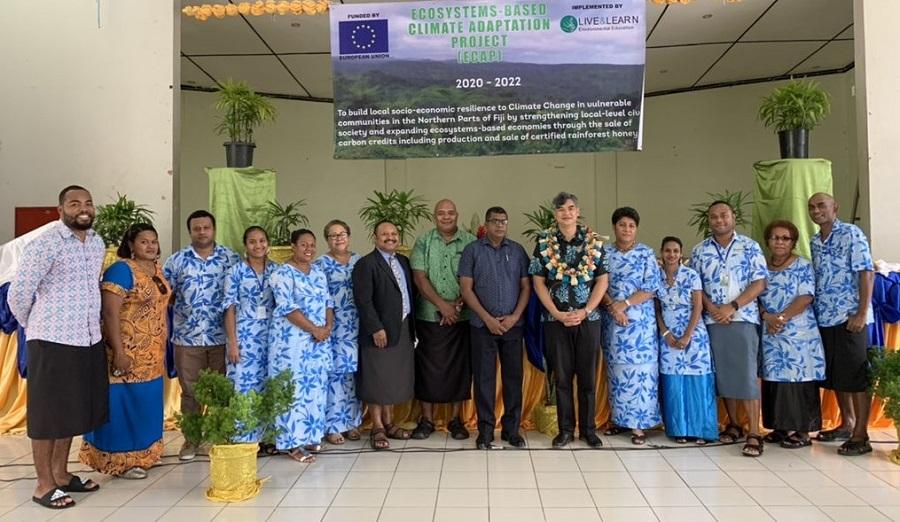
ECAP is a targeted 3-year development intervention (2020-2022), implemented by Live & Learn Environmental Education Fiji, with a funding of FJD 1.62 million. Its overall objective is to build local socio-economic resilience to climate change in vulnerable communities in the Northern Division of Fiji. ECAP targets 75 villages in the Provinces of Cakaudrove, Bua and Macuata and aims to benefit an estimated 71,000 Fijians. It focuses on communities that are vulnerable and activities that are responsive and inclusive to community priorities while being reinforced and well supported by national processes.
The key drivers for socio-economic resilience for this action are the generation and sale of carbon credits and the establishment of village-based honey cooperatives that produce rainforest certified honey. These drivers will be enabled through the protection of forest ecosystems which are vital for carbon capture and slowing down climate change.
“Building climate resilience in the Northern Division of Fiji with this Ecosystem-Based Climate Adaptation Project also provides local communities with a welcome source of income at the time of the COVID-19 crisis. It is fully in line with the European Green Deal, which remains the top priority of the European Union. It is consistent with the EU approach, to build strong partnerships between governmental authorities, civil society organisations and local communities” said Ambassador Seam.
Moreover, it must be highlighted that the EU supported the first independent project in Fiji for Forest Carbon Capture and Trade, the Drawa Forest Carbon Project, that gained Government’s approval and was developed by Live & Learn and the Nakau Programme. In Drawa, landowners gave up rights to logging timber in exchange for the opportunity to sell rainforest carbon credits as a way of generating revenue for local economic development and building resilience to climate change. The project is officially recognised as a pilot activity and has assisted the Government develop its national REDD+ Policy. Based on this successful intervention, the EU is funding this second large-scale carbon credit project in partnership with the Government and with a view of preserving the ecosystems of vulnerable climate communities in Fiji. Live & Learn is well placed to adapt and replicate the Drawa model at an appropriate scale in Fiji, in collaboration with the national programmes and governmental priorities on climate change and REDD+ issues.
The ECAP project will also promote and advance gender equity and social inclusion through socio-economic resilience. It will take a strength-based approach that acknowledges existing systems and resources in the local community and adds value to these. Moreover, it will support youth participation in local climate resilient economies, climate change decision-making and climate change leadership.
ENDS
Media Contact:
For further information, please contact the Project Manager at Suva Head Office 52 Imthurn Road, Domain. Private Mail Bag, Suva. Tel: (679) 331 5868; or the Senior Project Officer at Northern Office Lot 4, Naiyaca Sub-division, Labasa, Fiji. Tel: (679) 881 8855
The Ministry of Rural and Maritime Development and Disaster Management, through the National Disaster Management Office (NDMO), received nine computer sets worth $30,000 from Live and Learn Fiji and Care Australia last week to boost future disaster response operations in the Northern Division.
Acting Prime Minister and Minister for Rural and Maritime Development and Disaster Management Inia Seruiratu received the handover certificate of the items which have been shipped to the North.
He said the computers would be used to complement the high frequency radio systems which were being installed in several black spot areas in the Northern Division.
“Such thoughtful actions are commended and the benefits, I must say, that will not only be a huge boost to the 9HF radio capabilities in the Northern Division but, more importantly, service delivery component – communication – of the ministry during disasters,” he said.
“The greatest advantage of these HF radios is its capability to make communications in long distance stations between the ground level and base emergency operation centres during disasters, and also its reliability to communicate even when the network has been altered or communication towers damaged.
“Now, with the capacity of the 9 new desktop computers, the HF radios can be connected to these computers and they also have the ability to send emails.”
He said such timely support was a boost to their communication systems before, during and after disasters and this act of generosity marked a clear direction to fulfilling the 2030 Global Agenda of reaching the furthest first and leaving no one behind.
In his remarks during the handover ceremony, AHP (Australian Humanitarian Partnership) Fiji country committee coordinator 2021 Josefa Lalabalavu said its partners appreciated the support and partnership of the ministry and NDMO and looked forward to more opportunities for collaboration.
“This, we believe, will support preparedness activities within the Northern Division as well as facilitate response work during times of natural disasters,” he said.
Source: Fiji Times
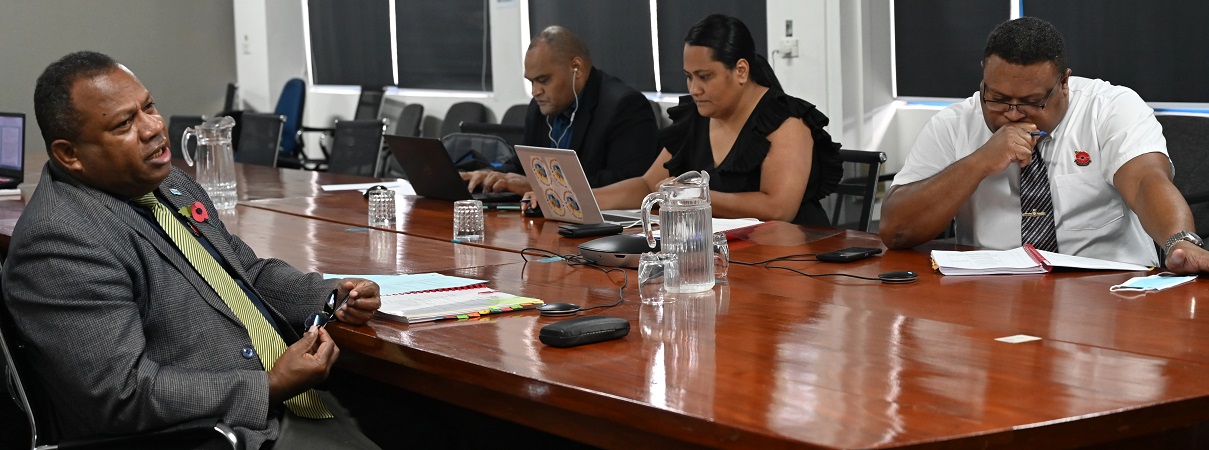
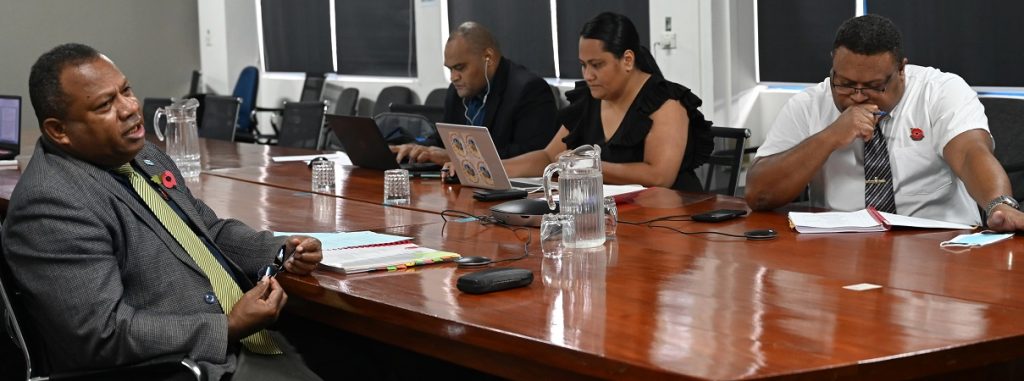
Acting Prime Minister and Minister for Rural and Maritime Development and Disaster Management Inia Seruiratu during a meeting with his senior staff.Picture:Supplied
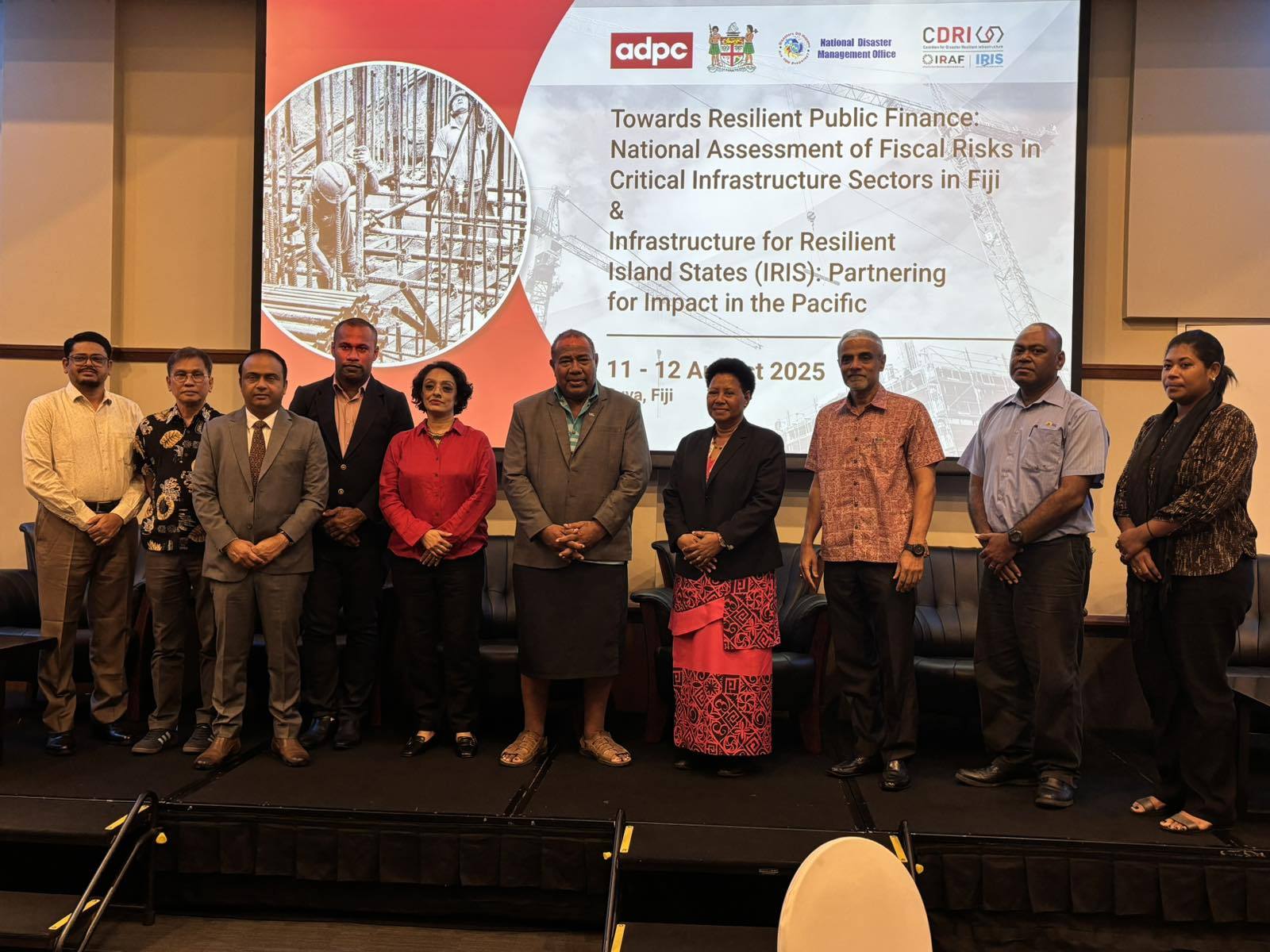
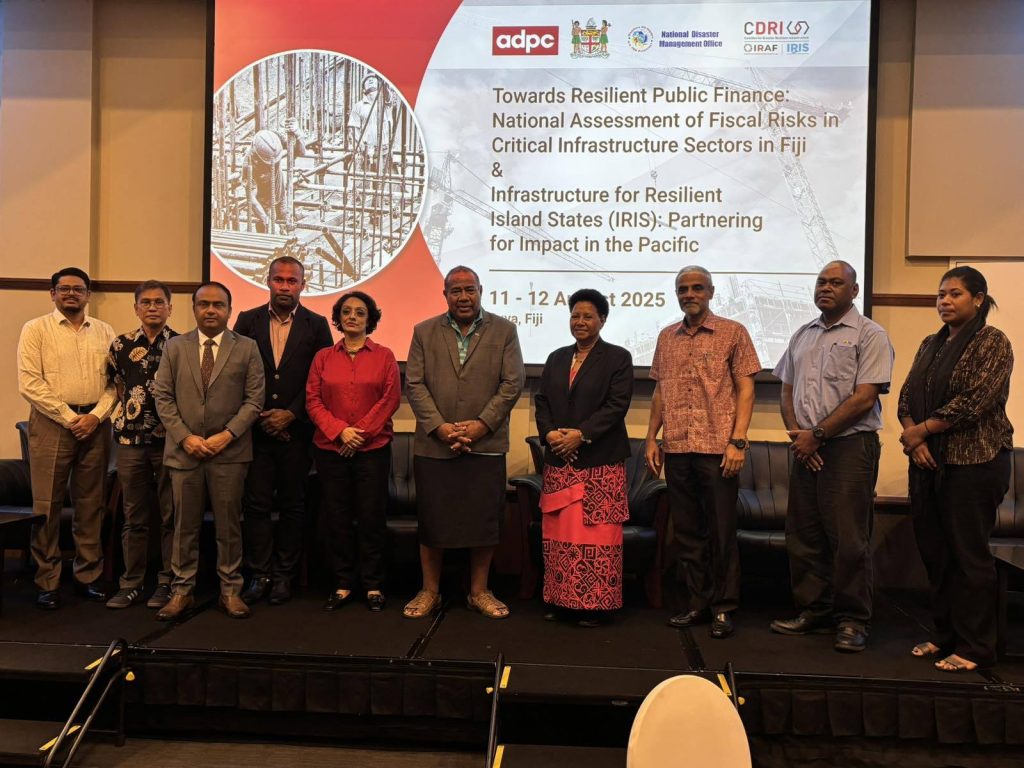
The Permanent Secretary for the Ministry of Public Works, Meteorological Services and Transport, Mr. Paula Baleilevuka, has called for stronger collaboration, innovative financing, and community-driven action to strengthen Fiji’s infrastructure resilience against disasters.
Speaking on the second day of the National Workshop on Assessment of Fiscal Risks Due to Disasters in Critical Infrastructure Sectors, Mr. Baleilevuka highlighted the Infrastructure for Resilient Island States (IRIS) programme as a key partner in building Fiji’s capacity to withstand and recover from natural hazards.
“Through IRIS, Fiji is not only bolstering road and transport systems, but also improving preparedness across utilities, telecommunications, housing, and coastal protection,” he said. “We must leverage this momentum to integrate resilience into every sector of our national development.”
IRIS, a flagship initiative of the Coalition for Disaster Resilient Infrastructure (CDRI), was launched at COP26 to support Small Island Developing States (SIDS) through grants, technical expertise, and capacity building. Backed by donor commitments of USD 40–50 million from partners including India, the United Kingdom, the European Union, and Australia, IRIS focuses on country-driven projects in areas such as resilient building codes, nature-based solutions, and integrated disaster warning systems.
A key Fiji-based IRIS project developed in collaboration with the Fiji Meteorological Service, Live & Learn Fiji, and the National Disaster Management Office aims to map, assess, and plan for a comprehensive Multi-Hazard Early Warning System. This will merge tsunami, storm, and flood alerts into a unified platform, improving response times, public communication, and institutional preparedness.
Mr. Baleilevuka urged government agencies, development partners, and communities to:
Leverage the IRIS funding pipeline for projects aligned with the Sustainable Development Goals and the Sendai Framework for Disaster Risk Reduction.
Integrate fiscal safeguards into infrastructure planning, ensuring budgets include contingencies for climate and disaster risks.
Foster cross-agency collaboration so that ministries and sectors align in infrastructure risk assessments and resilience strategies.
“This workshop is more than a meeting it is a launchpad for resilient fiscal stewardship and infrastructure security in Fiji and across the Pacific,” he said. “By acting now, we not only reduce disaster losses, but we also safeguard our economic, cultural, and environmental assets for future generations.”
The two-day workshop brings together local and international experts, government officials, and development partners to strengthen Fiji’s disaster risk frameworks and build a pipeline of resilient infrastructure projects for the Pacific region.
Source: Fiji’s Ministry of Public Works, Meteorological Services and Transport
Two small island communities in Solomon Islands will benefit from the Kiwa Empower project officially launched yesterday. Nifili Island in Temotu Province and Sikaiana Island in Malaita Province are the two sites where the project will work with stakeholders to strengthen nature based solutions (NbS) aimed at inclusive and equitable climate change adaptation, food and water security and biodiversity conservation.
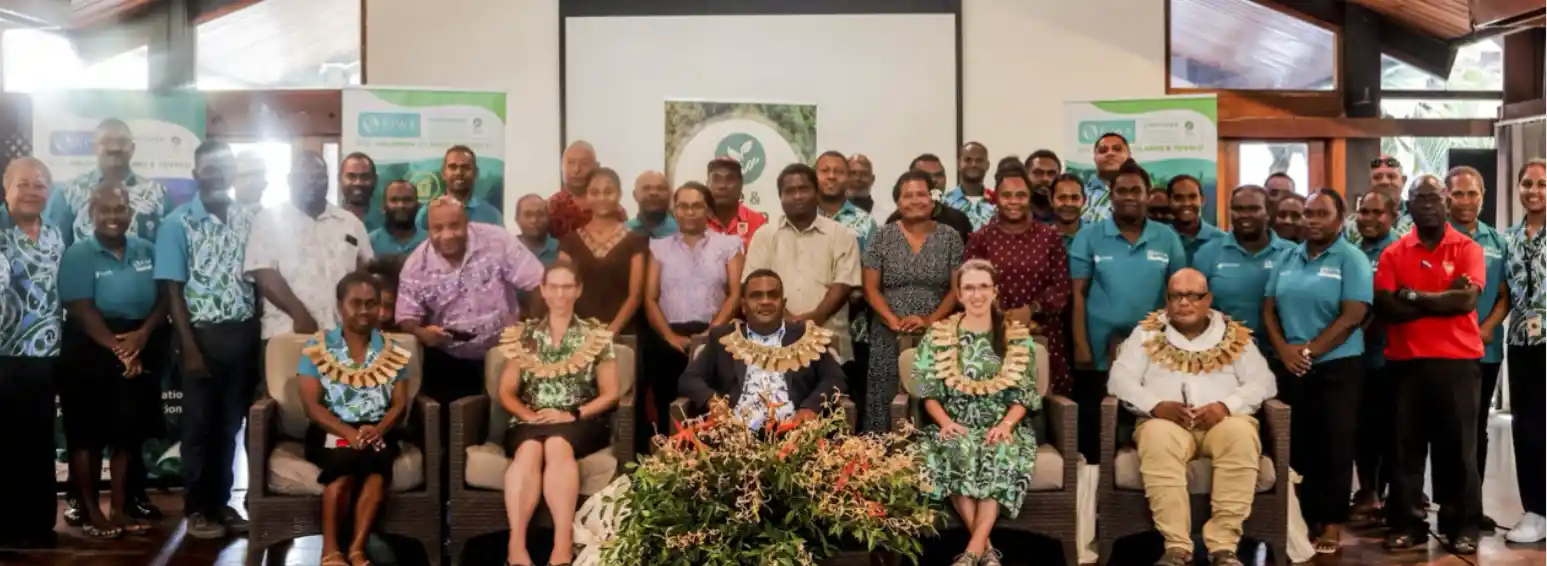
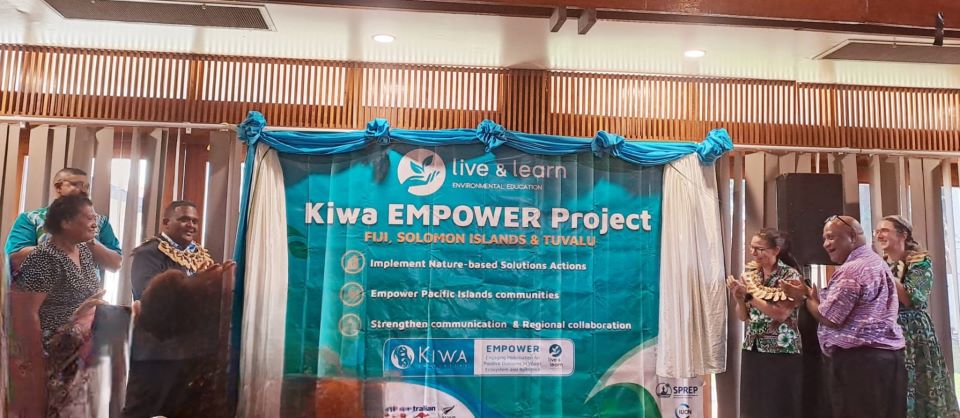
The Kiwa Initiative launched its EMPOWER project with support from Australia and other donors in Solomon Islands on 24 June.
The Kiwa EMPOWER project will restore ecosystems and improve the health of waterways to increase climate resilience in two remote communities: Sikaiana in Malaita Province and Nifiloli in Temotu Province.
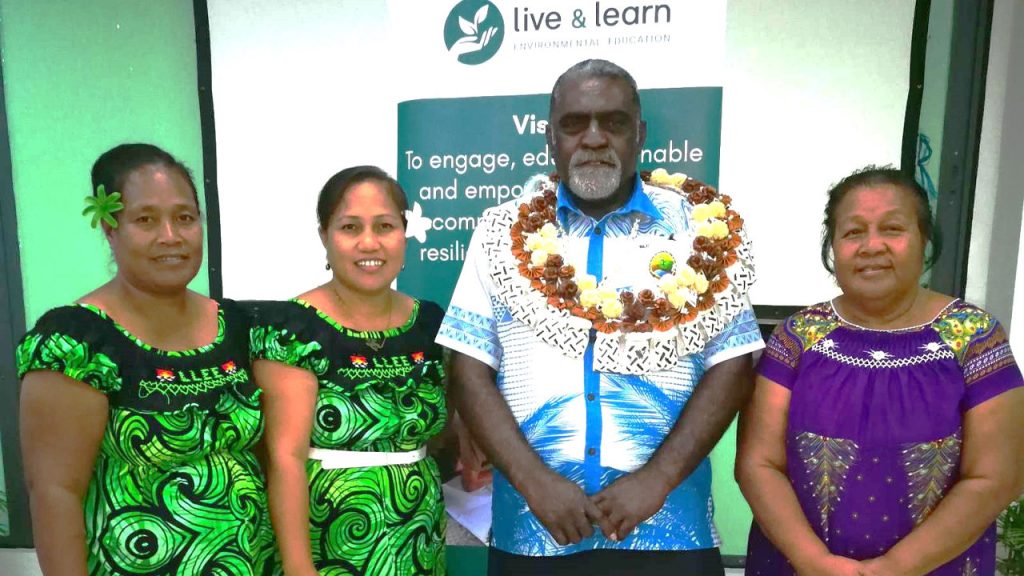
In Solomon Islands, the EMPOWER project will be implemented by Live and Learn Environmental Education, who will work directly with communities to incorporate indigenous knowledge and ensure solutions are locally-led. Congratulations to community leaders in Sikaiana and Nifiloli for your commitment to a more sustainable future.
During the Kiwa EMPOWER launch, Honourable Trevor Mahaga, Minister for Environment, Climate Change, Disaster Management and Meteorology said, “To the donor partners … we extend our deepest appreciation. Your support has not only provided funding but has reignited hope. Through your partnership, Solomon Islands can step towards community led climate adaptation, resilience building and biodiversity protection.”
HE Rod Hilton, High Commissioner to Solomon Islands said, “ Australia is proud to support this project. We are especially pleased that it will focus on two harder to reach communities, because remoteness can increase vulnerability to the impacts of climate change and disasters”.
“Nature-based solutions,” High Commissioner Hilton said,“like those implemented through the EMPOWER project, address the environmental and social challenges of climate change simultaneously.”
The Kiwa Initiative brings together five donors; France, the European Union, Canada, New Zealand and Australia. Australia has proudly contributed to Kiwa since 2020 – providing SBD32 million across the Pacific region. The Australian Government remains deeply committed to action on climate change, both at home and in our region. The Kiwa Initiative is an important demonstration of this commitment.
The Yavusa Kavula Restoration Programme in Bua Province, is making remarkable progress in restoring grassland areas within the five Mataqali of Yavusa Kavula.
This initiative is being undertaken between the Ministry of Forestry and the environmental NGO Live and Learn Fiji.
As part of the programme, the Yavusa Kavula has already planted 2,836 native assorted seedlings.
In addition to restoring native vegetation, the initiative aims to plant 10,000 mandarin seedlings to boost local agriculture.
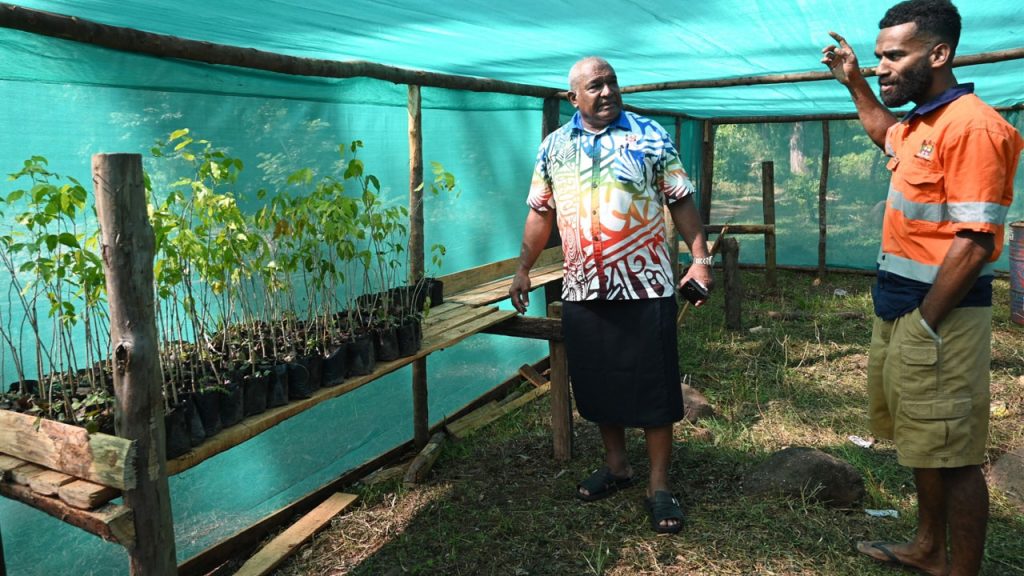
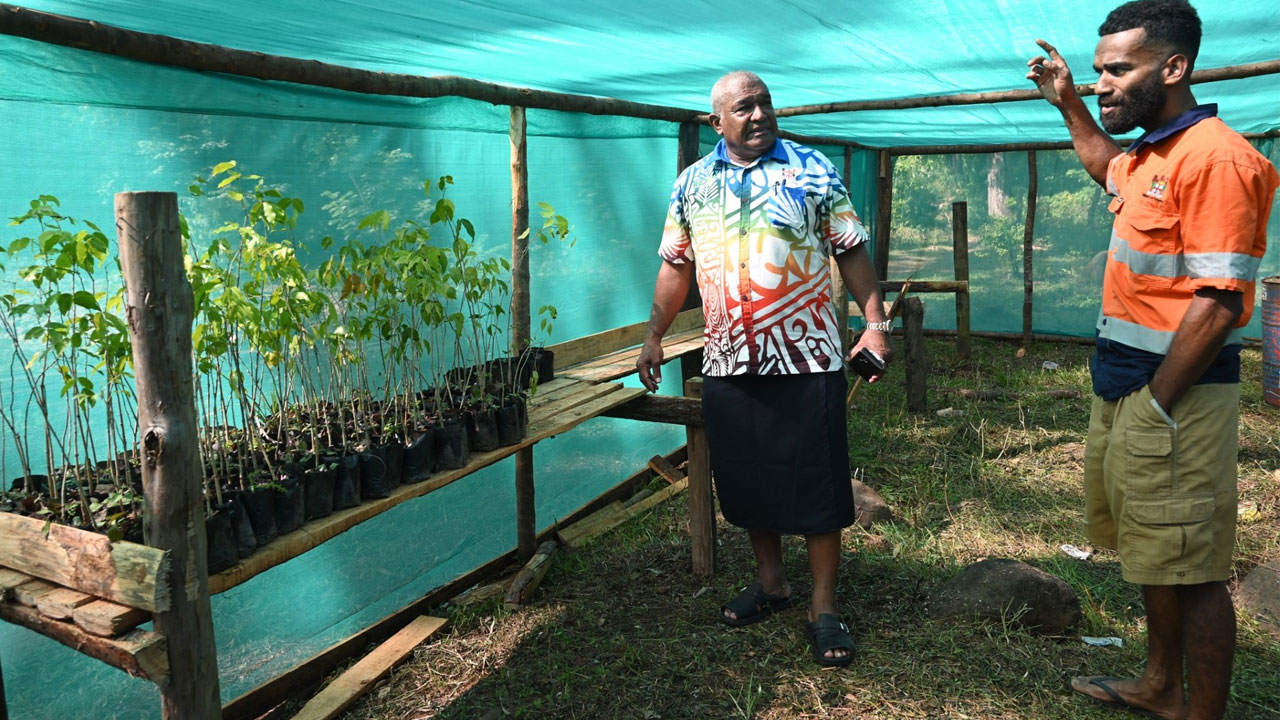
Recognizing the importance of this project, the Ministry has funded a temporary nursery to assist the community in raising their own seedlings for various planting operations, including mandarin cultivation.
Forestry Minister, Kalaveti Ravu, visited Kavula to officially open the temporary nursery this week.
The restoration programme was inspired by a site visit to Nayarabale Village in the District of Vaturova.
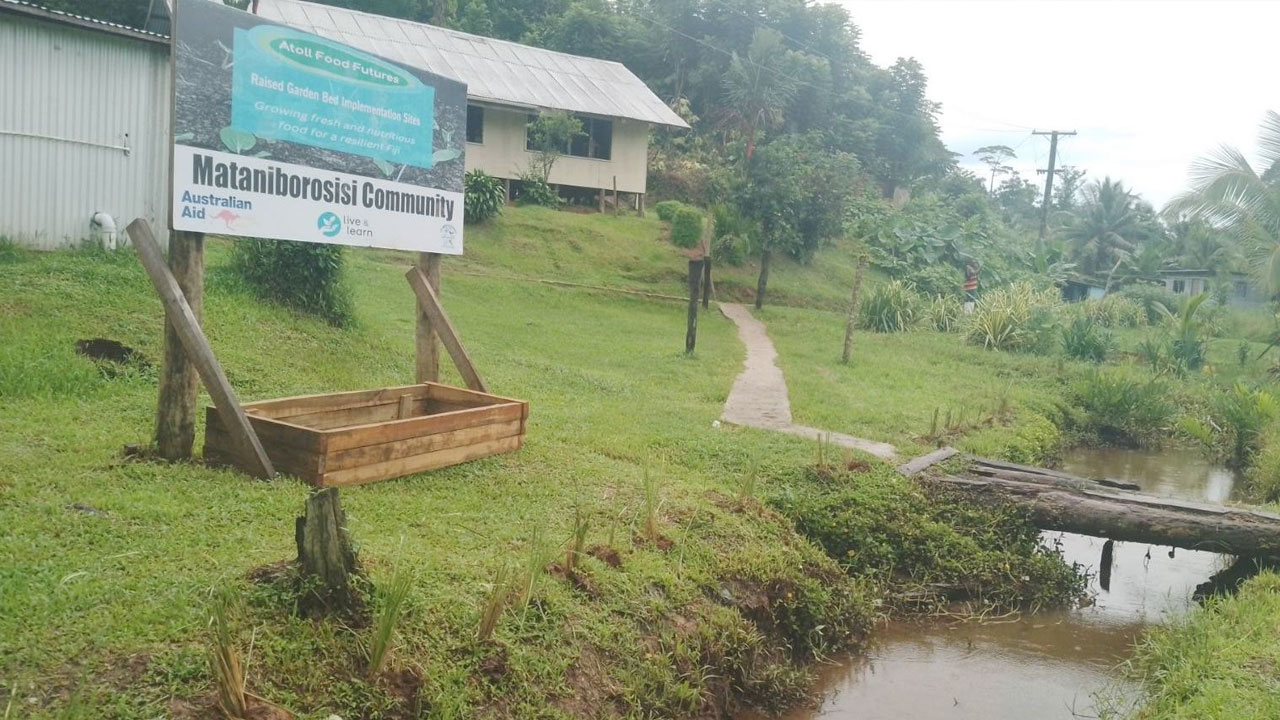
The Ministry of Agriculture and Waterways and Live and Learn Fiji are spearheading the Atoll Food Futures program.
It focuses on the strategic planting of Vetiver grass to counteract the adverse impacts of climate change on the environment.
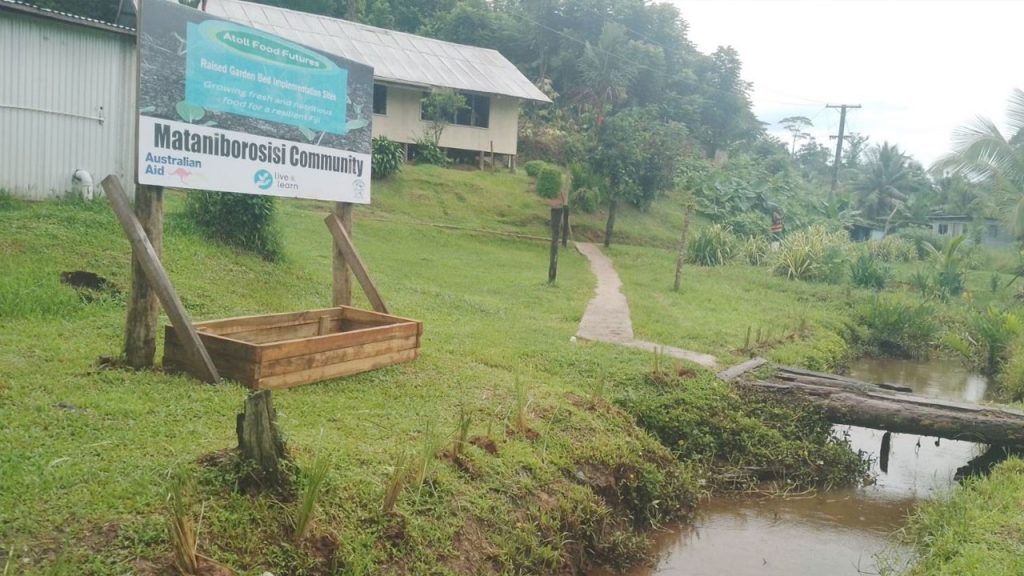
The initiative primarily targets informal settlements including Kilikali, Mataniborosisi, Waikerekere and Bilo along the Suva corridor where communities deal with numerous challenges stemming from erratic weather patterns.
The Ministry’s land use section is at the forefront of efforts to address soil erosion and stabilization.
Utilizing Vetiver grass known for its ability to form dense narrow edges when planted closely, the approach has proven effective in controlling soil erosion and stabilizing watercourses.
Originally developed over 50 years ago for Fiji’s sugar industry, the use of Vetiver grass has become a standard practice for soil and water conservation, particularly in small-scale farming and residential compounds.
Vetiver grass finds widespread application across Fiji from reinforcing road embankments to stabilizing stream banks and contour hedges in farmland.
Farmers routinely employ Vetiver to fortify farm roads, regulate runoff water and shield vegetable crops from erosion.
Acknowledging climate change as an enduring natural occurrence, the collaboration highlights the necessity of nature-based solutions such as Vetiver grass to combat its effects.
Government officials and participants from Australia and neighboring Pacific countries have gathered in Fiji for a week-long training program aimed at addressing food security, ending hunger, and promoting sustainable agriculture.
The event, organized by non-government organization Live and Learn Pacific Network, has brought together representatives to discuss challenges, share successful strategies, and work towards a zero-hunger Pacific.
Assistant Minister for Agriculture and Waterways Tomasi Tunabuna highlighted during the training the role of agriculture in the Pacific economies, acknowledging its contribution to Fiji’s GDP and the livelihoods of 80 percent of its population.
Tunabuna underscored the pressing issues facing the Pacific islands, such as natural disasters, climate change, and the loss of traditional knowledge, leading to food loss and waste.
He cited statistics showing that the Asia and Pacific region faces significant challenges, with food losses ranging from 20 to 21 percent.
The address emphasized the need for a collaborative approach to combating food loss and waste, recognizing its impact on food security, nutrition, and the environment.
Tunabuna praised the efforts of Live and Learn Pacific Network in providing a platform for Pacific Island nations to work together to find sustainable solutions.
He also stressed the importance of good governance and shared various policies developed by the Ministry of Agriculture and Waterways to support various programs, including the Gender in Agriculture Policy, Youth in Agriculture Policy, and Food and Nutrition Security Policy.
The ever-increasing frequency and strength of natural disasters, the impacts of climate change, and inefficient agricultural production are among many other challenges that have exacerbated the struggles faced by vulnerable communities in accessing basic nutrition.
This has been highlighted by Assistant Minister for Agriculture Tomasi Tunabuna while speaking during the Pacific Food Week workshop.
Tunabuna says food loss and waste remain challenges in the design of sustainable food systems.
He adds that the Pacific Food Week workshop will enable participants to improve their technical understanding of key food systems concepts that underpin various approaches to food security and development.
The workshop is organized by the Live and Learn Fiji Environmental Education—Resilient Food Systems and the Climate Resilient Islands Program and is attended by participants from Tonga, Kiribati, Tuvalu, the Solomon Islands, Vanuatu, and Fiji.


 Leverage the IRIS funding pipeline for projects aligned with the Sustainable Development Goals and the Sendai Framework for Disaster Risk Reduction.