Written by: Litiana Dimaopa & Paradise Tabucala For generations, the women of the villages of Naiviqiri, Naivaka, Galoa and Yaqaga, in Bua, have depended on the sea for the livelihood of their families. A successful day of fishing meant a plentiful catch to sell, but it also came with a challenge. Without access to cold […]
Work has gained momentum within the three countries implementing the regional Kiwa EMPOWER Project 🇫🇯 Fiji The project team has been undertaking training on Climate Smart Agriculture (CSA) in the 20 communities of Cakaudrove, Bua and Macuata. This is being carried in collaboration with the Ministry of Agriculture and Waterways, Land Resources Planning Division of […]
Twenty communities in Vanua Levu are set to benefit from a three-year environmental resilience and climate adaptation initiative. This follows the successful launch of the national Kiwa Empower Project, valued at $7.5 million for Fiji, Tuvalu, and the Solomon Islands, funded by the European Union, France, Canada, Australia, and New Zealand. Most of the targeted […]
New portal to boost NGOs service reach to rural communities
Anew informative portal (website) launch marked a new era of online service delivery for target communities and rural settlements in the Northern Division. The launching held recently in Labasa was part of the Ecosystem-based Climate Adaptation Project (ECAP) implemented by the Live and Learn Environmental Education Fiji organisation. Under the ECAP project, 18 communities in […]
Villagers learn Bee Keeping under EU funded project
EU Ecosystems-Based Climate Adaptation Project (ECAP) successfully launch the Beekeeping Training in Nakasa Village in Cakaudrove. This is being done through an initiative under the EU funded Ecosystem-based Climate Adaptation Project. The Basic Beekeeping Training will be undertaken in 20 communities in the Northern Division, seven in Bua, three in Macuata and 10 in the […]
Empowering Pacific Parliaments through Floating Budget Office
What is a Floating Budget Office? In the vast expanse of the Pacific, an innovative initiative that continues to revolutionize how parliaments analyze and understand their national budgets. The Floating Budget Office (FBO) is empowering Pacific nations to make more informed decisions about their financial futures. But what exactly is the FBO, and how is […]
The Yavusa Kavula Restoration Programme in Bua Province, is making remarkable progress in restoring grassland areas within the five Mataqali of Yavusa Kavula. This initiative is being undertaken between the Ministry of Forestry and the environmental NGO Live and Learn Fiji. As part of the programme, the Yavusa Kavula has already planted 2,836 native assorted […]
Report: MoneyMinded program significantly strengthened financial knowledge
AN independent impact evaluation report of MoneyMinded, ANZ’s financial inclusion program, has found the program significantly strengthened participants’ financial knowledge, skills and capabilities. According to the findings of the study, 96 per cent of the respondents reported the MoneyMinded program had improved their financial wellbeing – meaning their ability to meet financial commitments, feel financially […]
WOMEN in Drawa communities in rural Vanua Levu will benefit from an ANZ gift of $A10,000 ($F15,300) to Fijian charity Live & Learn. ANZ raised the funds through its “Five to Thrive” leadership challenge where staff members across ANZ globally were invited to commit to five leadership behaviours as daily habits. With every challenge completed, […]
A LEADING bank in Fiji has announced its partnership with a dynamic learning network of locally registered organisations operating in the Pacific to deliver its flagship financial literacy program. The ANZ Bank in Fiji has partnered with Live & Learn to deliver ANZ’s flagship financial literacy program, MoneyMinded, to drive a savings culture in communities […]
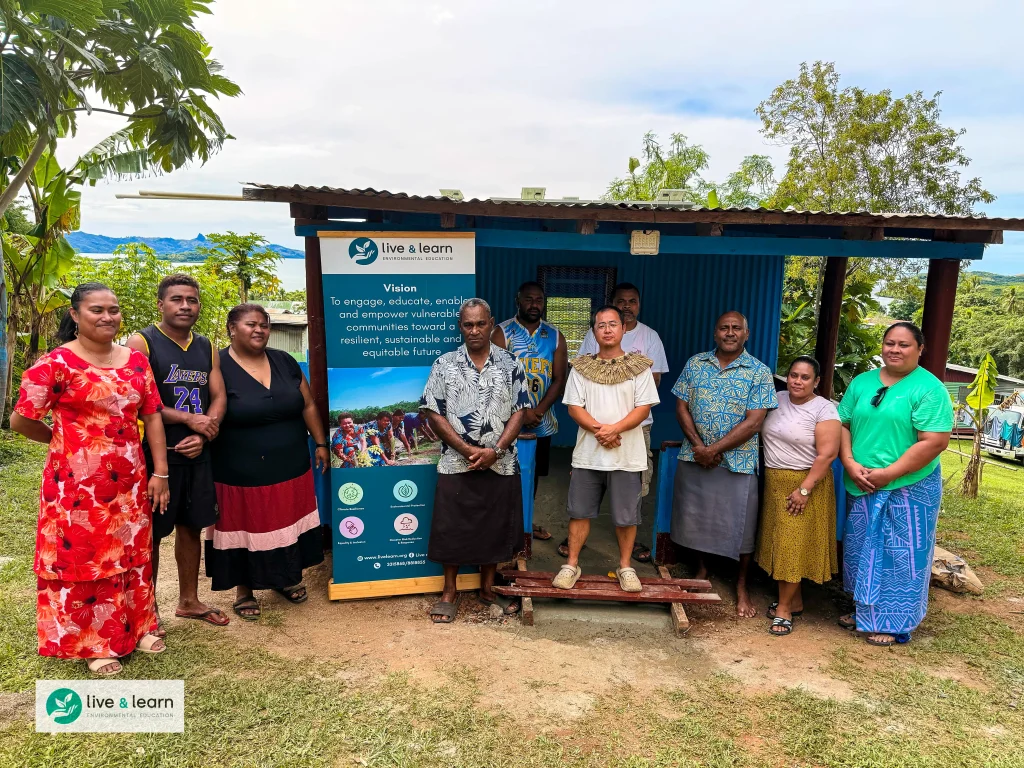
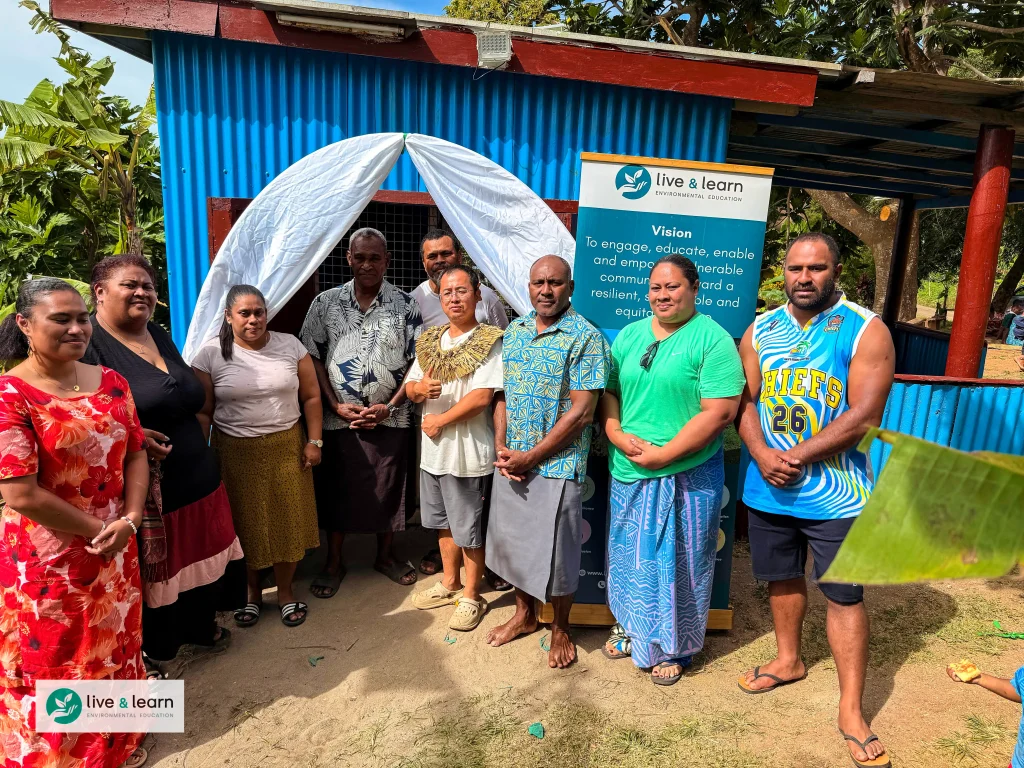
For generations, the women of the villages of Naiviqiri, Naivaka, Galoa and Yaqaga, in Bua, have depended on the sea for the livelihood of their families. A successful day of fishing meant a plentiful catch to sell, but it also came with a challenge. Without access to cold storage, fish and seafood had to be sold quickly or eaten on the same day before they spoil.
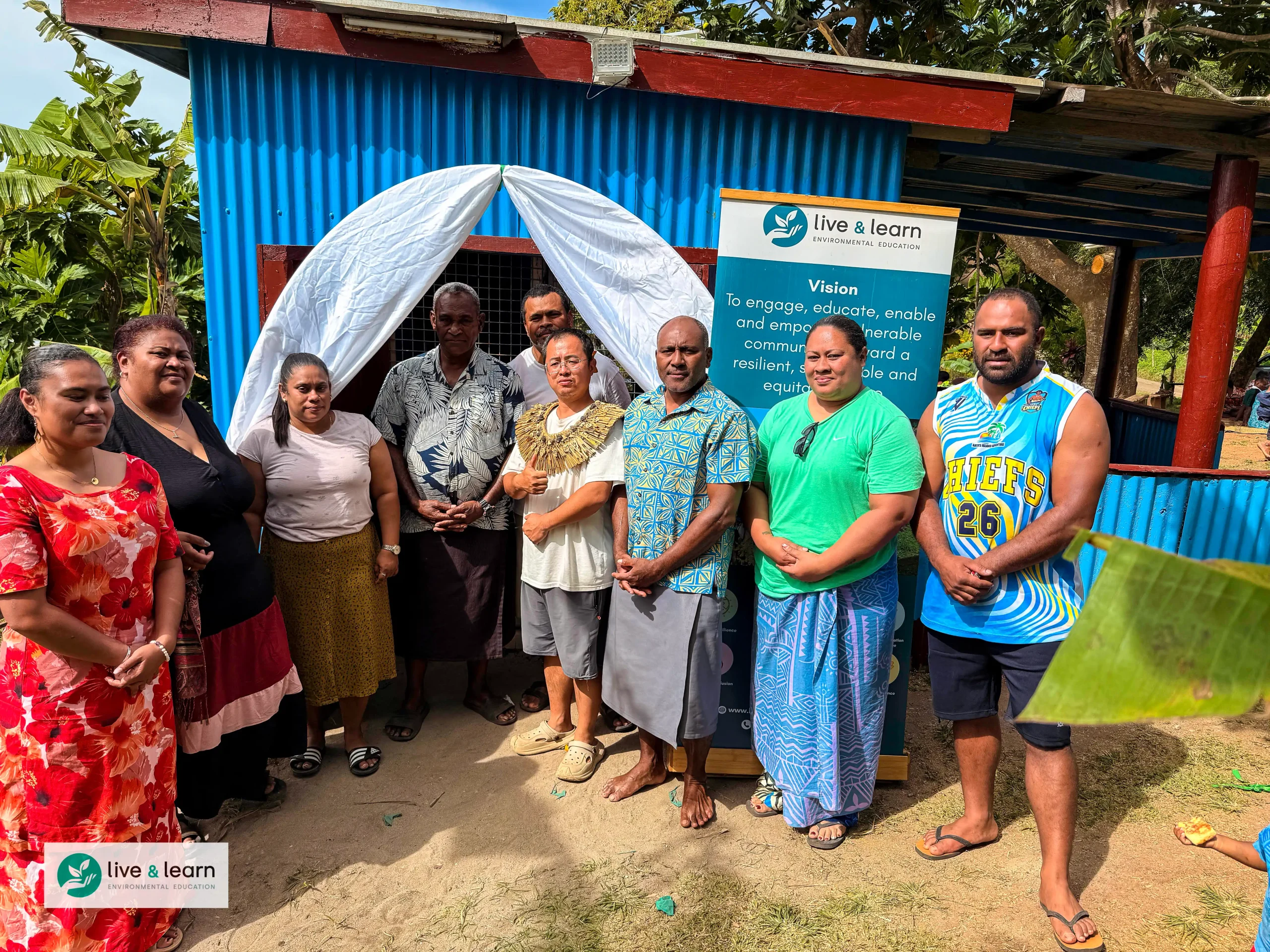
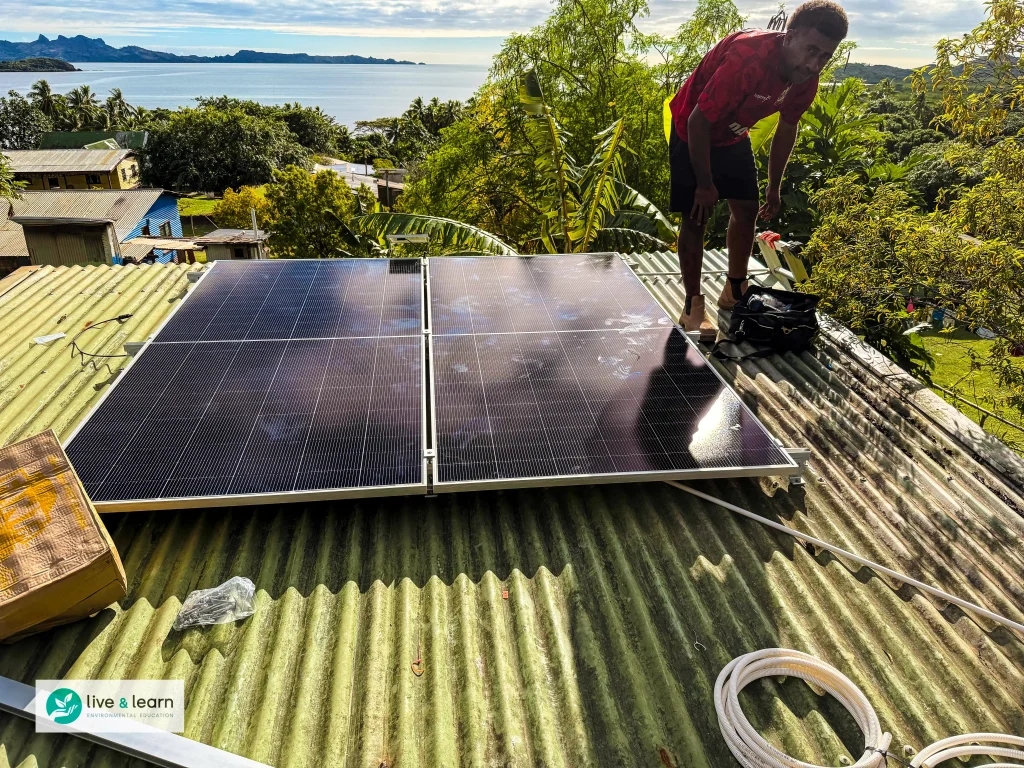
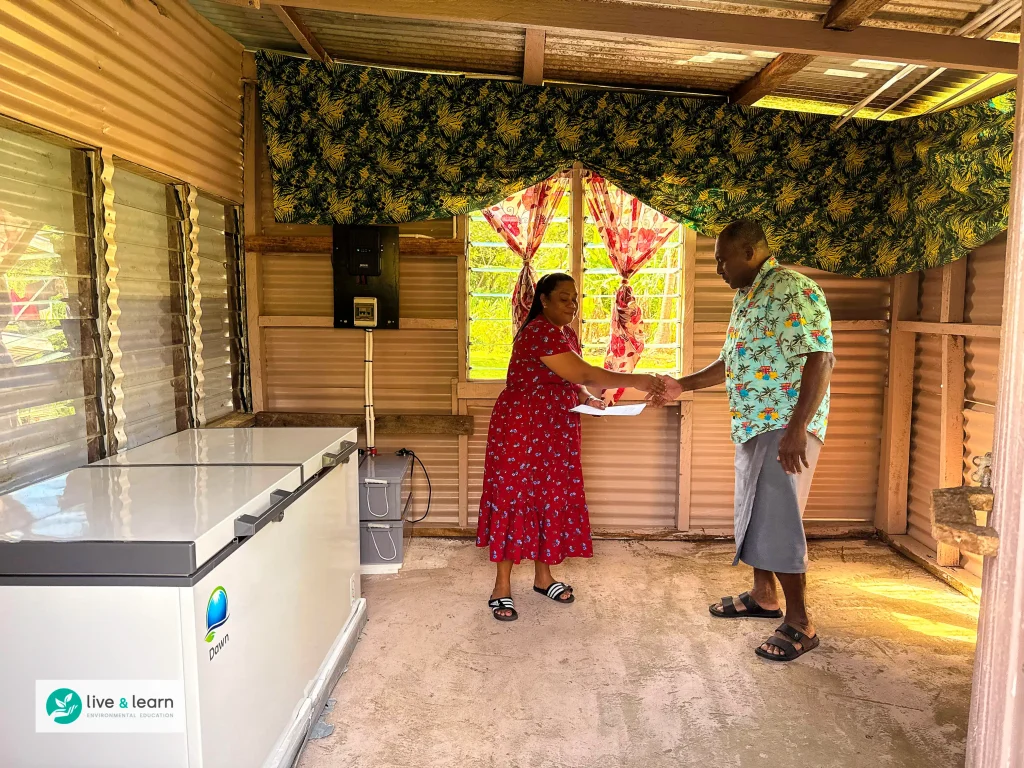
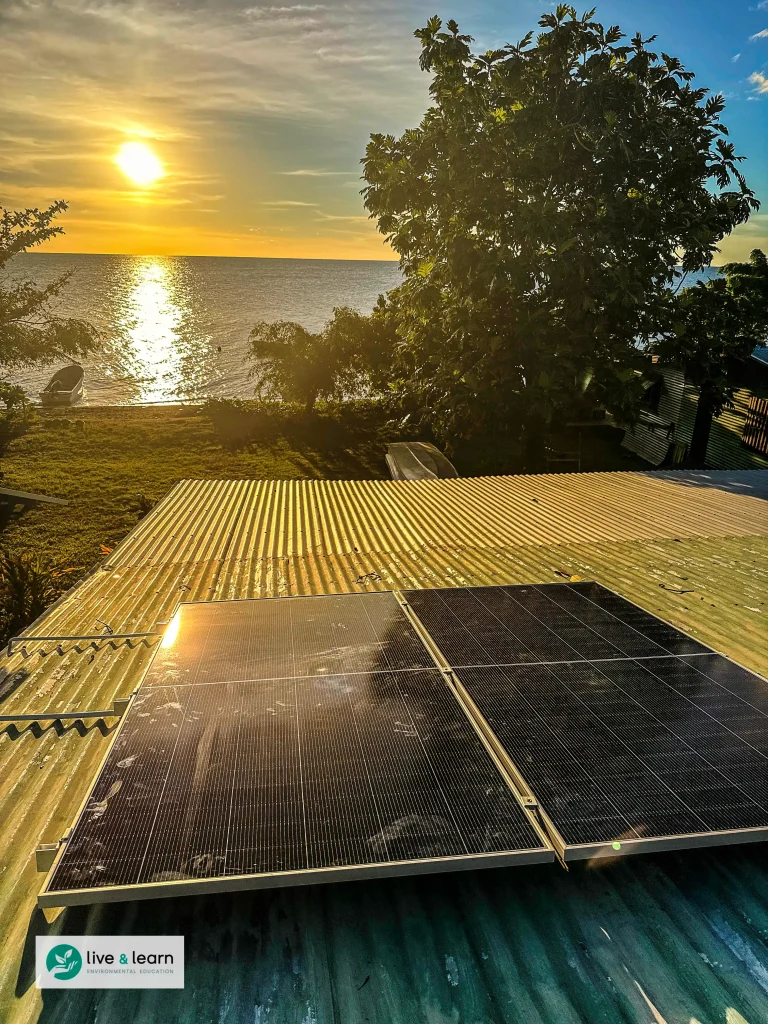
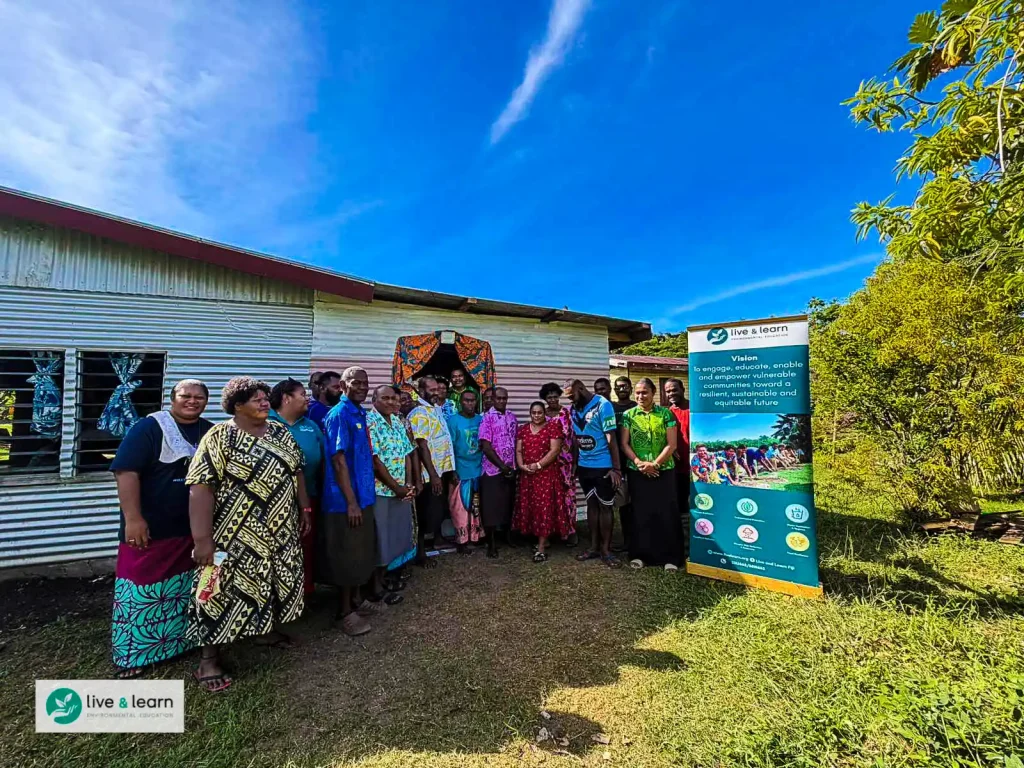
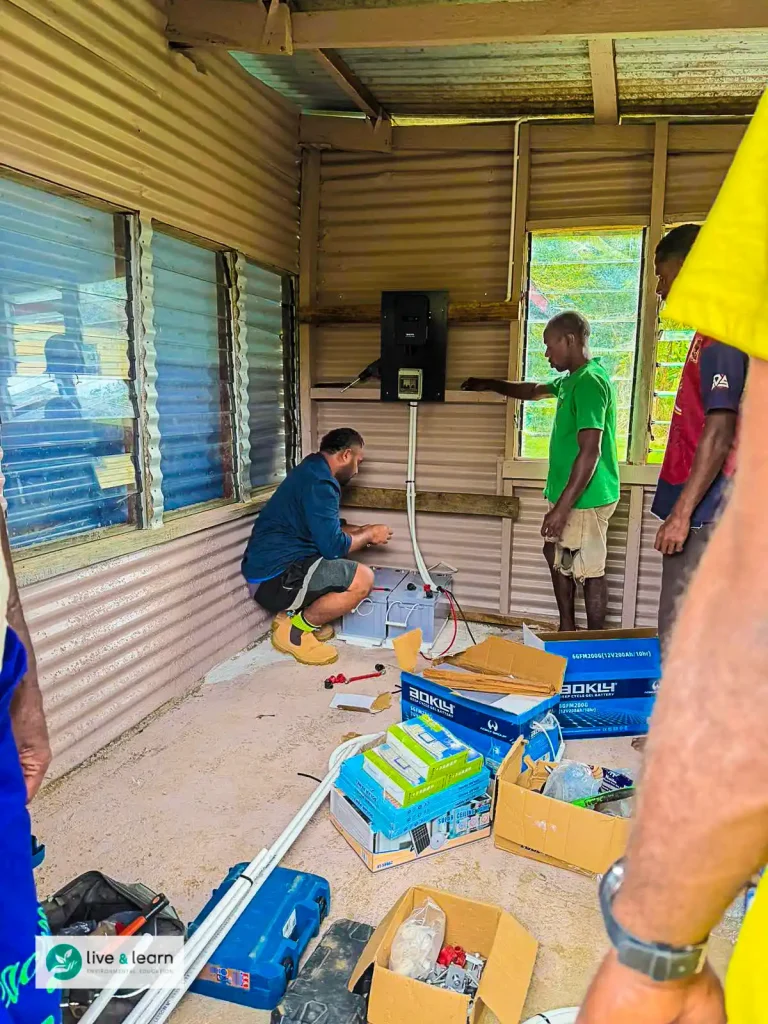
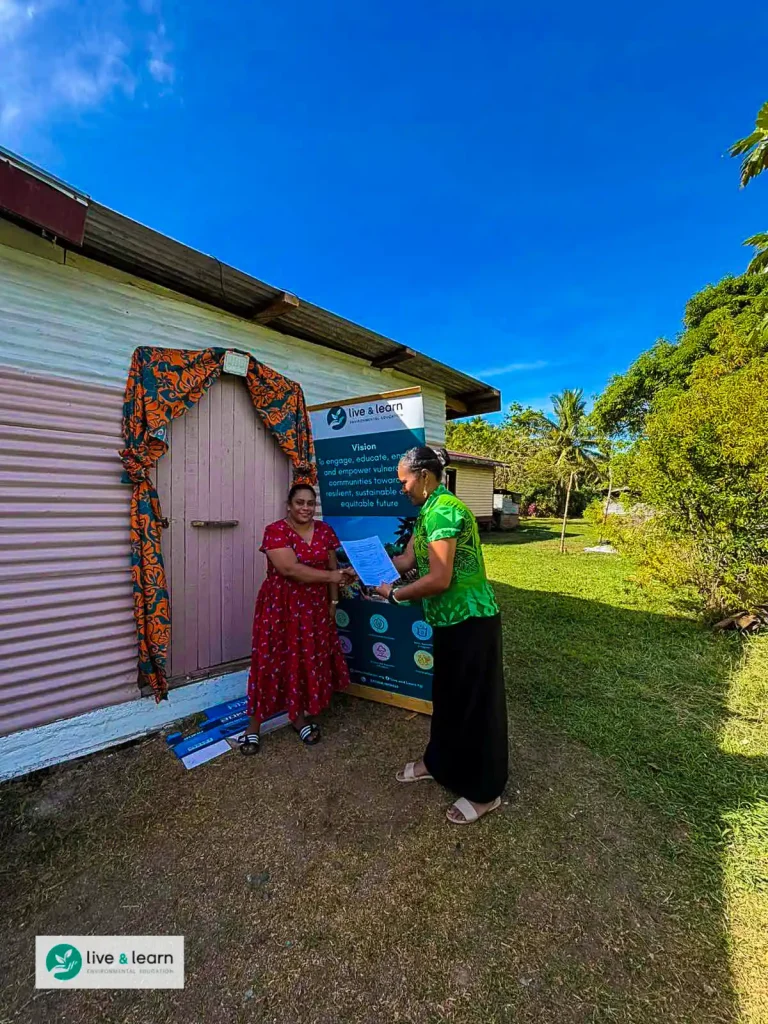
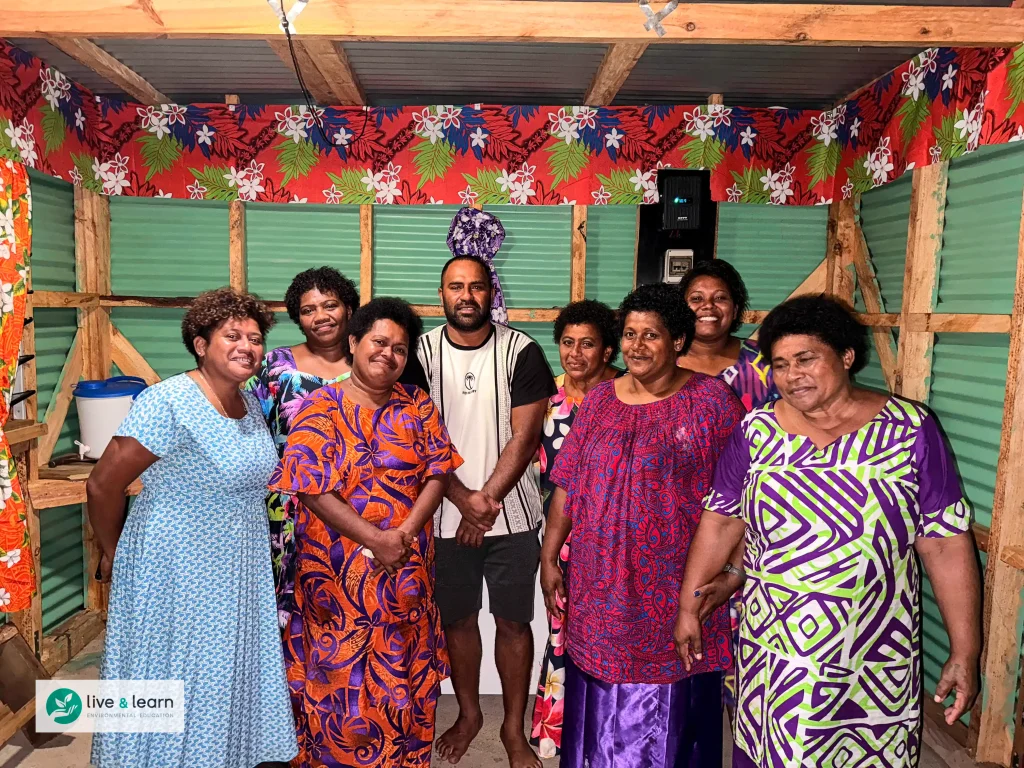
Today, that challenge is becoming a thing of the past. From 23–26 June 2026, four new solar-powered freezers were installed, each housed inside a risk-informed disaster-resilient shelter. These shelters, designed and built with community input, ensure that surplus seafood can be stored safely and sold when markets are accessible.
The women’s clubs of all four villages spearheaded the fundraising for the shelters which were constructed by each of the communities. By the time the Dawn Renewable Energy technical team came to install the systems, the shelters were completed.
Alongside installation, 120 participants with 74 female, 46 male, 31 youths and 2 persons with disabilities took part in training sessions that covered the basic use of the freezer, proper maintenance and safe handling of the solar system. The sessions emphasized the steps to be taken as well as the precautions, to ensure longevity and resilience.
“Fishing has always been our main source of income, but travelling to Nakadrudru to sell our catch took time and money, and we often had to sell quickly rather than for a good price because we feared the fish would spoil. We’ve waited so long for a solution, and now we cannot contain our joy — with our newly installed solar-powered freezer, we can safely store our catch, sell it wisely, and improve the livelihoods of our families.” — ArietaLeader of the Women’s Group, Yaqaga Village
The successful implementation of the project was made possible through the collaboration and strong partnerships between all four communities, Live and Learn Fiji, Dawn Renewable Energy, the Ministry of Rural and Maritime Development and Disaster Management – PA Bua’s Office, ADO Lekutu’s Office, and the Ministry of iTaukei Affairs through the Roko Tui Bua’s Office.
The Governance for Resilient Development in the Pacific (Gov4Res) Small Grants Initiative (SGI) is supported by the New Zealand High Commission, Suva, Fiji. The UNDP Gov4Res Programme is supported by New Zealand, the Australian High Commission Fiji, KOICA Fiji Office, and the UK in Fiji.
Work has gained momentum within the three countries implementing the regional Kiwa EMPOWER Project
🇫🇯 Fiji
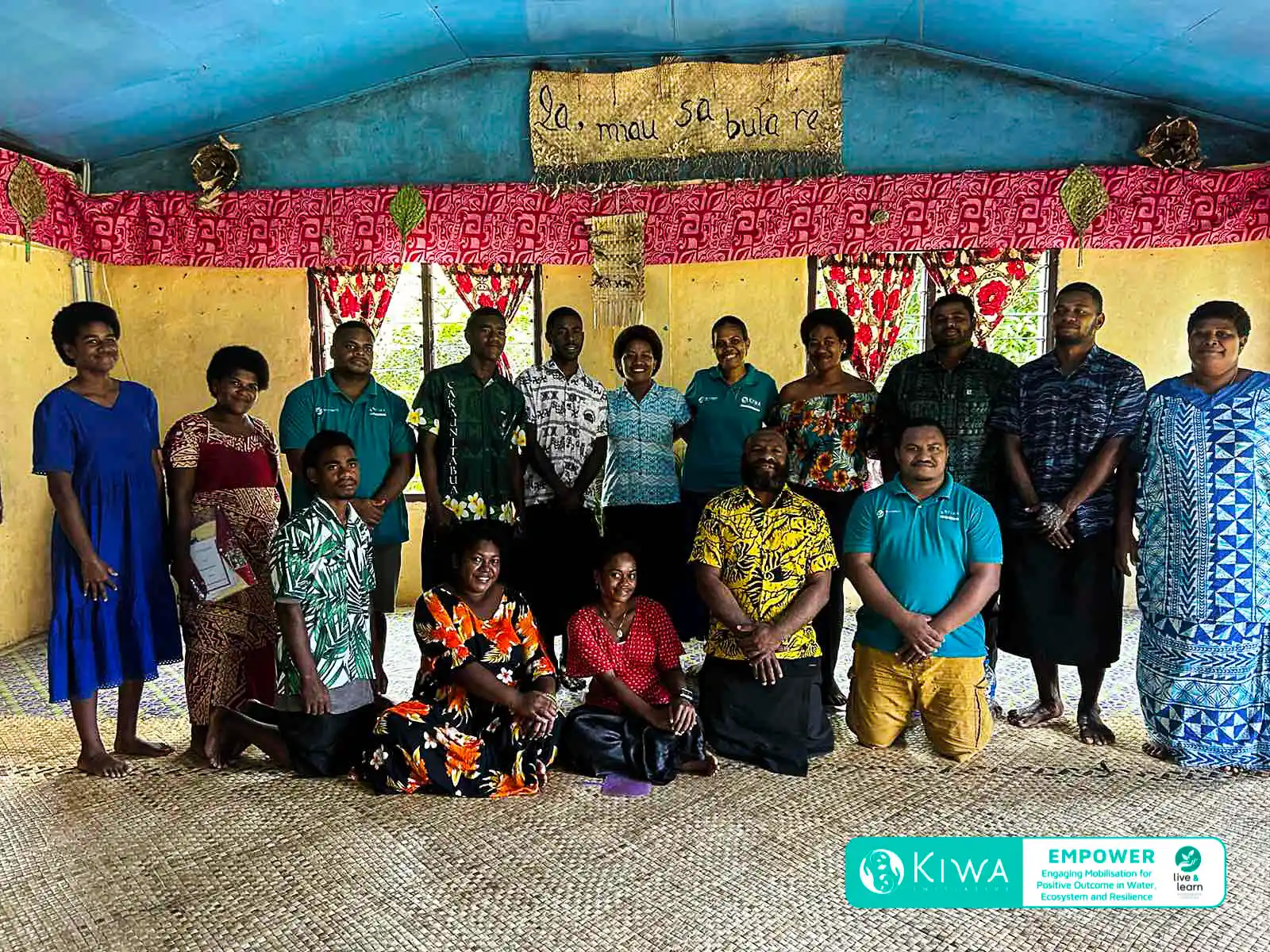
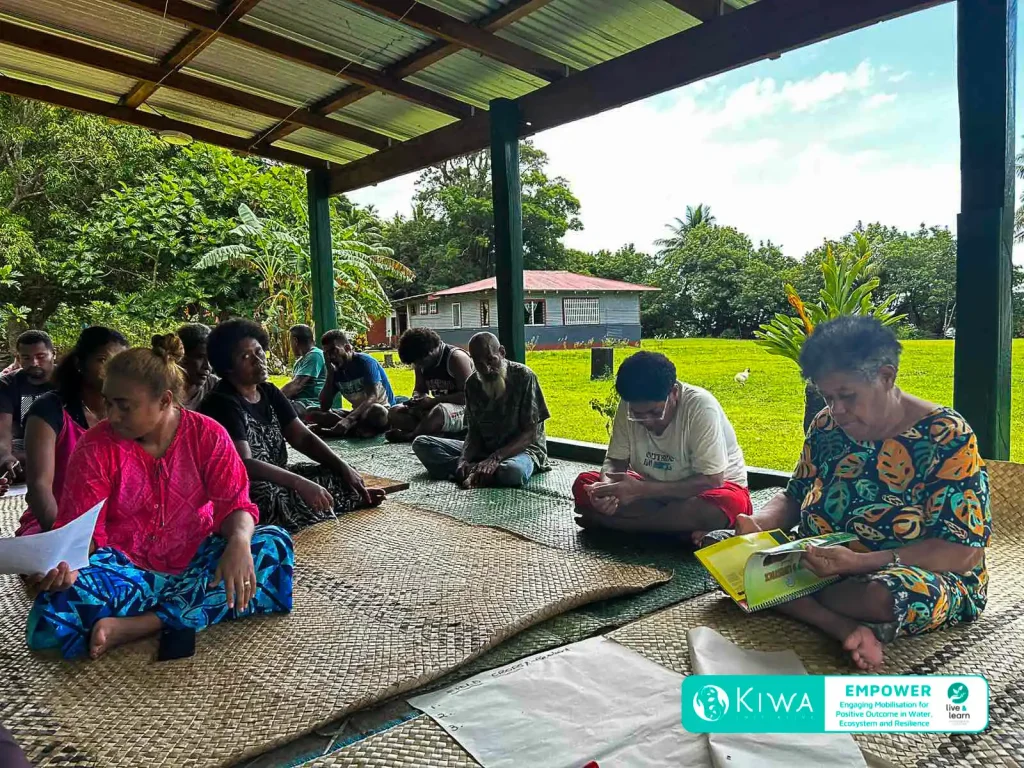
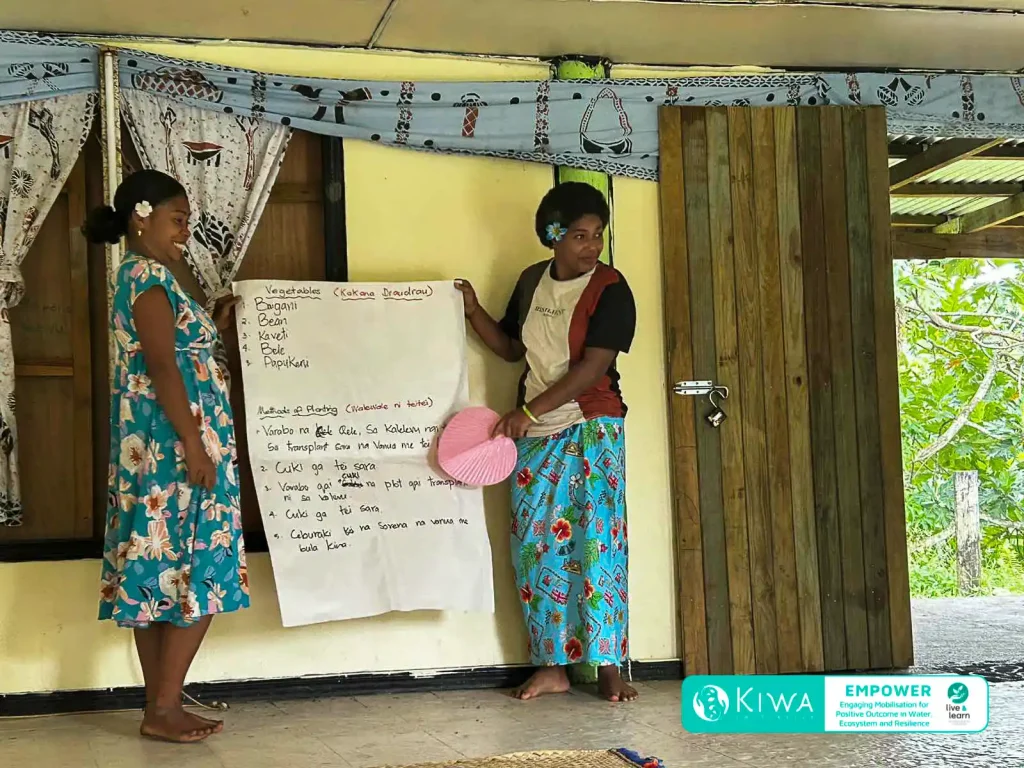
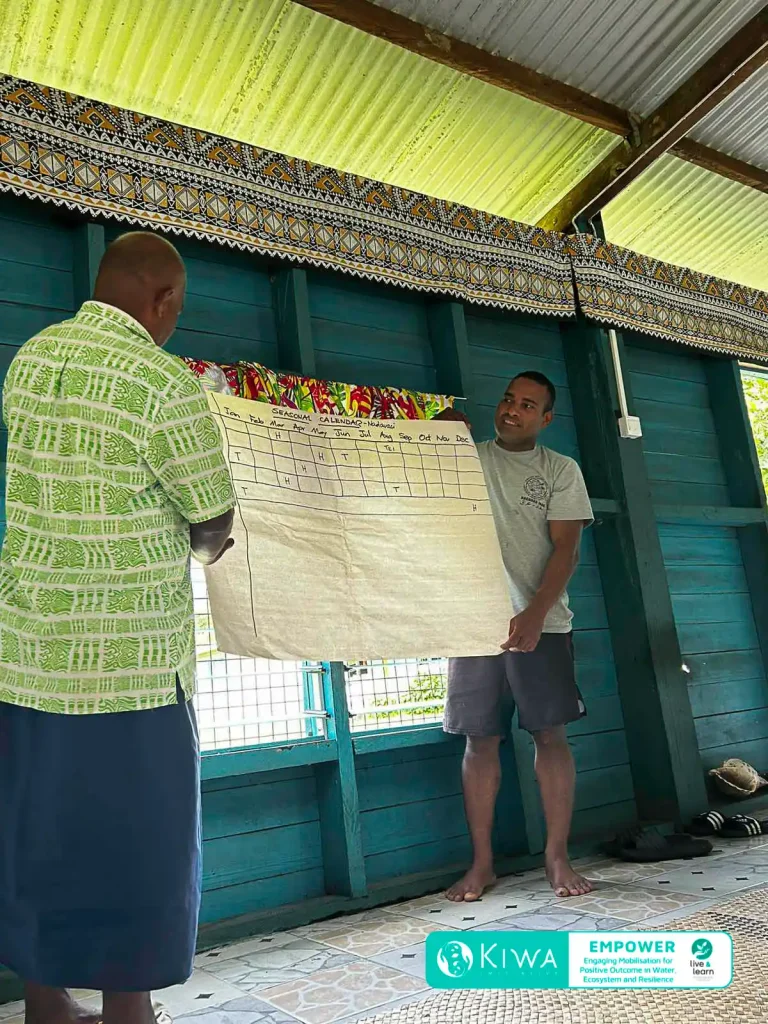
The project team has been undertaking training on Climate Smart Agriculture (CSA) in the 20 communities of Cakaudrove, Bua and Macuata. This is being carried in collaboration with the Ministry of Agriculture and Waterways, Land Resources Planning Division of Northern Division
The training focused:
Planting resilient crops (crops can withstand unfavorable weather) & repellent crops (those that chase insects aways from vegetable and crops)
Nursery construction in communities (to protect delicate plants from harsh weather conditions and then transplant once ready)
Food security for all through Backyard gardening
Gender Equality, Disability and Social Inclusion (GEDSI), ensuring women and vulnerable groups have equal access to knowledge and opportunities
Also running concurrently is the Indigenous Knowledge Training being conducted by the Team with the services of Sauvaka Culture Consultancy. The training is centered on creating awareness in communities on indigenous practices in terms of Nature based solutions to climate change.
🇹🇻 Tuvalu
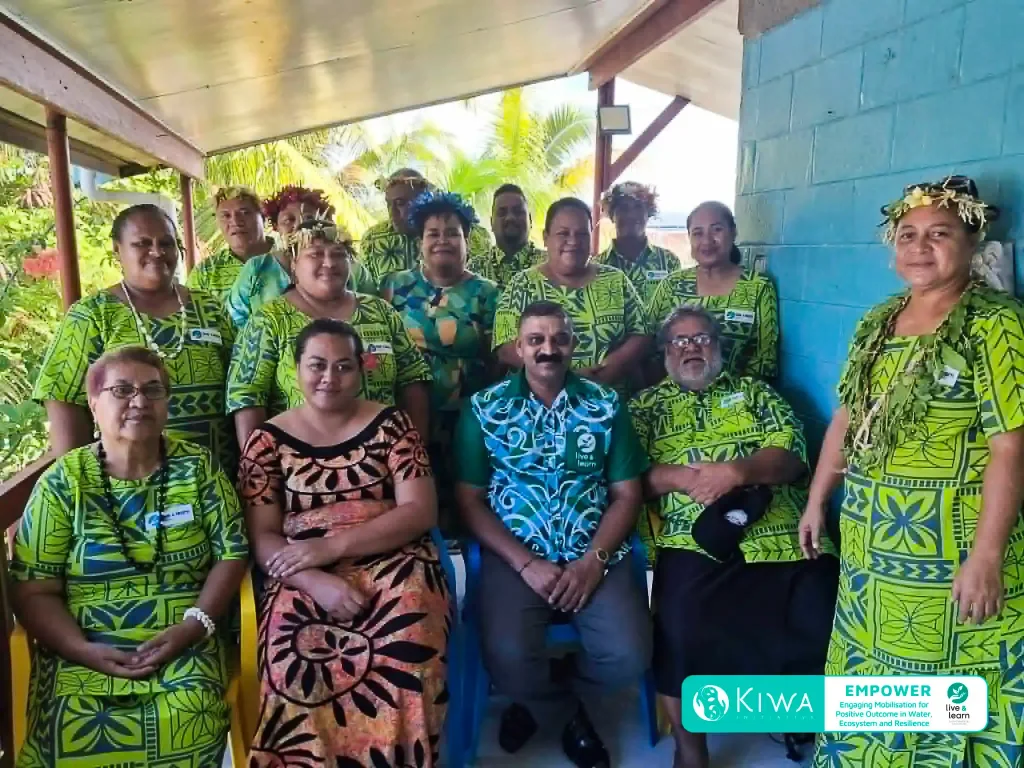
Implementation plans have been finalized for both Niutao and Nanumea with focus on nature-based solutions such as climate smart agriculture, agroforestry and Water, Sanitation and Hygiene (WASH). The regional Team spent a week in country to finalize implementation plans, annual work plan, Monitoring & Evaluation (M&E) framework and do a refresher on Project visibility requirements and work on GEDSI integration throughout implementation.
The project team will be rolling out community training in comings weeks followed by implementing NbS initiatives.
🇸🇧 Solomon Islands
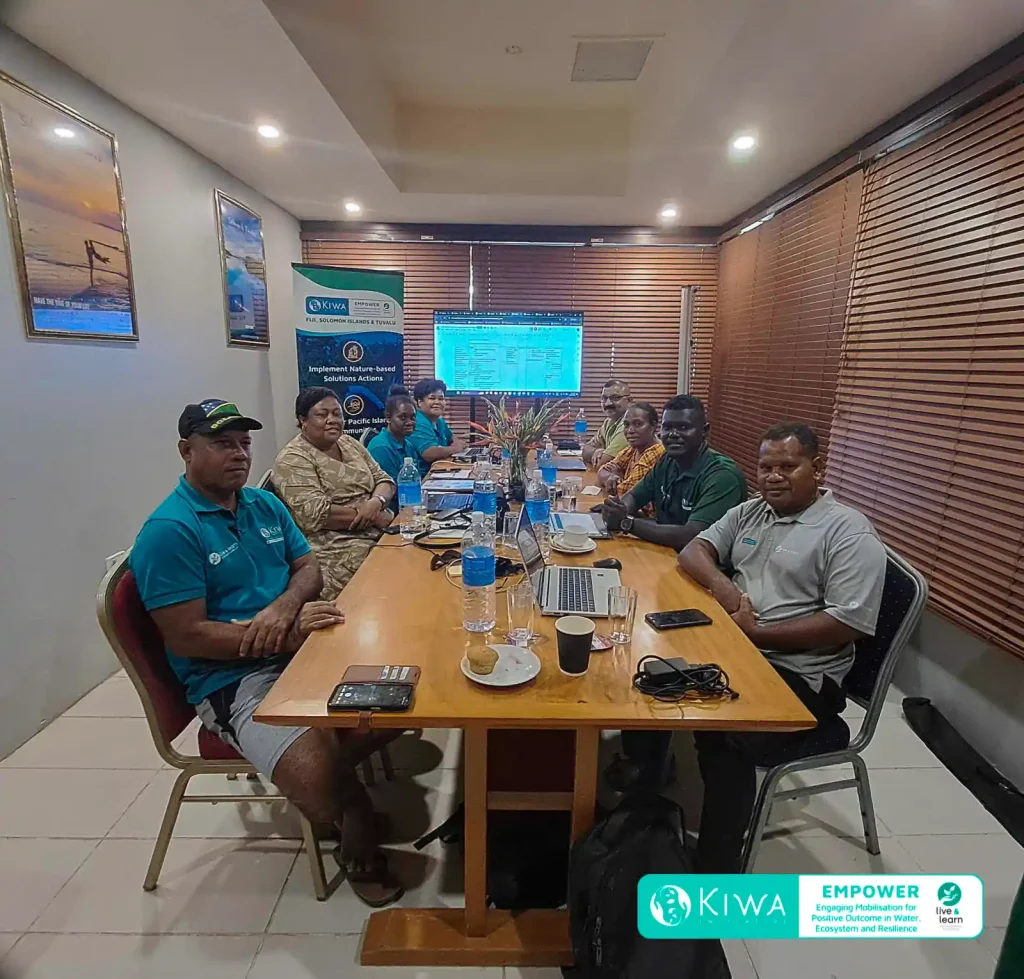
Detailed activity planning, review of annul work plan and M&E framework has been completed to roll out interventions in Nifiloli (Temotu Province) and Sikaiana (Malaita Province).
These efforts being undertaken by the Kiwa EMPOWER Project teams in the three countries to strengthen climate resilience, empower communities, and advance inclusive nature-based solutions.
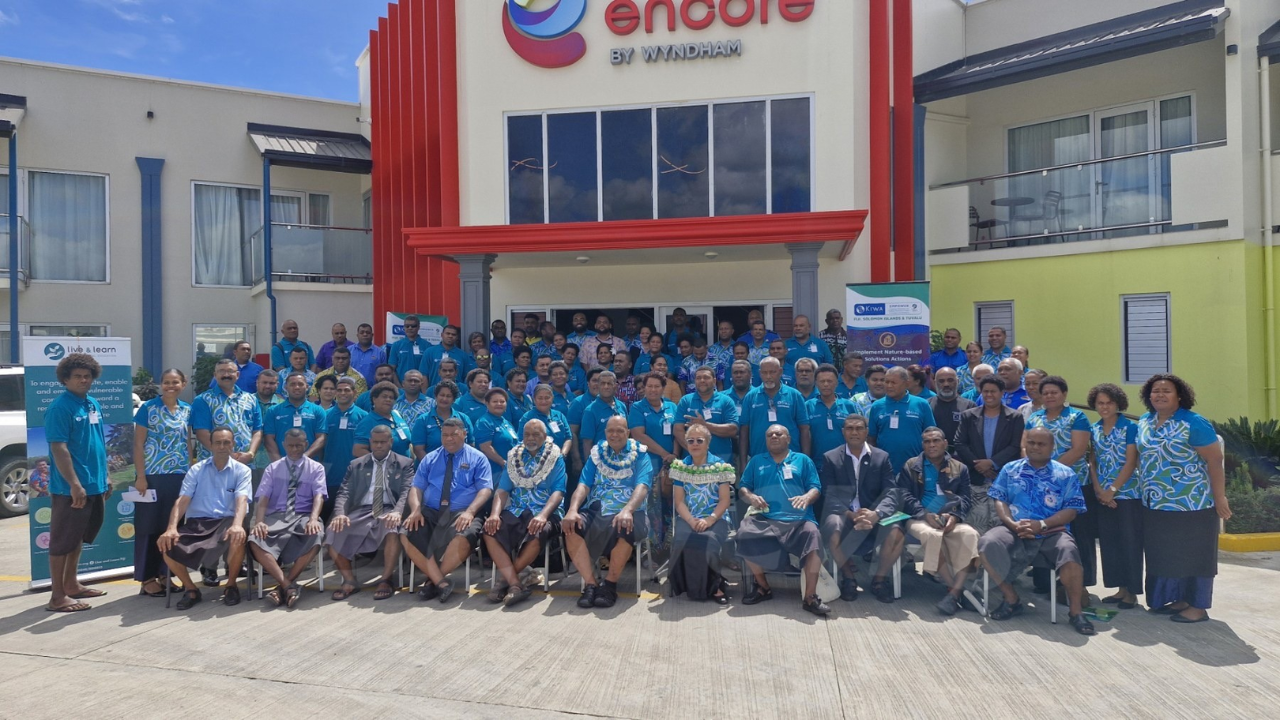
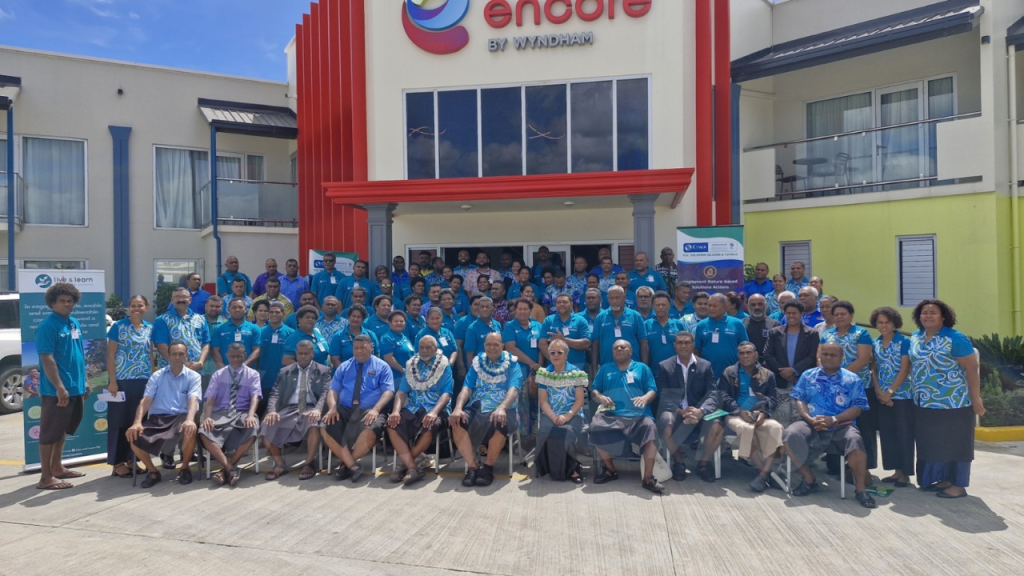
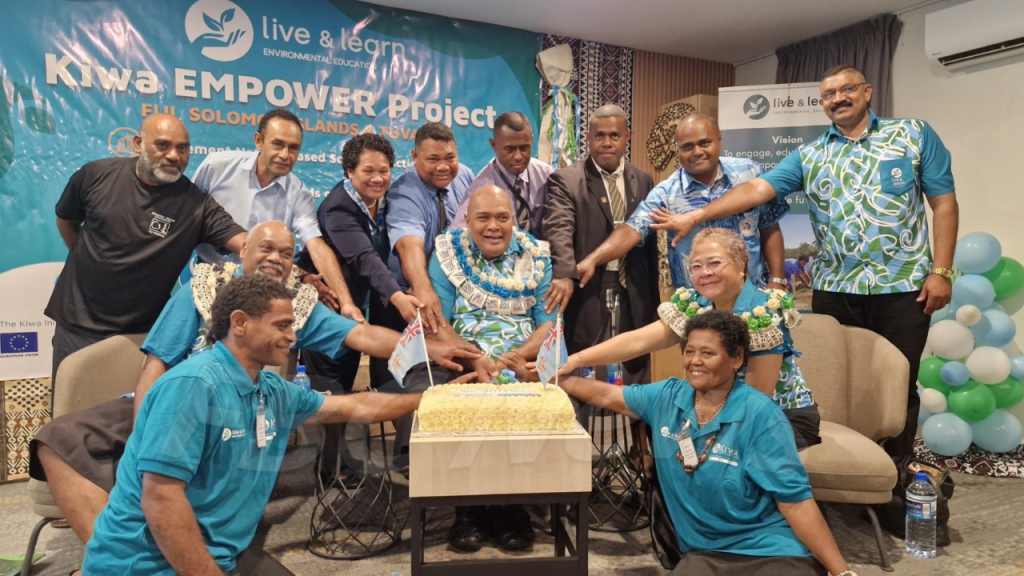
Twenty communities in Vanua Levu are set to benefit from a three-year environmental resilience and climate adaptation initiative.
This follows the successful launch of the national Kiwa Empower Project, valued at $7.5 million for Fiji, Tuvalu, and the Solomon Islands, funded by the European Union, France, Canada, Australia, and New Zealand.
Most of the targeted communities are coastal and vulnerable to the impacts of climate change. Under the project, they will undergo training and implement nature-based solutions to strengthen climate resilience.
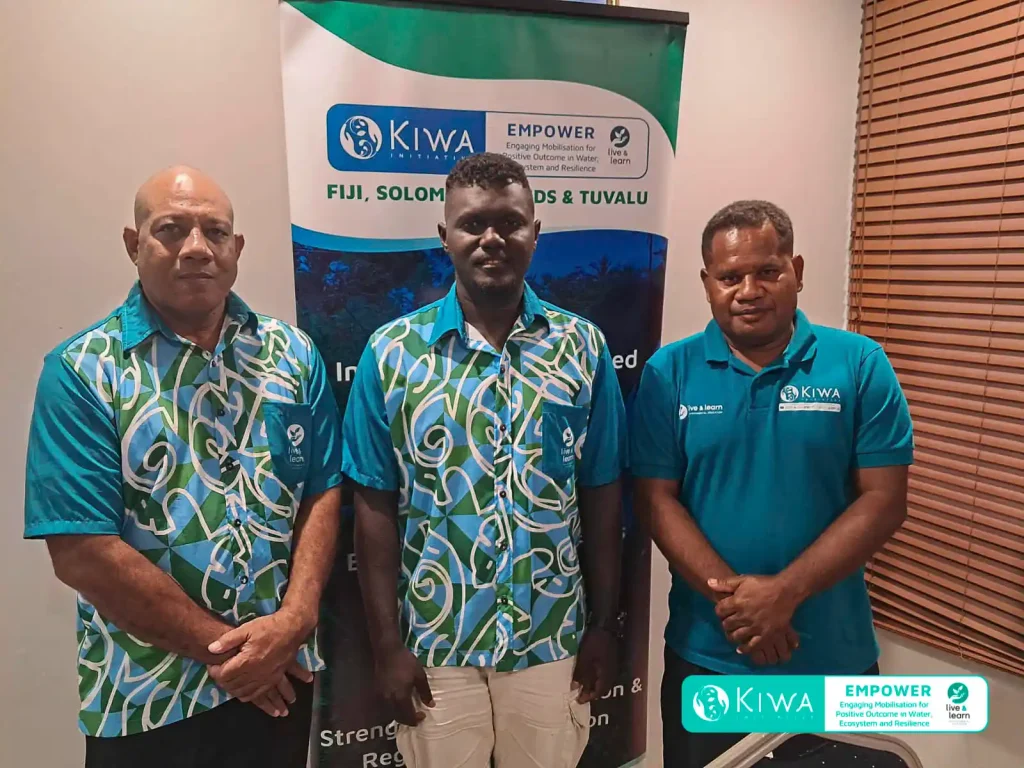
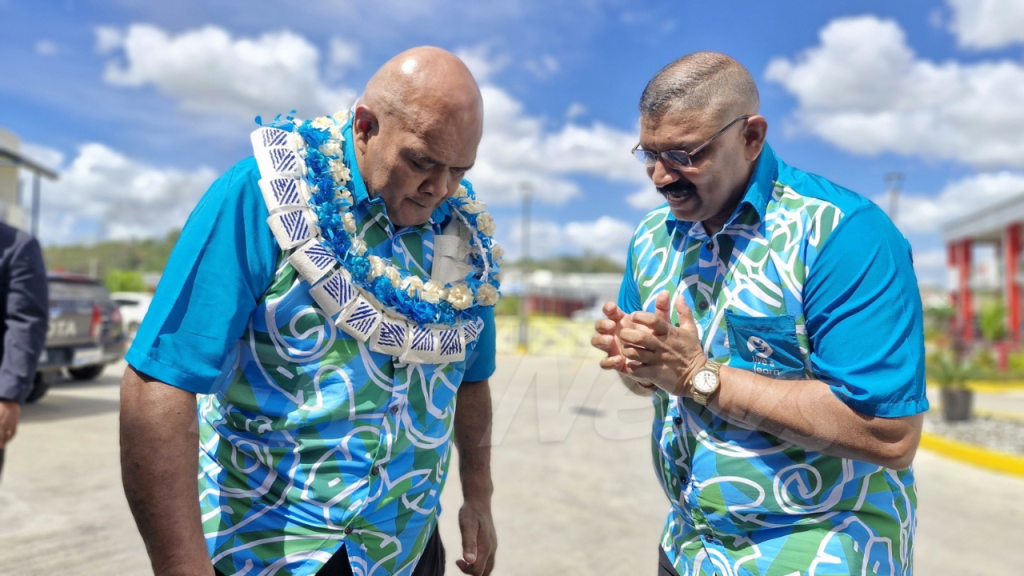
Regional Project Manager Subesh Prasad says this marks a significant milestone in addressing the needs and ongoing challenges faced by affected communities.
“We acknowledge the support of the commissioner’s north office. Their support has been very instrumental to this Kiwa Empower project, not only on this but also on all the other Live & Learn projects that have been implemented in the Northern division.”
Country Director for Live & Learn Environmental Education Fiji, Dorris Susau, commended the resilience and commitment of communities where the project will be implemented.
“When we design and implement it, it is aligned with national priorities, and more importantly, it addresses the need of the community in the manner that is relevant and appropriate to you, so it’s not about us; it’s all about you.”
She highlighted that partnership and collaboration remain central to the Kiwa Empower Project, with a commitment to continue supporting rural and remote communities in the North.
The project will focus on key areas including conservation, disaster risk reduction, food security, gender equality, disability and social inclusion, water resource management, and human health.
The twenty participating communities are Naivaka, Naiviqiri, Nasau, Ravuka, Cawadevo, Visoqo, and 14 others across Cakaudrove.
Non-Government organisation, Live and Learn Environmental Education Fiji, country manager, Doris Susau (left), and Ecosystems-based Climate Adaptation Project (ECAP) (right), Subesh Prasad shows Divisional Planning Officer, Setareki Dakuiboca (middle) the new portal and its operation during its launch in Labasa on September 8, 2022.
Anew informative portal (website) launch marked a new era of online service delivery for target communities and rural settlements in the Northern Division. The launching held recently in Labasa was part of the Ecosystem-based Climate Adaptation Project (ECAP) implemented by the Live and Learn Environmental Education Fiji organisation.
Under the ECAP project, 18 communities in the North are part of ECAP-related projects where sustainable community livelihood projects like beekeeping, agriculture and others are supported. The programme is funded by the European Union. Organisation president, Doris Susau, said the launching fulfilled the project objective to build local socioeconomic resilience to climate change in vulnerable communities in the Northern parts of Fiji.
Ms Susau said the portal was developed to establish tools visible to the climate change sector, Government and communities. She said it would connect and closely share the learnings and knowledge resources from the project with their active communities and interested stakeholders. “Structured exchanges will be used to share learning within and between communities and this will be via sharing links on the social media, widely used by our communities,” she said.
Chief guest, Divisional Planning Officer, Setareki Dakuiboca, shared his gratitude to the organisation as it positively impacted the livelihood of its target communities.
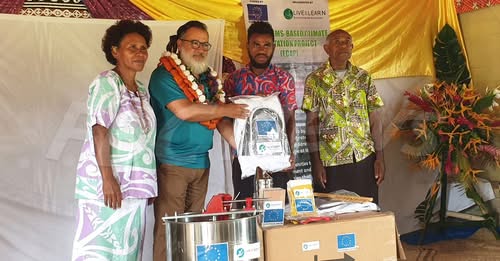
EU Ecosystems-Based Climate Adaptation Project (ECAP) successfully launch the Beekeeping Training in Nakasa Village in Cakaudrove. This is being done through an initiative under the EU funded Ecosystem-based Climate Adaptation Project.
The Basic Beekeeping Training will be undertaken in 20 communities in the Northern Division, seven in Bua, three in Macuata and 10 in the Cakaudrove Province
Delegation of the EU for the Pacific Head of Section Civil Society, Pedro Velazquez launched the project and the training on Tuesday.
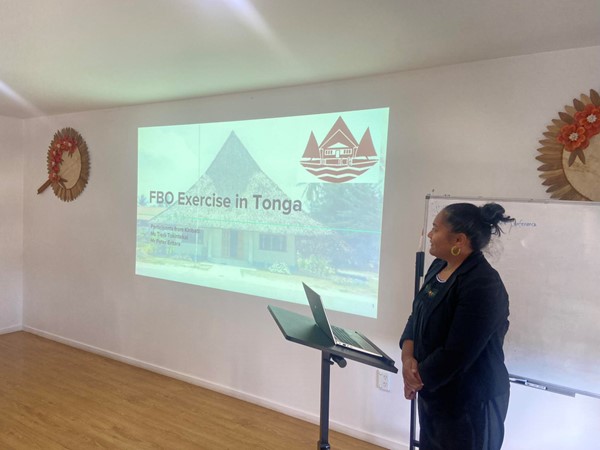
In the vast expanse of the Pacific, an innovative initiative that continues to revolutionize how parliaments analyze and understand their national budgets. The Floating Budget Office (FBO) is empowering Pacific nations to make more informed decisions about their financial futures. But what exactly is the FBO, and how is it making a difference?
The FBO is a Pacific Parliament-led initiative providing critical collaborative support to parliaments during the review of their national budgets. Upon the request, UNDP facilitates a team of experienced parliamentary researchers from across the region supporting the national parliament capacity in analyzing their budget.
Through this effort, parliaments throughout the region will be able to share best practices and information in an inclusive environment.
The FBO’s work is essential to making sure that public budgets, which are frequently complicated and technical, are transparent and subject to in-depth analysis. The FBO actively engages a variety of stakeholders, including Civil Society Organizations (CSOs), in the budget review process by advocating a whole-of-society approach.
UNDP’s Support
UNDP Pacific has been providing technical assistance to parliaments to build the capacity of legislators to strengthen the relationship between parliament and the executive and civil society since 2017.
FBO supporting via briefs with internal government business discussions, UNDP Pacific has been offering technical assistance to parliaments in efforts to build capacity of legislator.
The budgets are often complex and require in-depth technical experience and knowledge in public finance, the FBO offers collaborative budget analysis to support Pacific parliaments and MPs while strengthening the region’s capacity for parliament research. As a result, UNDP has been considering how to advance a flexible architecture that would allow Pacific Parliaments to exchange knowledge and provide mutual support throughout their different budgetary procedures.
Under the direction of a team leader from the host or national parliament, the researchers create concise studies on important industries, offering unbiased and impartial information to legislators and civil society organizations. The independent approach builds trust and advances a culture of accountability and transparency in budgetary matters, which is essential for effective governance and development.
In 2021, UNDP invested in enhancing the quality of analytical tools available to parliamentary researchers, focusing on strategies to improve the PFBO’s budget analysis processes. This resulted in the development an automated budget analysis tool that streamlines the production of budget briefings for MPs, reducing resource demands while increasing the speed and accuracy of the analysis.
FBO in 2024
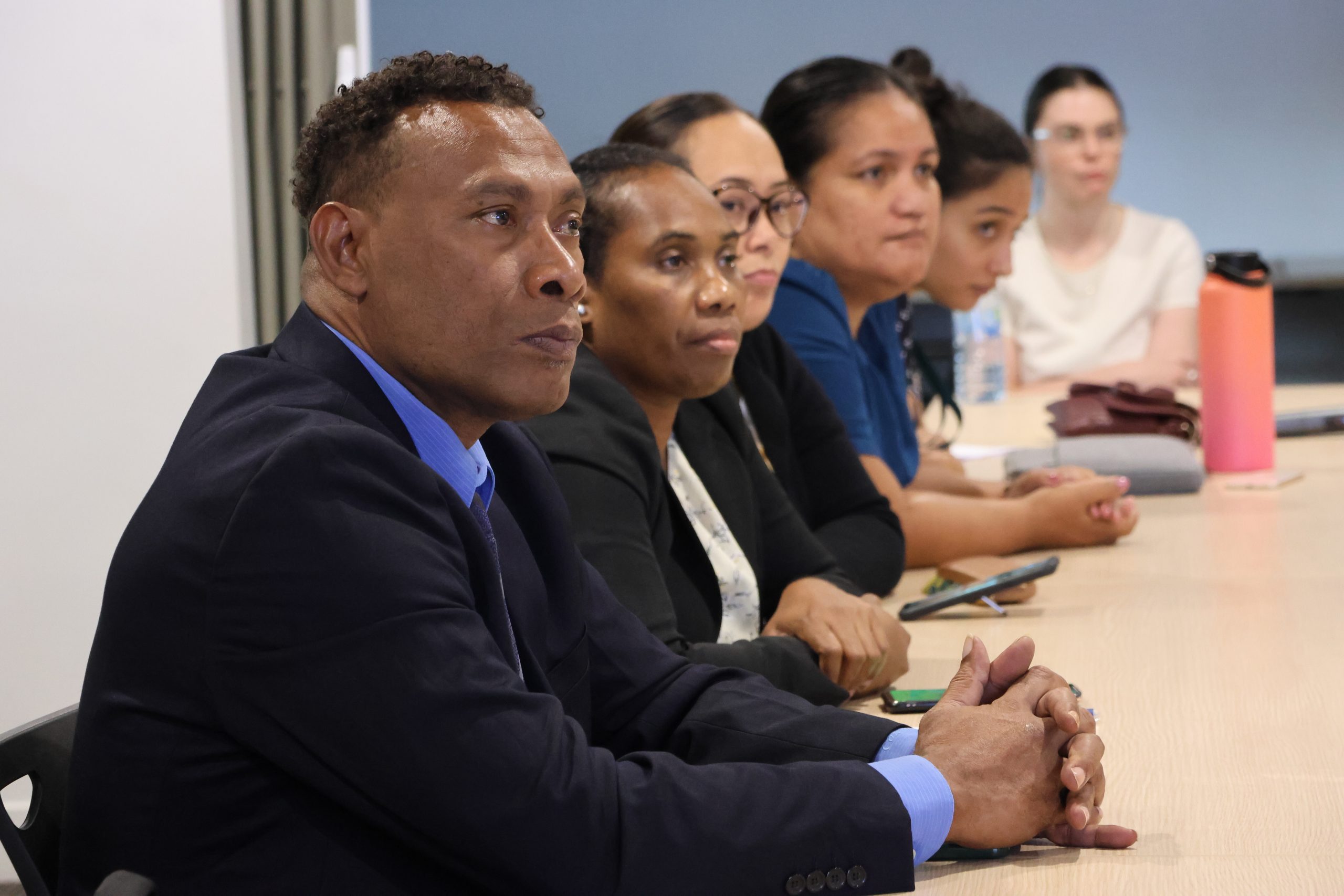
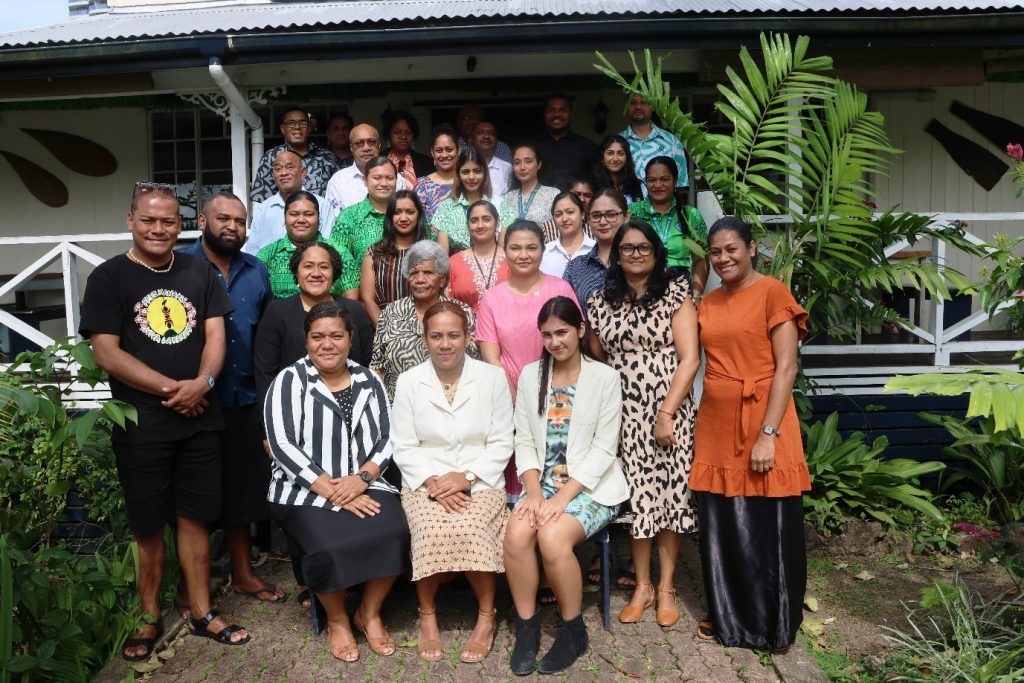
This year, the FBO was hosted by the Parliament of Tonga in April and the Parliament of Fiji in June consisting of participants from Tonga, Fiji, Kiribati, Vanuatu, Solomon Islands, Australia and New Zealand. This helps the national parliament in staff capacity-building, enhancing knowledge of budget processes in other parliaments, learning about budget analysis practices and templated used in other parliaments and developing and strengthening budget researchers’ network.
Civil Society Organizations (CSOs) workshop
A key factor in forming and bolstering democratic processes is civil society. This is why FBO briefings are not only presented to Parliamentarians but also to varying CSOs. When civil society understands the complex budget documents and decisions, they can play an active role in advocating for various public interests.
By engaging CSOs, the FBO aligns with a whole-of-society and collaborative approach, which is critical for sustainable development. A one-day workshop was conducted by the Parliaments of Tonga and Fiji to help CSOs understand the allocated priorities of the budget and develop a basic understanding of budget analysis. By involving CSOs and the public in the analysis of public finance, FBO ensures that budgets reflect the needs and aspirations of the people.
Representative from the Soqosoqo Vakamarama iTaukei, Ana Vesikula, said public finance management is important for the country for nation building, peace stability and for sustainable economic growth.
“It is important to have the public informed and engaged from consultation to the implementation of the budget along with the various levels of the society and stakeholders. Having the budget in three main languages in Fiji would assist people to understand and have more knowledge of the budget of what is allocated, why and how,” she said.
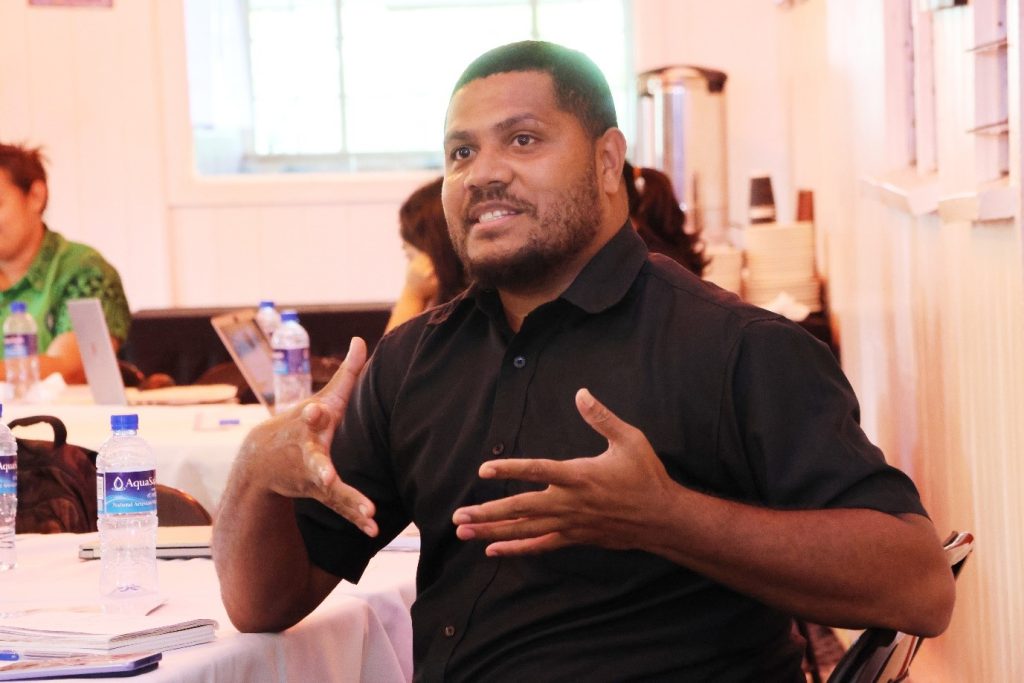
Gender and Resilience Officer from Live and Learn Fiji, Joseva Ravula, said as a first-timer to this workshop, it highlighted the importance of the budget, what it meant, what it is and for who. “One of the things that brings to the table is the importance of people knowing the budget. I am not sure whether the information about the budget is very inclusive; to think about those who use braille – was it accounted for; those who have hearing impairments if it was accounted for them. When we look at the inclusivity of information, we need to meet the needs of our people because they have the right to hear, to see, to be answered with the information surrounding the budget,” he said.
UNDP Pacific Office in Fiji provides essential support for parliamentary development across the region through two regional projects: the Pacific Parliamentary Effectiveness Initiative (PPEI), supported by the Government of New Zealand’s Ministry of Foreign Affairs and Trade (MFAT), and the second phase of the Strengthening Legislatures in Pacific Island Countries project, supported by the Government of Japan. In addition, this work is also made possible via the Fiji Parliament Support Project, supported by MFAT and Australia’s Department of Foreign Affairs and Trade.
The Yavusa Kavula Restoration Programme in Bua Province, is making remarkable progress in restoring grassland areas within the five Mataqali of Yavusa Kavula.
This initiative is being undertaken between the Ministry of Forestry and the environmental NGO Live and Learn Fiji.
As part of the programme, the Yavusa Kavula has already planted 2,836 native assorted seedlings.
In addition to restoring native vegetation, the initiative aims to plant 10,000 mandarin seedlings to boost local agriculture.
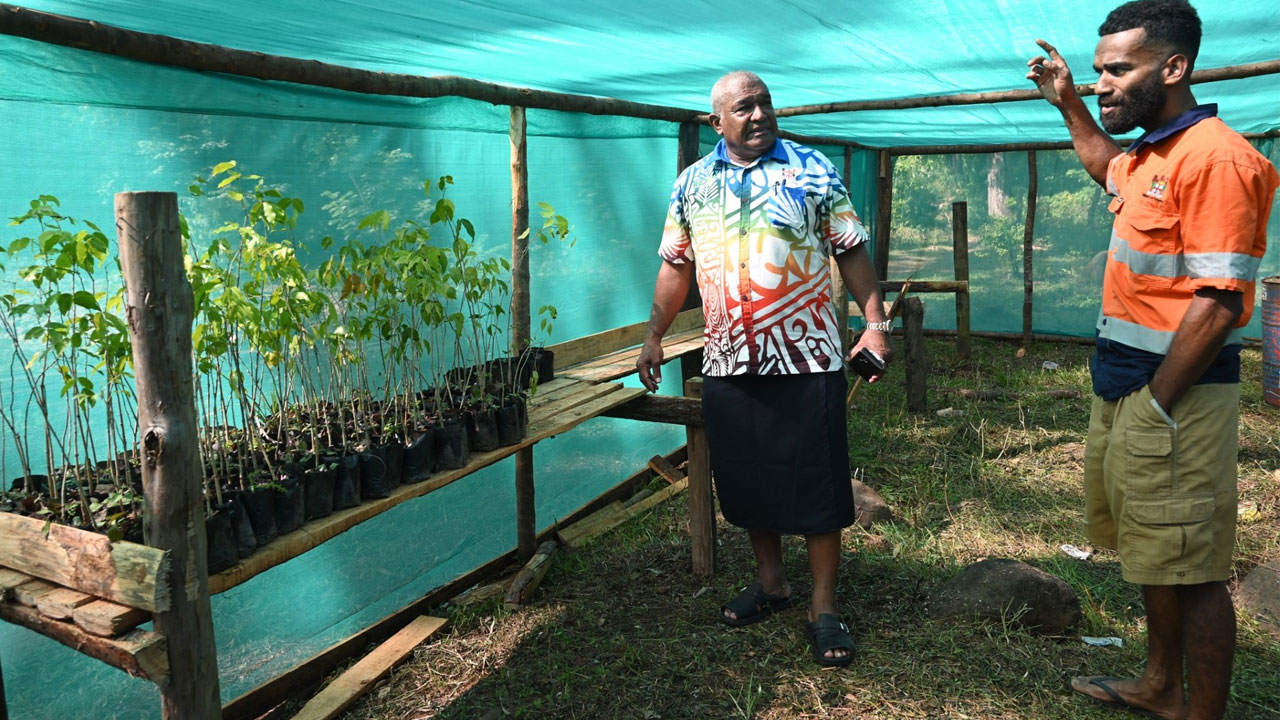
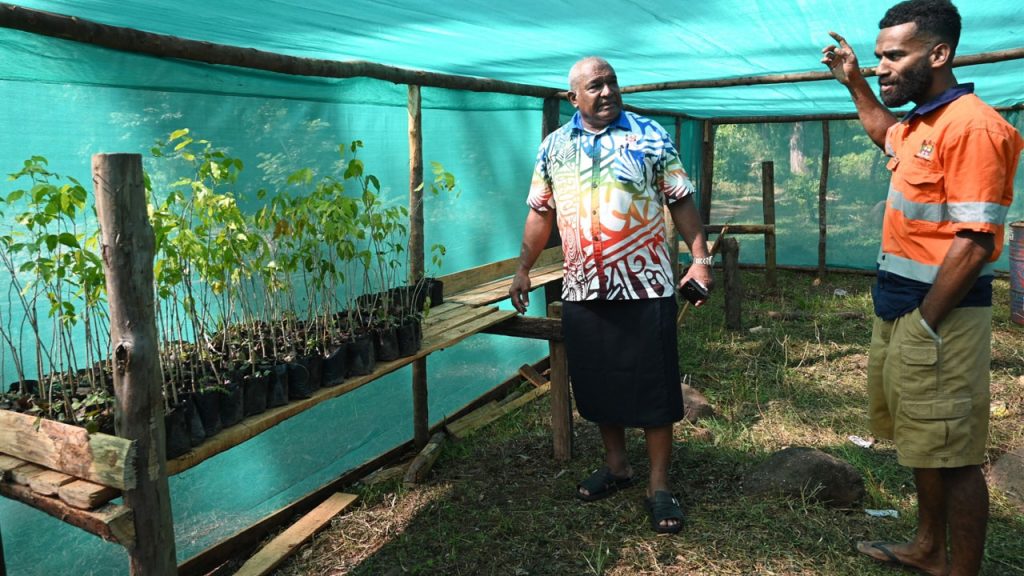
Recognizing the importance of this project, the Ministry has funded a temporary nursery to assist the community in raising their own seedlings for various planting operations, including mandarin cultivation.
Forestry Minister, Kalaveti Ravu, visited Kavula to officially open the temporary nursery this week.
The restoration programme was inspired by a site visit to Nayarabale Village in the District of Vaturova.
AN independent impact evaluation report of MoneyMinded, ANZ’s financial inclusion program, has found the program significantly strengthened participants’ financial knowledge, skills and capabilities.
According to the findings of the study, 96 per cent of the respondents reported the MoneyMinded program had improved their financial wellbeing – meaning their ability to meet financial commitments, feel financially comfortable and cope with unexpected expenses.
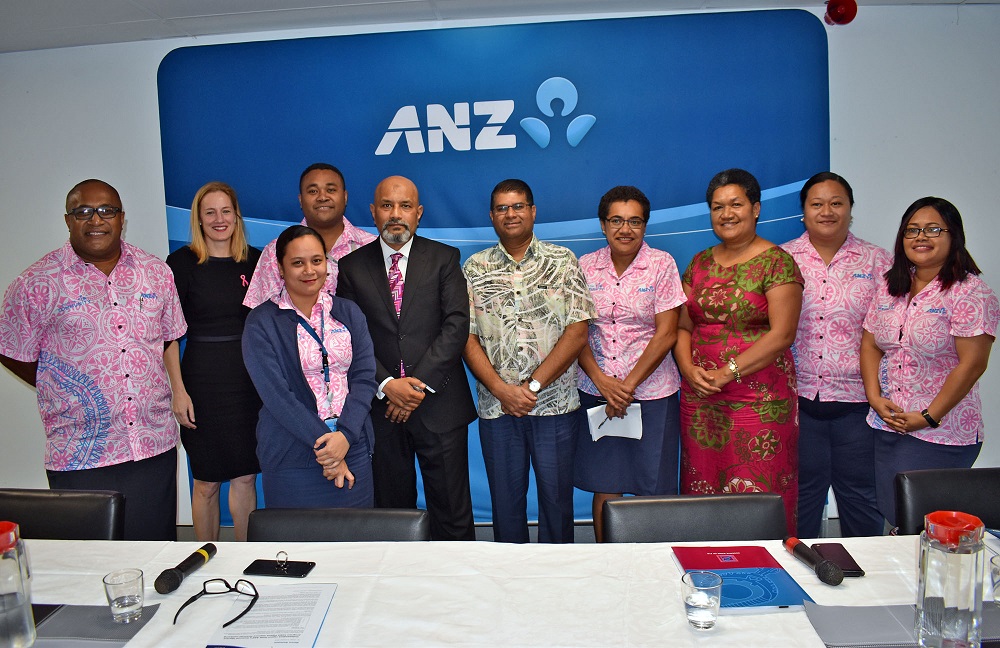
ANZ Regional Executive Tessa Price, second left, ANZ chief executive officer Saud Minam, Reserve Bank of Fiji governor Faizul Ariff Ali and RMIT University researcher Marica Tabualevu, third from right, with ANZ staff members during the 2019 Moneyminded Impact Report launch at the ANZ House in Suva on Tuesday, October 08, 2019. Picture: JONACANI LALAKOBAU
Speaking during the report launch in Suva today, ANZ Fiji country head Saud Minam said the program supported the Fijian Government and Reserve Bank of Fiji’s National Financial Inclusion Taskforce to improve financial inclusion rates and financial capabilities of Fijians.
“We will continue to support financial literacy because we know that investing our efforts in this area is important. With careful budgeting, planning and the practical life skills that MoneyMinded offers, we can contribute to positive changes in peoples’ lives,” Mr Minam said.
“Around 12,000 people in Fiji have taken part in MoneyMinded training since 2010, helping Fijians develop money skills, knowledge and confidence.”
The program is usually conducted as a one-day workshop with topics including planning for the future, making money last until pay day, needs and wants, budgeting, and assertiveness and learning to say “no”, and participants are encouraged to commit to action after the workshop, the report stated.
According to Reserve Bank of Fiji governor Ariff Ali, “The Reserve Bank’s efforts to increase financial inclusion in Fiji have been well supported by programs like MoneyMinded, which have played a positive role in changing the savings mindset of Fijians. Congratulations to ANZ and all agencies involved in the success of the MoneyMinded program in Fiji.”
The program is supported by Ola Fou, Live and Learn, Digicel, Fiji National University, Fiji National Provident Fund, HART, Paradise Beverages, Republic of Fiji Military Forces and Fiji Police Force.
WOMEN in Drawa communities in rural Vanua Levu will benefit from an ANZ gift of $A10,000 ($F15,300) to Fijian charity Live & Learn.
ANZ raised the funds through its “Five to Thrive” leadership challenge where staff members across ANZ globally were invited to commit to five leadership behaviours as daily habits. With every challenge completed, ANZ contributed $A20 ($F31) to a project.
ANZ Fiji country head Saud Minam said they were pleased to strengthen their partnership with Live & Learn through their flagship financial literacy program MoneyMinded and continue supporting their financial inclusion work with the villagers of Drawa.
Doris Susau, country manager Live & Learn, said the gift would go directly towards the economic empowerment of women and their livelihood activities in the Drawa block communities in rural and remote Vanua Levu.
“ANZ is committed to helping people and communities thrive and we have taken another significant step in bringing this to life by establishing a dedicated financial inclusion team here in Fiji,” Mr Minam said.
“More than 9000 Fijians have participated in MoneyMinded, which was made possible by ANZ staff volunteers.
By establishing a team that is dedicated to the delivery of our MoneyMinded program, as well as other financial inclusion activities, we recognise the importance of financial literacy in our community.
“Independent research has confirmed that MoneyMinded is making an impact and ANZ will continue to support financial literacy here in Fiji because we believe that investing our efforts in this area is important.”
A LEADING bank in Fiji has announced its partnership with a dynamic learning network of locally registered organisations operating in the Pacific to deliver its flagship financial literacy program.
The ANZ Bank in Fiji has partnered with Live & Learn to deliver ANZ’s flagship financial literacy program, MoneyMinded, to drive a savings culture in communities across Fiji.
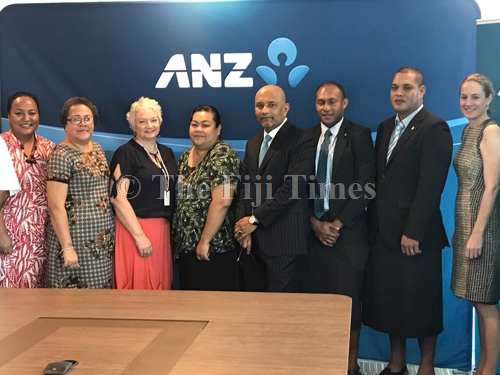
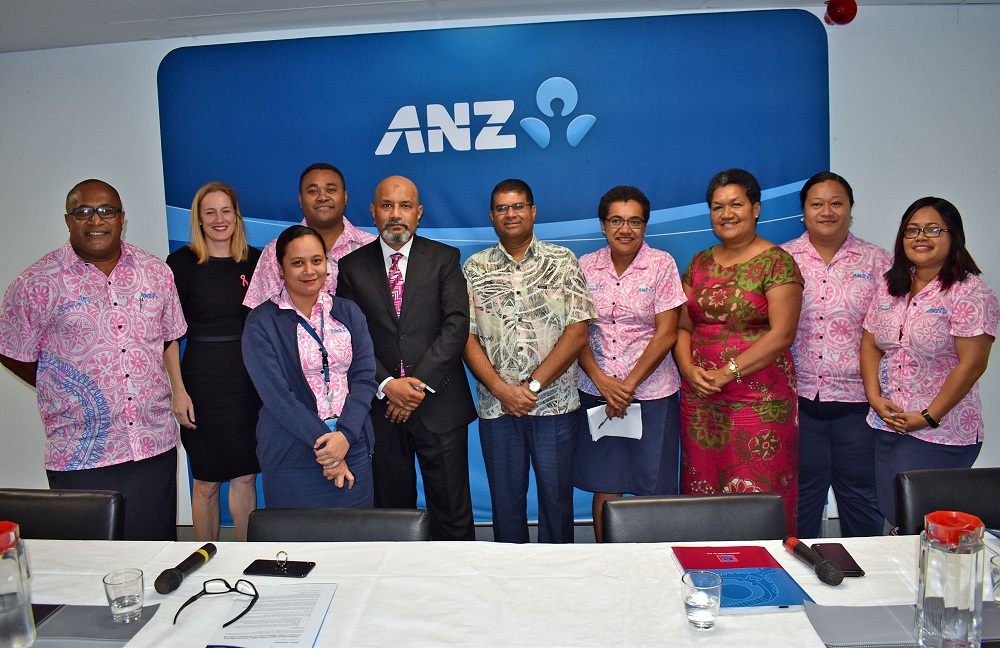
ANZ Regional Executive Tessa Price, second left, ANZ chief executive officer Saud Minam, Reserve Bank of Fiji governor Faizul Ariff Ali and RMIT University researcher Marica Tabualevu, third from right, with ANZ staff members during the 2019 Moneyminded Impact Report launch at the ANZ House in Suva on Tuesday, October 08, 2019. Picture: JONACANI LALAKOBAU
MoneyMinded is a comprehensive suite of financial education resources designed by ANZ to assist adults in building their money management skills, knowledge and confidence.
The partnership involves the accreditation of Live & Learn trainers to deliver MoneyMinded to their staff and community members in partnership with ANZ’s MoneyMinded facilitators.
And while the MoneyMinded has gained momentum, the partnership is targeted at strengthening women’s role in the economy at all levels in society.
ANZ Fiji country head, Saud Minam in a statement yesterday, stated the MoneyMinded facilitators would go through rigorous training to become accredited to the high standard expected of the program.
“We’re excited about this partnership that helps spread our program across Fiji even further thanks to Live & Learn’s extensive network,” he said.
“We’re committed to supporting the communities where we operate and we want to make a difference to the lives of all Fijians through increased awareness of the value of aspiring to achieve their goals through better spending habits and saving for their future,” Mr Minam said.
“In particular, we believe that by targeting women’s groups we have the opportunity to make a substantial difference.
“We’ve found that the women really stand out when empowered with the appropriate tools, exposure and training to take charge of their finances.”
Live & Learn executive director, Christian Nielsen, stressed the importance of economic empowerment of women in the Pacific and the development benefits from strengthening women’s role in the economy
“These benefits include equity in participation, governance, health, education and policy development,” he said.
“We are delighted to be working with ANZ in this pursuit and see great benefits to Pacific islanders from this partnership.”
According to ANZ, MoneyMinded has been delivered to more than 10,000 people across the Pacific since its initial launch in the region in 2010.
Live & Learn is a non-government organisation (NGO), who works with communities throughout Asia and the Pacific to design, implement and learn from community-based development projects.
The projects cover a number of thematic program areas including Water, Sanitation and Hygiene (WASH), sustainable use of biodiversity, environmental governance, natural resource-based conflict management and peace building, understanding climate change, sustainable energy options, community-based waste reduction and management, human rights and community disaster prevention and preparedness.