home / #LLEEFiji #AFFProject #CommunityEmpowerment
Resilient Communities
Nature based Solutions (NbS)
Climate resilience
Food preservation
Disaster Risk Reduction
Gender & Social Inclusion
Empowered communities
Resilient Communities
Nature based Solutions (NbS)
Climate resilience
Food preservation
Disaster Risk Reduction
Gender & Social Inclusion
Empowered communities
Collaborative drive for food security in rural communities
The Ministry of Agriculture and Waterways collaborates with the Live and Learn team to work in rural and informal settlements across Fiji. The partnership has seen a steady growth in community empowerment, especially in terms of enhancing knowledge on food security. Funding and support from the Australian Government’s Department of Foreign Affairs and Trade (DFAT) […]
Agriculture Ministry partners NGO to aid community
Live and Learn Fiji has joined forces with the Ministry of Agriculture to assist residents of Mataniborosisi Settlement in Lami in addressing the impacts of climate change. According to the non-governmental organization, the residents’ farming areas are being inundated with seawater during high tide due to coastal erosion and rising sea level. Live and Learn […]
The Ministry of Agriculture and Waterways and Live and Learn Fiji are spearheading the Atoll Food Futures program. It focuses on the strategic planting of Vetiver grass to counteract the adverse impacts of climate change on the environment. The initiative primarily targets informal settlements including Kilikali, Mataniborosisi, Waikerekere and Bilo along the Suva corridor where […]
Residents of Kilikali Settlement plant seedlings during a workshop as part of the project by Live & Learn on Wednesday. IVE & Learn Fiji is a non-government organisation that has a strong history of implementing water, sanitation and hygiene projects in our communities. But they have gone a step further to help two settlements in […]
Food security has taken center stage in the efforts of the non-governmental organization Live and Learn, particularly in informal settlements across Fiji. Under the Atoll Food Futures program, Live and Learn has extended its support to five informal settlements, with the most recent addition being the Bilo Settlement located in Lami, just outside Suva. Project […]
The Ministry of Agriculture and Waterways collaborates with the Live and Learn team to work in rural and informal settlements across Fiji.
The partnership has seen a steady growth in community empowerment, especially in terms of enhancing knowledge on food security.
Funding and support from the Australian Government’s Department of Foreign Affairs and Trade (DFAT) are currently facilitating the planting of over 210 fruit trees in Kilikali, Mataniborosisi, Waikerekere, and Bilo settlements.
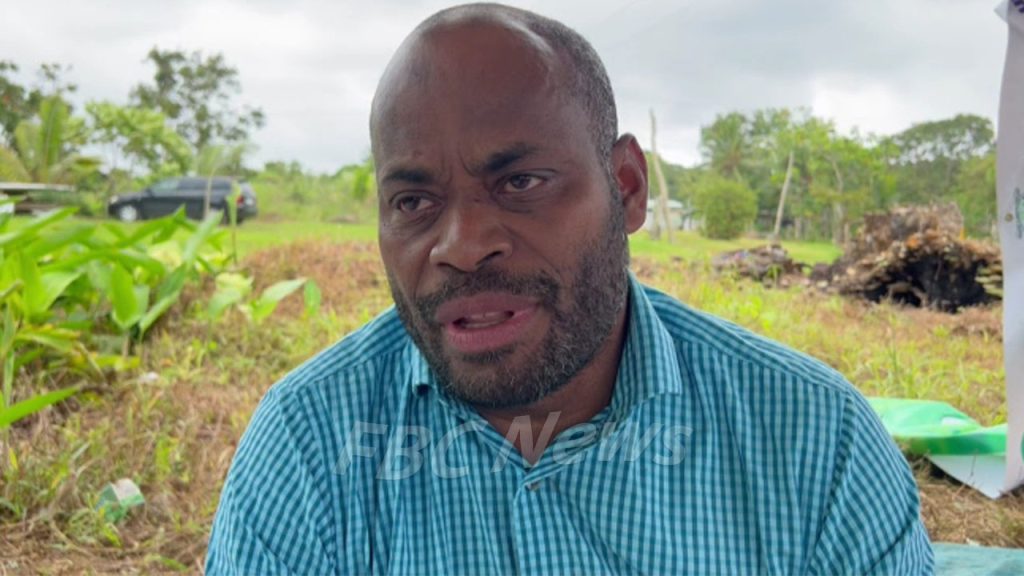
Live and Learn Food Security Coordinator, Ponijese Korovulavula says that these are vulnerable communities that often miss out on the developments happening in the formal settlements.
He says that so much work and effort has gone into raising the standards for those living in the informal settlements helping these communities realize their potential in growing their own food.
Korovulavula says that this initiative is also an opportunity to maximize the available land space they have and also raise awareness and advocate on the importance of proper land use.
Community members express gratitude for the assistance and affirm their commitment to continue cultivating healthy fruits and vegetables for their families.
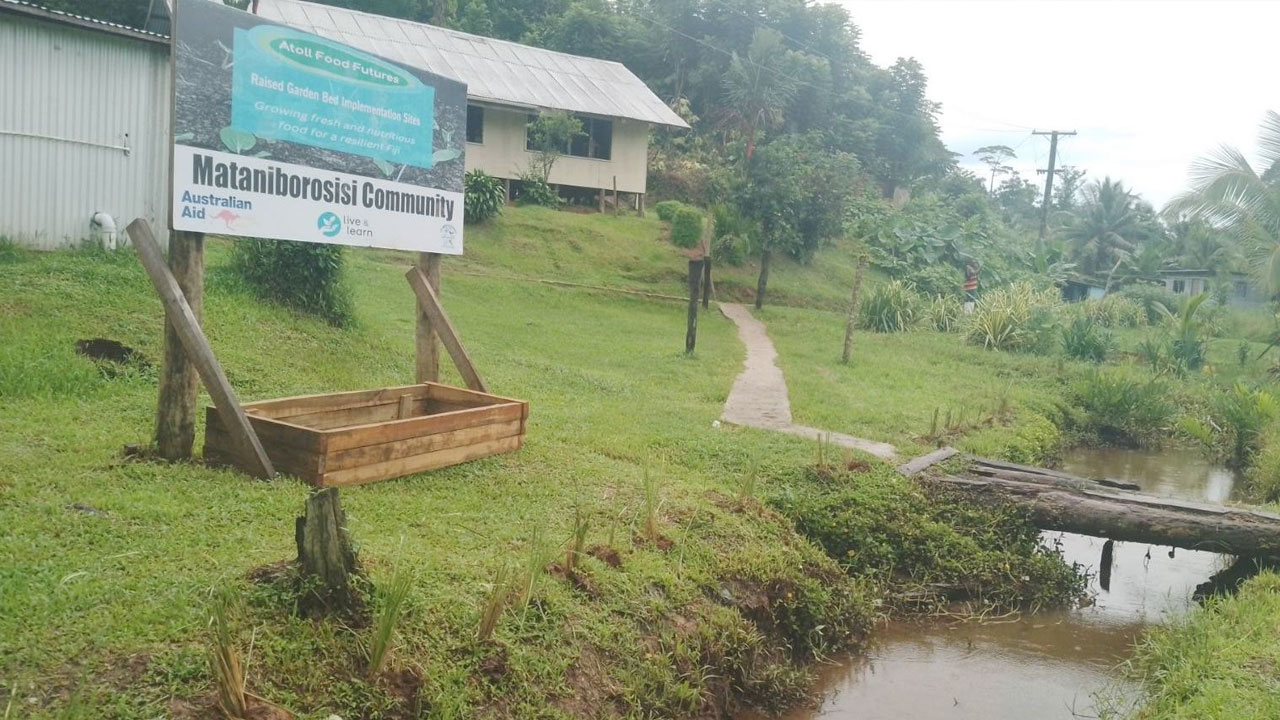
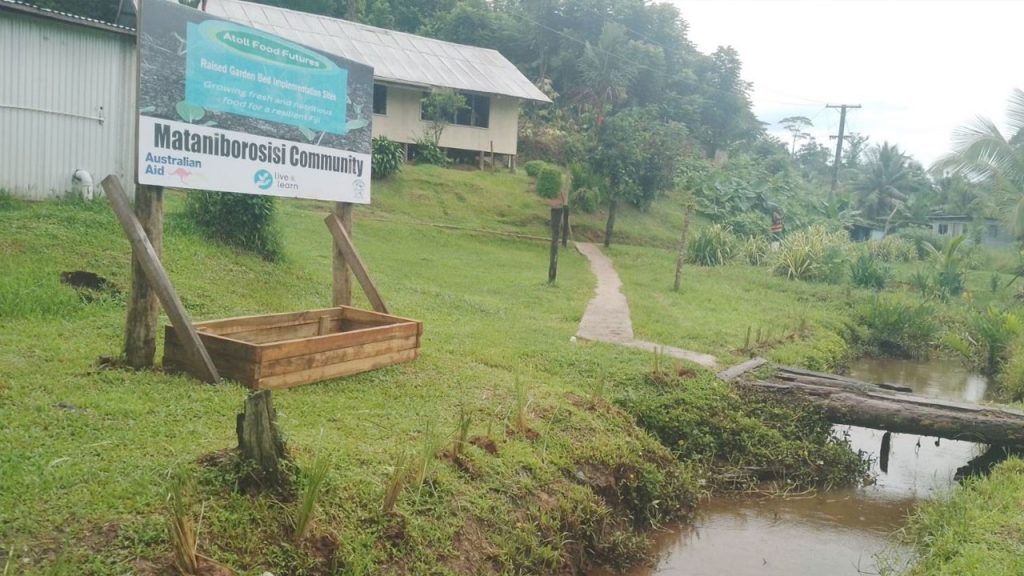
Live and Learn Fiji has joined forces with the Ministry of Agriculture to assist residents of Mataniborosisi Settlement in Lami in addressing the impacts of climate change.
According to the non-governmental organization, the residents’ farming areas are being inundated with seawater during high tide due to coastal erosion and rising sea level.
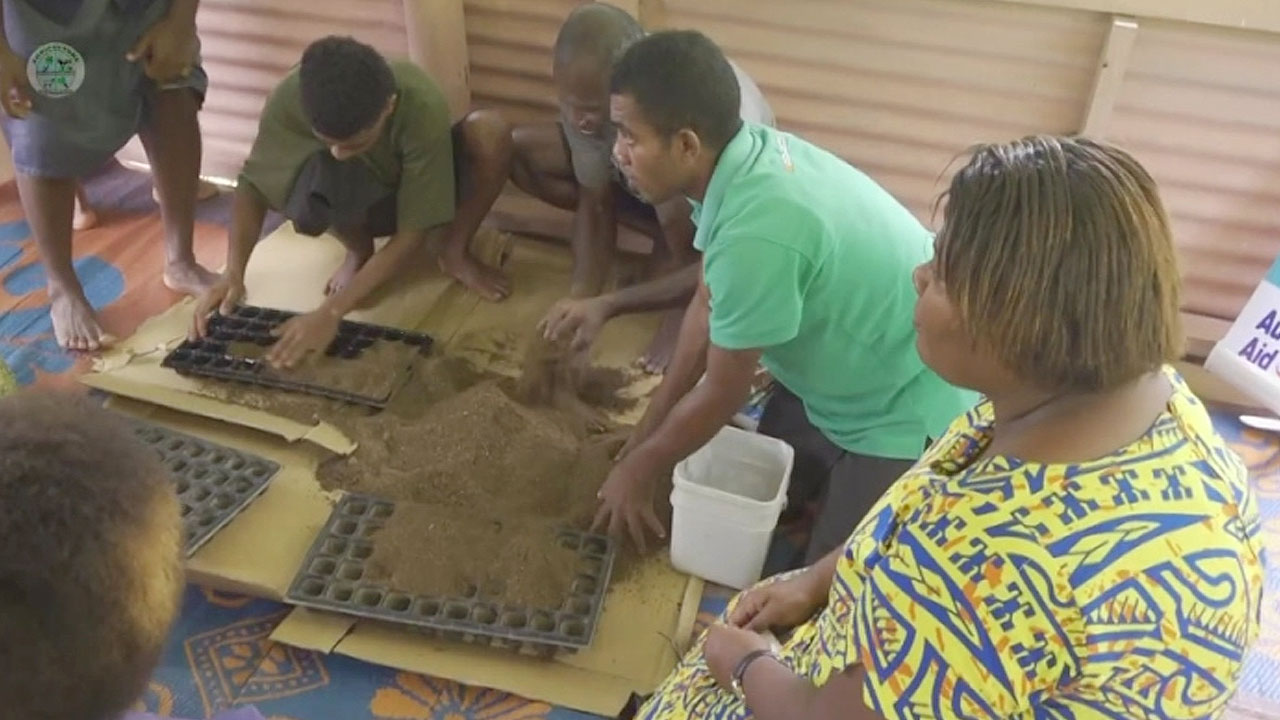
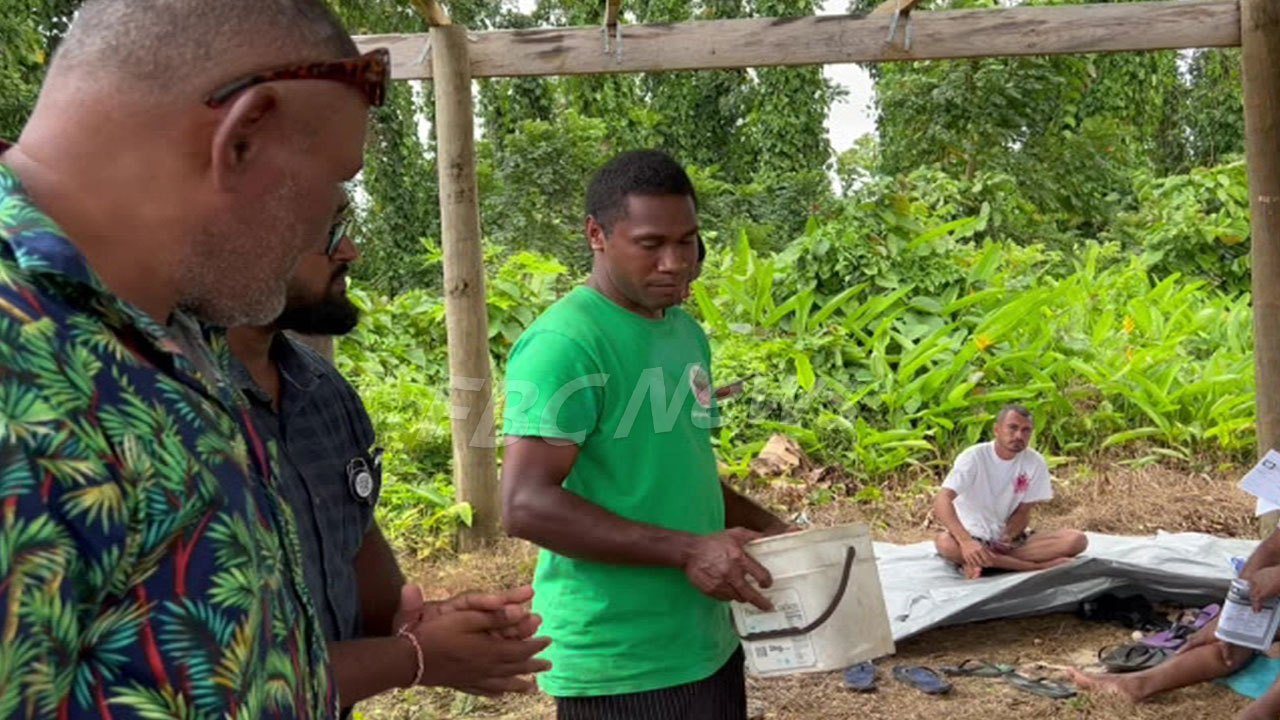
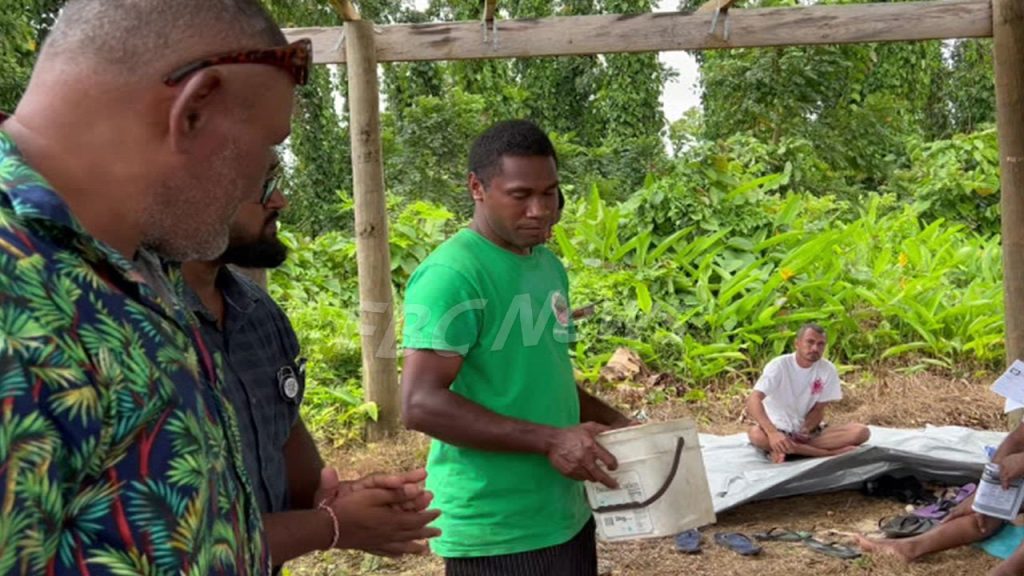
Live and Learn Food Security Coordinator Ponijese Korovulavula says a joint workshop between the organization and the Agriculture Ministry was held for residents on recycling and reuse of constructed goods, seed rearing, and sound agricultural practices to help them protect their land and resources from the impacts of climate change.
The Ministry of Agriculture and Waterways and Live and Learn Fiji are spearheading the Atoll Food Futures program.
It focuses on the strategic planting of Vetiver grass to counteract the adverse impacts of climate change on the environment.
The initiative primarily targets informal settlements including Kilikali, Mataniborosisi, Waikerekere and Bilo along the Suva corridor where communities deal with numerous challenges stemming from erratic weather patterns.
The Ministry’s land use section is at the forefront of efforts to address soil erosion and stabilization.
Utilizing Vetiver grass known for its ability to form dense narrow edges when planted closely, the approach has proven effective in controlling soil erosion and stabilizing watercourses.
Originally developed over 50 years ago for Fiji’s sugar industry, the use of Vetiver grass has become a standard practice for soil and water conservation, particularly in small-scale farming and residential compounds.
Vetiver grass finds widespread application across Fiji from reinforcing road embankments to stabilizing stream banks and contour hedges in farmland.
Farmers routinely employ Vetiver to fortify farm roads, regulate runoff water and shield vegetable crops from erosion.
Acknowledging climate change as an enduring natural occurrence, the collaboration highlights the necessity of nature-based solutions such as Vetiver grass to combat its effects.
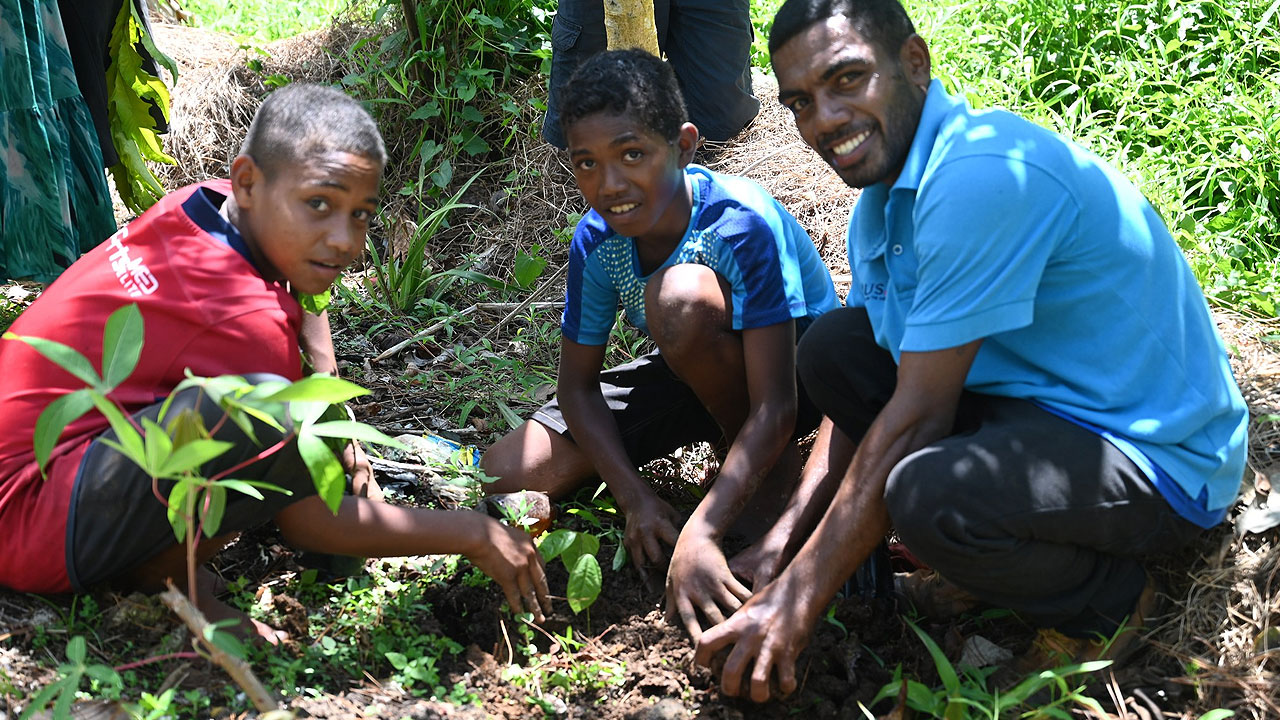
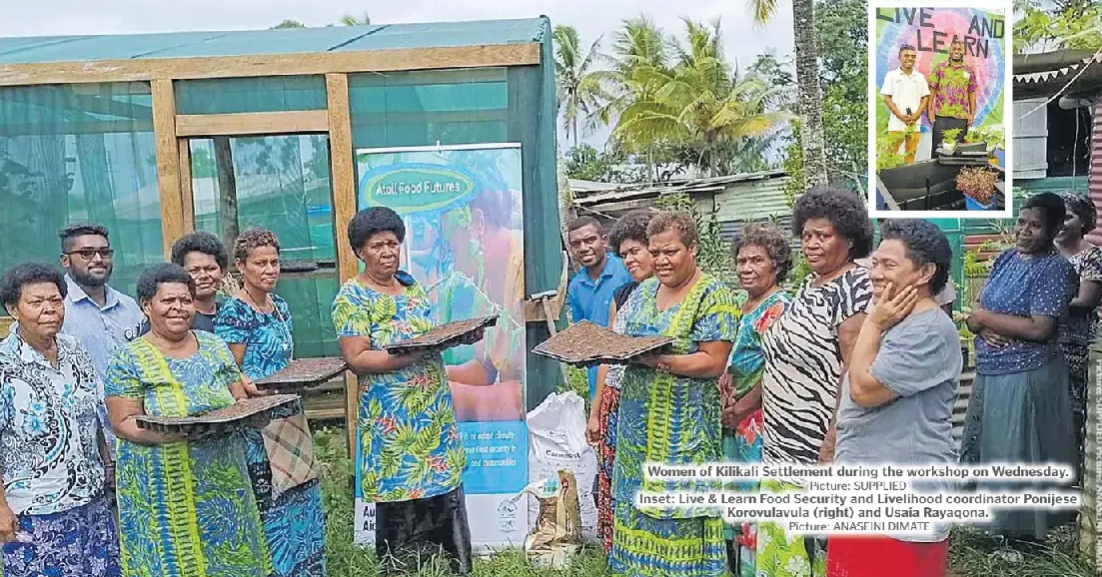
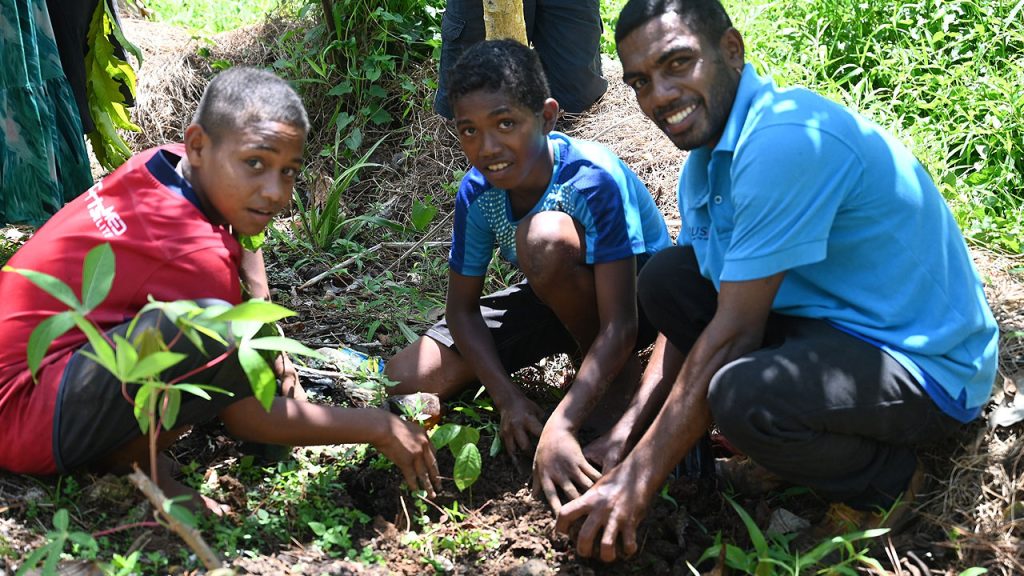
Residents of Kilikali Settlement plant seedlings during a workshop as part of the project by Live & Learn on Wednesday.
IVE & Learn Fiji is a non-government organisation that has a strong history of implementing water, sanitation and hygiene projects in our communities. But they have gone a step further to help two settlements in Fiji grow their own food even though they do not own land.
Humbled to be part of the World Food Day and National Agriculture Show at the Vodafone Arena last week, the organisation works in collaboration with the Ministry of Agriculture and Waterways Fiji by supporting informal settlements in the country.
Demonstrating the purpose and the use of the raised garden bed at the Agriculture show, Live & Learn food security and livelihood coordinator Ponijese Korovulavula said with the support they receive from the Australian Government, they were able to pilot this project into informal settlements as most people living in these communities do not have land ownerships.
Mr Korovulavula said the project is called Atoll Food Futures program and its main concept is to help people living in informal settlements plant, store, grow and keep their plants. It is funded by the Australian Government Department of Foreign Affairs and Trade and implemented by Live & Learn.
The project works with community members across three countries (Fiji, Kiribati and Tuvalu) to improve the production of fresh, locally grown produce. It is designed to empower people to grow fresh healthy produce at home, through skill building, agriculture training and also by sharing indigenous knowledge surrounding home gardening and food preservation.
“We have encouraged communities to plant shallow rooted crops as it doesn’t consume a lot of water and nutrients.
This food cubes doesn’t come in land or farm sizes but people can use it as a source of food security.”
Mr Korovulavula said they are impressed by what most communities have done so far.
“Most people in the communities we’ve introduced the project to have developed an advanced way by planting seeds in the food cubes and later transferring it into other containers,” he said.
According to Mr Korovulavula, informal settlements are the ones that suffered the most from non-communicable diseases (NCDs) and this project is something Live & Learn has brought about to help reduce this issue.
“We thank the Australian Government for funding and giving us the opportunity to reach out to these informal settlements, even though they have no land ownership, this concept is a way to help them in the future.”
Mr Korovulavula added for their food cubes concept they’ve supported settlements like Kilikali in Nadawa and Waikerekere outside Lami Town. Live & Learn is committed to work with vulnerable communities to improve food and nutrition security.
Food security has taken center stage in the efforts of the non-governmental organization Live and Learn, particularly in informal settlements across Fiji.
Under the Atoll Food Futures program, Live and Learn has extended its support to five informal settlements, with the most recent addition being the Bilo Settlement located in Lami, just outside Suva.
Project Manager Ponijese Korovulavula points out that informal settlements are home to many vulnerable populations, and they face numerous challenges, including limited access to fresh and nutritious food and the impacts of climate change.
“We are training them on how to be smart in terms of planting and also for our training we have included how they raise seedlings because most of them for the training, they does not have access to it because they have been isolated.”
Korovulavula explains that the decision to focus on informal settlements comes from the understanding that these communities are often overlooked in vital community development initiatives. The goal is to bridge this gap and empower communities to achieve food security and address the challenges posed by climate change.
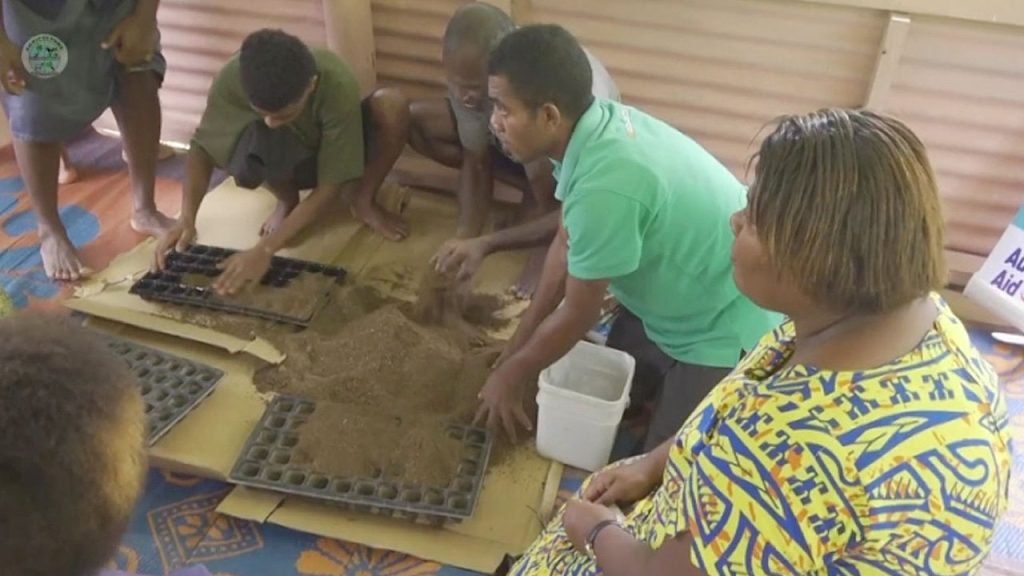
By collaborating closely with the Ministry of Agriculture, the Australian government-funded project under Live and Learn has provided essential training in seed raising, good agricultural practices, seed extraction, and seed saving.
These initiatives are designed to equip residents with the knowledge and tools needed to sustain their food sources.