#LLEEFiji #Inclusion

Resilient Communities

Nature based Solutions (NbS)

Climate resilience

Food preservation

Disaster Risk Reduction

Gender & Social Inclusion

Empowered communities

Resilient Communities

Nature based Solutions (NbS)

Climate resilience

Food preservation

Disaster Risk Reduction

Gender & Social Inclusion

Empowered communities

50% of Fiji’s Infrastructure Lacks Disability Access

About 50 per cent of infrastructure and building projects in Fiji lack accessibility for persons living with disabilities, it has been revealed. This information came to light during a disability inclusion training organised by the Fiji Disabled Peoples Federation (FDPF) and Australian Humanitarian Partnership (AHP) for the Live and Learn Fiji staff. The training took […]

Read More
Cabinet approves team

Cabinet has approved the formation of a National Emergency Response Team. National Disaster Management Office (NDMO) director Vasiti Soko confirmed this while delivering her closing remarks at a five-day emergency operation centre training at the Fiji Teachers Union Hall on Friday. “This is nothing new in the disaster space globally,” she said. “Solomon Islands is […]

Read More
78 families residing in Newtown Hart receive assistance from Live and Learn Fiji

78 families living at the Newtown Hart in Suva have received assistance packages from the Live and Learn Fiji organisation. The assistance is funded by the New Zealand Ministry of Foreign Affairs and Trade. Each family received food ration packs, hygiene and washing kits. One of the recipients was 67-year-old Sera Mataika Ratu and her […]

Read More
Fiji: Food security projects give remote island communities long-term disaster resilience – UNDP

 Remote island communities in Fiji’s Yasawa Islands will be better prepared to have food supplies in times of disaster, even if their crops are destroyed. A new Food Bank project will help villages have a ready supply of food and water, with risk-resilient crops and farming techniques being introduced to help the communities become more […]

Read More

50% of Fiji’s Infrastructure Lacks Disability Access

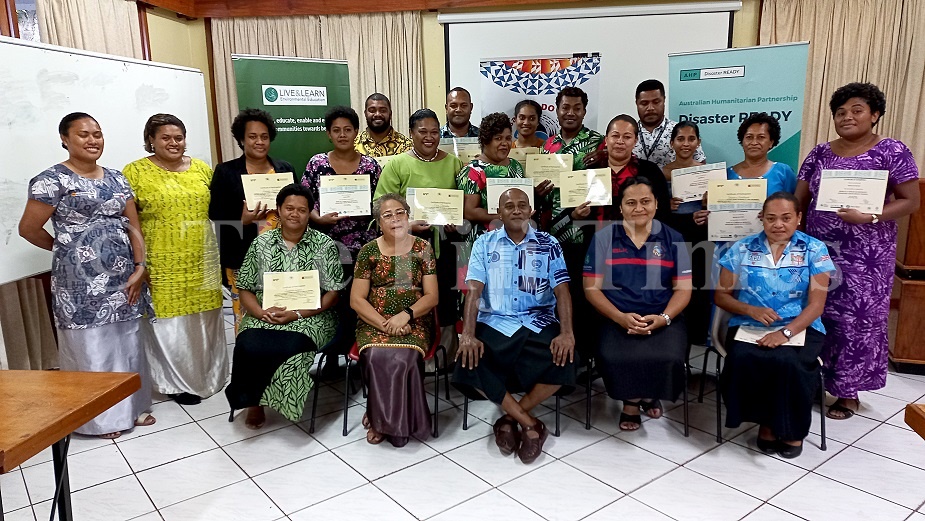
About 50 per cent of infrastructure and building projects in Fiji lack accessibility for persons living with disabilities, it has been revealed.

This information came to light during a disability inclusion training organised by the Fiji Disabled Peoples Federation (FDPF) and Australian Humanitarian Partnership (AHP) for the Live and Learn Fiji staff.

The training took place at the Friendly North Inn in Labasa yesterday.

Live and Learn Fiji’s gender and resilience officer, Joseva Ravula, said to address this growing concern, there was a plan in place to conduct a disability access audit.

“We are working with the FDPF on how to facilitate the audit and collaborate with relevant stakeholders to create accessible environments for persons living with disabilities,” Mr Ravula said.

He added that following the training, they would be in a better position to begin working on the audit.

Fiji Disabled Peoples Federation (FDPF) representative, Jay Nasilasila, said the access audit was a process, and an assessment would be conducted on physical infrastructure and the environment.

“We hope that all institutions and service providers will also ensure accessibility for persons living with disabilities,” Mr Nasilasila said.

“We identified the need for this audit during a workshop in Suva, as we have observed that public spaces in Fiji still require some adjustments.”

He said the access audit is not about removing infrastructure or projects, but rather about finding ways to adjust or modify them to allow access for persons living with disabilities.

Source: Fiji Sun

Cabinet approves team

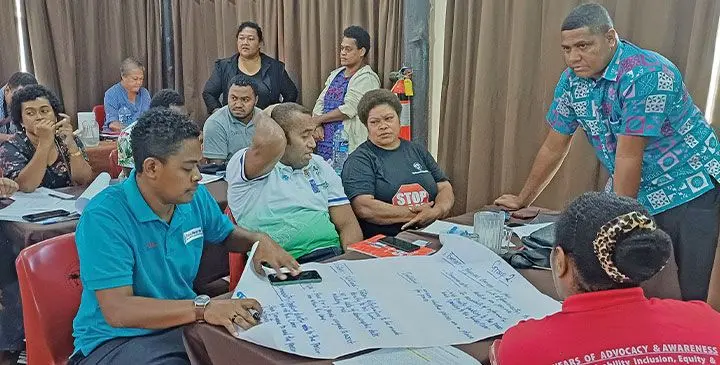
Cabinet has approved the formation of a National Emergency Response Team. National Disaster Management Office (NDMO) director Vasiti Soko confirmed this while delivering her closing remarks at a five-day emergency operation centre training at the Fiji Teachers Union Hall on Friday.

“This is nothing new in the disaster space globally,” she said. “Solomon Islands is the first country in the Pacific to form a National Emergency Response Team. It’s also looking at ensuring that when you are deployed, you are deployed understanding humanitarian principles. You understand the different classes that exist within you, understand the logistic plan, how to prepare well for response. All of these small things, we take for granted but they really do save lives.”

She said decision makers relied heavily on the information that came from the Emergency Operation Centres (EOCs) during disasters. “Everything is so important because as decision makers, we rely on the information that comes from you.

“So how you operate in emergency operation centers, how you work as a team, how you ensure that information is correct and verified, that comes from the district, to the divisional, to national.

“Those processes are very important to be followed because any delays between may cost a life,” she said.

The training program was organised by Live and Learn Fiji, a recipient of Australian Government funding through the Australian Humanitarian Partnership’s Disaster Ready 2.0 program.

It was attended by representatives from the Ministry of Rural Development and Maritime and National Disaster Management, as well as other government ministries.

Source: Fiji Times

Date: 07/05/2023

78 families residing in Newtown Hart receive assistance from Live and Learn Fiji

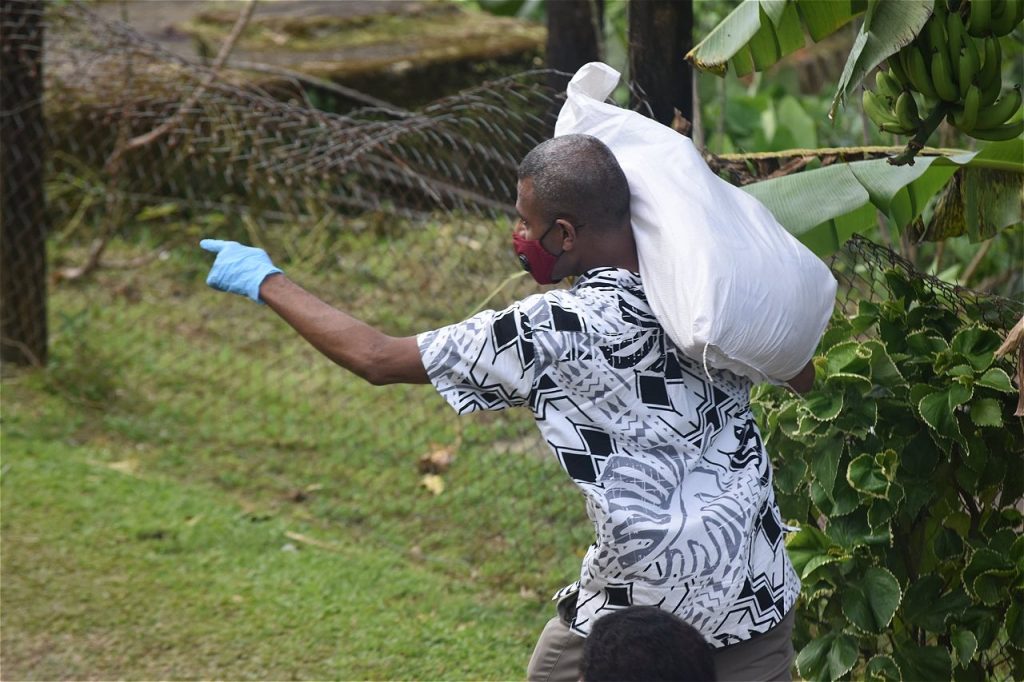
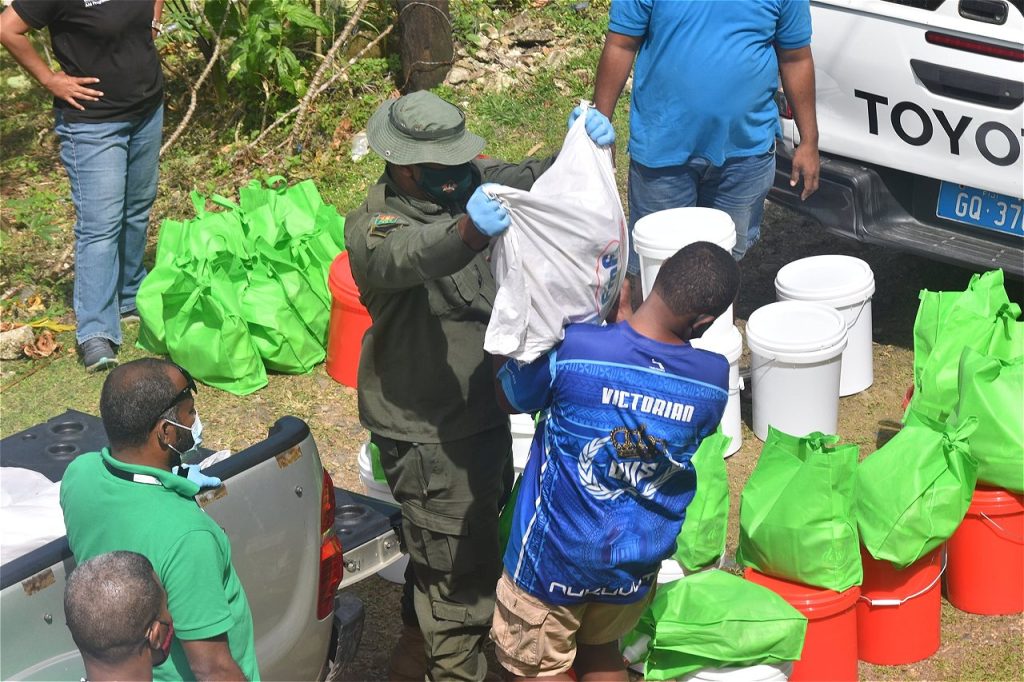
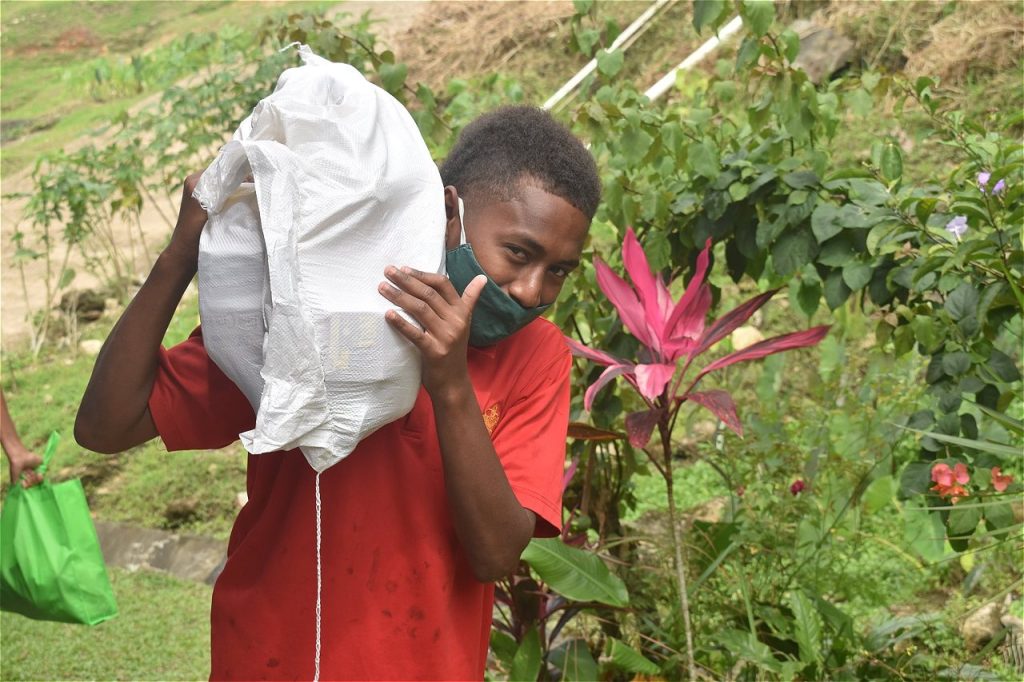
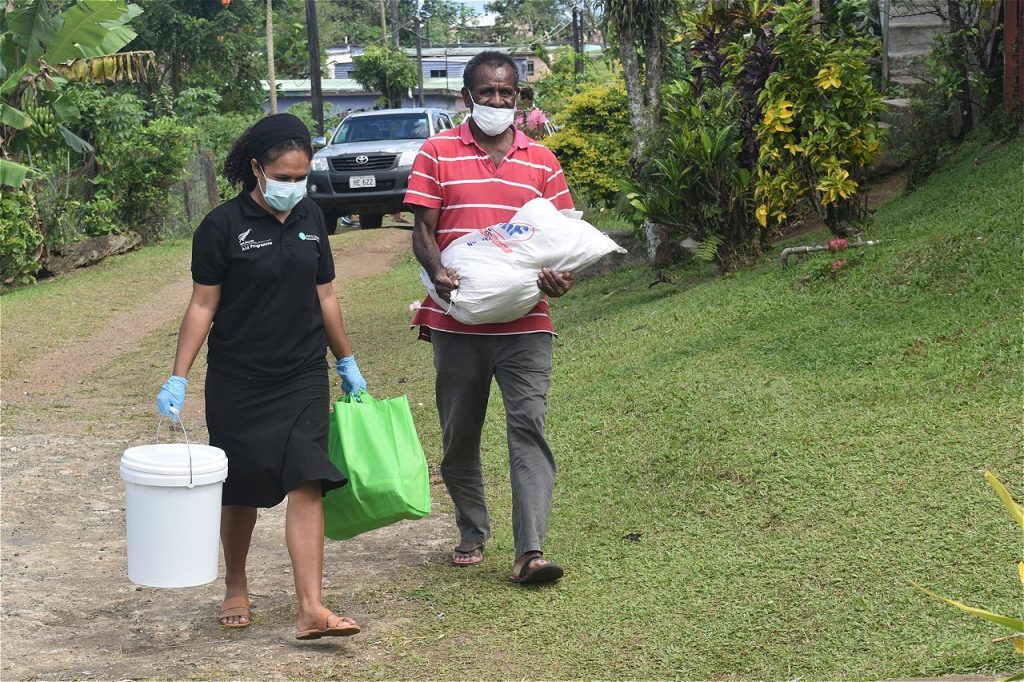
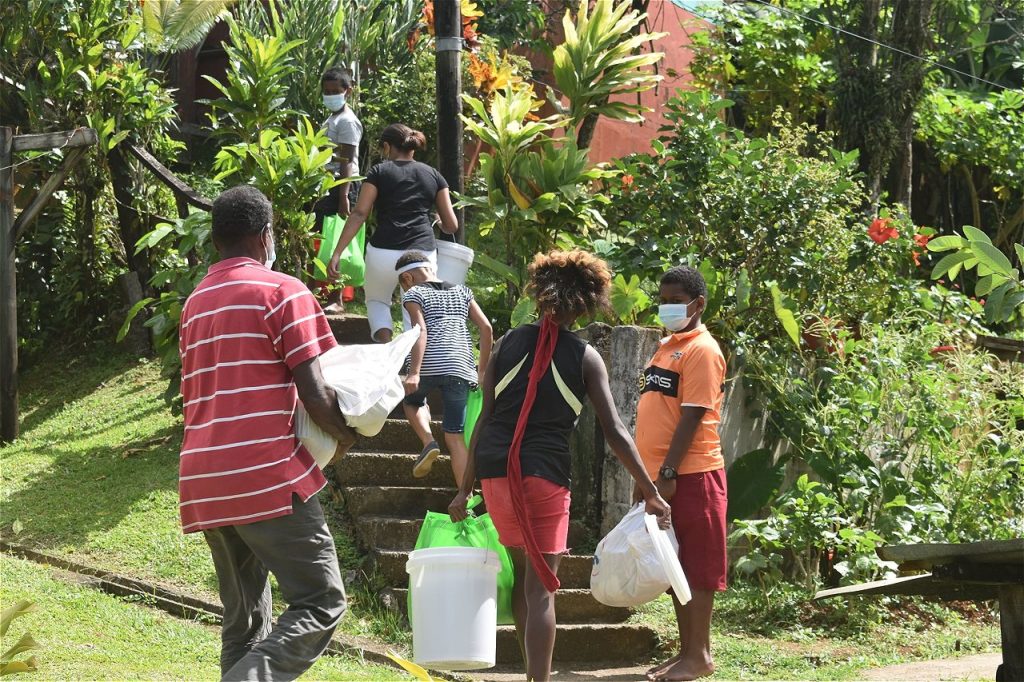
78 families living at the Newtown Hart in Suva have received assistance packages from the Live and Learn Fiji organisation.

The assistance is funded by the New Zealand Ministry of Foreign Affairs and Trade.

Each family received food ration packs, hygiene and washing kits.

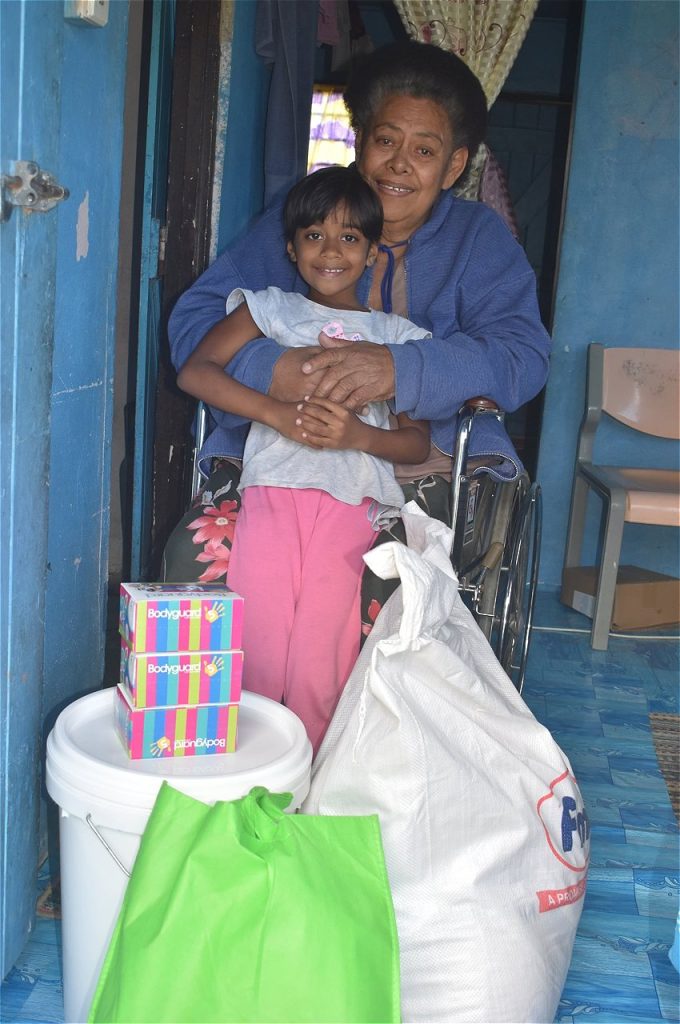
One of the recipients was 67-year-old Sera Mataika Ratu and her 8-year-old granddaughter.

The Social Welfare beneficiary who is wheelchair-bound was emotional when receiving the assistance and says it has brought relief to them in this unfortunate time.

Ratu says they are thankful to Live and Learn and its partners for responding to their needs.

The initiative is in collaboration with the Ministry of Agriculture, the Ministry of Health, the RFMF, Empower Pacific and the Fiji Disabled People’s Federation

Source: FijiVillage

Date: 01/09/2021

Fiji: Food security projects give remote island communities long-term disaster resilience – UNDP

 Remote island communities in Fiji’s Yasawa Islands will be better prepared to have food supplies in times of disaster, even if their crops are destroyed.

A new Food Bank project will help villages have a ready supply of food and water, with risk-resilient crops and farming techniques being introduced to help the communities become more resilient to climate change and disasters.

This initiative is the result of a partnership with Vinaka Fiji and Commissioner Western’s Office, with support from the Pacific Risk Resilience Programme (PRRP) and its implementing partner Live and Learn Environmental Education (LLEE). PRRP will also support Fiji’s Department of Agriculture to provide agriculture training on resilient crops and food storage, including traditional knowledge approaches.

Seven villages in the Yasawas will be targeted over 2015 for the Food Bank initiative, explained PRRP Local Coordinator for Live and Learn, Lanieta Tokalauvere. This will include crop planting and storage so there is food during a disaster period, plus raising funds for post-disaster recovery.

“The Food Bank starts in Soso and Kese villages of Naviti Island, with committees and ‘Knowledge Hubs’ already in place,” Mrs Tokalauvere said.

“Community members are now clearing the land to prepare it for planting.”

“Knowledge Hubs comprise local volunteers committed to helping people share information and expertise, so residents can be trained and empowered across a range of topics including planting and crop selection, building, and financial management,” she said.

PRRP has assisted Vinaka Fiji in forming the Food Bank, according to Elanoa Vakabunoya Nimacere, Operations Manager for Vinaka Fiji, which is the volunteer programme for South Sea Cruises.

Vinaka Fiji coordinates a volunteer programme to provide basic needs such as fresh water, nutrition, power supply and education to 15 remote communities in the Yasawa Islands.

“Vinaka Fiji is involved in many partnerships with government, with the likes of PRRP, the community and NGOs as we all have a common goal: to assist local communities,” Ms Nimacere said.

“We encourage partnerships like this between the public and private sectors, that look at all aspects of food security and even financial planning, to help people make informed decisions about the Food Bank and all the ways it can help them prepare for a disaster.”

“At the end of the year, when the planting is done, and if there have been no disasters, the money can be banked and stored as an Emergency Fund for use during any future disasters.”
Planning ahead for such potential climate change and disaster related-risks is central to the work of the PRRP, which focuses on how communities, governments, and the private sector can all work together to help build resilience, by embedding risk into planning processes across all levels of governance.

“It’s a real honour for PRRP to partner with Vinaka Fiji, and its private sector partners, given the great work they’ve been doing recently in partnership with the Government in the Yasawa Islands,” says Programme Manager for PRRP, Moortaza Jiwanji.

“The Pacific Risk Resilience Programme aims to strengthen the resilience of Pacific island communities to disasters and climate change related risks. So it makes sense for us to work remotely in the Yasawa Islands, with people who are typically hardest hit by disasters and climate change,” says Mr Jiwanji.

Mr Jiwanji explains PRRP is about more than just helping communities in the short term.

“Food Banks, Knowledge Hubs, financial planning, agricultural training and other aspects of this partnership are very effective initiatives to help Fijian communities become more prepared for the impact of natural disasters and climate change,” he said.

“But there also needs to be a strong planning and governance structure in place to make sure these strategies will be sustainable. Climate change and disaster risk reduction impacts all development in the Pacific, ranging from economics to infrastructure, and so it influences almost every decision made by community, government, local agency or private sector operators,” Mr Jiwanji says.

PRRP works with Pacific Island nations and their people to think about the risks they may face from climate change and disasters when they are making their usual plans for development. Communities can become more resilient to climate change and disasters if routine government, community and other planning takes these risks into account. This risk governance approach is implemented by the United Nations Development Programme (UNDP) and international non-governmental organization Live and Learn Environmental Education (LLEE) and supported by the Australian Government’s Department of Foreign Affairs and Trade (DFAT). PRRP is being delivered in four countries: Fiji, Solomon Islands, Tonga and Vanuatu.

For more information, please contact:
Sheryl Ho, UNDP Knowledge Communications Analyst, tel: (679) 322-7504 or email:sheryl.ho@undp.org

Date: 16/07/2021