Resilience

Resilient Communities

Nature based Solutions (NbS)

Climate resilience

Food preservation

Disaster Risk Reduction

Gender & Social Inclusion

Empowered communities

Resilient Communities

Nature based Solutions (NbS)

Climate resilience

Food preservation

Disaster Risk Reduction

Gender & Social Inclusion

Empowered communities

Fiji’s northern communities assured of NZ’s commitment to climate resilient program

New Zealand’s second secretary Constance Minett has assured northern communities of their government’s commitment to the newly-launched Climate Resilient Islands Program. The program, launched in Labasa this morning, will be spearheaded by the Live and Learn team targeting six villages on Vanua Levu – Dreketi, Naiqaqi, Valeni in Cakaudrove, Vitina, Naibulu and Nawailevu in the […]

Read More
NZ to provide further support to CSOs to assist affected families in Fiji

The New Zealand High Commissioner to Fiji Jonathan Curr has announced that they will continue to support civil society organizations to assist vulnerable families in Fiji during the COVID-19 outbreak. This follows the announcement by the New Zealand Minister for Foreign Affairs Nanaia Mahuta in June that they will provide up to $7 million to […]

Read More
78 families residing in Newtown Hart receive assistance from Live and Learn Fiji

78 families living at the Newtown Hart in Suva have received assistance packages from the Live and Learn Fiji organisation. The assistance is funded by the New Zealand Ministry of Foreign Affairs and Trade. Each family received food ration packs, hygiene and washing kits. One of the recipients was 67-year-old Sera Mataika Ratu and her […]

Read More
UN CERF Supports IOM Response to Tropical Cyclone Harold Devastation in Fiji

Date: 13 November 2020 Tropical Cyclone Harold caused extensive destruction after making landfall as a category 4 storm in the Republic of Fiji on 8 April 2020. Since then, International Organization for Migration’s partnership with the Fijian NGO Live and Learn has supported the ongoing rebuilding efforts by responding to the shelter needs of some […]

Read More
Report: MoneyMinded program significantly strengthened financial knowledge

AN independent impact evaluation report of MoneyMinded, ANZ’s financial inclusion program, has found the program significantly strengthened participants’ financial knowledge, skills and capabilities. According to the findings of the study, 96 per cent of the respondents reported the MoneyMinded program had improved their financial wellbeing – meaning their ability to meet financial commitments, feel financially […]

Read More
Bid for savings culture

A LEADING bank in Fiji has announced its partnership with a dynamic learning network of locally registered organisations operating in the Pacific to deliver its flagship financial literacy program. The ANZ Bank in Fiji has partnered with Live & Learn to deliver ANZ’s flagship financial literacy program, MoneyMinded, to drive a savings culture in communities […]

Read More
Fiji: Food security projects give remote island communities long-term disaster resilience – UNDP

 Remote island communities in Fiji’s Yasawa Islands will be better prepared to have food supplies in times of disaster, even if their crops are destroyed. A new Food Bank project will help villages have a ready supply of food and water, with risk-resilient crops and farming techniques being introduced to help the communities become more […]

Read More
Students spread peace and goodwill

AS many as 51 students from 12 schools in Lautoka are spreading peace and goodwill in the community. The project, an initiative of NGO Live and Learn’s environmental education, involves students spending two days beautifying Lautoka Hospital’s children’s ward. They also painted the veranda and tables and helped with the installation of a peace garden. […]

Read More

Fiji’s northern communities assured of NZ’s commitment to climate resilient program

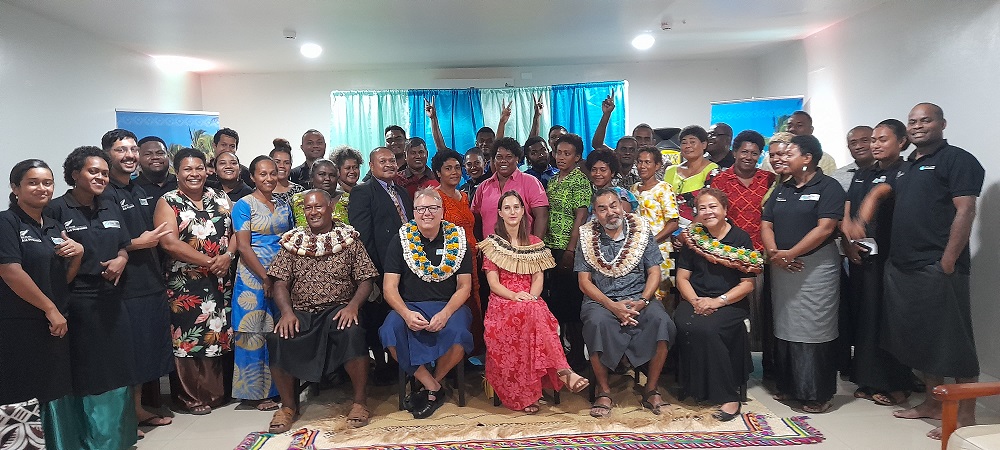
New Zealand’s second secretary Constance Minett has assured northern communities of their government’s commitment to the newly-launched Climate Resilient Islands Program.

The program, launched in Labasa this morning, will be spearheaded by the Live and Learn team targeting six villages on Vanua Levu – Dreketi, Naiqaqi, Valeni in Cakaudrove, Vitina, Naibulu and Nawailevu in the two provinces of Macuata and Bua.

Ms Minett said climate change issues had been discussed many times in the Pacific and such commitment from her government proved they were serious about helping locals.

Live and Learn executive Christian Nielsen thanked the communities for working with his team.

Source: FijiTimes

NZ to provide further support to CSOs to assist affected families in Fiji

The New Zealand High Commissioner to Fiji Jonathan Curr has announced that they will continue to support civil society organizations to assist vulnerable families in Fiji during the COVID-19 outbreak.

This follows the announcement by the New Zealand Minister for Foreign Affairs Nanaia Mahuta in June that they will provide up to $7 million to local CSOs.

The six civil society organisations are Empower Pacific, Frank Hilton Organisation, FRIEND Fiji, Live and Learn Fiji, Pacific Disability Forum and the Sai Prema Foundation.

Curr says they will be scaling up assistance in communities through the provision of food rations, psycho-social support, personal protective equipment, improvement of nutrition, health, hygiene and sanitation, improved food security, medical support, capacity building and sustainable livelihoods.

He says the target beneficiaries include children, female-headed families and people with disabilities who stand to be most affected by the social, economic and health impacts of the pandemic.

Curr says they have worked with CSOs to support social inclusion and provide tangible assistance to the many households impacted by COVID-19 and they are delighted to extend the partnership.

He adds these organisations have strong networks at a grassroots level and their community-driven approach has helped them identify and respond to needs effectively.

Curr says the CSO partners will be supporting families Fiji-wide however there will be a strong focus on delivering assistance to affected communities in the Central and Western Divisions.

Source: FijiVillage

Date: 19/08/2021

78 families residing in Newtown Hart receive assistance from Live and Learn Fiji

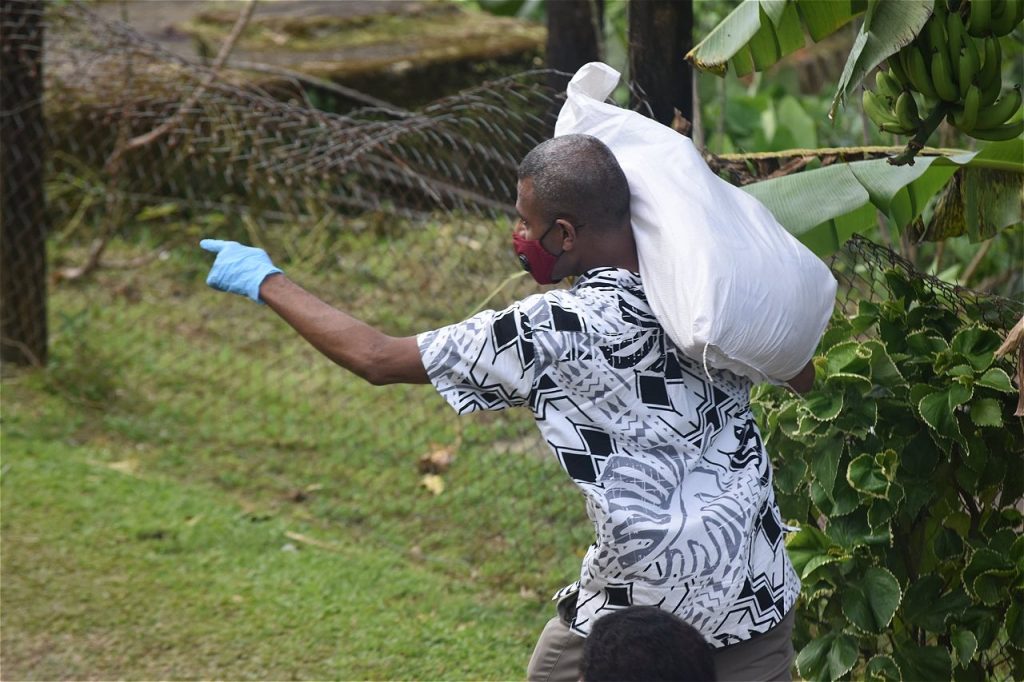
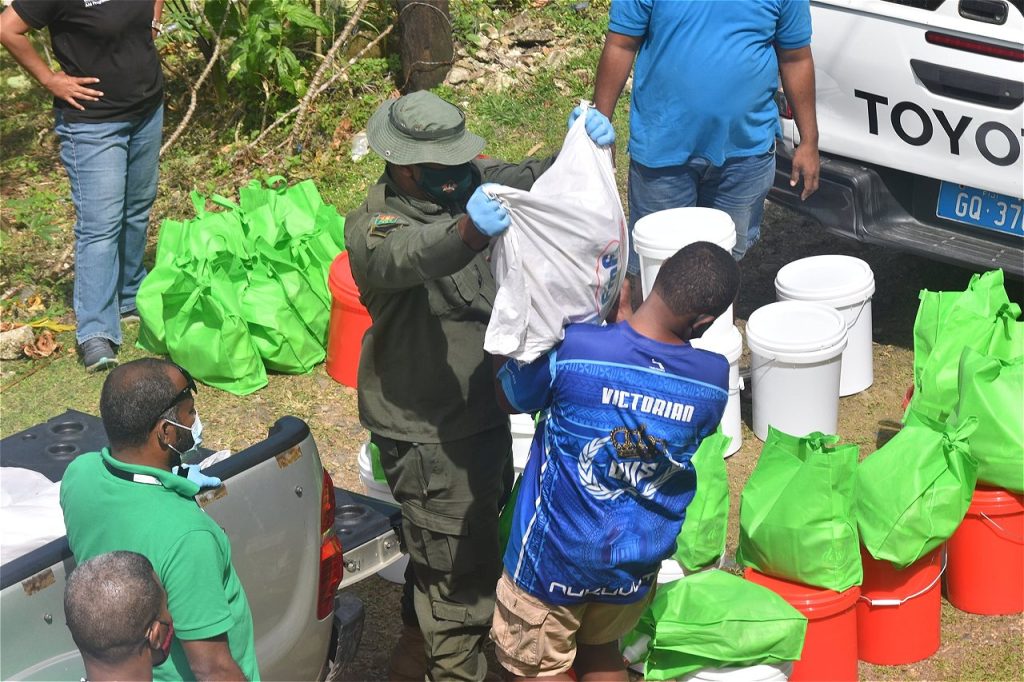
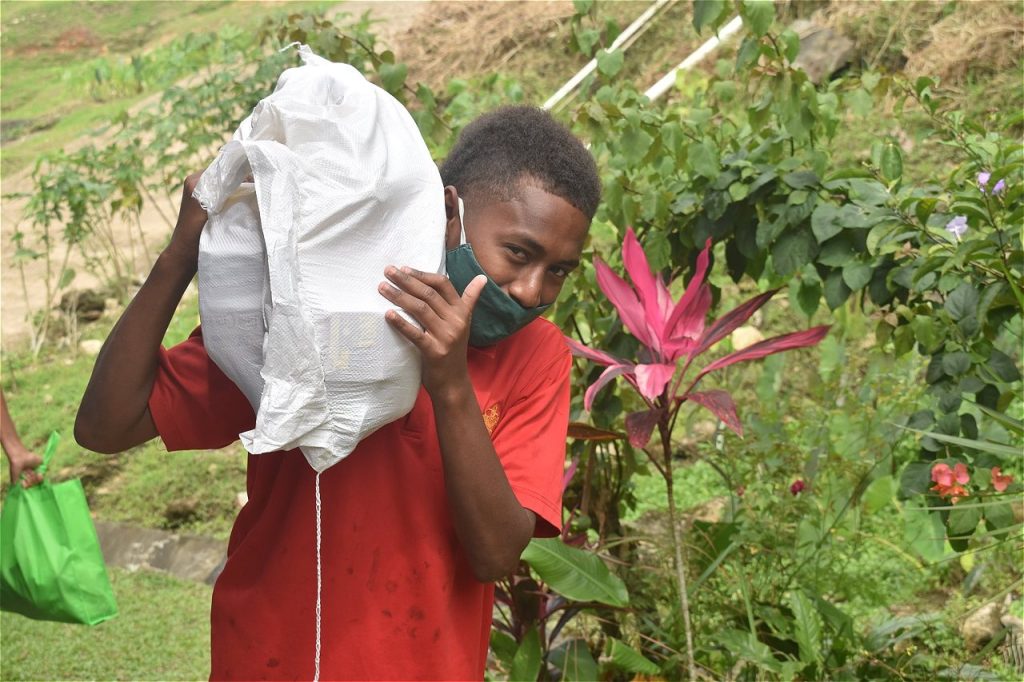
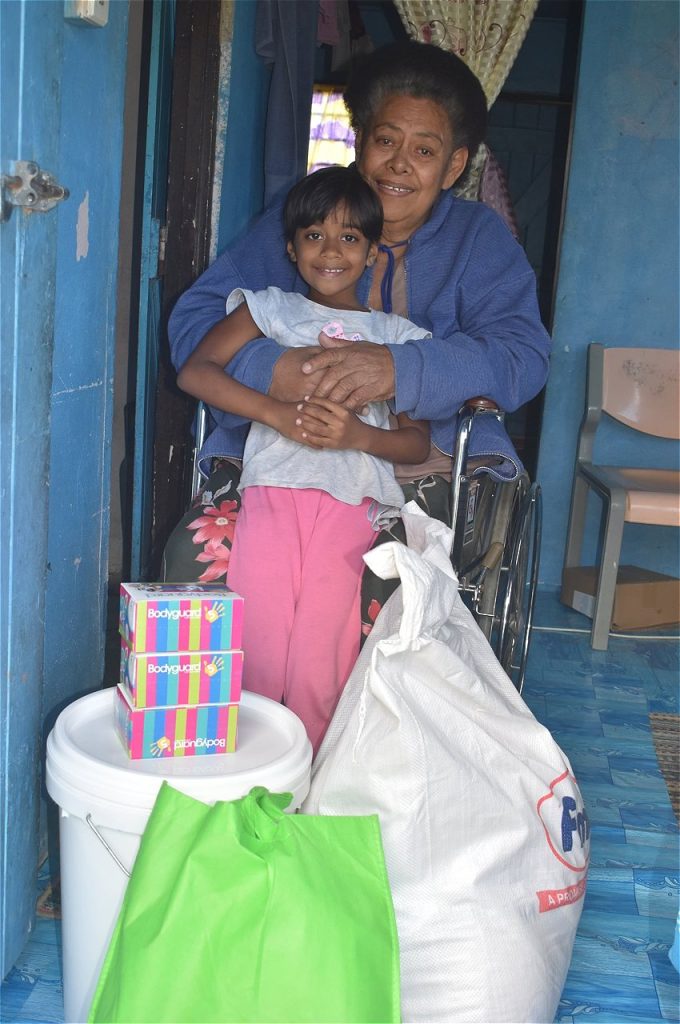
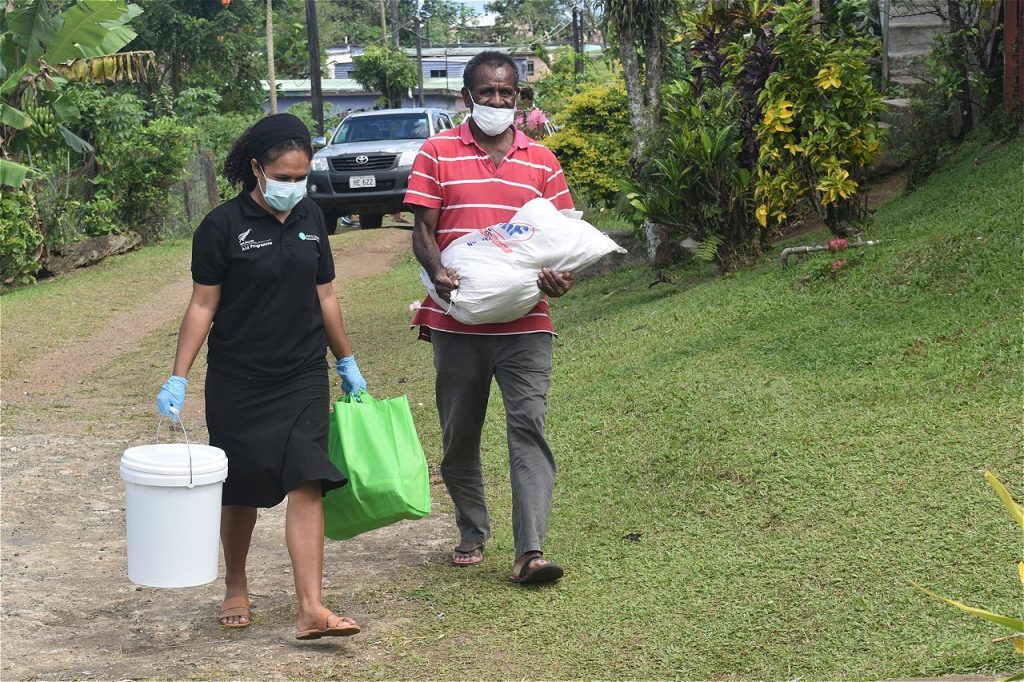
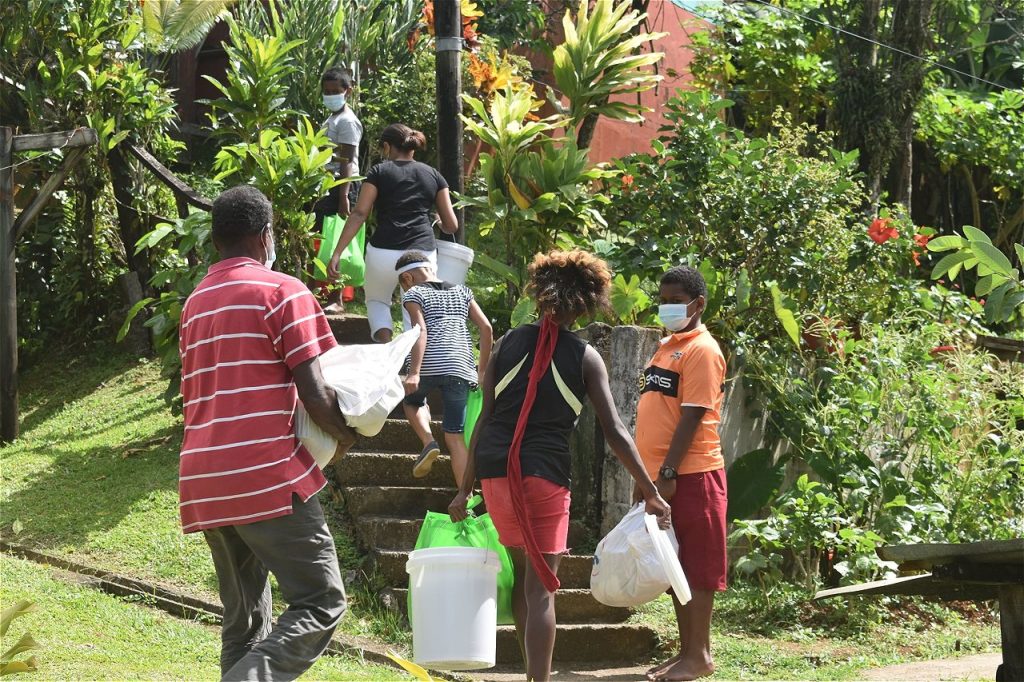
78 families living at the Newtown Hart in Suva have received assistance packages from the Live and Learn Fiji organisation.

The assistance is funded by the New Zealand Ministry of Foreign Affairs and Trade.

Each family received food ration packs, hygiene and washing kits.

One of the recipients was 67-year-old Sera Mataika Ratu and her 8-year-old granddaughter.

The Social Welfare beneficiary who is wheelchair-bound was emotional when receiving the assistance and says it has brought relief to them in this unfortunate time.

Ratu says they are thankful to Live and Learn and its partners for responding to their needs.

The initiative is in collaboration with the Ministry of Agriculture, the Ministry of Health, the RFMF, Empower Pacific and the Fiji Disabled People’s Federation

Source: FijiVillage

Date: 01/09/2021

UN CERF Supports IOM Response to Tropical Cyclone Harold Devastation in Fiji

Date: 13 November 2020

Tropical Cyclone Harold caused extensive destruction after making landfall as a category 4 storm in the Republic of Fiji on 8 April 2020.

Since then, International Organization for Migration’s partnership with the Fijian NGO Live and Learn has supported the ongoing rebuilding efforts by responding to the shelter needs of some of the most vulnerable households affected by Tropical Cyclone Harold (‘TC Harold’) in Vatulele island and Tailevu province (Western and Central Divisions respectively).

To address the shelter, water and sanitation and food security needs of 200,000 people affected, the UN Central Emergency Response Fund (CERF) contributed USD 100,000 to the IOM’s response.

The Category 4 cyclone, which left a trail of destruction in its path with average winds of up to 195km/hr and gusts up to 275km/hr caused substantial damage to dwellings, livelihoods, and critical infrastructure across the country. The devastation caused by the cyclone was followed by heavy rains for several weeks, which added flash flooding damage to the widespread destruction.

The humanitarian response was further impacted by COVID-19 lock-down measures, including national travel restrictions on all inter island transfers which limited access to cyclone affected areas.

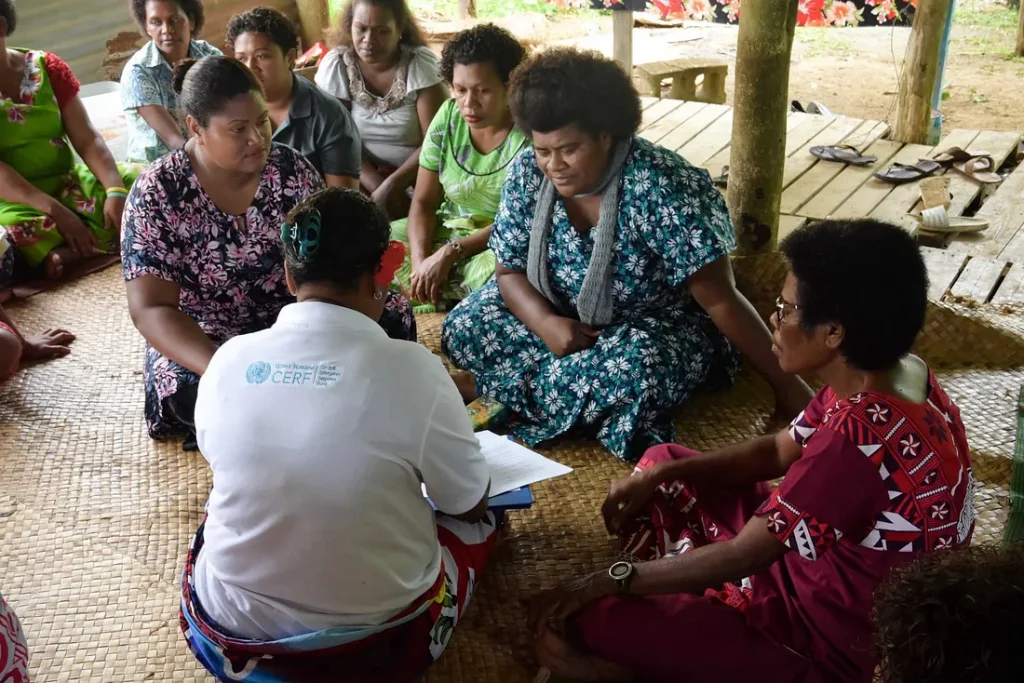
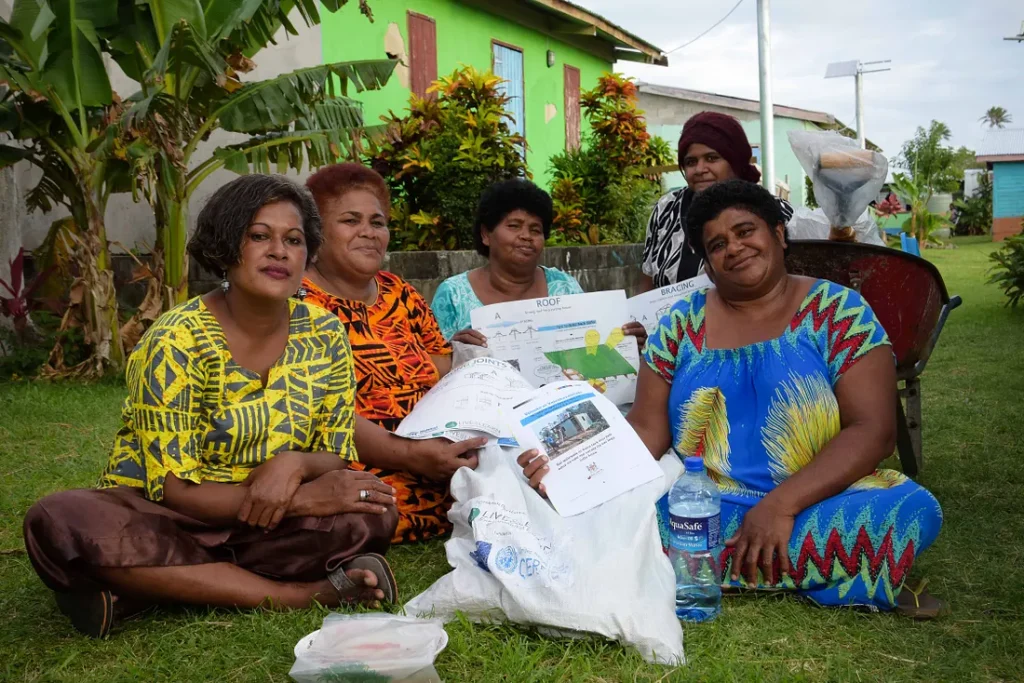
A total of 464 households whose shelters were damaged in the Western and Central Divisions are receiving the supplies necessary to rebuild their homes. They are also participating in a Build Back Safer (BBS) training which trains people on building techniques, the identification of safe building locations and how to use locally available materials in conjunction with the items and tools included in the repair kit to rebuild their homes.

According to Vusuya Settlement’s community representative, “learning about how to strap roofs using the material provided is really important as most houses were roofless after TC Harold.”

Source: IOM Website

Link: https://medium.com/@UNmigration/un-cerf-supports-iom-response-to-tropical-cyclone-harold-devastation-in-fiji-593e415eb6cd

Report: MoneyMinded program significantly strengthened financial knowledge

AN independent impact evaluation report of MoneyMinded, ANZ’s financial inclusion program, has found the program significantly strengthened participants’ financial knowledge, skills and capabilities.

According to the findings of the study, 96 per cent of the respondents reported the MoneyMinded program had improved their financial wellbeing – meaning their ability to meet financial commitments, feel financially comfortable and cope with unexpected expenses.

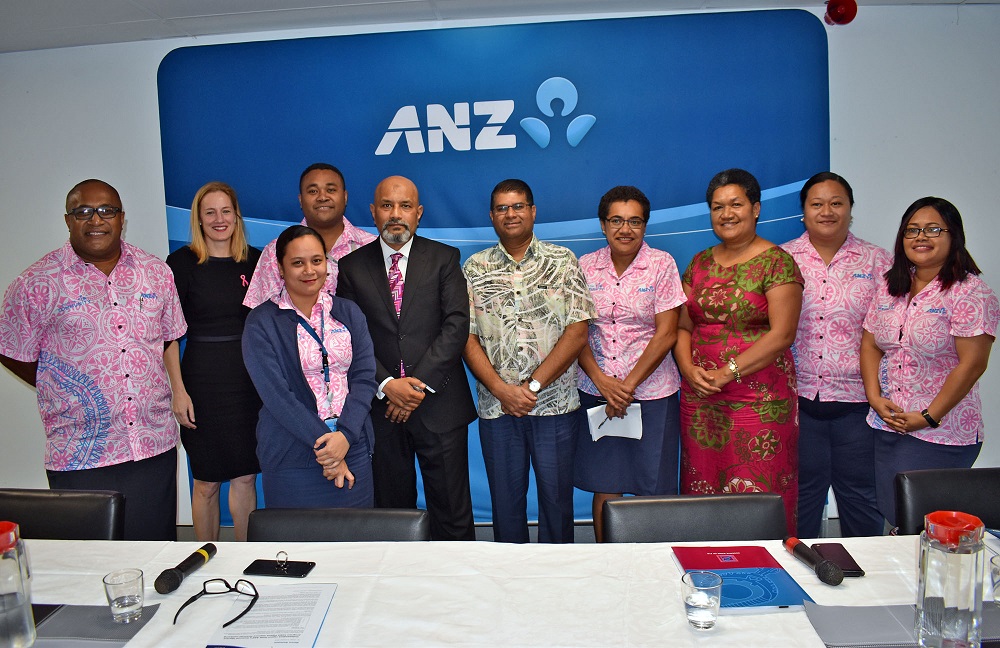
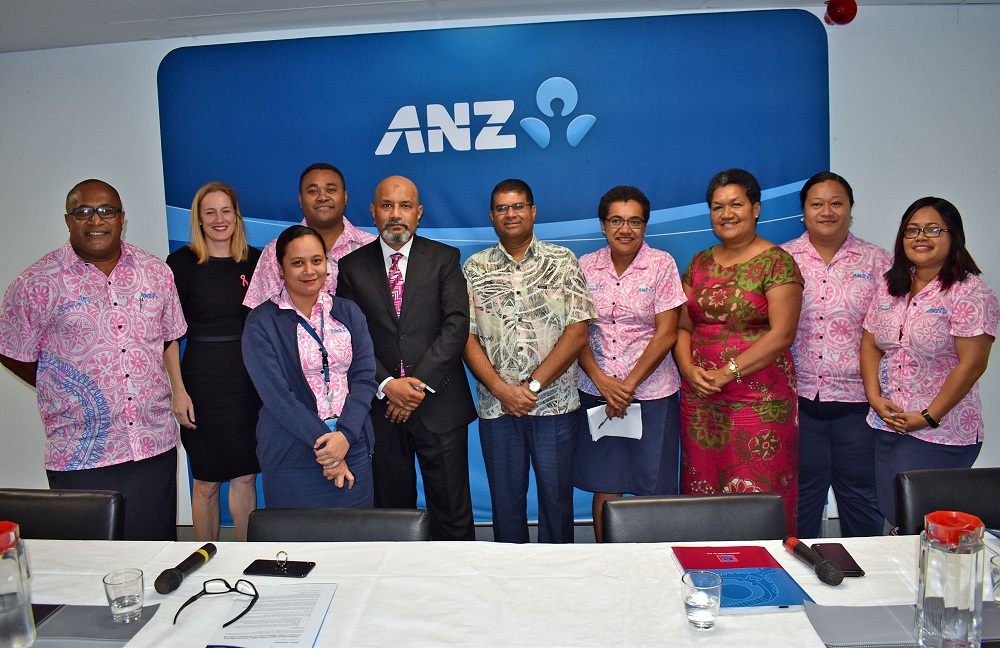
ANZ Regional Executive Tessa Price, second left, ANZ chief executive officer Saud Minam, Reserve Bank of Fiji governor Faizul Ariff Ali and RMIT University researcher Marica Tabualevu, third from right, with ANZ staff members during the 2019 Moneyminded Impact Report launch at the ANZ House in Suva on Tuesday, October 08, 2019. Picture: JONACANI LALAKOBAU

Speaking during the report launch in Suva today, ANZ Fiji country head Saud Minam said the program supported the Fijian Government and Reserve Bank of Fiji’s National Financial Inclusion Taskforce to improve financial inclusion rates and financial capabilities of Fijians.

“We will continue to support financial literacy because we know that investing our efforts in this area is important. With careful budgeting, planning and the practical life skills that MoneyMinded offers, we can contribute to positive changes in peoples’ lives,” Mr Minam said.

“Around 12,000 people in Fiji have taken part in MoneyMinded training since 2010, helping Fijians develop money skills, knowledge and confidence.”

The program is usually conducted as a one-day workshop with topics including planning for the future, making money last until pay day, needs and wants, budgeting, and assertiveness and learning to say “no”, and participants are encouraged to commit to action after the workshop, the report stated.

According to Reserve Bank of Fiji governor Ariff Ali, “The Reserve Bank’s efforts to increase financial inclusion in Fiji have been well supported by programs like MoneyMinded, which have played a positive role in changing the savings mindset of Fijians. Congratulations to ANZ and all agencies involved in the success of the MoneyMinded program in Fiji.”

The program is supported by Ola Fou, Live and Learn, Digicel, Fiji National University, Fiji National Provident Fund, HART, Paradise Beverages, Republic of Fiji Military Forces and Fiji Police Force.

Source: Fiji Times

Date: 28/010/019

Bid for savings culture

A LEADING bank in Fiji has announced its partnership with a dynamic learning network of locally registered organisations operating in the Pacific to deliver its flagship financial literacy program.

The ANZ Bank in Fiji has partnered with Live & Learn to deliver ANZ’s flagship financial literacy program, MoneyMinded, to drive a savings culture in communities across Fiji.

ANZ Regional Executive Tessa Price, second left, ANZ chief executive officer Saud Minam, Reserve Bank of Fiji governor Faizul Ariff Ali and RMIT University researcher Marica Tabualevu, third from right, with ANZ staff members during the 2019 Moneyminded Impact Report launch at the ANZ House in Suva on Tuesday, October 08, 2019. Picture: JONACANI LALAKOBAU

MoneyMinded is a comprehensive suite of financial education resources designed by ANZ to assist adults in building their money management skills, knowledge and confidence.

The partnership involves the accreditation of Live & Learn trainers to deliver MoneyMinded to their staff and community members in partnership with ANZ’s MoneyMinded facilitators.

And while the MoneyMinded has gained momentum, the partnership is targeted at strengthening women’s role in the economy at all levels in society.

ANZ Fiji country head, Saud Minam in a statement yesterday, stated the MoneyMinded facilitators would go through rigorous training to become accredited to the high standard expected of the program.

“We’re excited about this partnership that helps spread our program across Fiji even further thanks to Live & Learn’s extensive network,” he said.

“We’re committed to supporting the communities where we operate and we want to make a difference to the lives of all Fijians through increased awareness of the value of aspiring to achieve their goals through better spending habits and saving for their future,” Mr Minam said.

“In particular, we believe that by targeting women’s groups we have the opportunity to make a substantial difference.

“We’ve found that the women really stand out when empowered with the appropriate tools, exposure and training to take charge of their finances.”

Live & Learn executive director, Christian Nielsen, stressed the importance of economic empowerment of women in the Pacific and the development benefits from strengthening women’s role in the economy

“These benefits include equity in participation, governance, health, education and policy development,” he said.

“We are delighted to be working with ANZ in this pursuit and see great benefits to Pacific islanders from this partnership.”

According to ANZ, MoneyMinded has been delivered to more than 10,000 people across the Pacific since its initial launch in the region in 2010.

Live & Learn is a non-government organisation (NGO), who works with communities throughout Asia and the Pacific to design, implement and learn from community-based development projects.

The projects cover a number of thematic program areas including Water, Sanitation and Hygiene (WASH), sustainable use of biodiversity, environmental governance, natural resource-based conflict management and peace building, understanding climate change, sustainable energy options, community-based waste reduction and management, human rights and community disaster prevention and preparedness.

Source: Fiji Times

Date: 26/07/2017

Fiji: Food security projects give remote island communities long-term disaster resilience – UNDP

 Remote island communities in Fiji’s Yasawa Islands will be better prepared to have food supplies in times of disaster, even if their crops are destroyed.

A new Food Bank project will help villages have a ready supply of food and water, with risk-resilient crops and farming techniques being introduced to help the communities become more resilient to climate change and disasters.

This initiative is the result of a partnership with Vinaka Fiji and Commissioner Western’s Office, with support from the Pacific Risk Resilience Programme (PRRP) and its implementing partner Live and Learn Environmental Education (LLEE). PRRP will also support Fiji’s Department of Agriculture to provide agriculture training on resilient crops and food storage, including traditional knowledge approaches.

Seven villages in the Yasawas will be targeted over 2015 for the Food Bank initiative, explained PRRP Local Coordinator for Live and Learn, Lanieta Tokalauvere. This will include crop planting and storage so there is food during a disaster period, plus raising funds for post-disaster recovery.

“The Food Bank starts in Soso and Kese villages of Naviti Island, with committees and ‘Knowledge Hubs’ already in place,” Mrs Tokalauvere said.

“Community members are now clearing the land to prepare it for planting.”

“Knowledge Hubs comprise local volunteers committed to helping people share information and expertise, so residents can be trained and empowered across a range of topics including planting and crop selection, building, and financial management,” she said.

PRRP has assisted Vinaka Fiji in forming the Food Bank, according to Elanoa Vakabunoya Nimacere, Operations Manager for Vinaka Fiji, which is the volunteer programme for South Sea Cruises.

Vinaka Fiji coordinates a volunteer programme to provide basic needs such as fresh water, nutrition, power supply and education to 15 remote communities in the Yasawa Islands.

“Vinaka Fiji is involved in many partnerships with government, with the likes of PRRP, the community and NGOs as we all have a common goal: to assist local communities,” Ms Nimacere said.

“We encourage partnerships like this between the public and private sectors, that look at all aspects of food security and even financial planning, to help people make informed decisions about the Food Bank and all the ways it can help them prepare for a disaster.”

“At the end of the year, when the planting is done, and if there have been no disasters, the money can be banked and stored as an Emergency Fund for use during any future disasters.”
Planning ahead for such potential climate change and disaster related-risks is central to the work of the PRRP, which focuses on how communities, governments, and the private sector can all work together to help build resilience, by embedding risk into planning processes across all levels of governance.

“It’s a real honour for PRRP to partner with Vinaka Fiji, and its private sector partners, given the great work they’ve been doing recently in partnership with the Government in the Yasawa Islands,” says Programme Manager for PRRP, Moortaza Jiwanji.

“The Pacific Risk Resilience Programme aims to strengthen the resilience of Pacific island communities to disasters and climate change related risks. So it makes sense for us to work remotely in the Yasawa Islands, with people who are typically hardest hit by disasters and climate change,” says Mr Jiwanji.

Mr Jiwanji explains PRRP is about more than just helping communities in the short term.

“Food Banks, Knowledge Hubs, financial planning, agricultural training and other aspects of this partnership are very effective initiatives to help Fijian communities become more prepared for the impact of natural disasters and climate change,” he said.

“But there also needs to be a strong planning and governance structure in place to make sure these strategies will be sustainable. Climate change and disaster risk reduction impacts all development in the Pacific, ranging from economics to infrastructure, and so it influences almost every decision made by community, government, local agency or private sector operators,” Mr Jiwanji says.

PRRP works with Pacific Island nations and their people to think about the risks they may face from climate change and disasters when they are making their usual plans for development. Communities can become more resilient to climate change and disasters if routine government, community and other planning takes these risks into account. This risk governance approach is implemented by the United Nations Development Programme (UNDP) and international non-governmental organization Live and Learn Environmental Education (LLEE) and supported by the Australian Government’s Department of Foreign Affairs and Trade (DFAT). PRRP is being delivered in four countries: Fiji, Solomon Islands, Tonga and Vanuatu.

For more information, please contact:
Sheryl Ho, UNDP Knowledge Communications Analyst, tel: (679) 322-7504 or email:sheryl.ho@undp.org

Date: 16/07/2021

Students spread peace and goodwill

AS many as 51 students from 12 schools in Lautoka are spreading peace and goodwill in the community.

The project, an initiative of NGO Live and Learn’s environmental education, involves students spending two days beautifying Lautoka Hospital’s children’s ward. They also painted the veranda and tables and helped with the installation of a peace garden.

Live and Learn project co-ordinator Emma Christopher said the students identified a wish for a clean and beautiful environment and expressed their desire to contribute to the community.

“In support of their expressed wishes, the teachers of the Live and Learn cluster schools have proposed an initiative to create a dream world for the children who are admitted at the Lautoka Hospital,” she said.

“This is through the creation of a peace garden and a happy colourful corner decorated with peace designs that can serve as motivation and inspiration to the children and the families that occupy the children’s ward.”

Ms Christopher said the initiative was an outcome of the school cluster workshops held last year under the European Union-funded project “Strengthening the participation of children in peace-building in small island nations with a high prevalence to violence, ethnic discrimination and tribal conflict”.

She said the action aimed to provide a platform for children to take affirmative action.

Source: Fiji Times

Date: 23/02/2014