#LLEEFiji #Partnership

Resilient Communities

Nature based Solutions (NbS)

Climate resilience

Food preservation

Disaster Risk Reduction

Gender & Social Inclusion

Empowered communities

Resilient Communities

Nature based Solutions (NbS)

Climate resilience

Food preservation

Disaster Risk Reduction

Gender & Social Inclusion

Empowered communities

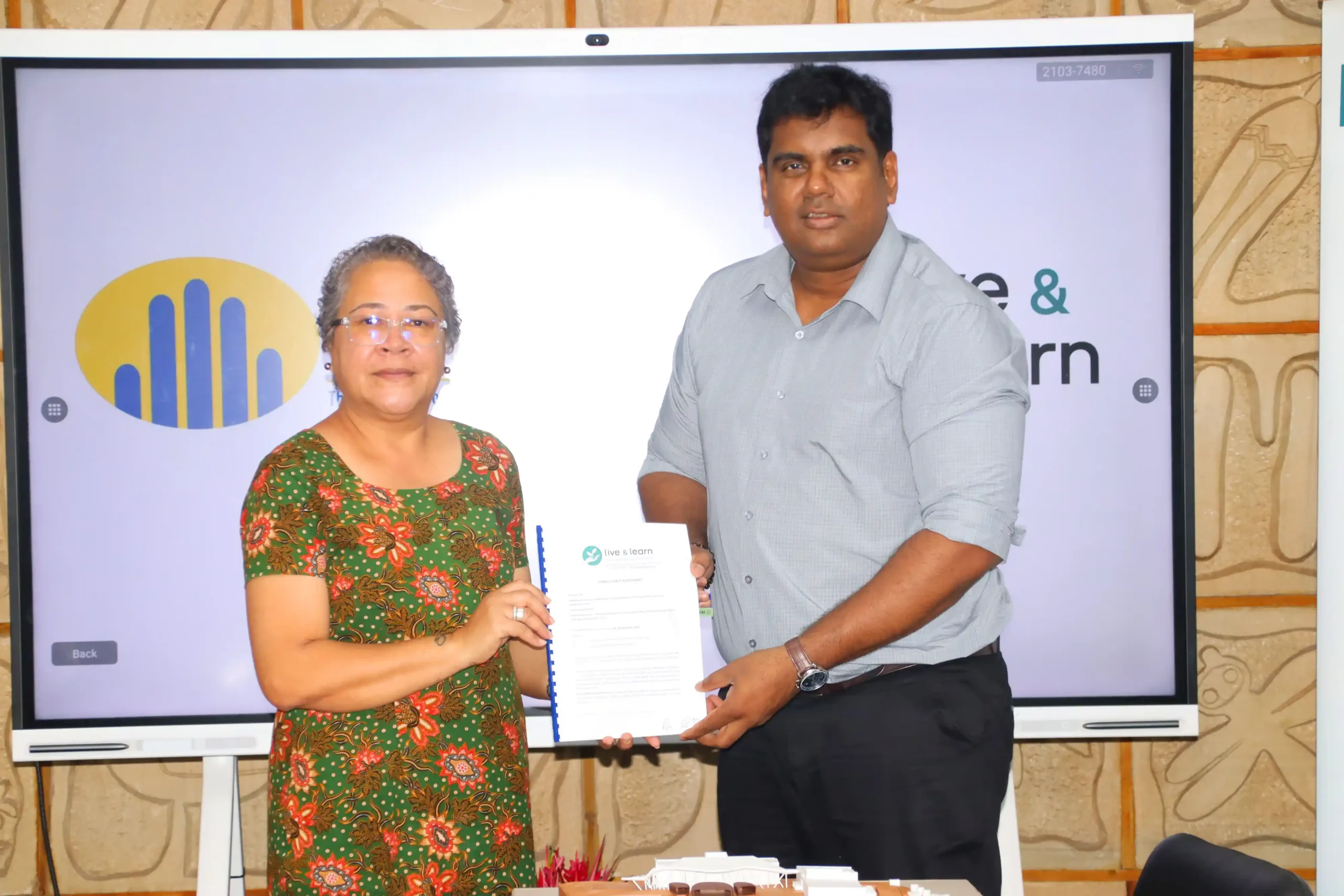
TFL partners with Live & Learn and NDRMO to strengthen Fiji’s Multi-Hazard Early Warning Systems.

L to R: Salaseini Ratuvuku – Manager Legal and Regulatory Telecom Fiji, Paulini Latiyawa- Live & Learn Fiji, Doris Susau – Country Manager Live & Learn, Jowana Nabuci – Project Manager Live & Learn, John Cheer – Engineering Standards & Quality Telecom Fiji, Charles Goundar – CEO Telecom Fiji, Samuela Vadei – GM Corporate Services […]

Read More
Empowering Pacific Parliaments through Floating Budget Office

What is a Floating Budget Office? In the vast expanse of the Pacific, an innovative initiative that continues to revolutionize how parliaments analyze and understand their national budgets. The Floating Budget Office (FBO) is empowering Pacific nations to make more informed decisions about their financial futures. But what exactly is the FBO, and how is […]

Read More
Cabinet approves team

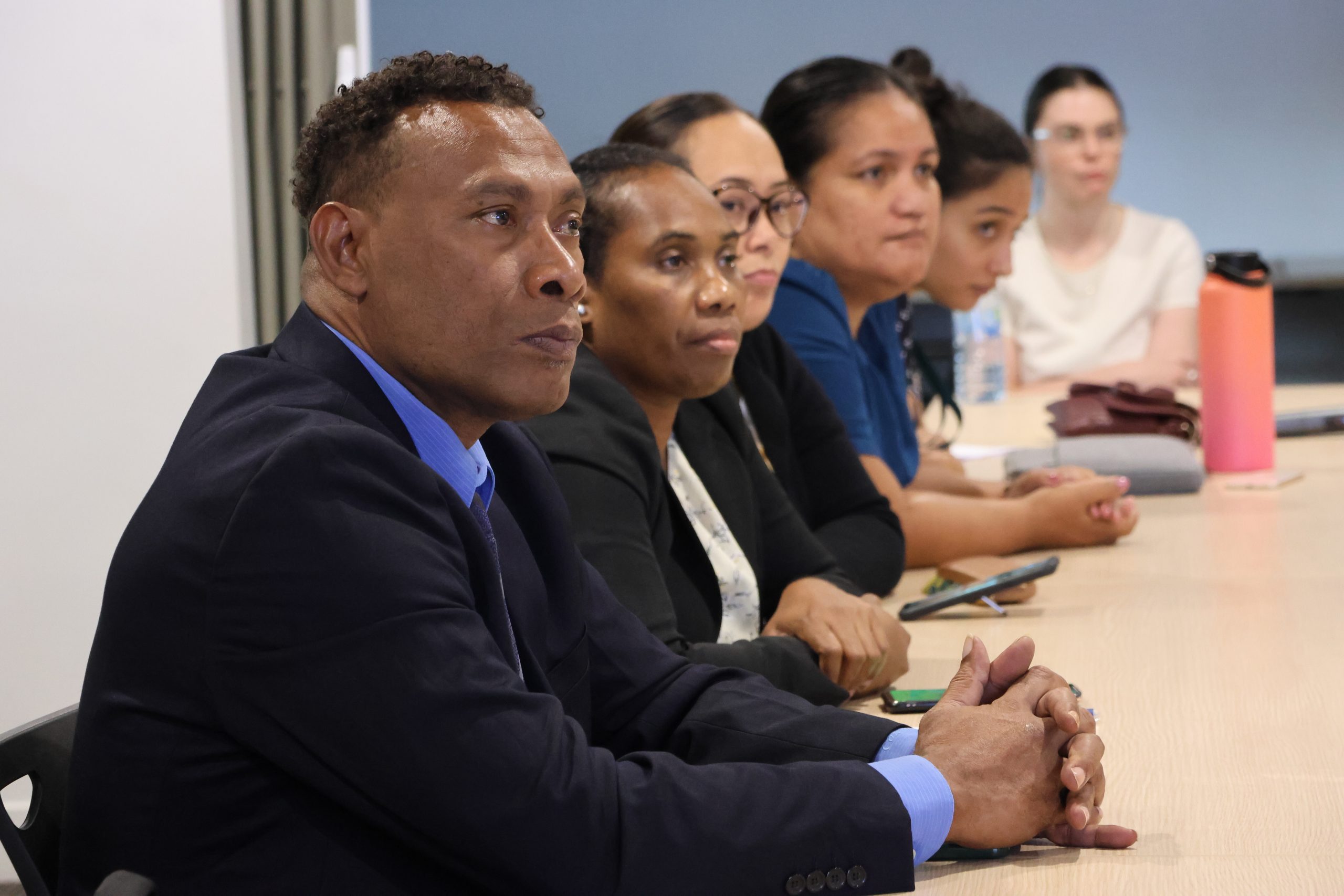
Cabinet has approved the formation of a National Emergency Response Team. National Disaster Management Office (NDMO) director Vasiti Soko confirmed this while delivering her closing remarks at a five-day emergency operation centre training at the Fiji Teachers Union Hall on Friday. “This is nothing new in the disaster space globally,” she said. “Solomon Islands is […]

Read More
NZ to provide further support to CSOs to assist affected families in Fiji

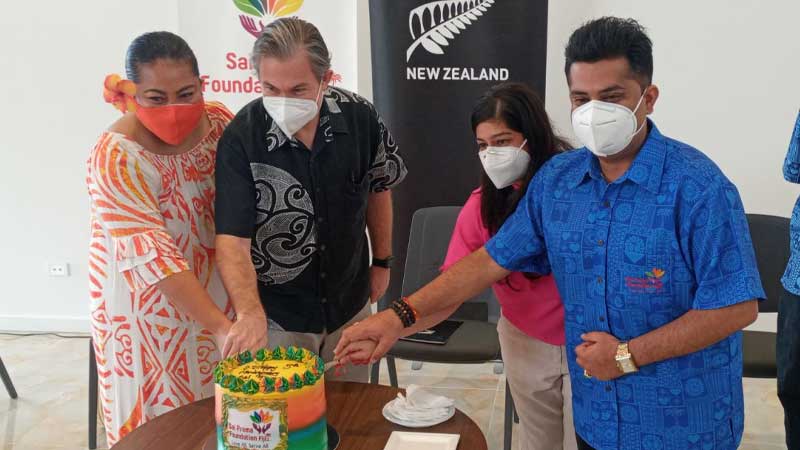
The New Zealand High Commissioner to Fiji Jonathan Curr has announced that they will continue to support civil society organizations to assist vulnerable families in Fiji during the COVID-19 outbreak. This follows the announcement by the New Zealand Minister for Foreign Affairs Nanaia Mahuta in June that they will provide up to $7 million to […]

Read More
Students spread peace and goodwill

AS many as 51 students from 12 schools in Lautoka are spreading peace and goodwill in the community. The project, an initiative of NGO Live and Learn’s environmental education, involves students spending two days beautifying Lautoka Hospital’s children’s ward. They also painted the veranda and tables and helped with the installation of a peace garden. […]

Read More

TFL partners with Live & Learn and NDRMO to strengthen Fiji’s Multi-Hazard Early Warning Systems.

L to R: Salaseini Ratuvuku – Manager Legal and Regulatory Telecom Fiji, Paulini Latiyawa- Live & Learn Fiji, Doris Susau – Country Manager Live & Learn, Jowana Nabuci – Project Manager Live & Learn, John Cheer – Engineering Standards & Quality Telecom Fiji, Charles Goundar – CEO Telecom Fiji, Samuela Vadei – GM Corporate Services & Human Resources Telecom Fiji and Mesake Tuinabua – Chief Technical Officer-Telecom Fiji.

Suva, Fiji (14.11.2025) Telecom Fiji is proud to announce a collaborative partnership with Live & Learn Fiji, the National Disaster Risk Management Office (NDRMO), and key national stakeholders including the Fiji Meteorological Service (FMS), Ministry of Rural Development, Ministry of Communications, Telecom Authority of Fiji, and other Telecommunications service providers to strengthen Fiji’s Multi-Hazard Early Warning System (MHEWS).


This national initiative aims to boost disaster preparedness by improving communication infrastructure and ensuring that warning systems across the country work seamlessly together. A key part of this work is advancing the use of the Common Alerting Protocol (CAP) an international standard that allows emergency alerts to be sent out simultaneously across multiple channels such as SMS, radio, TV, mobile apps, websites, and sirens. CAP ensures ommunities receive clear, fast, and consistent alerts during emergencies, no matter what device or platform they use. Telecom’s role includes conducting technical and field assessments of existing systems, engaging with government and industry stakeholders, mapping communication and broadcast nfrastructure, identifying coverage gaps, and designing CAP integration to ensure reliable alert delivery nationwide.


Commenting on the partnership, Telecom Fiji CEO Charles Goundar said: “Strengthening Fiji’s early warning capabilities is not just a technical responsibility it is a commitment to protecting lives. Telecom is proud to support this national effort by ensuring our networks and systems are ready to deliver critical alerts when communities need them most.”

Live & Learn Country Director Doris Susau added: “This partnership brings the right expertise together to help communities prepare, respond, and stay safe during disasters. By combining technical capability with community-focused resilience work, we are building a safer and more informed Fiji.”


Key expected outputs include communication infrastructure maps, CAP readiness assessments, vulnerability and coverage gap analyses, technical system designs, policy recommendations, and a phased investment plan to strengthen Fiji’s early warning and telecommunications systems. Telecom remains committed to supporting national resilience efforts and ensuring that communities across Fiji receive accurate, timely, and life-saving information when it matters most.

About Telecom Fiji:
Telecom Fiji is the country’s backbone telecommunications network provider in Fiji, offering a wide range of innovative ICT solutions and services to its customers. With a strong focus on delivering cutting-edge technologies and personalized support, Telecom Fiji continues to be at the forefront of the telecommunications industry in the region. For more information about Telecom Fiji and its services, please visit www.telecom.com.fj.

For further information please contact:
Sadie Underwood – Acting Manager Marketing, Telecom (Fiji) Pte Limited
Ph: 9383343 | 4500005
Email: Sadie.Underwood@telecom.com.fj

Other News outlet links:

Fiji Village FB: https://www.facebook.com/share/p/16bazRd8iJ/

Fiji Village Websitehttps://www.fijivillage.com/news/Telecom-Fiji-Live–Learn-Fiji-NDRMO-Fiji-Met-Service-and-other-stakeholders-work-to-strengthen-Fijis-Multi-Hazard-Early-Warning-System-r85x4f/

FBC FB Pagehttps://www.facebook.com/share/p/1JwMyrV4uA/
FBC Websitehttps://www.fbcnews.com.fj/news/multi-agency-drive-boosts-disaster-alerts/?fbclid=IwY2xjawOIouVleHRuA2FlbQIxMQBzcnRjBmFwcF9pZBAyMjIwMzkxNzg4MjAwODkyCGNhbGxzaXRlAjMwAAEeWwPaP78C7mnJJTZufIq09Gcjjhr_1LrDt0U40gyvY35dQ2x3w5sQ2WTKaks_aem_pPzoChRWGOvp015LznnBLw

Empowering Pacific Parliaments through Floating Budget Office

What is a Floating Budget Office?

In the vast expanse of the Pacific, an innovative initiative that continues to revolutionize how parliaments analyze and understand their national budgets. The Floating Budget Office (FBO) is empowering Pacific nations to make more informed decisions about their financial futures. But what exactly is the FBO, and how is it making a difference?

The FBO is a Pacific Parliament-led initiative providing critical collaborative support to parliaments during the review of their national budgets. Upon the request, UNDP facilitates a team of experienced parliamentary researchers from across the region supporting the national parliament capacity in analyzing their budget. 

Through this effort, parliaments throughout the region will be able to share best practices and information in an inclusive environment.

The FBO’s work is essential to making sure that public budgets, which are frequently complicated and technical, are transparent and subject to in-depth analysis. The FBO actively engages a variety of stakeholders, including Civil Society Organizations (CSOs), in the budget review process by advocating a whole-of-society approach. 

UNDP’s Support

UNDP Pacific has been providing technical assistance to parliaments to build the capacity of legislators to strengthen the relationship between parliament and the executive and civil society since 2017. 

FBO supporting via briefs with internal government business discussions, UNDP Pacific has been offering technical assistance to parliaments in efforts to build capacity of legislator. 

The budgets are often complex and require in-depth technical experience and knowledge in public finance, the FBO offers collaborative budget analysis to support Pacific parliaments and MPs while strengthening the region’s capacity for parliament research. As a result, UNDP has been considering how to advance a flexible architecture that would allow Pacific Parliaments to exchange knowledge and provide mutual support throughout their different budgetary procedures. 

Under the direction of a team leader from the host or national parliament, the researchers create concise studies on important industries, offering unbiased and impartial information to legislators and civil society organizations. The independent approach builds trust and advances a culture of accountability and transparency in budgetary matters, which is essential for effective governance and development. 

In 2021, UNDP invested in enhancing the quality of analytical tools available to parliamentary researchers, focusing on strategies to improve the PFBO’s budget analysis processes. This resulted in the development an automated budget analysis tool that streamlines the production of budget briefings for MPs, reducing resource demands while increasing the speed and accuracy of the analysis.

FBO in 2024

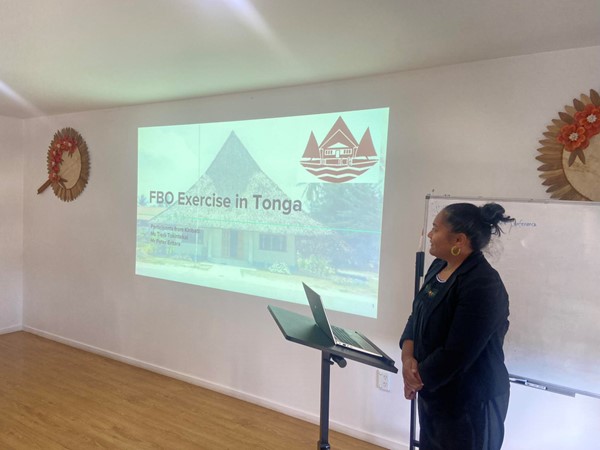
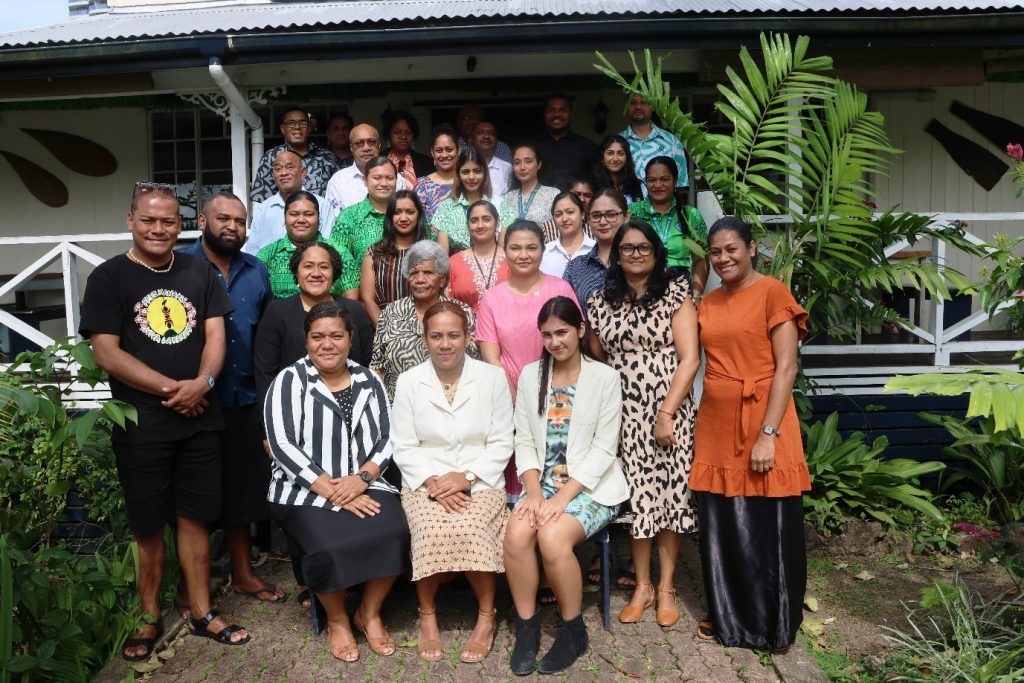
This year, the FBO was hosted by the Parliament of Tonga in April and the Parliament of Fiji in June consisting of participants from Tonga, Fiji, Kiribati, Vanuatu, Solomon Islands, Australia and New Zealand. This helps the national parliament in staff capacity-building, enhancing knowledge of budget processes in other parliaments, learning about budget analysis practices and templated used in other parliaments and developing and strengthening budget researchers’ network.

Civil Society Organizations (CSOs) workshop

A key factor in forming and bolstering democratic processes is civil society.  This is why FBO briefings are not only presented to Parliamentarians but also to varying CSOs. When civil society understands the complex budget documents and decisions, they can play an active role in advocating for various public interests. 

By engaging CSOs, the FBO aligns with a whole-of-society and collaborative approach, which is critical for sustainable development. A one-day workshop was conducted by the Parliaments of Tonga and Fiji to help CSOs understand the allocated priorities of the budget and develop a basic understanding of budget analysis. By involving CSOs and the public in the analysis of public finance, FBO ensures that budgets reflect the needs and aspirations of the people.

Representative from the Soqosoqo Vakamarama iTaukei, Ana Vesikula, said public finance management is important for the country for nation building, peace stability and for sustainable economic growth.

“It is important to have the public informed and engaged from consultation to the implementation of the budget along with the various levels of the society and stakeholders. Having the budget in three main languages in Fiji would assist people to understand and have more knowledge of the budget of what is allocated, why and how,” she said.

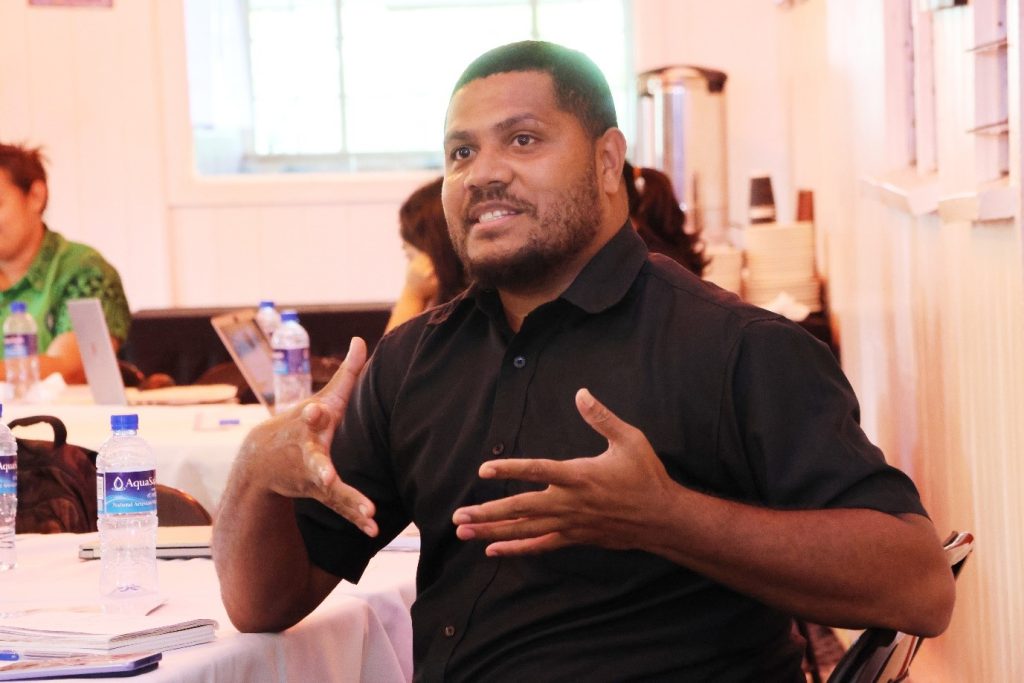
Gender and Resilience Officer from Live and Learn Fiji, Joseva Ravula, said as a first-timer to this workshop, it highlighted the importance of the budget, what it meant, what it is and for who. “One of the things that brings to the table is the importance of people knowing the budget. I am not sure whether the information about the budget is very inclusive; to think about those who use braille – was it accounted for; those who have hearing impairments if it was accounted for them. When we look at the inclusivity of information, we need to meet the needs of our people because they have the right to hear, to see, to be answered with the information surrounding the budget,” he said. 

UNDP Pacific Office in Fiji provides essential support for parliamentary development across the region through two regional projects: the Pacific Parliamentary Effectiveness Initiative (PPEI), supported by the Government of New Zealand’s Ministry of Foreign Affairs and Trade (MFAT), and the second phase of the Strengthening Legislatures in Pacific Island Countries project, supported by the Government of Japan. In addition, this work is also made possible via the Fiji Parliament Support Project, supported by MFAT and Australia’s Department of Foreign Affairs and Trade.

For more information, please contact:

Ashna Kumar | Communications Associate | UNDP Pacific Office in Fiji |

Date: 16/09/2024

Cabinet approves team

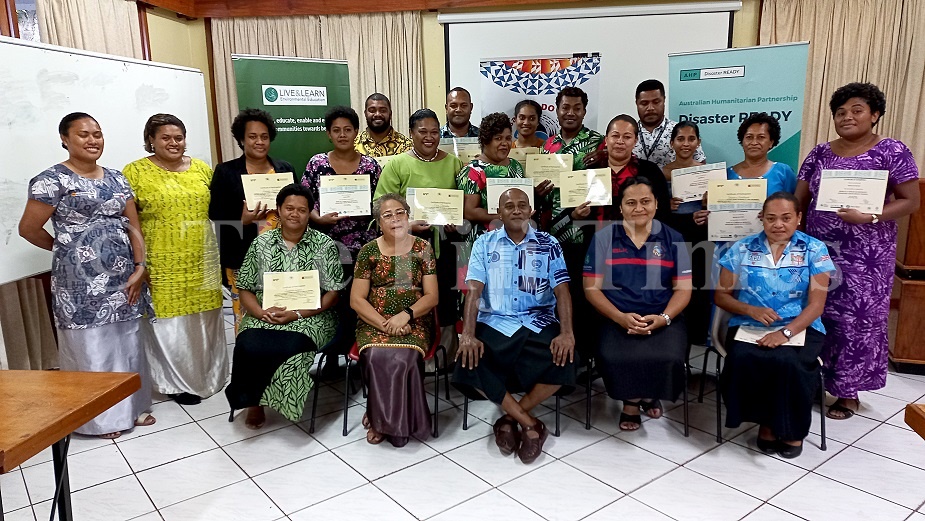
Cabinet has approved the formation of a National Emergency Response Team. National Disaster Management Office (NDMO) director Vasiti Soko confirmed this while delivering her closing remarks at a five-day emergency operation centre training at the Fiji Teachers Union Hall on Friday.

“This is nothing new in the disaster space globally,” she said. “Solomon Islands is the first country in the Pacific to form a National Emergency Response Team. It’s also looking at ensuring that when you are deployed, you are deployed understanding humanitarian principles. You understand the different classes that exist within you, understand the logistic plan, how to prepare well for response. All of these small things, we take for granted but they really do save lives.”

She said decision makers relied heavily on the information that came from the Emergency Operation Centres (EOCs) during disasters. “Everything is so important because as decision makers, we rely on the information that comes from you.

“So how you operate in emergency operation centers, how you work as a team, how you ensure that information is correct and verified, that comes from the district, to the divisional, to national.

“Those processes are very important to be followed because any delays between may cost a life,” she said.

The training program was organised by Live and Learn Fiji, a recipient of Australian Government funding through the Australian Humanitarian Partnership’s Disaster Ready 2.0 program.

It was attended by representatives from the Ministry of Rural Development and Maritime and National Disaster Management, as well as other government ministries.

Source: Fiji Times

Date: 07/05/2023

NZ to provide further support to CSOs to assist affected families in Fiji

The New Zealand High Commissioner to Fiji Jonathan Curr has announced that they will continue to support civil society organizations to assist vulnerable families in Fiji during the COVID-19 outbreak.

This follows the announcement by the New Zealand Minister for Foreign Affairs Nanaia Mahuta in June that they will provide up to $7 million to local CSOs.

The six civil society organisations are Empower Pacific, Frank Hilton Organisation, FRIEND Fiji, Live and Learn Fiji, Pacific Disability Forum and the Sai Prema Foundation.

Curr says they will be scaling up assistance in communities through the provision of food rations, psycho-social support, personal protective equipment, improvement of nutrition, health, hygiene and sanitation, improved food security, medical support, capacity building and sustainable livelihoods.

He says the target beneficiaries include children, female-headed families and people with disabilities who stand to be most affected by the social, economic and health impacts of the pandemic.

Curr says they have worked with CSOs to support social inclusion and provide tangible assistance to the many households impacted by COVID-19 and they are delighted to extend the partnership.

He adds these organisations have strong networks at a grassroots level and their community-driven approach has helped them identify and respond to needs effectively.

Curr says the CSO partners will be supporting families Fiji-wide however there will be a strong focus on delivering assistance to affected communities in the Central and Western Divisions.

Source: FijiVillage

Date: 19/08/2021

Students spread peace and goodwill

AS many as 51 students from 12 schools in Lautoka are spreading peace and goodwill in the community.

The project, an initiative of NGO Live and Learn’s environmental education, involves students spending two days beautifying Lautoka Hospital’s children’s ward. They also painted the veranda and tables and helped with the installation of a peace garden.

Live and Learn project co-ordinator Emma Christopher said the students identified a wish for a clean and beautiful environment and expressed their desire to contribute to the community.

“In support of their expressed wishes, the teachers of the Live and Learn cluster schools have proposed an initiative to create a dream world for the children who are admitted at the Lautoka Hospital,” she said.

“This is through the creation of a peace garden and a happy colourful corner decorated with peace designs that can serve as motivation and inspiration to the children and the families that occupy the children’s ward.”

Ms Christopher said the initiative was an outcome of the school cluster workshops held last year under the European Union-funded project “Strengthening the participation of children in peace-building in small island nations with a high prevalence to violence, ethnic discrimination and tribal conflict”.

She said the action aimed to provide a platform for children to take affirmative action.

Source: Fiji Times

Date: 23/02/2014