Resilient Communities

Nature based Solutions (NbS)

Climate resilience

Food preservation

Disaster Risk Reduction

Gender & Social Inclusion

Empowered communities

Resilient Communities

Nature based Solutions (NbS)

Climate resilience

Food preservation

Disaster Risk Reduction

Gender & Social Inclusion

Empowered communities

Nanumea islanders turn to Kiwa EMPOWER gardens

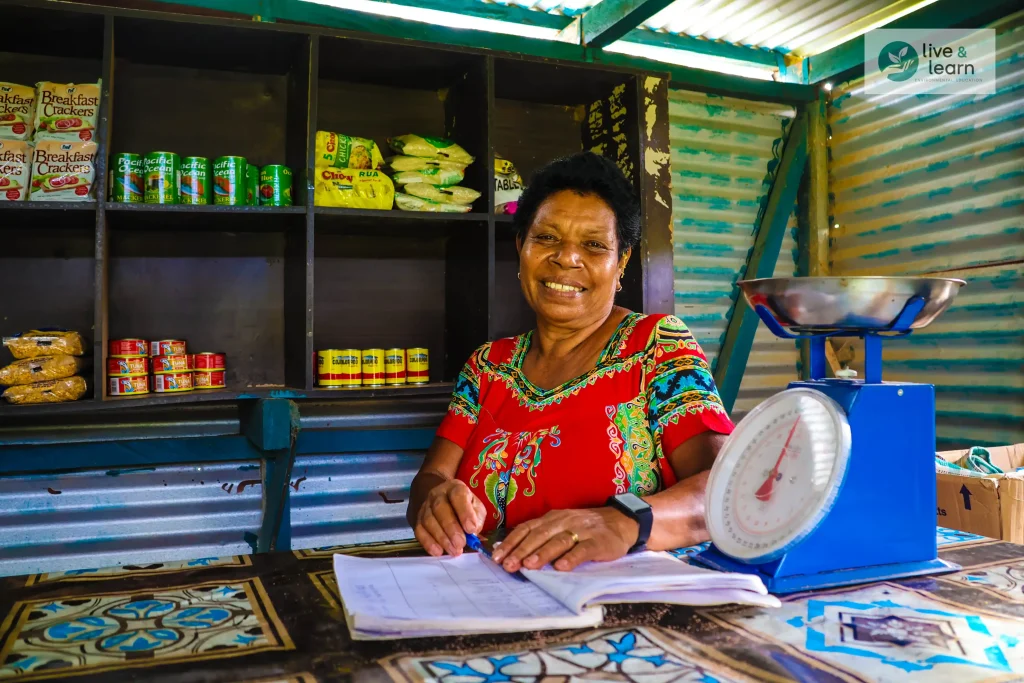
For years, the regular arrival of supply ships at Nanumea Island in Tuvalu signaled the restocking of local shop shelves. However, in recent weeks, severe weather conditions have reduced shipping frequency, leaving shelves bare and drastically depleting canned food supplies. In response, Nanumea islanders have turned to the fresh vegetables and root crops planted in […]

Read More
Kiwa EMPOWER brings inclusive Drinking Water Safety Training

Community members of Naivaka village in Bua have expressed their gratitude for the Drinking Water Safety and Security Plan Training carried out following a 13-year lapse. The Drinking Water Safety and Security Plan (DWSSP) training is an intensive, week-long program conducted by trained Health Inspectors from the Ministry of Health. They work closely with village […]

Read More
First-ever kindergarten and infant school for Dakuni Village breaks ground

Date: 29 March 2026 By: Priya Nand Media: Fiji Village Children in Dakuni Village on Beqa Island are set to benefit from improved access to education following the groundbreaking of the communityโ€™s first-ever kindergarten and infant school. The milestone project will allow young children to begin their education within the village, and will no longer […]

Read More
Powering healthcare in Lomaloma.

Source: Fiji Times (Feature Article) Date: 30th March 2026 By ALIFERETI SAKIASI Gone are the days when healthcare workers at Lomaloma Sub-Divisional Hospital had to rely on lamps and inconsistent power to store essential medicines or administer lifesaving treatments. A newly commissioned solar energy system, funded by New Zealandโ€™s Ministry of Foreign Affairs and Trade […]

Read More
Drawa Forest draws Pre COP 31 delegates

The Drawa block forest conservation Project continues to receive praise as a leader in indigenous led conservation efforts following a recent visit by a select number of Pre COP31 delegates. The Forest conservation Project is a community led initiative involving 8 mataqalis or land-owning units and sits on nearly 4,000 hectares of protected primary forest. […]

Read More
Cikobia receives bottled water relief

Residents of remote Cikobia Island in Macuata have received an immediate boost to their drinking water supplies, with 20 cartons of bottled water donated to support communities facing ongoing water challenges. The assistance was handed over by Live & Learn Fiji to the Macuata Provincial Administration office in Labasa, for distribution to the island as […]

Read More
๐—™๐—œ๐—ก๐—”๐—Ÿ ๐—ฉ๐—”๐—Ÿ๐—œ๐——๐—”๐—ง๐—œ๐—ข๐—ก ๐—ช๐—ข๐—ฅ๐—ž๐—ฆ๐—›๐—ข๐—ฃ โ€“ ๐—–๐—•๐——๐—ฅ๐—  ๐—ฃ๐—ข๐—Ÿ๐—œ๐—–๐—ฌ

Live & Learn Fiji is proud to have been involved in the drafting of the countryโ€™s Community-Based Disaster Risk Management (CBDRM) Policy. The Policy will be a guide for all future CBDRM trainings in the country and it also shifts disaster preparedness from a government approach to a framework that empowers local villages and settlements […]

Read More
CIRCAR Project gains momentum

Live & Learn Fiji is working with select communities along the Kings Road and Queens Road, in Central and Western Provinces in Fiji to harness natural systems to address environmental challenges and safeguard critical infrastructure from the impacts of climate change and natural hazards. This is through the ๐‚๐ฅ๐ข๐ฆ๐š๐ญ๐ž ๐ˆ๐ง๐Ÿ๐ซ๐š๐ฌ๐ญ๐ซ๐ฎ๐œ๐ญ๐ฎ๐ซ๐ž ๐Ÿ๐จ๐ซ ๐‘๐ž๐ฌ๐ข๐ฅ๐ข๐ž๐ง๐ญ ๐‚๐จ๐š๐ฌ๐ญ๐ฅ๐ข๐ง๐ž ๐š๐ง๐ ๐‘๐ข๐ฏ๐ž๐ซ๐›๐š๐ง๐ค๐ฌ […]

Read More
Solomon Islands Team bolstered by Kiwa EMPOWER through GEDSI Training

In efforts to boost their service delivery to target Project communities, Live & Learn Environmental Education Solomon Islands underwent a three-day Training of Trainers on Gender Equality, Disability and Social Inclusion (GEDSI). Undertaken by the Kiwa EMPOWER regional team, the training provided a chance for the participants to better understand how GEDSI plays an important […]

Read More
Women groups strengthened through Gov4Res Project

Written by: Litiana Dimaopa & Paradise Tabucala For generations, the women of the villages of Naiviqiri, Naivaka, Galoa and Yaqaga, in Bua, have depended on the sea for the livelihood of their families.  A successful day of fishing meant a plentiful catch to sell, but it also came with a challenge. Without access to cold […]

Read More

Nanumea islanders turn to Kiwa EMPOWER gardens

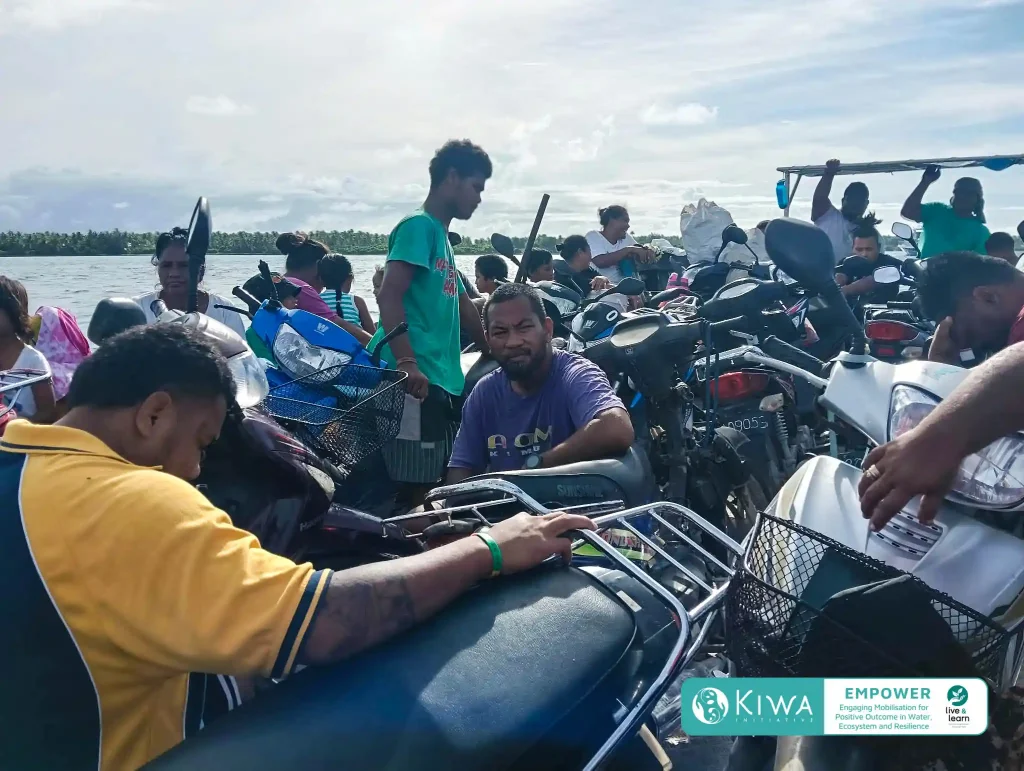
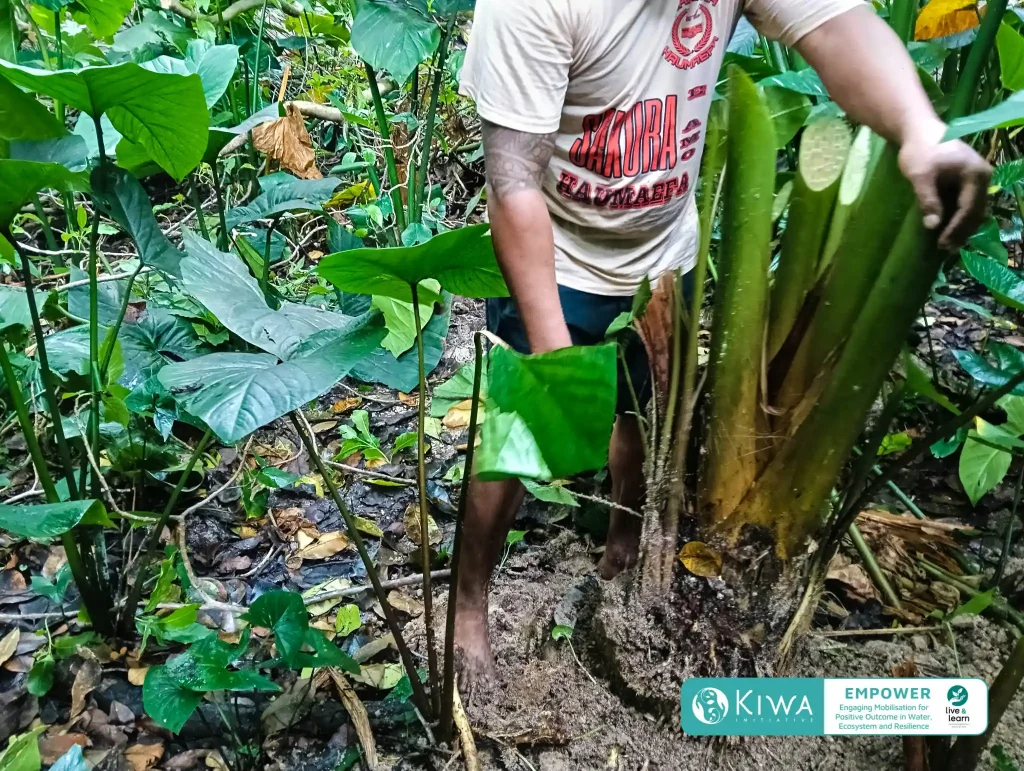
For years, the regular arrival of supply ships at Nanumea Island in Tuvalu signaled the restocking of local shop shelves. However, in recent weeks, severe weather conditions have reduced shipping frequency, leaving shelves bare and drastically depleting canned food supplies. In response, Nanumea islanders have turned to the fresh vegetables and root crops planted in their community through the Kiwa EMPOWER Project.

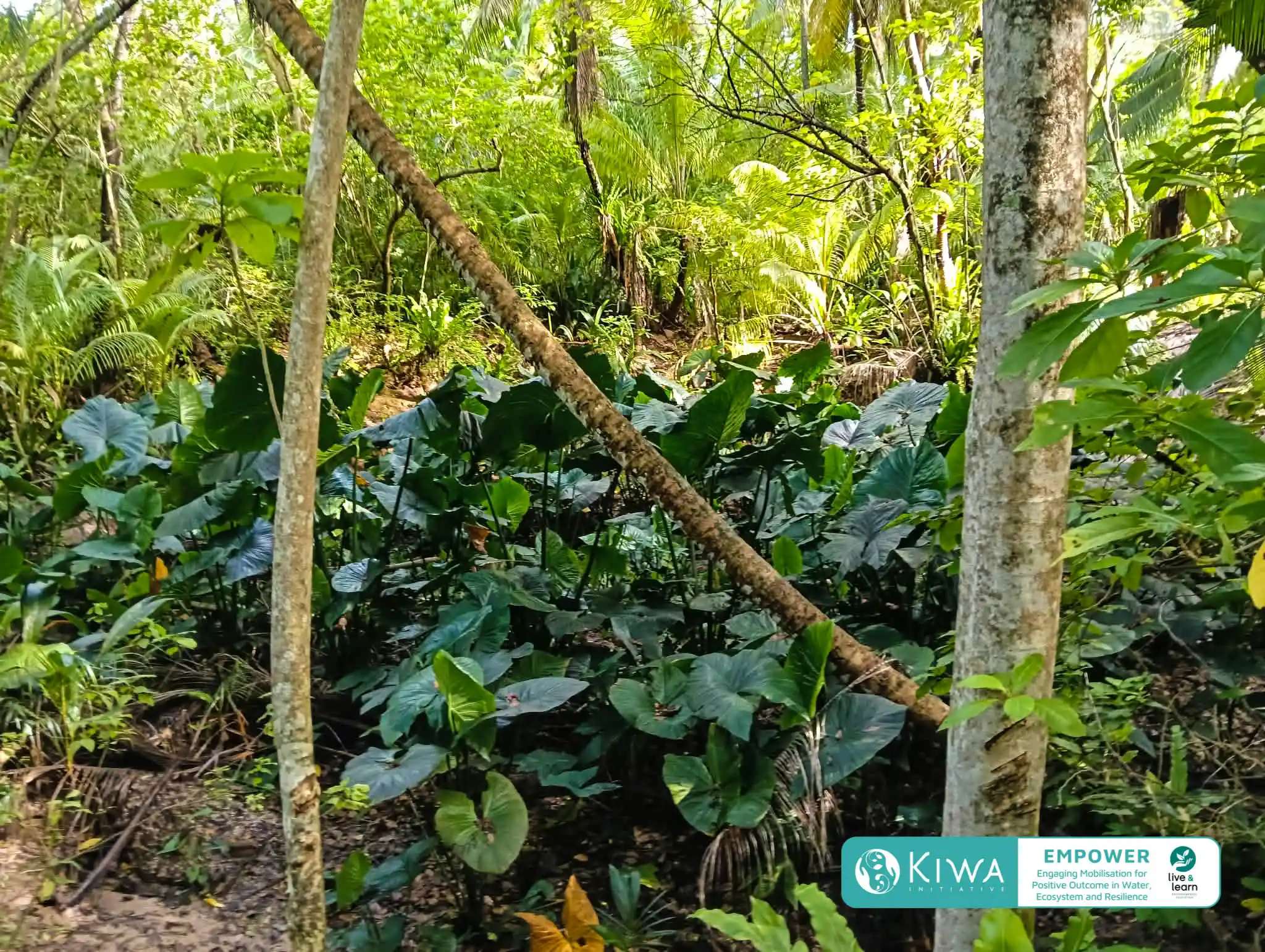
Kaipati Vevea, Project Officer for the Kiwa EMPOWER Project in Tuvalu, stated that owing to food shortages caused by delayed shipments, the village council decided to harvest the available vegetables and root crops from the community pulaka pits.

โ€œIt is very dry and we have bad weather with rough seas. The bad weather means the cargo ship canโ€™t come to outer island with food supply. The islanders here use imported foods for their daily stable meals and now they donโ€™t have food in store so now we go back and find food from Lakena from the pulaka pit. There is no drought, only a shortage of food supply on the main island. Last weekend, we caught small outboard fiber boats from Nanumea and travelled towards Lakena islet where we have our communal gardens and our pulaka pits. We plant there to make sure that there are no mosquitoes on our main island of Nanumea. Now families here are accessing fresh vegetables and root crops and there is a relief because our families now have food on their tables.โ€

The Kiwa Empower Project has been working closely with the 93 household community on the island through community-led initiatives to address climate change using nature-based solutions. This includes improving coastal protection using trees and mangroves, as well as increasing food security through agroforestry and home gardens incorporating traditional ecological knowledge and inclusion.

The Kiwa EMPOWER (Engaging Mobilization for Positive Outcome in Water, Ecosystem, and Resilience) Project combines ecosystem restoration, climate-smart agriculture, water resource management, indigenous knowledge, and inclusive decision-making to help communities thrive in a changing climate.

The Kiwa EMPOWER Project is being implemented by Live & Learn Fiji in partnership with Solomon Islands and Tuvalu and works in 24 communities to encourage the implementation of NbS through community initiatives that tangibly improve ecosystem health, functionality, and resilience, while strengthening livelihoods, food and water security in the context of climate change.

Australian Government Department of Foreign Affairs and Trade I European Union in the Pacific I La politique รฉtrangรจre du Canada โ€“ Affaires mondiales Canada I AFD – Agence Franรงaise de Dรฉveloppement I New Zealand Ministry of Foreign Affairs and Trade I Secretariat of the Pacific Regional Environment Programme – SPREP I IUCN OceaniaI Pacific-Community-SPC I Kiwa Initiative
Kiwa EMPOWER brings inclusive Drinking Water Safety Training

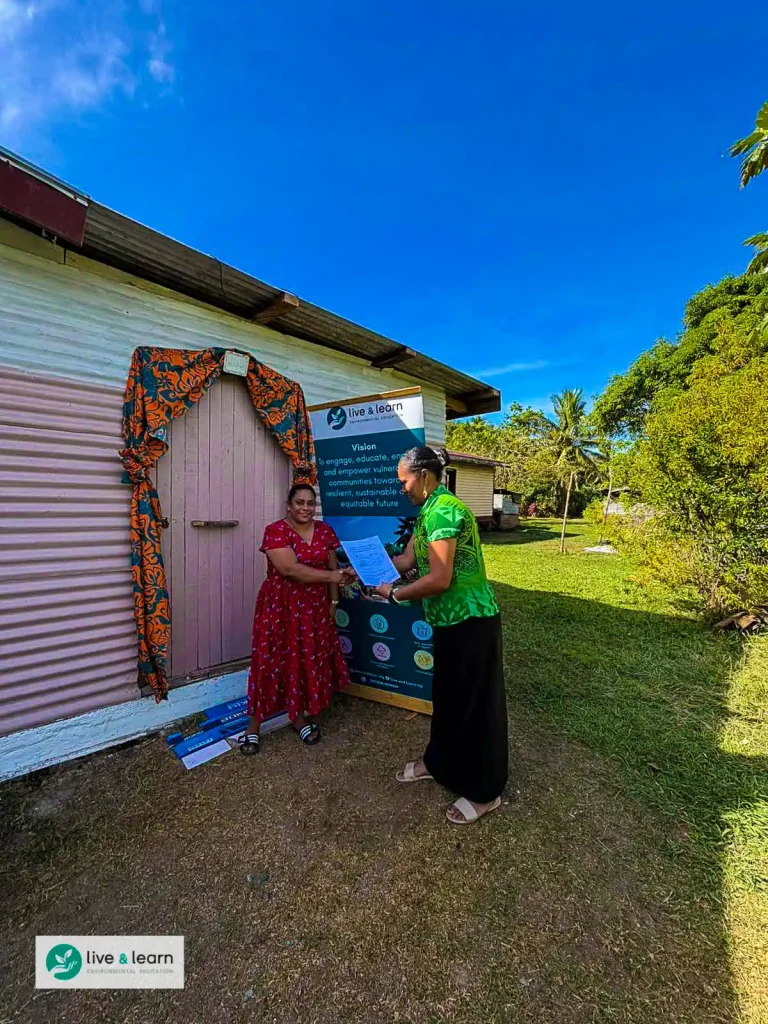
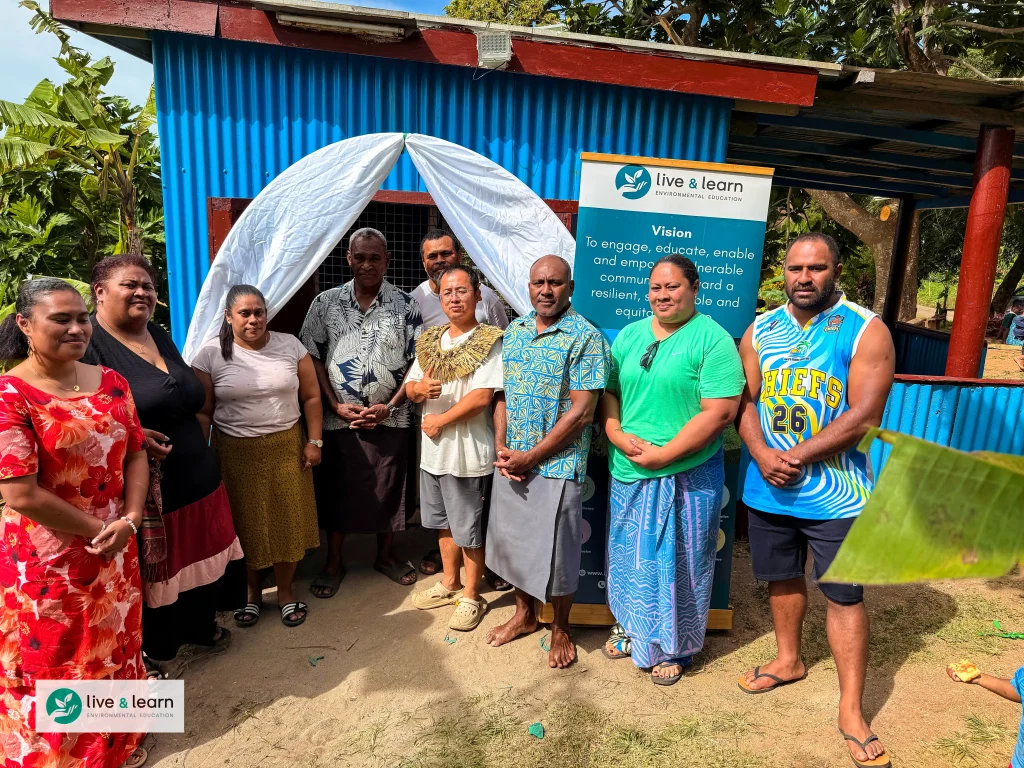
Community members of Naivaka village in Bua have expressed their gratitude for the Drinking Water Safety and Security Plan Training carried out following a 13-year lapse.

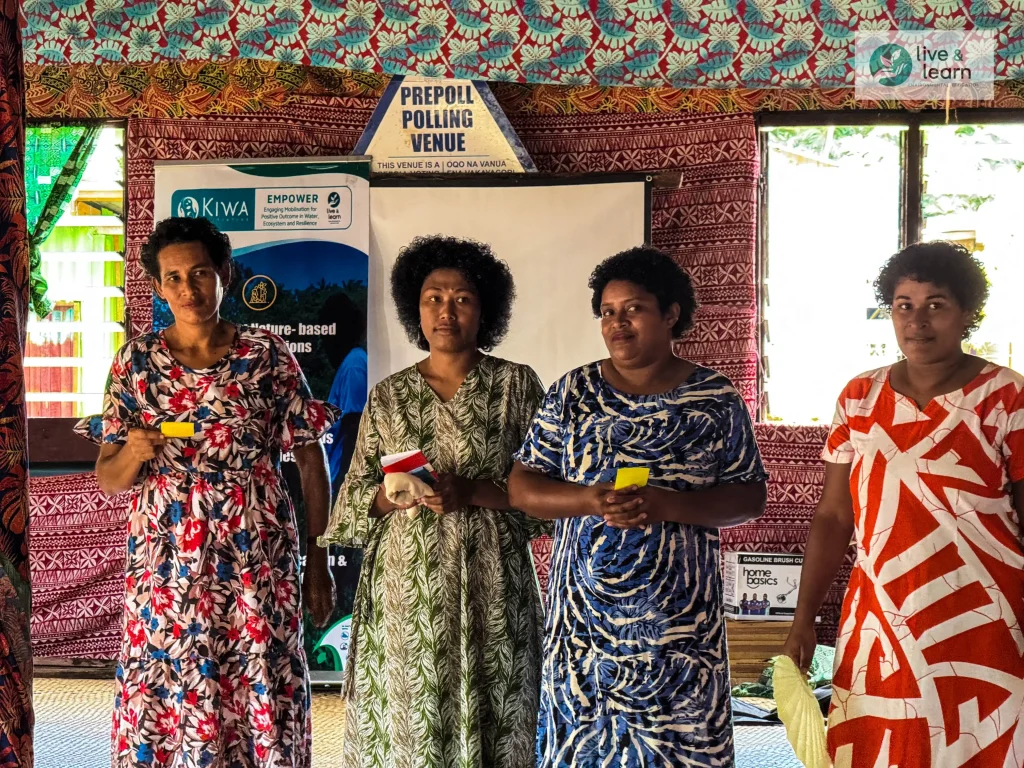
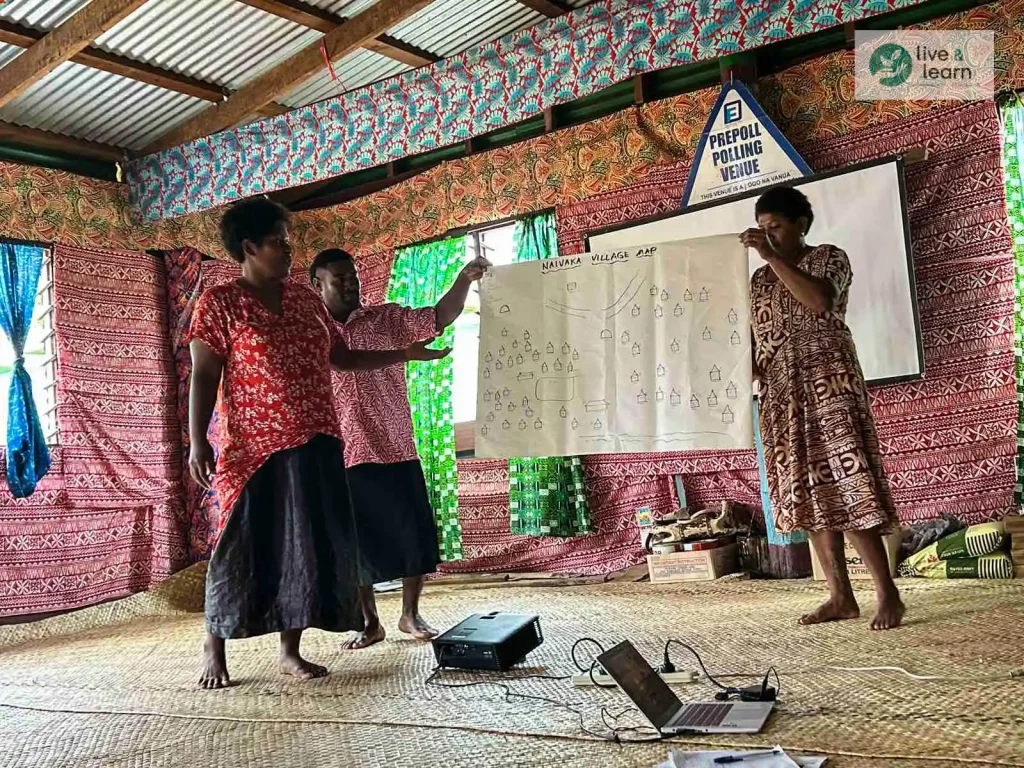
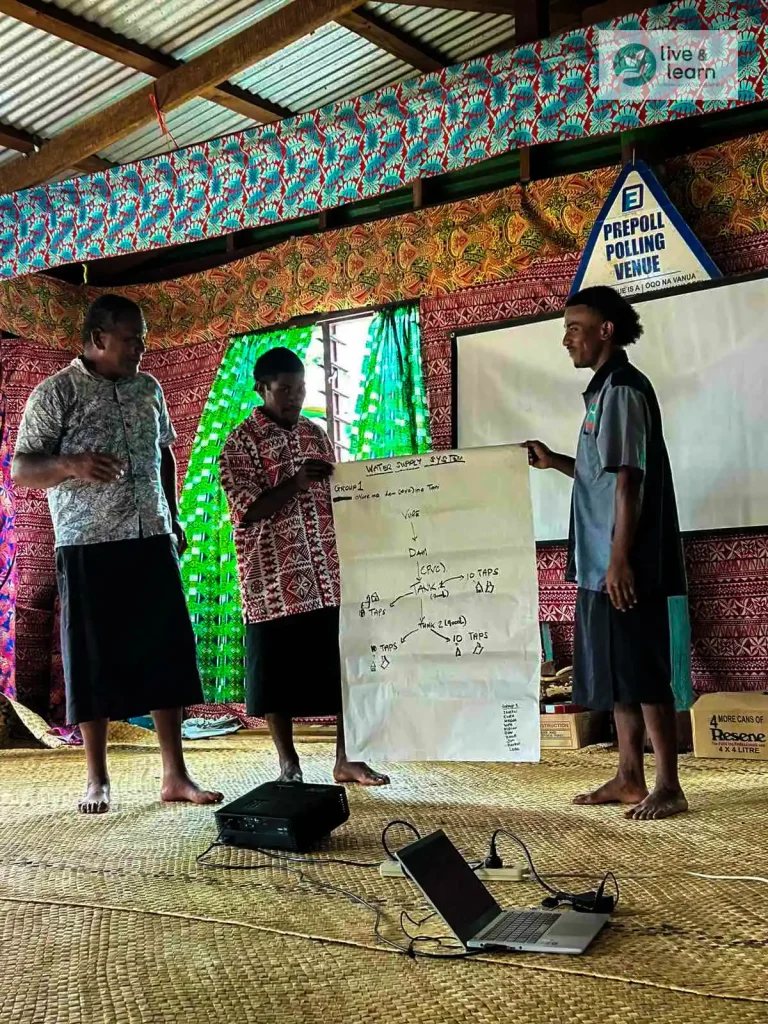
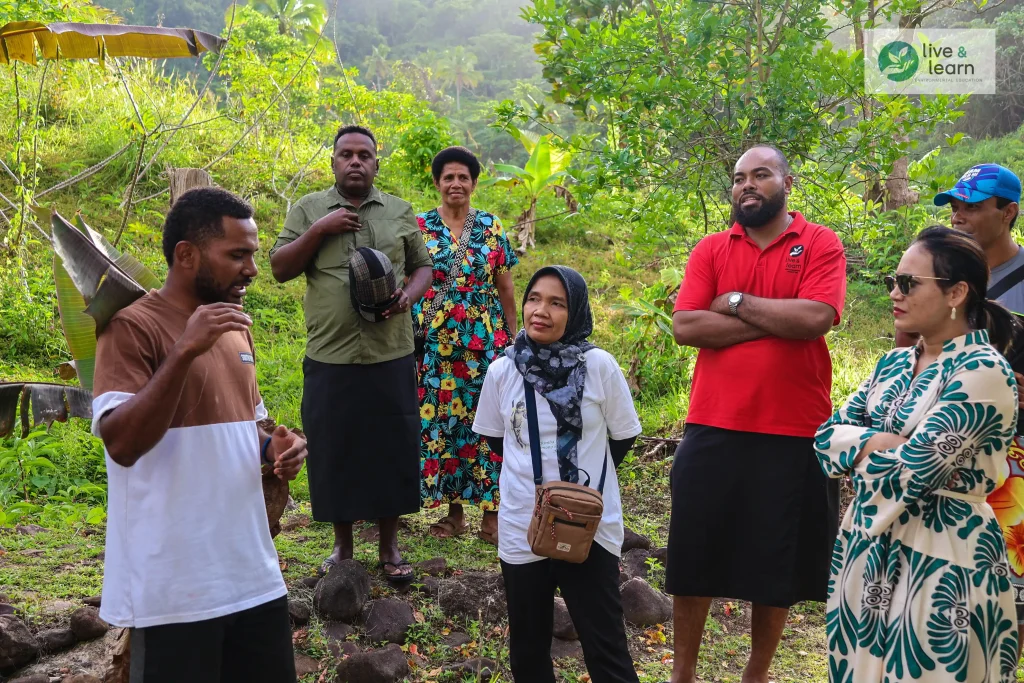
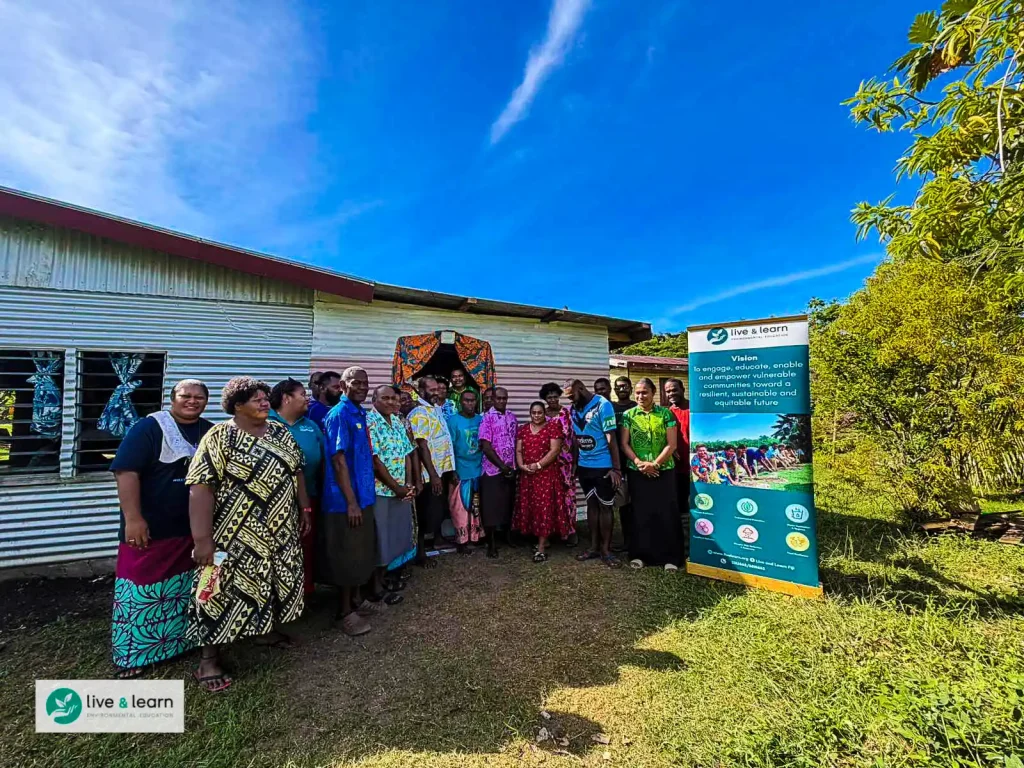
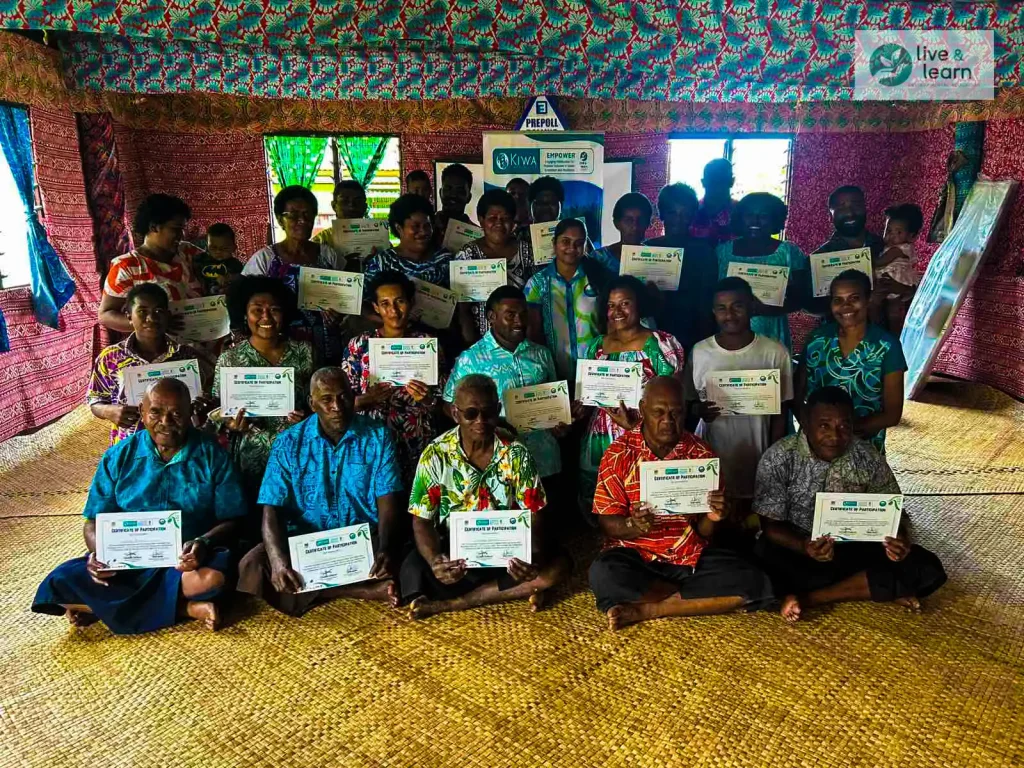
The Drinking Water Safety and Security Plan (DWSSP) training is an intensive, week-long program conducted by trained Health Inspectors from the Ministry of Health. They work closely with village water committee members and the broader community to assess, monitor, and safeguard the quality of their drinking water from the source to individual household taps. Awareness was raised on protecting their water source and identifying potential hazards and contamination risks.

The initiative provided hands-on training, with participants undertaking a full-day assessment from the water source down to the Ecological Purification System (EPS) and the tap. Participants also learned about various types of sanitation facilities, how to maintain hygiene, and the safe distance required between sanitation structures and household water supplies.

Speaking after the training, Dikinisa Sera a 34-year-old mother of two who has lived in the village for seven years noted that the training was a timely reminder, especially since the previous training only included select village elders. However, through the Kiwa EMPOWER Project, youth, women, and older persons were also included.

โ€œA few years ago, there were only a few taps in the village, and we used to walk to the communal pipe to access water for daily use,โ€ Sera said. โ€œNow, with each household receiving piped running water, we have become complacent. For those living in the village, the water supply is free and relies on solar power, so we don’t pay anything. However, with the training we received and the Ministry of Health’s focus on compliance and safety standards, we are now aware of our roleโ€”the need to monitor our water tanks and sources, repair cracks in the tanks, and keep animals out of the village. This training showed all of us, not just the Water Committee or elders, that cleanliness is important. From my point of view, real change can happen if we work together.โ€

Following the training, participants engaged in a brief reflection. The consensus was that the sessions opened their eyes to why protecting their water source is critical, particularly regarding threats from livestock and the risks of farming too close to the source.

The DWSSP training, which will benefit 214 villagers for years to come, resulted in the establishment of an inclusive new Water Committee for Naivaka Village. It also enabled the Health Inspector to map the community in detail, outlining individual households, sanitation facilities, water sources, and updated population figuresโ€”updating records that had been stagnant since 2013.

Naivaka is one of four communities selected for the specialized DWSSP training. It was identified by the Kiwa EMPOWER Project as a priority area due to its vulnerability to water shortages, a need previously highlighted by the community during a baseline survey across 20 communities in Cakaudrove, Bua, and Macuata.

Kiwa EMPOWER is a regional project implemented by Live & Learn Fiji across Fiji, the Solomon Islands, and Tuvalu. The project strengthens existing Nature-based Solutions (NbS) while contributing to climate change adaptation, food and water security, and biodiversity conservation – ensuring actions are equitable, inclusive, and responsive to all community members.

๐Ÿ‡ฆ๐Ÿ‡บ
๐Ÿ‡ซ๐Ÿ‡ท
๐Ÿ‡ช๐Ÿ‡บ
๐Ÿ‡ซ๐Ÿ‡ท
๐Ÿ‡ณ๐Ÿ‡ฟ

Australian Government Department of Foreign Affairs and Trade I European Union in the Pacific I La politique รฉtrangรจre du Canada โ€“ Affaires mondiales Canada I AFD – Agence Franรงaise de Dรฉveloppement I New Zealand Ministry of Foreign Affairs and Trade I Secretariat of the Pacific Regional Environment Programme – SPREP I IUCN Oceania I Pacific-Community-SPC I Kiwa Initiative
#Kiwainitiative#kiwaempower#NatureBasedSolutions#lleefiji#CommunityResilience#ClimateAdaptation#Fiji#Tuvalu#SolomonIslands#kiwaempowerproject#Kiwainitiative#PacificResilience#ClimateChangePacific#climatechangeadaptation#environment#cooperation#Resilience#adaptation#climatechange#pacifica#coastalecosystems#NatureBasedSolutions#ClimateAction#PacificResilience#kiwaempower#lleefiji#LLEESolomons#lleetuvalu#ClimateSmartAgriculture

First-ever kindergarten and infant school for Dakuni Village breaks ground

Date: 29 March 2026

By: Priya Nand

Media: Fiji Village

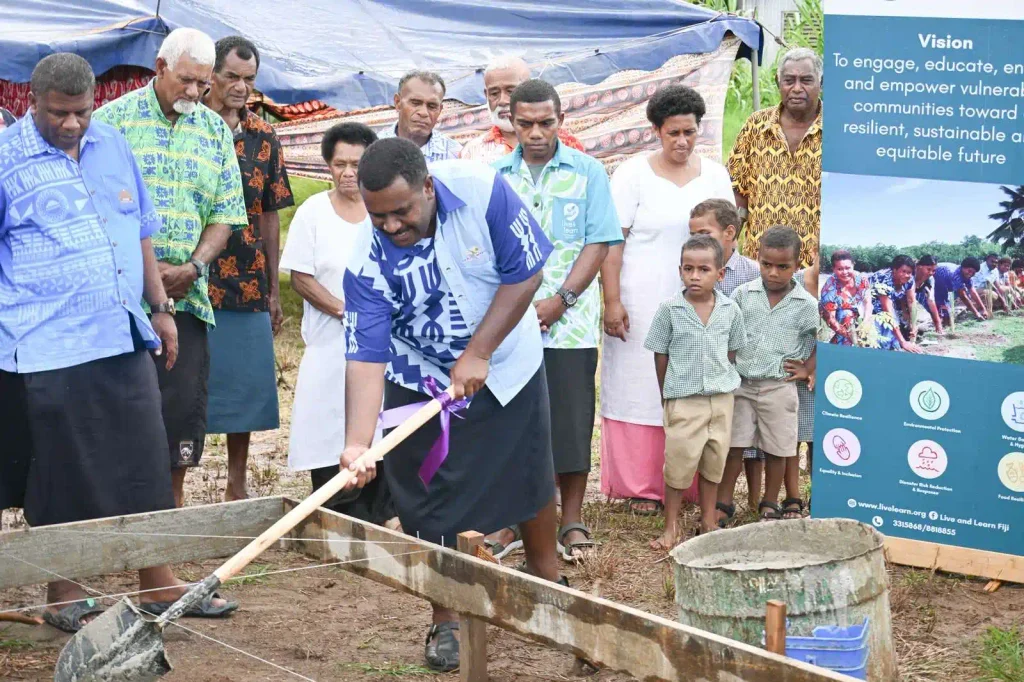
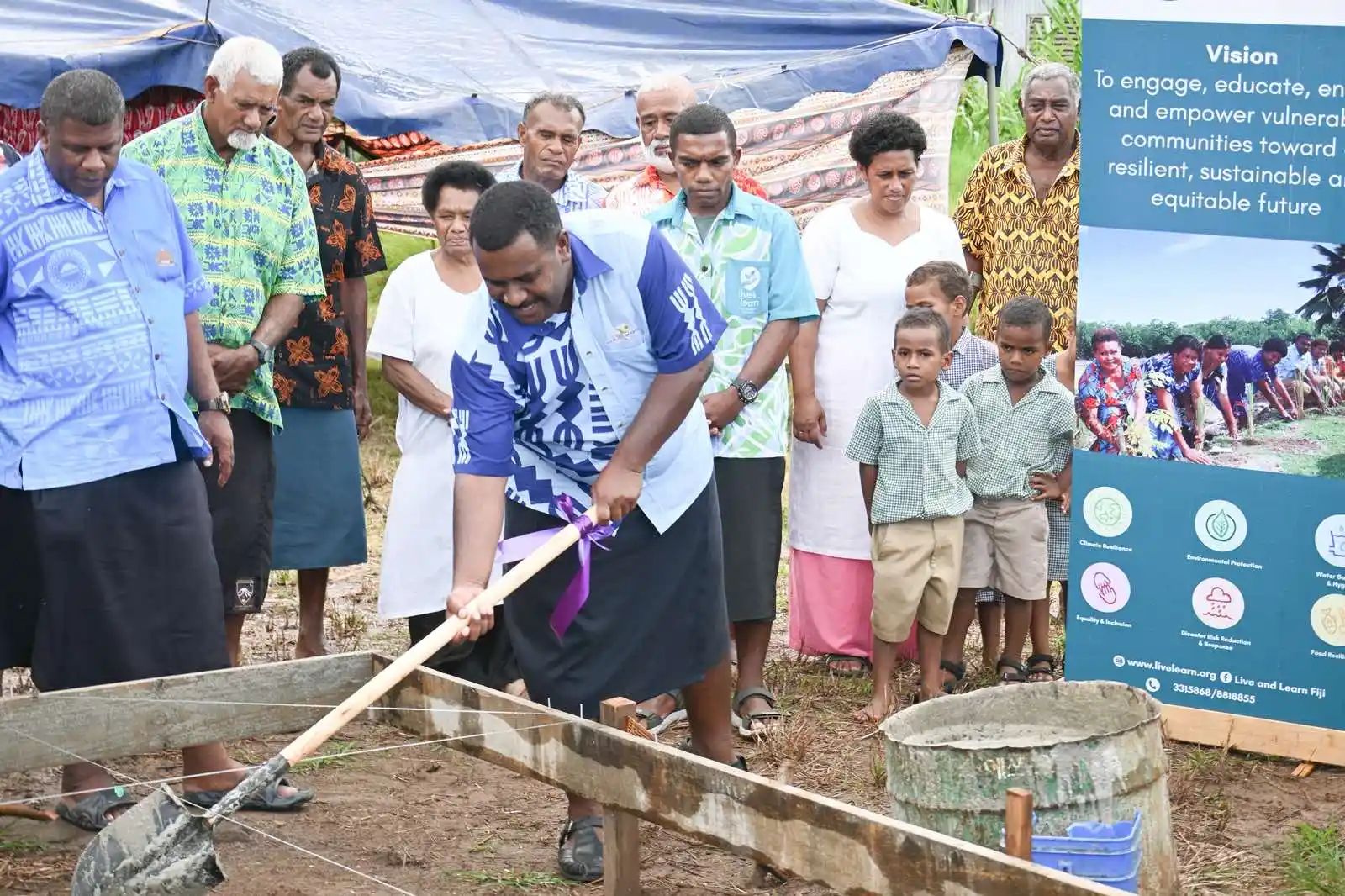
Children in Dakuni Village on Beqa Island are set to benefit from improved access to education following the groundbreaking of the communityโ€™s first-ever kindergarten and infant school.

The milestone project will allow young children to begin their education within the village, and will no longer have to travel to Dakuibeqa Primary School.

The kindergarten, valued at $72,000, is being funded by the Fiji Water Foundation in partnership with Live & Learn organisation, while the Dakuni Infant School, costing $37,000, is funded by the Fiji Government.

The project was officiated by the Assistant Minister for Youth and Sports, Aliki Bia and highlights the importance of investing in education from an early age and ensuring children in rural communities are not left behind.

The project will not only improve access to early education but also ease the burden on families, strengthen village life, and create better opportunities for the next generation.

For Dakuni Village, this is more than just a school; it is a foundation for a brighter future.

Link: https://www.fijivillage.com/news/first-ever-kindergarten-and-infant-school-for-dakuni-village-breaks-ground-7d5eeb/

Powering healthcare in Lomaloma.

Source: Fiji Times (Feature Article)

Date: 30th March 2026

By ALIFERETI SAKIASI

Gone are the days when healthcare workers at Lomaloma Sub-Divisional Hospital had to rely on lamps and inconsistent power to store essential medicines or administer lifesaving treatments.

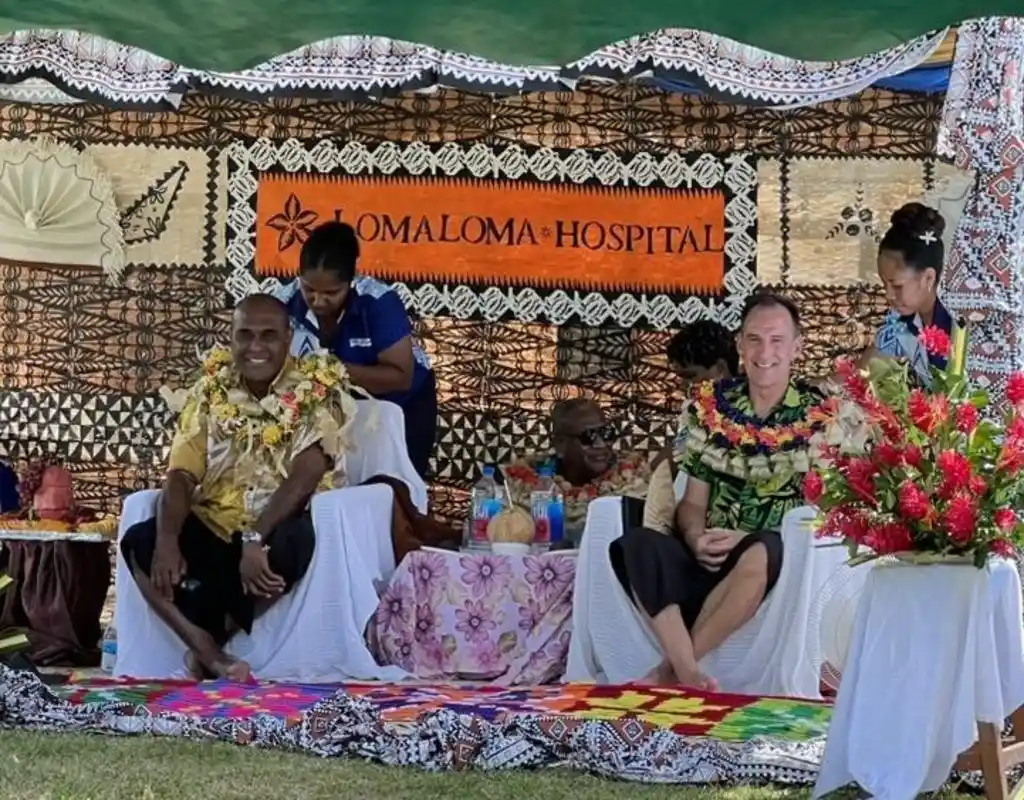
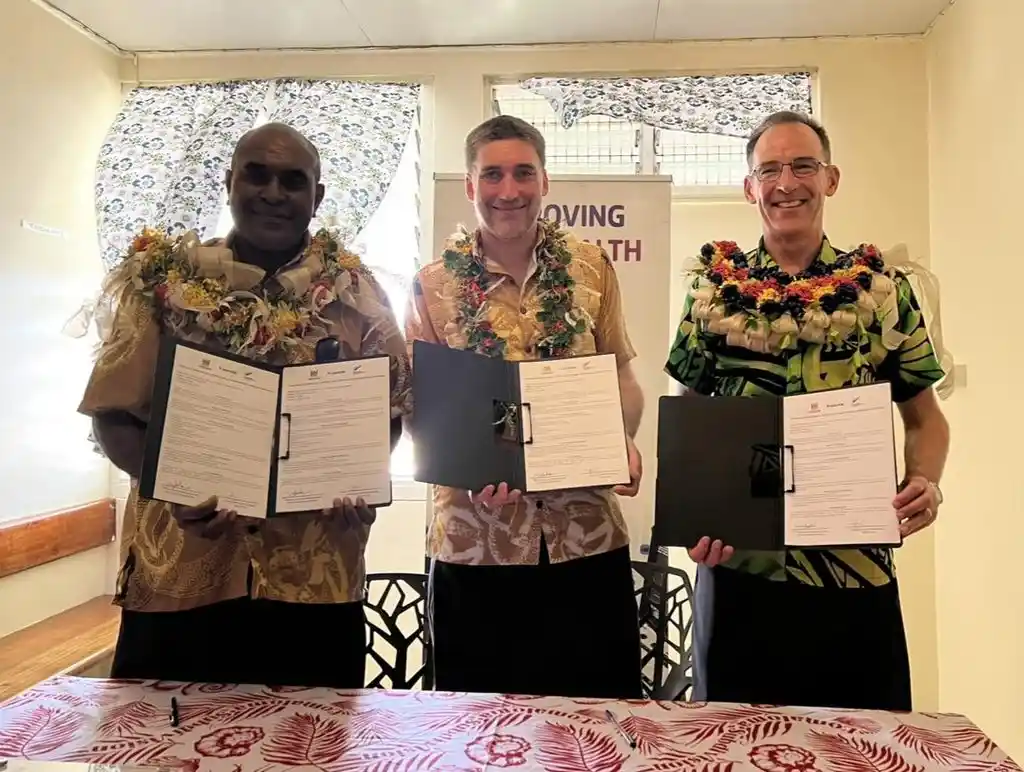
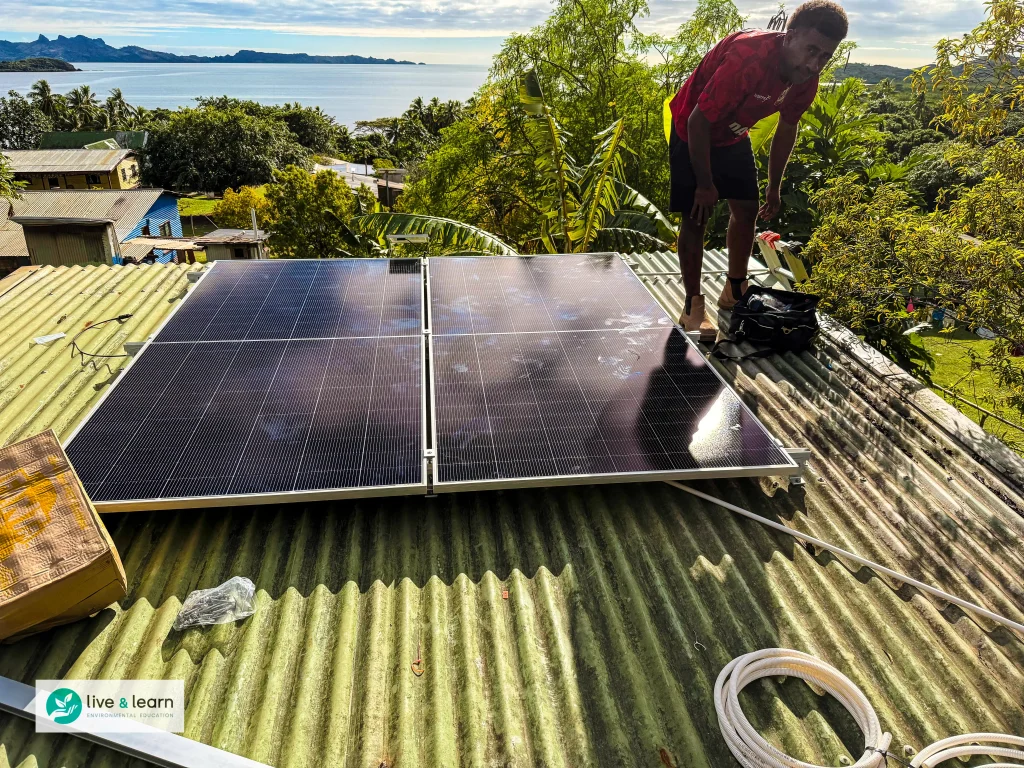
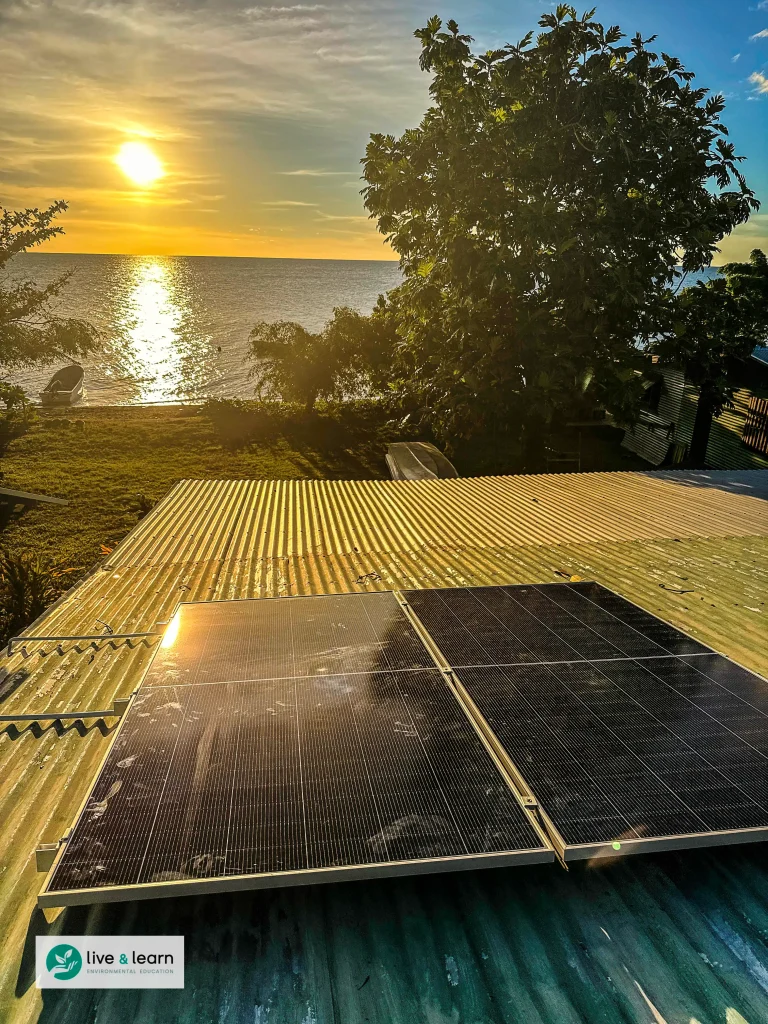
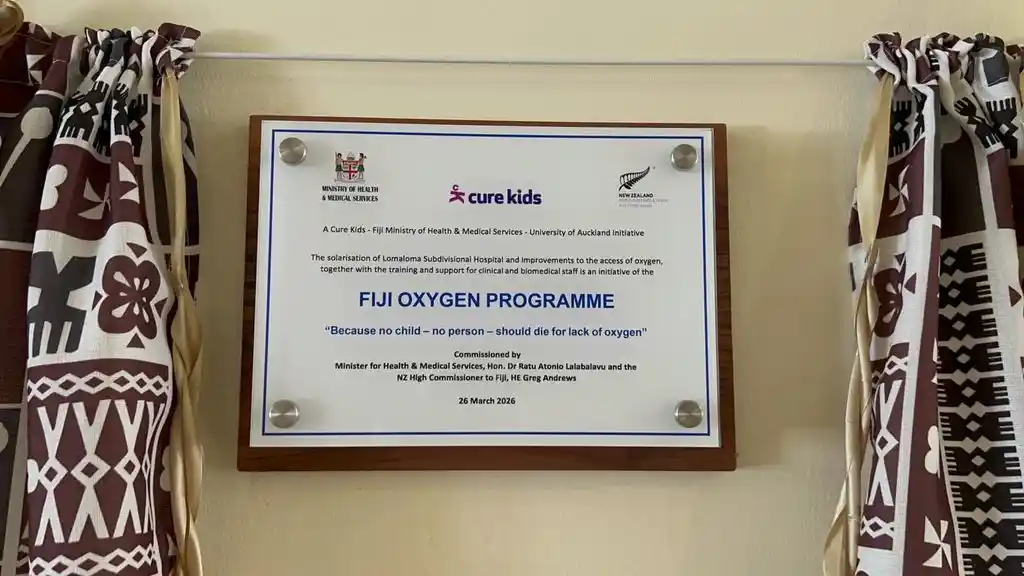
A newly commissioned solar energy system, funded by New Zealandโ€™s Ministry of Foreign Affairs and Trade (MFAT) and delivered through a partnership led by Cure Kids Fiji and the Fiji Ministry of Health and Medical Services Oxygen Programme, now ensures reliable electricity for the hospital and its medical equipment.

The commissioning ceremony, held on last Thursday, was attended by Ministry officials, the people of Vanua Balavu, and representatives from project partners including the University of Auckland, Live & Learn Environmental Education, Azimut 360, Fiji National University, and CBS Power Solutions (Fiji) Ltd, who completed the installation.

Three additional solar sites at Korotasere Health Centre, Yaqeta Nursing Station, and Yanuya Nursing Station were also officially commissioned.

A life-saving initiative

Speaking at the ceremony, Udila Tawake, National Coordinator for the Fiji Oxygen Programme, highlighted the critical role oxygen plays in saving lives.

โ€œSevere pneumonia and newborn illness remain the leading causes of death among children in Fiji,โ€ she said.

โ€œAdequate oxygen treatment reduces deaths from severe pneumonia by 35 per cent. Oxygen is not just a treatment โ€“ it is essential for life, from newborns to the elderly, and from emergency to routine care.โ€

The Fiji Oxygen Programme, which consists of 11 Ministry of Health staff and five Cure Kids personnel, including biomedical technicians and engineers, has been at the forefront of ensuring standardised and sustainable access to oxygen across Fiji.

The programme supports the installation of solar panels in rural and maritime areas to guarantee a reliable power source for oxygen delivery systems.

โ€œBy integrating renewable energy solutions, we are improving health care outcomes and building a climate-resilient health system for the future,โ€ Ms Tawake said.

โ€œThis ensures our healthcare workers can deliver quality care in a safe and efficient environment, while patients receive the oxygen therapy they need when it matters most.โ€

Government support and collaborationMinister for Health and Medical Services, Dr Ratu Atonio Rabici Lalabalavu, praised the partnership with New Zealand, which has already funded similar solar projects at Nacula Health Centre in Yasawa and five other health facilities across Fiji.

โ€œThis initiative improves both the working conditions of our staff and the level of care provided to the community,โ€ Dr Lalabalavu said.

โ€œThe solar panels, costing $249,000, will not only power oxygen concentrators but also supply electricity to the entire facility, ensuring uninterrupted service and safety for both staff and patients.โ€

The Lomaloma Sub-Divisional Hospital serves a population of 2,871 across 16 villages and five private estates.

Dr Lalabalavu emphasised that reliable oxygen supply is particularly critical for rural and maritime communities, where consistent electricity and medical resources are often a challenge.

โ€œFacilitating round-the-clock availability of oxygen will improve access to oxygen therapy for patients presenting with respiratory illnesses. This timely treatment is lifesaving and reduces child mortality significantly,โ€ he said.

Building capacity for sustainable health

Beyond infrastructure, the Fiji Oxygen Programme and Cure Kids are investing in capacity building.

Training healthcare workers, developing standard operating procedures, strengthening maintenance systems, and creating national policies ensure the sustainability and long-term impact of the programme.

โ€œThis work is driven by our ambition to support respiratory patients across Fiji while recognising the importance of our healthcare workers,โ€ Ms Tawake said.

โ€œReliable solar energy means that staff have the resources they need to provide excellent care, and communities can be assured that lifesaving oxygen is always available.โ€

The commissioning of the solar energy system at Lomaloma marks a significant step in creating a resilient and sustainable healthcare system, ensuring no one in Fiji dies due to a lack of oxygen

Link: https://www.fijitimes.com.fj/feature-powering-healthcare-in-lomaloma/

Drawa Forest draws Pre COP 31 delegates

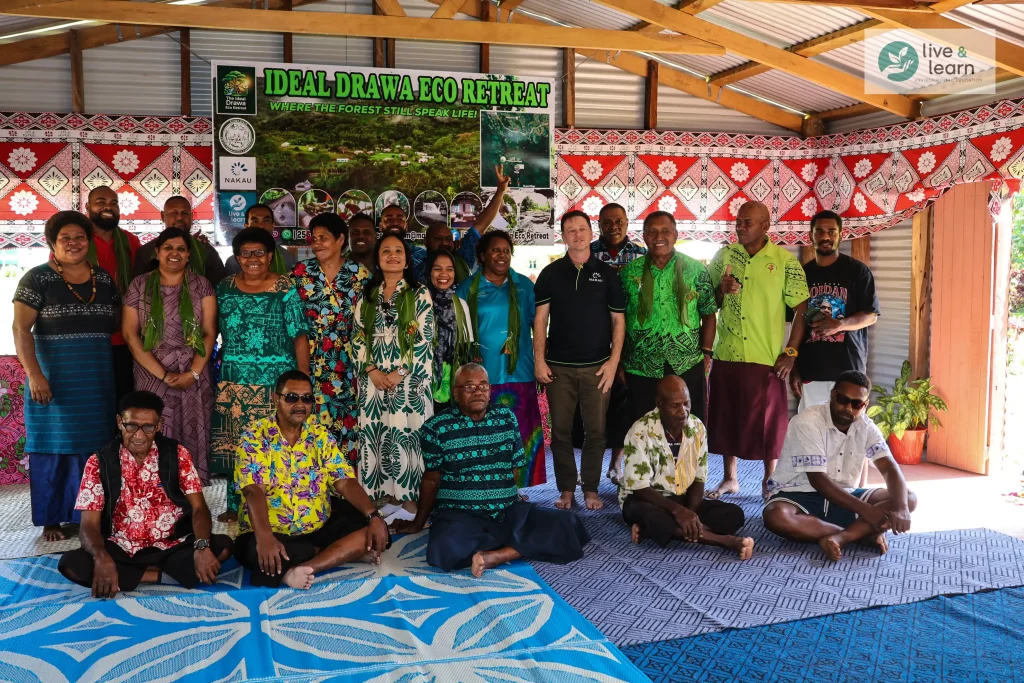
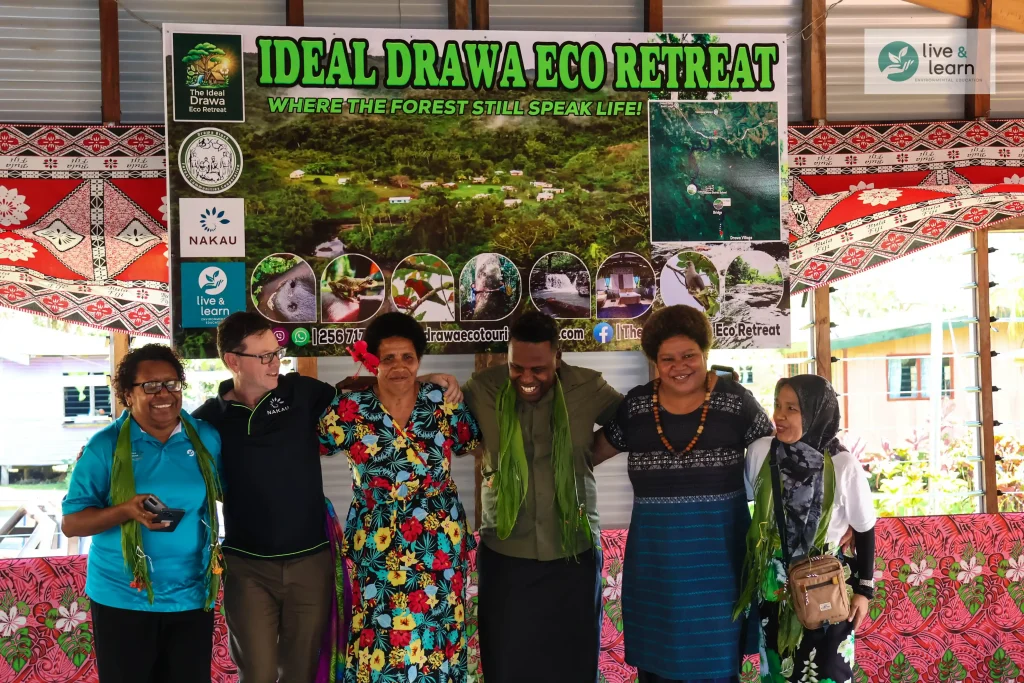
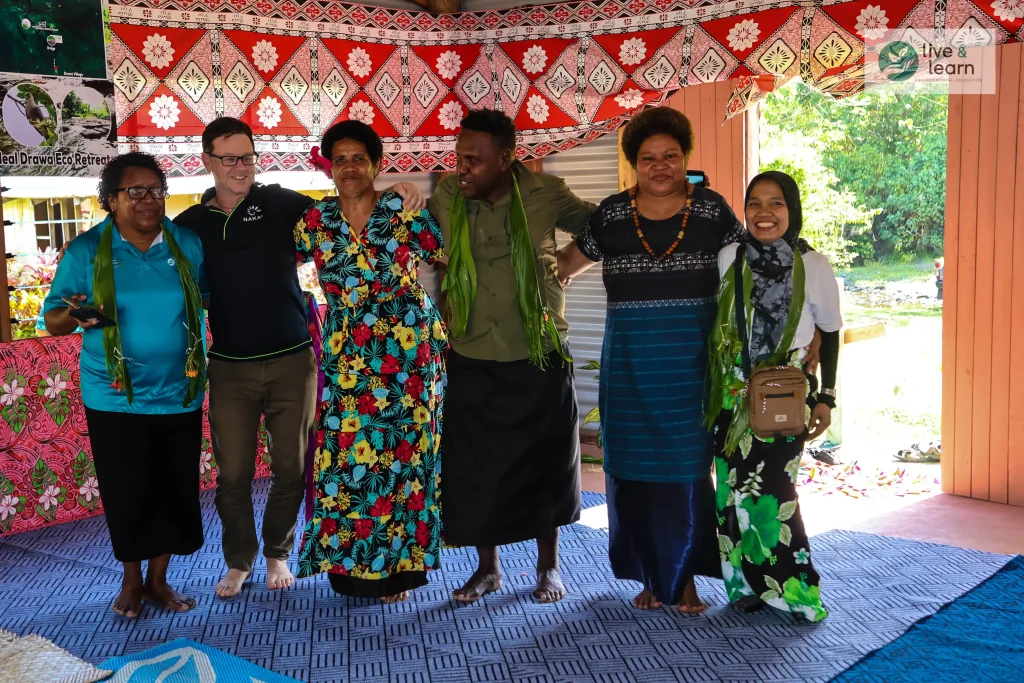
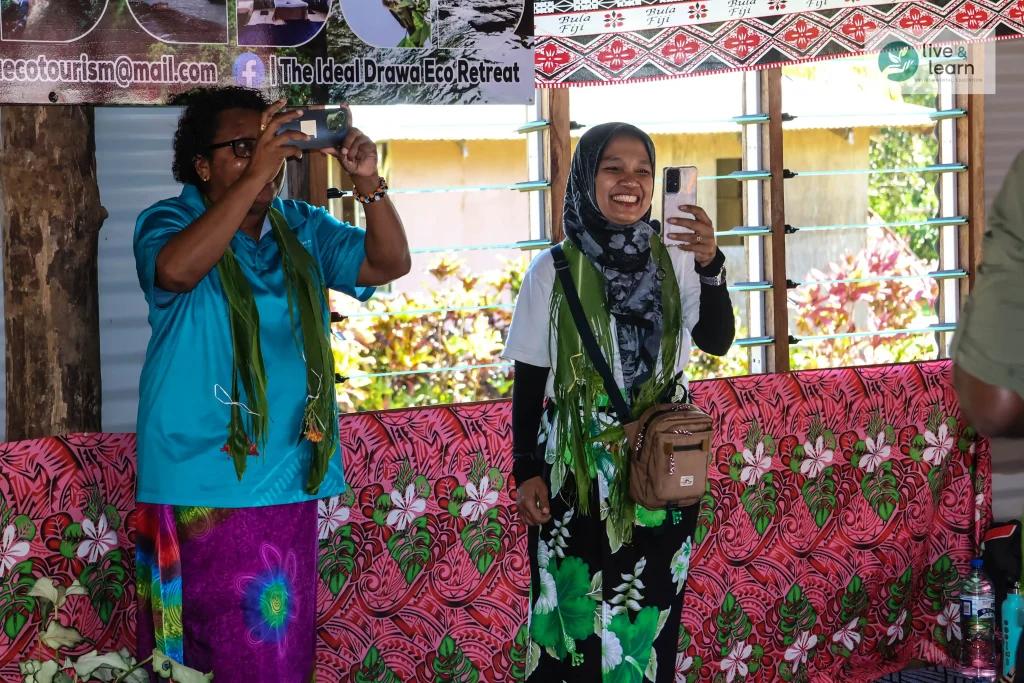
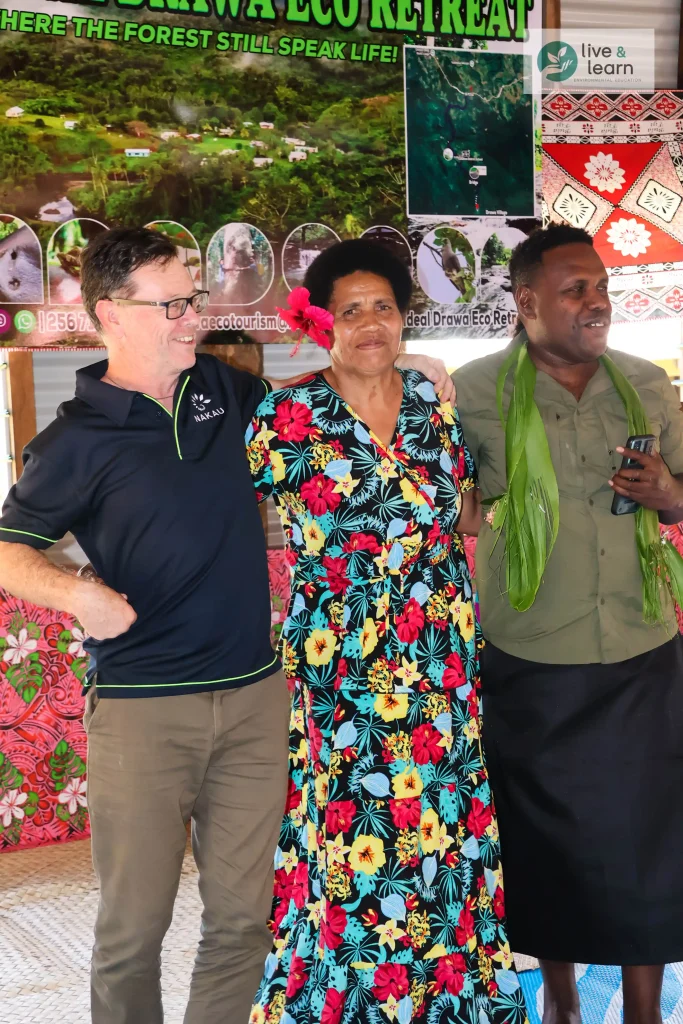
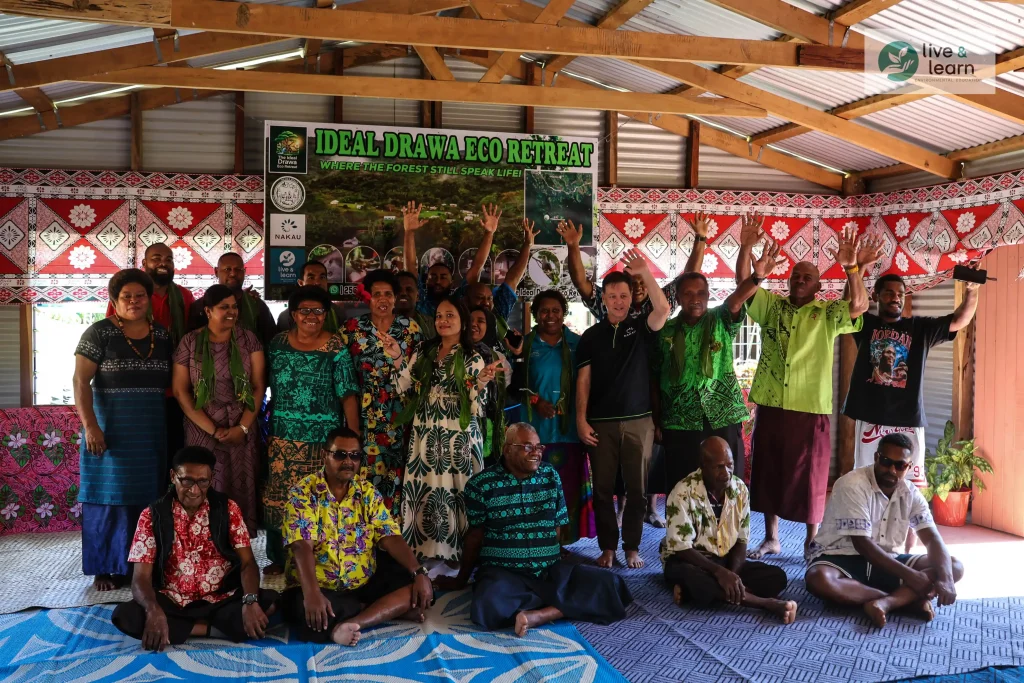
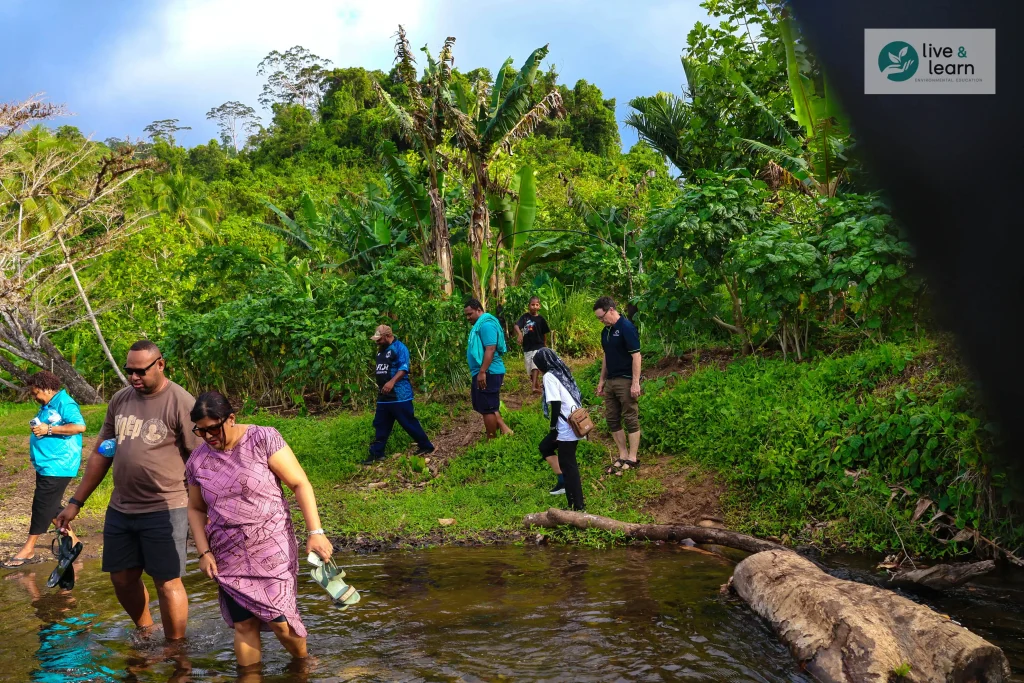
The Drawa block forest conservation Project continues to receive praise as a leader in indigenous led conservation efforts following a recent visit by a select number of Pre COP31 delegates.

The Forest conservation Project is a community led initiative involving 8 mataqalis or land-owning units and sits on nearly 4,000 hectares of protected primary forest. This is Fijiโ€™s first verified community-owned REDD+ and carbon trading project which was launched in 2011.

Instead of logging their forest, landowners sell their carbon credits to generate sustainable income.

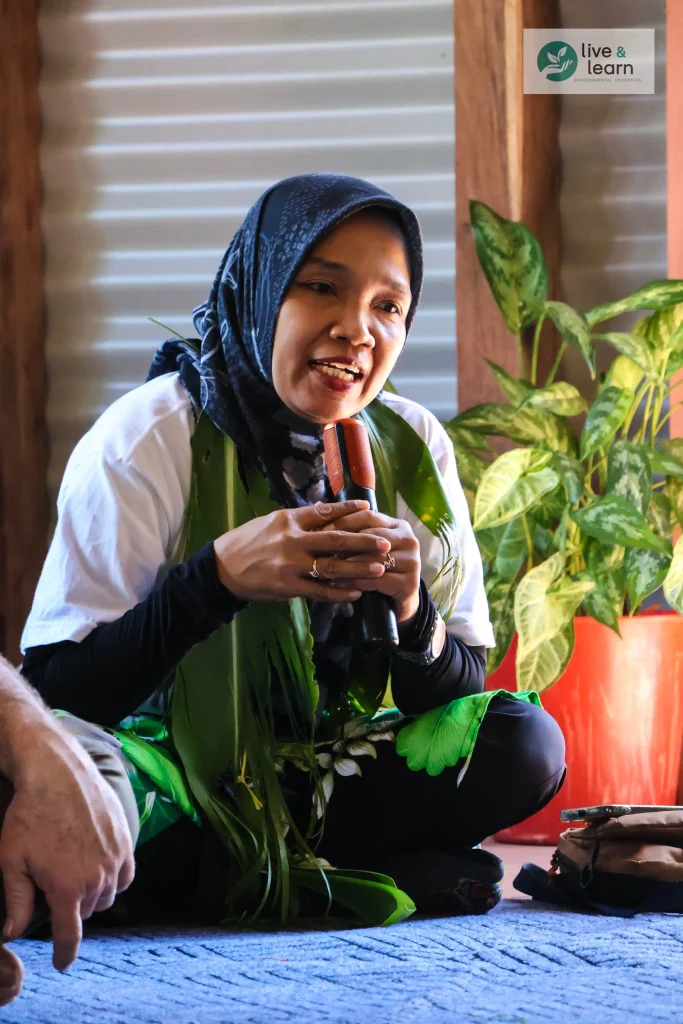
The delegates included Live & Learn Solomon Islands Carbon and Conservation lead Mr Bill Rerigeto Apusae, Solomon Island Government representatives Mr David Tufi who is the Chief Climate Change Officer-Mitigationand Mr Sammy Airahui who is the National Programmes Coordinator and Secretary for the Green Climate Fund (GCF) National Designated Authority within the Solomon Islands Ministry of Environment and Climate Change. Also present were Ms Emmy Primadona who is the Project and Policy Coordinator for the Indonesian Conservation Community (KKI WARSI) and Mr Albert Milala who is a Senior Adaptation Officer at the Climate Change and Development Authority (CCDA) in Papua New Guinea. They were further supported with the presence of the Country Manager for Live & Learn Papua New Guinea, Ms Rosemary Isicar and Dr. Rakeshni Lata and Ms Sherylin Hassan who are both Pacific Island environmental and climate specialists from Fiji, both of whom work on regional climate resilience and environmental sustainability programs.

The peer-to-peer exchange allowed for representatives of the eight landowning units to be present along with members of the Drawa Block Forest Communities Cooperative (DBFCC) along with Live & Learn Fijiโ€™s REDD+ Coordinator Mr Beato Dulunaqio and Nakau Programmeโ€™s Chief Executive Officer Mr Robbie Henderson.

The visiting delegates were able to learn firsthand some of the challenges the landowners themselves had experienced and how they were able to overcome these identified challenges. Speaking on the communityโ€™s journey into carbon trading, Mrs Waita Dikica, Business Manager and Committee Member of the Drawa Block Forest Communities Cooperative, told delegates that it took seven years of sustained awareness and consultation to secure the free, prior and informed consent of the indigenous landowners before the project went ahead. Mrs Dikicaโ€™s presentation also highlighted the benefits the project has brought to different groups within the community.

โ€œI am a committee member and I can tell you that this has been a long journey before we could start trading carbon. Live & Learn Fiji took seven years visiting the villages and landowning units, raising awareness on carbon trading and the importance of preserving our forests. We learnt a lot. For us, the project taught us a lot and empowered us to make decisions not only for us but our future generations. At a personal level as a woman living in the village, my journey with the project has enabled me to now make presentations on behalf of the carbon business โ€“ DBFCC to Directors, Executives and even decision makers like iTLTB. From the carbon income received we have set up an education fund, opened three village canteens run by the women of the land-owning units, invested in building community halls and footpaths within the village to allow for easier movement of our community members including the elderly and persons with a disability. We have also supported the purchase of 3 brush cutters for each of the youth groups and their rugby jerseys. The Carbon trading business has helped us preserve our forests and at the same time we are earning a living from it. We employ our youths as forest rangers. They have been upskilled in applying specialist tools to monitor the trees and our forest. All of this has been achieved through our forests.โ€

Responding to questions on why the Drawa Forest Conservation Forest has been a success despite the challenges, Live & Learn Fijiโ€™s Beato Dulunaqio who has been looking after the REDD+ Drawa Forest Conservation Project for the past 6 years, says that the main motivator has been open dialogue.

โ€œThis is a big project and a new one when it was first introduced. For Live & Learn Fiji, we have adopted an approach where we believe that for any Project to be successful, it needs to be community led and that is why we work closely with the whole community. It is all about awareness and being honest instead of promising things which may not eventuate as this will lead to distrust from within the community. For the Drawa Project, we took seven years working closely with stakeholders and the Nakau Programme ensuring that the landowners were included from the start to make decisions on managing their resources such as their forests. This is why we have been able to reach this far.โ€

Speaking on her experience following the visit, Live & Learn PNG Country Manager, Rosemary Isicar highlighted that they have always heard of the Drawa forest conservation project and seeing it for the first time has been an experience she will never forget. She further added that seeing first-hand how it has brought about sustainable benefits to the land-owning units has provided them with a pathway to work with their communities and to also advocate for such projects back in Papua New Guinea. She further added that seeing the canteen in Drawa village and listening to how the women manage the canteen has provided useful insights for community projects in areas where they can work for equitable participation.

In rounding off their visit, Sherylin Hassan praised the diligence and support shown by the young forest rangers as well as the landowning units adding that their work is making headways both nationally and internationally; not only as Fijiโ€™s first community-owned REDD+ carbon trading project but is also a success story in Nature based Solutions to climate change, adding that Drawa Forest is one of Fijiโ€™s largest Nature based Solutions (NbS) initiative.

Live & Learn Environmental Education Fiji and the Nakau Programme have supported the Drawa Block Forest Communities Cooperative since the projectโ€™s early development, with Live & Learn Fiji coordinating the partnership in Fiji with the DBFCC and Nakau providing technical support for the sale of carbon credits on the international market.

Source: Love & Learn Fiji

Cikobia receives bottled water relief

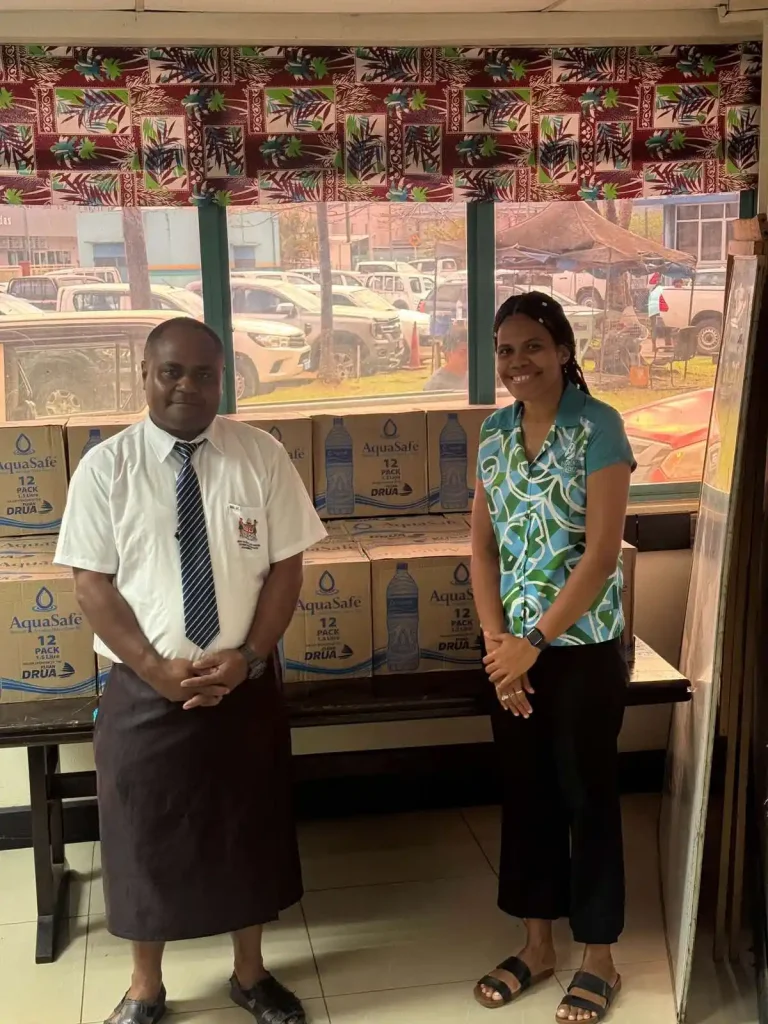
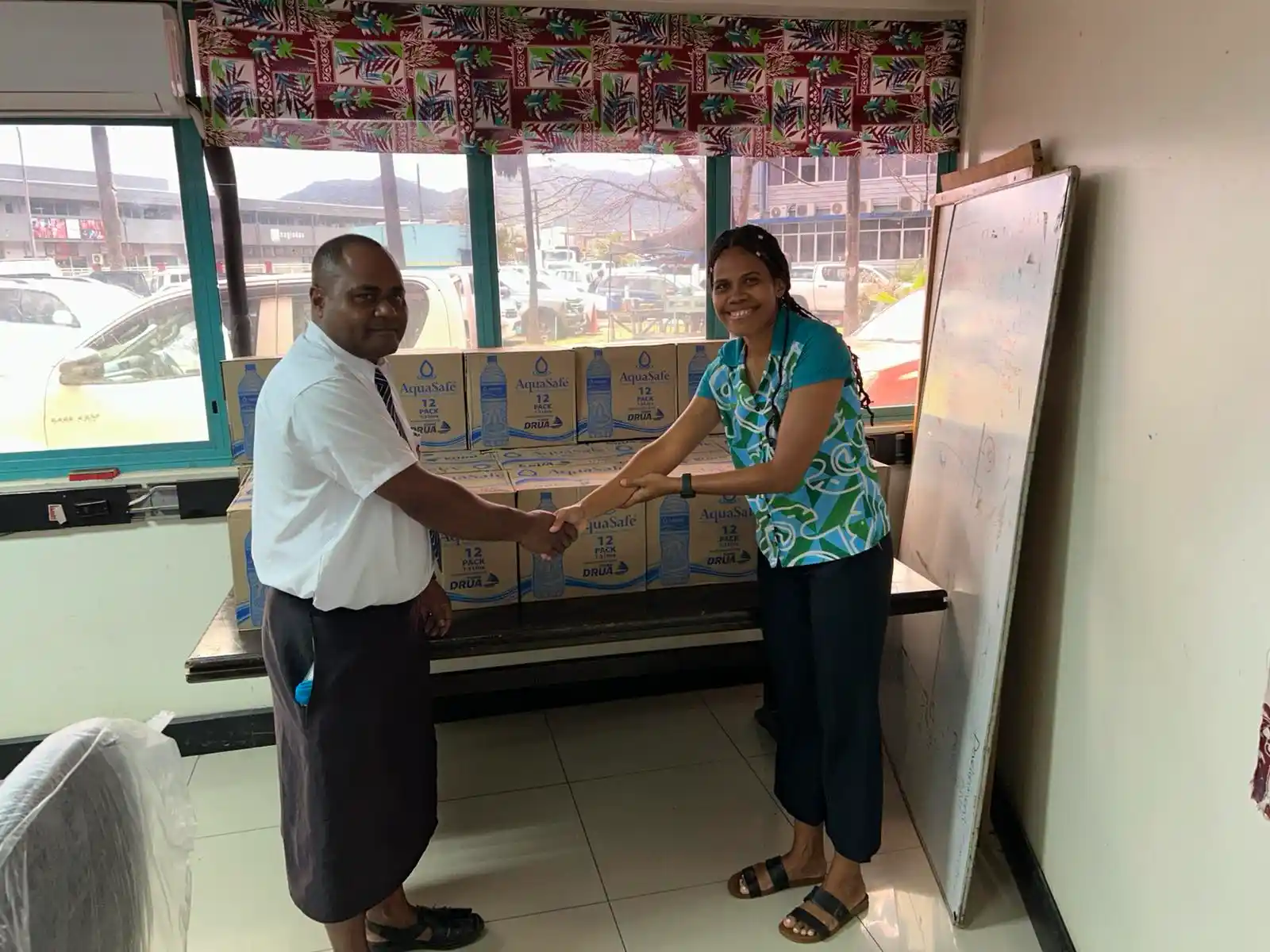
Residents of remote Cikobia Island in Macuata have received an immediate boost to their drinking water supplies, with 20 cartons of bottled water donated to support communities facing ongoing water challenges.

The assistance was handed over by Live & Learn Fiji to the Macuata Provincial Administration office in Labasa, for distribution to the island as the country prepares for possible prolonged dry conditions associated with El Niรฑo. Cikobia is particularly vulnerable during extended dry periods because of its limited water sources.

Reduced rainfall can place additional pressure on available supplies, making access to safe drinking water a critical concern for villagers, particularly children, the elderly and other vulnerable members of the community. The donation was presented by Live & Learn Fiji Senior Project Officer for Kiwa EMPOWER, Alanieta Ratuvakalevulevu, and received by Macuata Provincial Administrator Revoni
Rakasalu.

The organisation says it will continue to support rural and remote communities where assistance is needed, including communities that face challenges accessing essential resources. For Cikobia, the bottled water is expected to provide temporary relief for drinking purposes, particularly during periods when local water sources become limited. Access to safe drinking water is essential during prolonged dry conditions, not only for daily consumption but also to reduce the risk of people relying on unsafe or untreated water sources.

The Macuata Provincial Administration says it continues to monitor the situation and remains open to assistance that can support communities across remote and rural areas of Vanua Levu. For Cikobia, however, the immediate relief also highlights a longer-term challenge ensuring the island has a reliable and sustainable supply of safe drinking water as dry conditions become more frequent and severe.

Story by: FBC News

Date: 28/09/2026

Link: https://www.fbcnews.com.fj/news/cikobia-receives-bottled-water-relief/

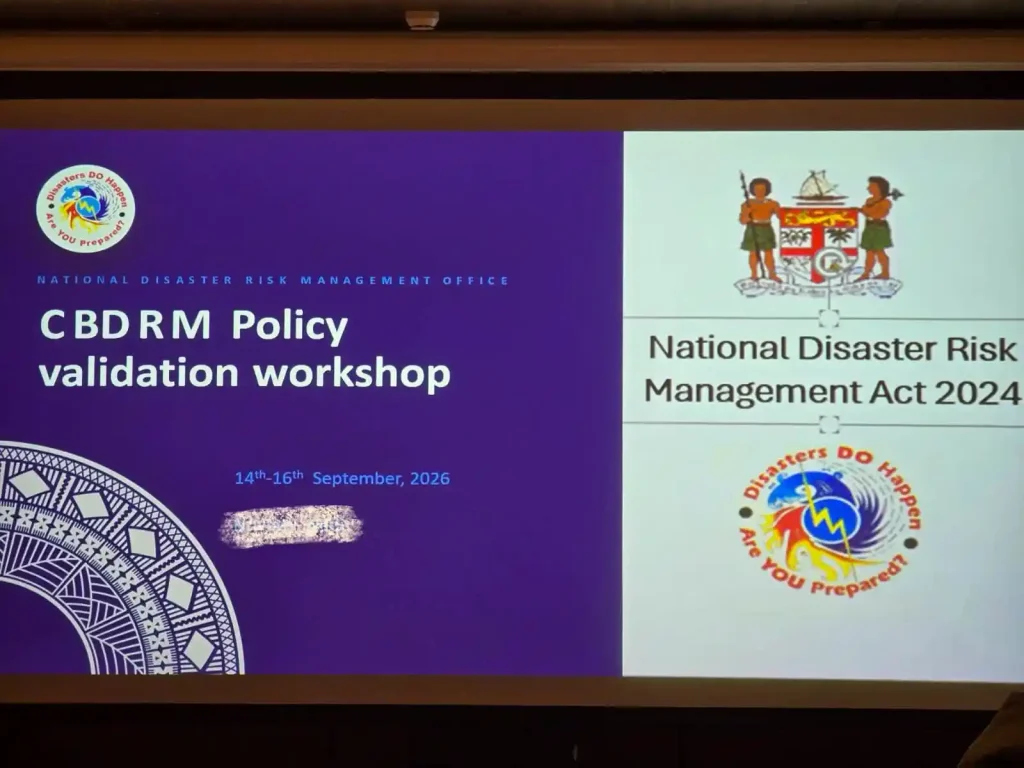
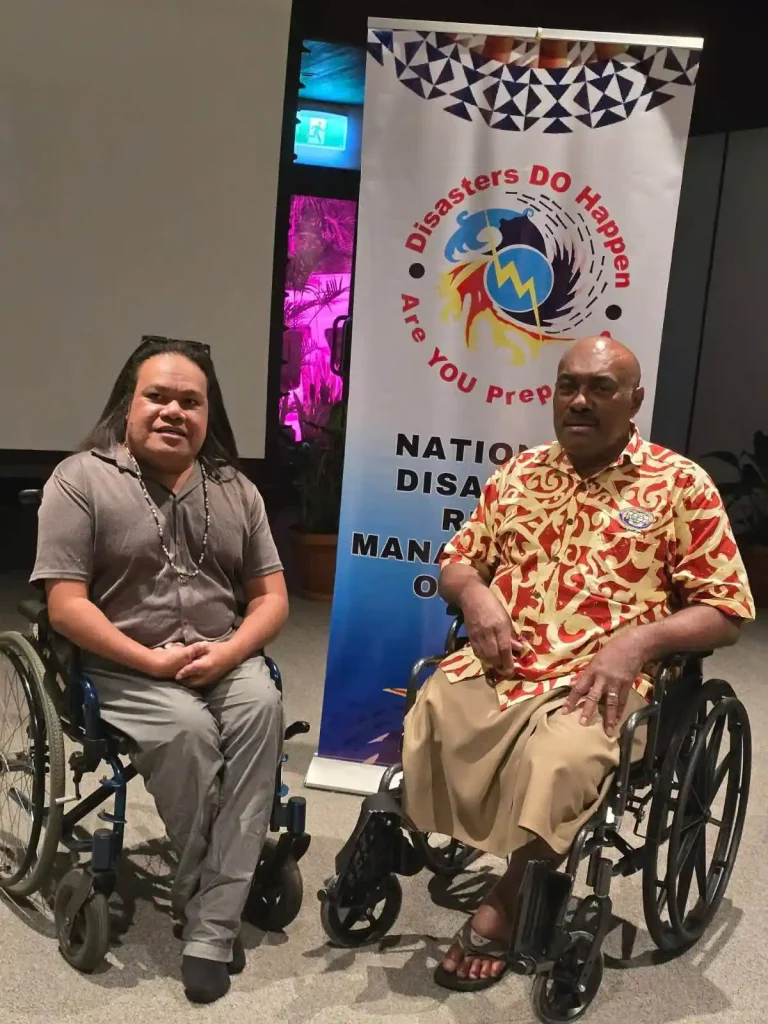
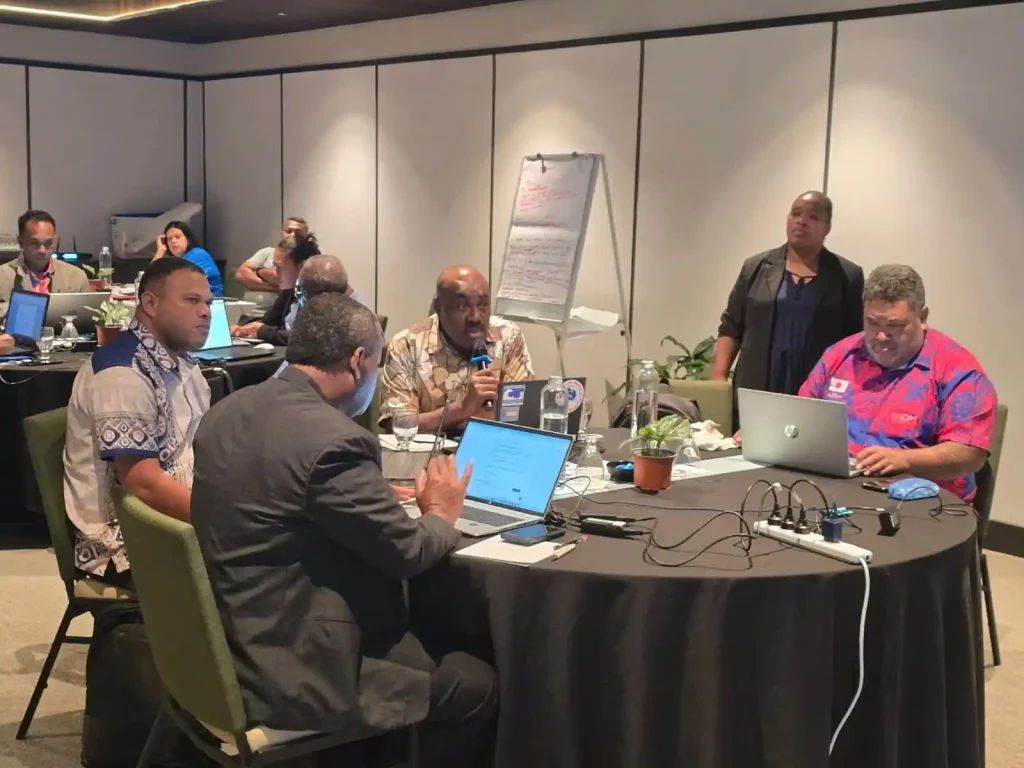
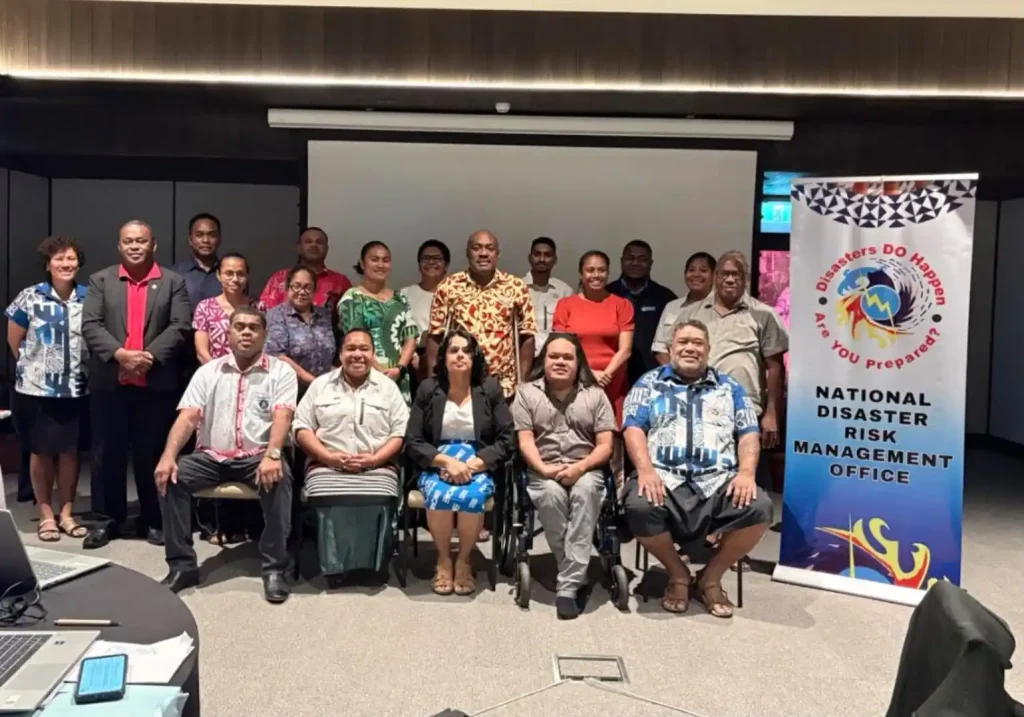
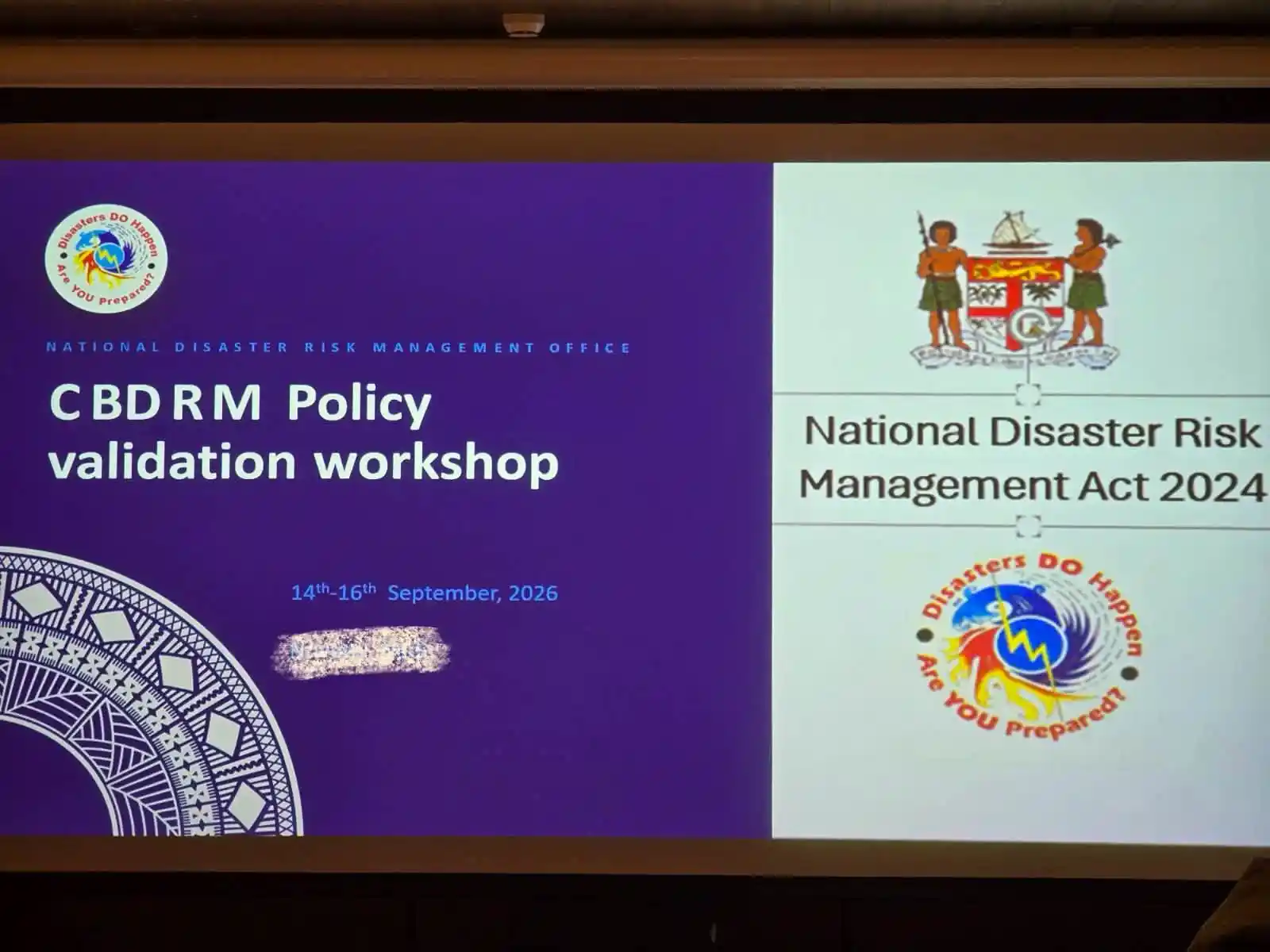
๐—™๐—œ๐—ก๐—”๐—Ÿ ๐—ฉ๐—”๐—Ÿ๐—œ๐——๐—”๐—ง๐—œ๐—ข๐—ก ๐—ช๐—ข๐—ฅ๐—ž๐—ฆ๐—›๐—ข๐—ฃ โ€“ ๐—–๐—•๐——๐—ฅ๐—  ๐—ฃ๐—ข๐—Ÿ๐—œ๐—–๐—ฌ

Live & Learn Fiji is proud to have been involved in the drafting of the countryโ€™s Community-Based Disaster Risk Management (CBDRM) Policy.

The Policy will be a guide for all future CBDRM trainings in the country and it also shifts disaster preparedness from a government approach to a framework that empowers local villages and settlements to act as first responders.

Live & Learn Fiji was represented by DRR & WASH Coordinator, Litiana Dimaopa, who has been working closely with the National Disaster Risk Management Office Fiji NDMO and other stakeholders

โ€œThis is a milestone to have reached this stage as it has been over two years in the making. Live & Learn is proud to be included on this journey as this is an important part of the work we do in the communities. For the Organisation, this Policy complements three of our thematic areas namely; Climate resilience where we support communities adapt to and prepare for the impacts of climate change, DRR itself where we support build local capacity toward early preparedness to better manage environmental disasters and to ensure that we promote gender equity and social inclusion across all of our projects. We are also thankful to be included in this important Policy drafting.โ€

Photo credit: Fiji NDMRO

CIRCAR Project gains momentum

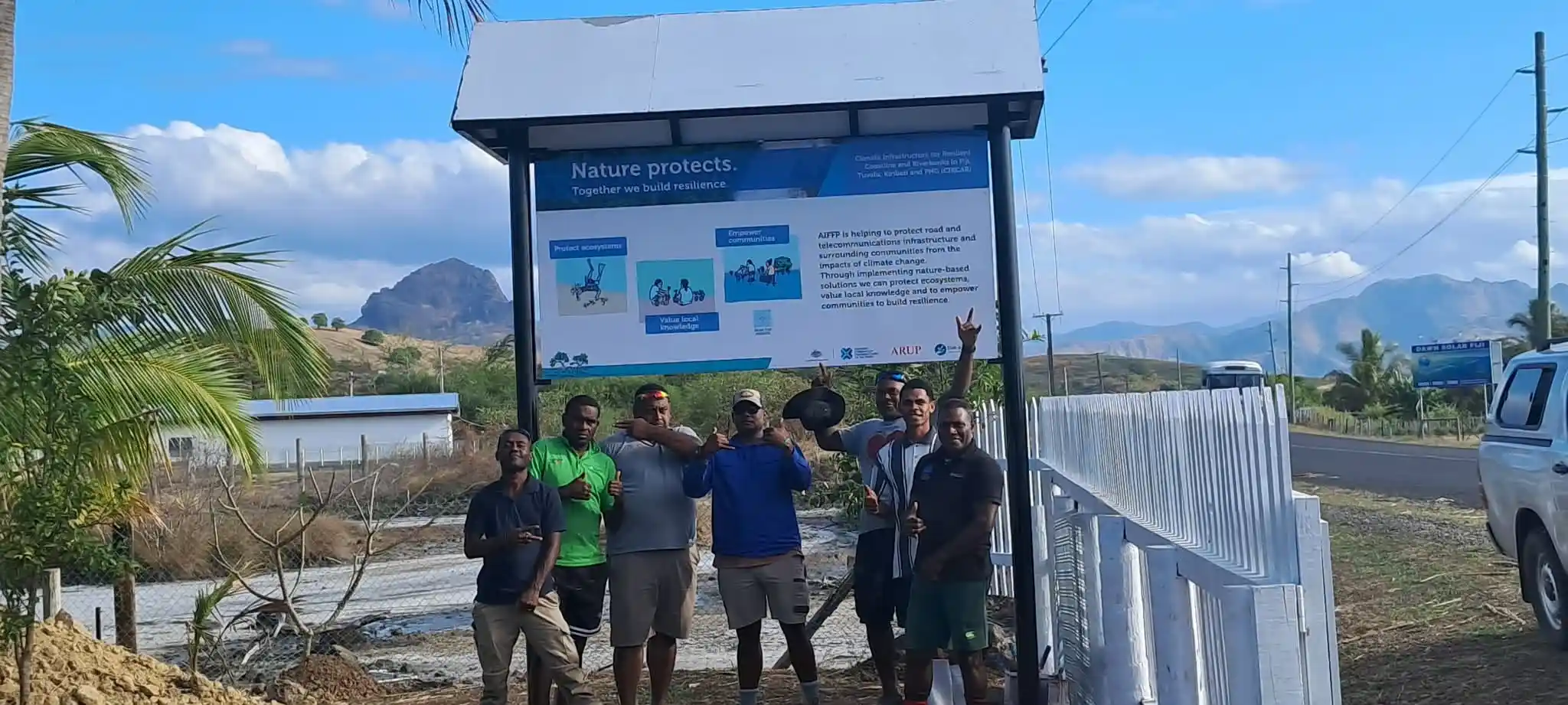
Live & Learn Fiji is working with select communities along the Kings Road and Queens Road, in Central and Western Provinces in Fiji to harness natural systems to address environmental challenges and safeguard critical infrastructure from the impacts of climate change and natural hazards.

This is through the ๐‚๐ฅ๐ข๐ฆ๐š๐ญ๐ž ๐ˆ๐ง๐Ÿ๐ซ๐š๐ฌ๐ญ๐ซ๐ฎ๐œ๐ญ๐ฎ๐ซ๐ž ๐Ÿ๐จ๐ซ ๐‘๐ž๐ฌ๐ข๐ฅ๐ข๐ž๐ง๐ญ ๐‚๐จ๐š๐ฌ๐ญ๐ฅ๐ข๐ง๐ž ๐š๐ง๐ ๐‘๐ข๐ฏ๐ž๐ซ๐›๐š๐ง๐ค๐ฌ ๐จ๐ซ ๐‚๐ˆ๐‘๐‚๐€๐‘ program, where Fiji is one of five countries which have been selected by the Australian Government, through the Australian Infrastructure Financing Facility for the Pacific (AIFFP) and technical partner ARUP, to strengthen the climate resilience of key infrastructure investments. The other countries include Kiribati, Papua New Guinea and Tuvalu.

Solomon Islands Team bolstered by Kiwa EMPOWER through GEDSI Training

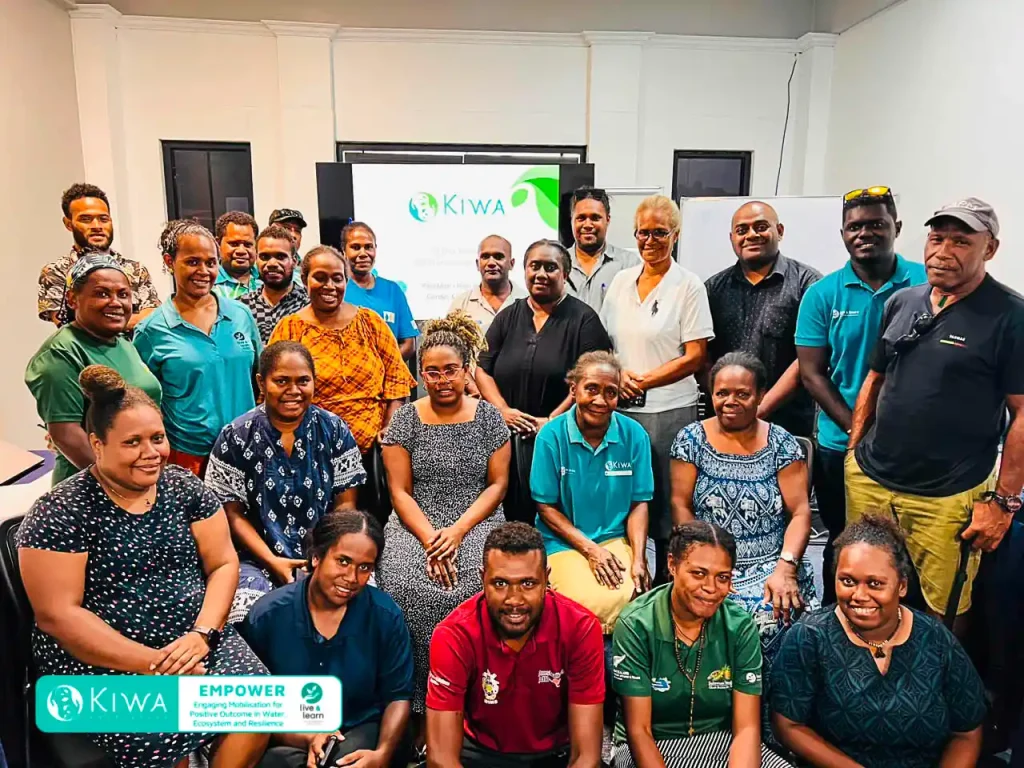
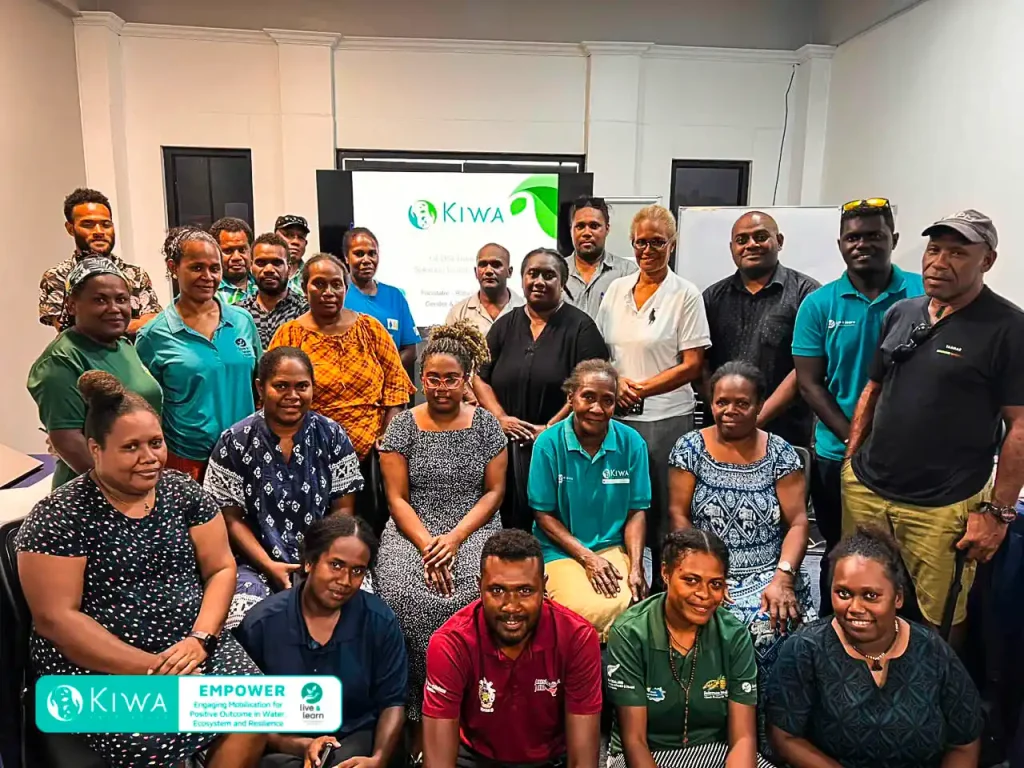
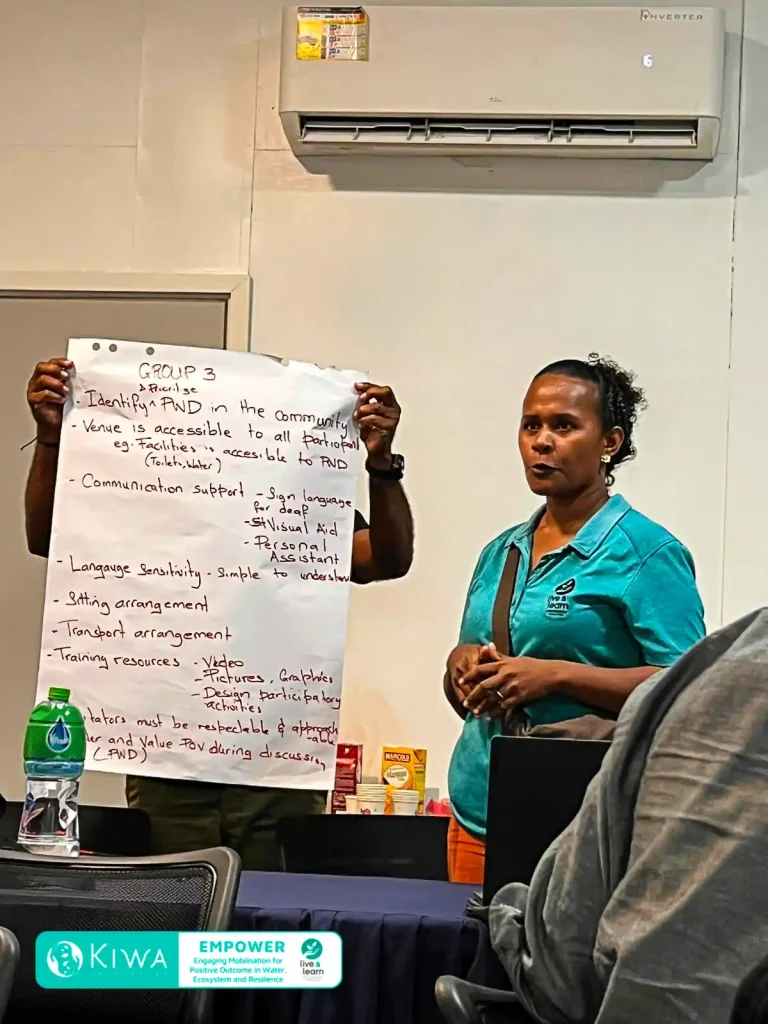
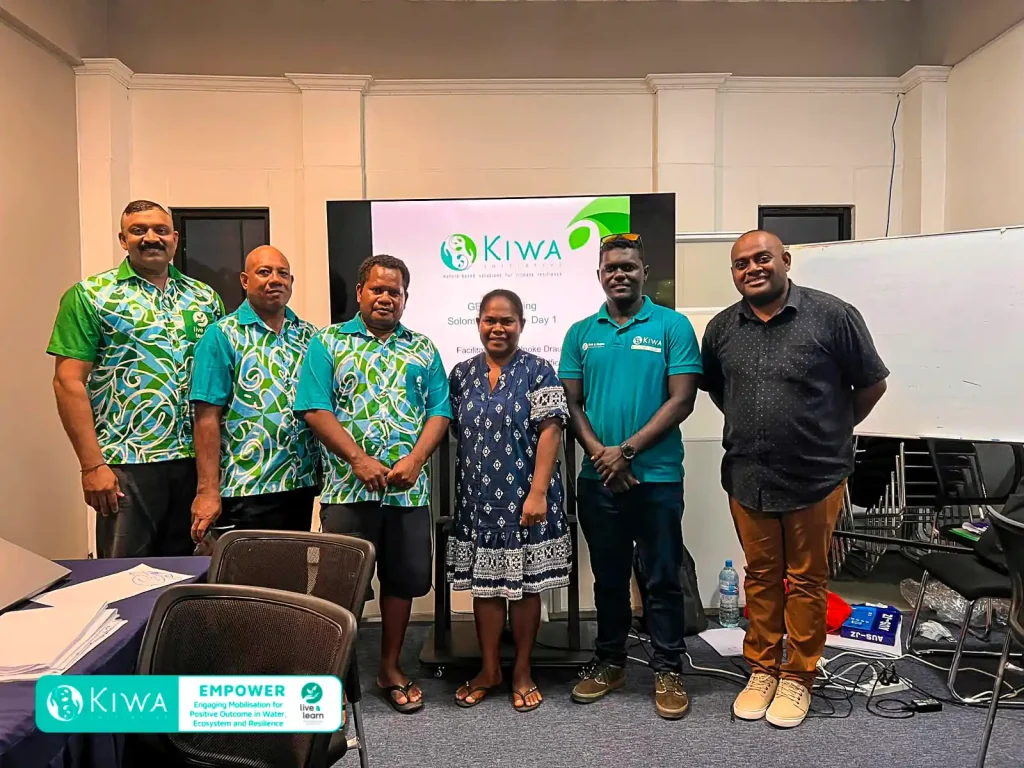
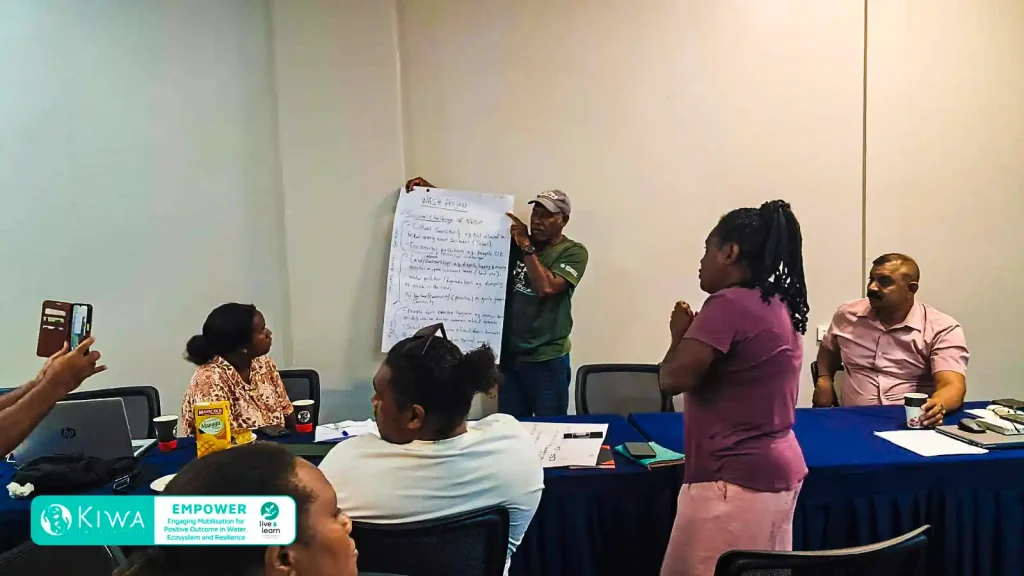
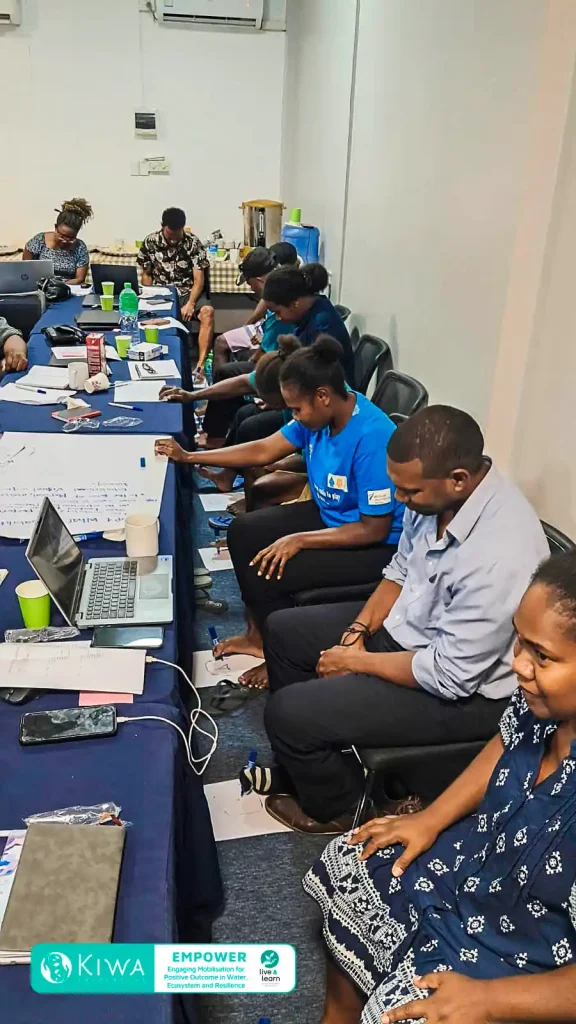
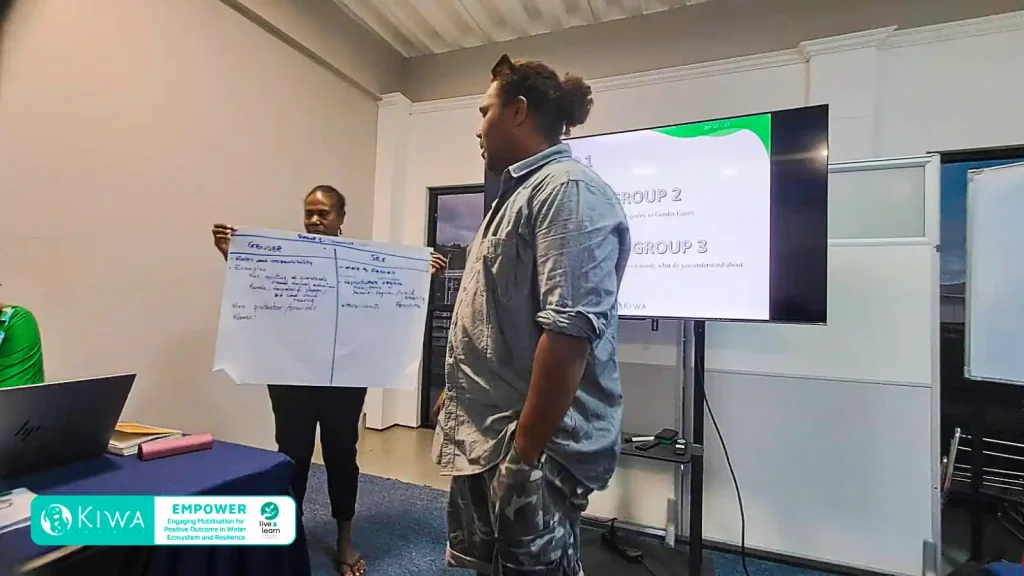
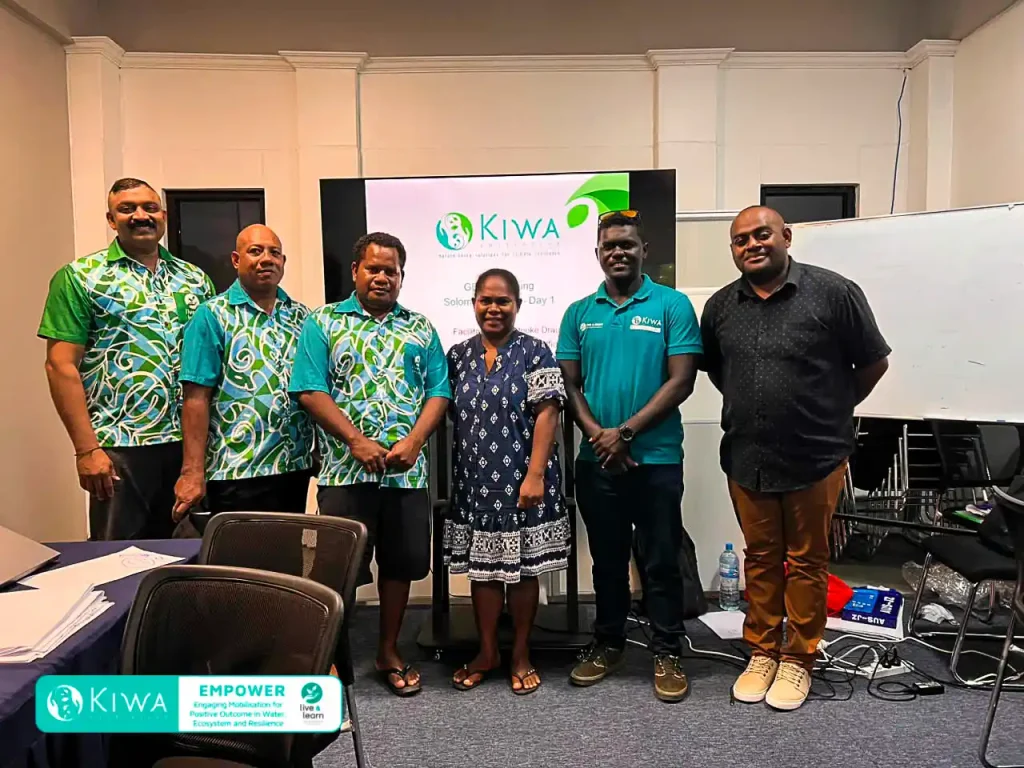
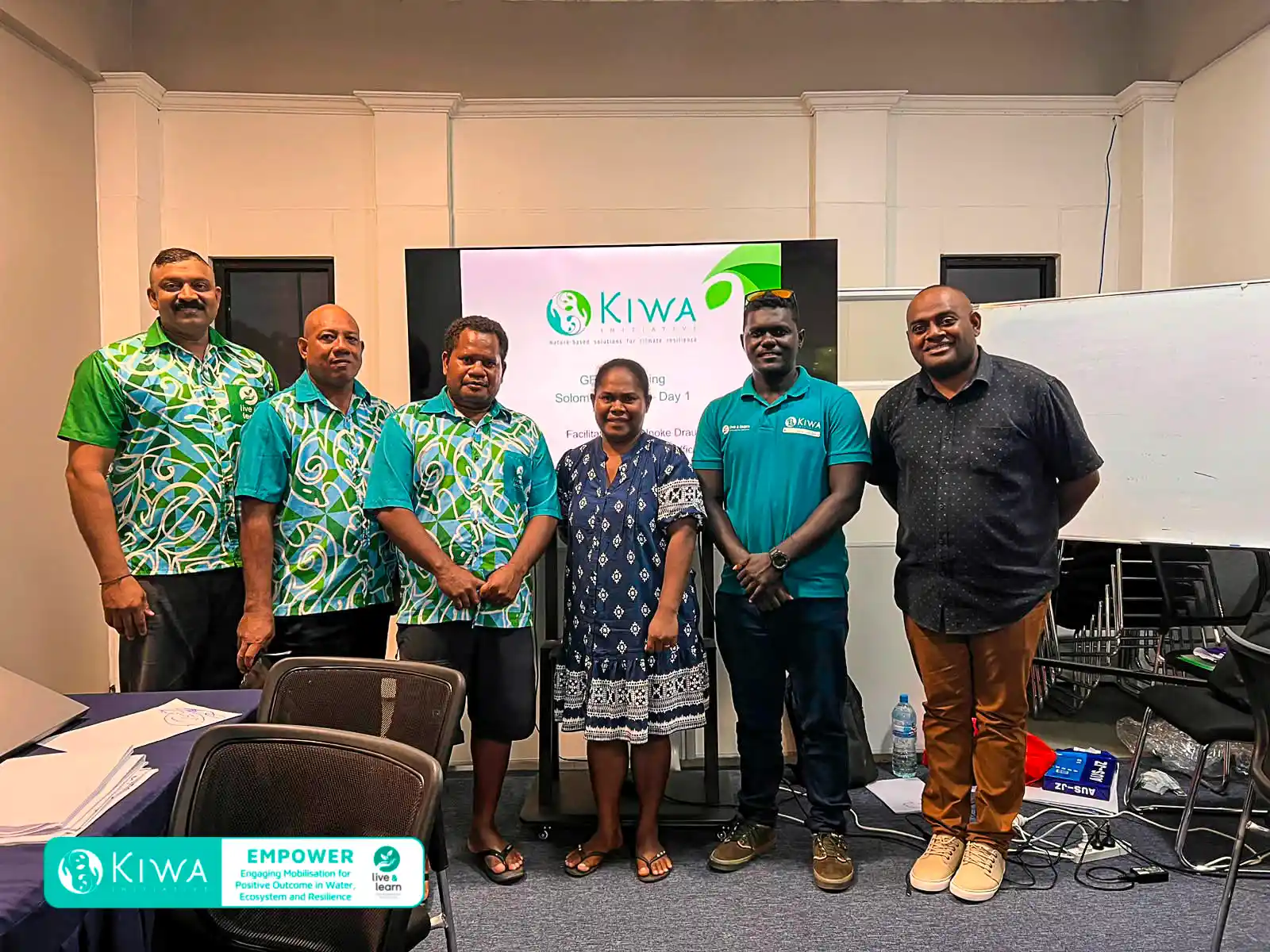
In efforts to boost their service delivery to target Project communities, Live & Learn Environmental Education Solomon Islands underwent a three-day Training of Trainers on Gender Equality, Disability and Social Inclusion (GEDSI).

Undertaken by the Kiwa EMPOWER regional team, the training provided a chance for the participants to better understand how GEDSI plays an important role in nature-based solutions actions to climate change.

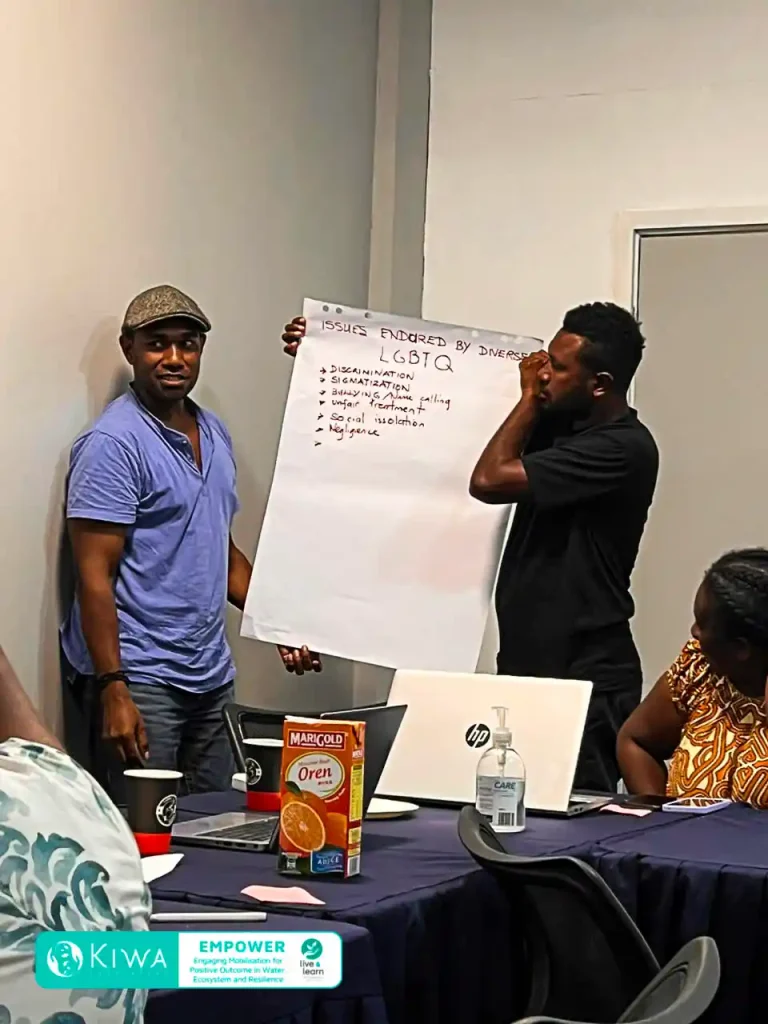
Attended by staff from Live & Learn Solomon Islands, the training allowed for a greater understanding of the various components of GEDSI. It started with participants unpacking the term Gender Equality exploring the meaning of Gender vs Sex and understanding the biological facts of a Male or Female. Participants engaged in a Power Walk where they were able to identify gender norms and vulnerability, understand the varying levels of power and control which lead to different privileges that certain groups have as opposed to others. The training also provided a chance for the teams to have a better understanding of disability and accessibility for different types of impairments.

Jaydol Jacob, the Senior Project Officer for the Solomon Islands Kiwa EMPOWER team highlighted the timeliness of the training as it addressed an important aspect of the nature-based solution actions to climate change work being undertaken by the Project.

โ€œThe training has shown us the importance of inclusion and ensuring no one is left behind. Our team have been reminded of the role they play in bringing everyone together. We are now eager to go to the ground and implement with the learnings we have gained.โ€

The Kiwa EMPOWER Team in the Solomon Islands work in two very remote island communities namely Nifiloli in the Temotu Province and Sikaiana in the Malaita Province. These two remote sites were chosen due to their vulnerability to climate change and the various challenges they have been facing.

The Kiwa EMPOWER (Engaging Mobilization for Positive Outcome in Water, Ecosystem, and Resilience) Project combines ecosystem restoration, climate-smart agriculture, water resource management, indigenous knowledge, and inclusive decision-making to help communities thrive in a changing climate.

The Kiwa EMPOWER Project is being implemented by Live & Learn Fiji in partnership with Solomon Islands and Tuvalu and works in 24 communities to encourage the implementation of NbS through community initiatives that tangibly improve ecosystem health, functionality, and resilience, while strengthening livelihoods, food and water security in the context of climate change.

Australian Government Department of Foreign Affairs and Trade I European Union in the Pacific I La politique รฉtrangรจre du Canada โ€“ Affaires mondiales Canada I AFD – Agence Franรงaise de Dรฉveloppement I New Zealand Ministry of Foreign Affairs and Trade I Secretariat of the Pacific Regional Environment Programme – SPREP I IUCN Oceania I Pacific-Community-SPC I Kiwa Initiative
#Kiwainitiative#kiwaempower#NatureBasedSolutions#lleefiji#CommunityResilience#ClimateAdaptation#Fiji#Tuvalu#SolomonIslands#kiwaempowerproject#Kiwainitiative#PacificResilience#ClimateChangePacific#climatechangeadaptation#environment#cooperation#Resilience#adaptation#climatechange#pacifica#coastalecosystems#NatureBasedSolutions#ClimateAction#PacificResilience#kiwaempower#lleefiji#LLEESolomons#lleetuvalu#ClimateSmartAgriculture

Women groups strengthened through Gov4Res Project

Written by: Litiana Dimaopa & Paradise Tabucala

For generations, the women of the villages of Naiviqiri, Naivaka, Galoa and Yaqaga, in Bua, have depended on the sea for the livelihood of their families.  A successful day of fishing meant a plentiful catch to sell, but it also came with a challenge. Without access to cold storage, fish and seafood had to be sold quickly or eaten on the same day before they spoil.

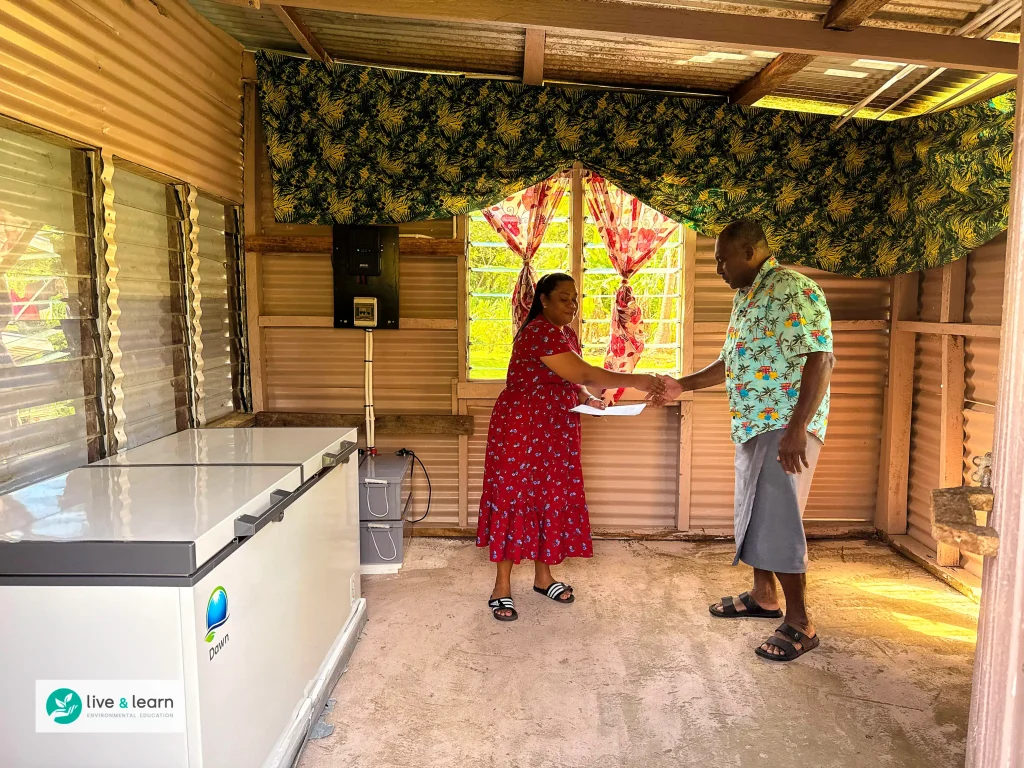
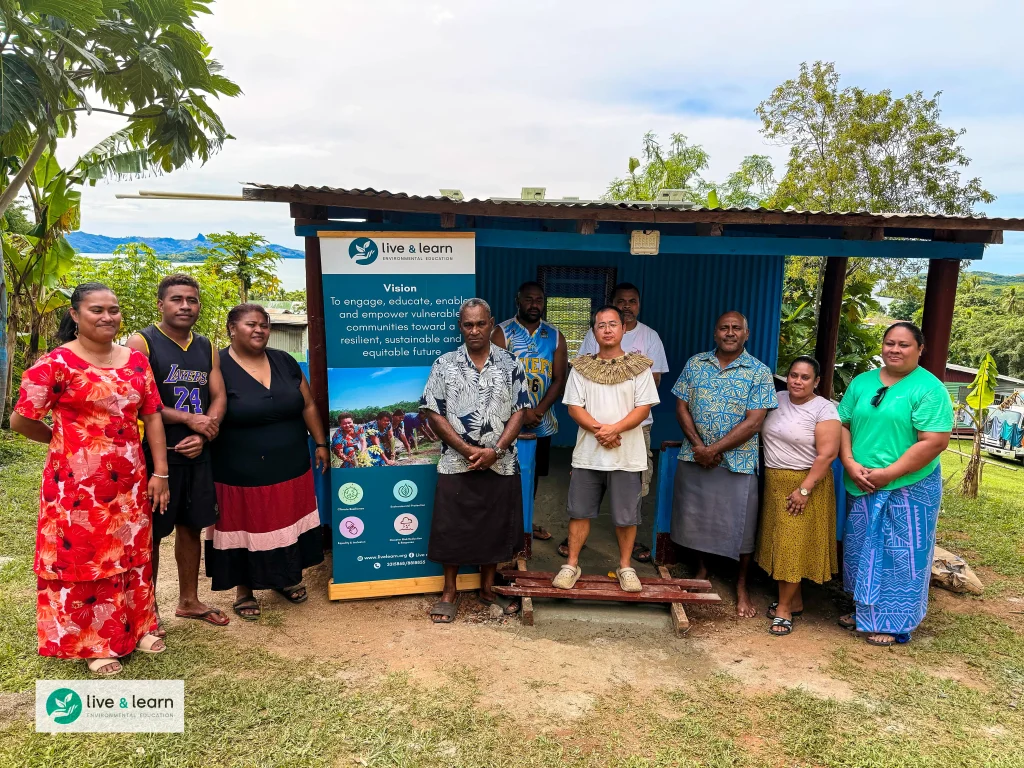
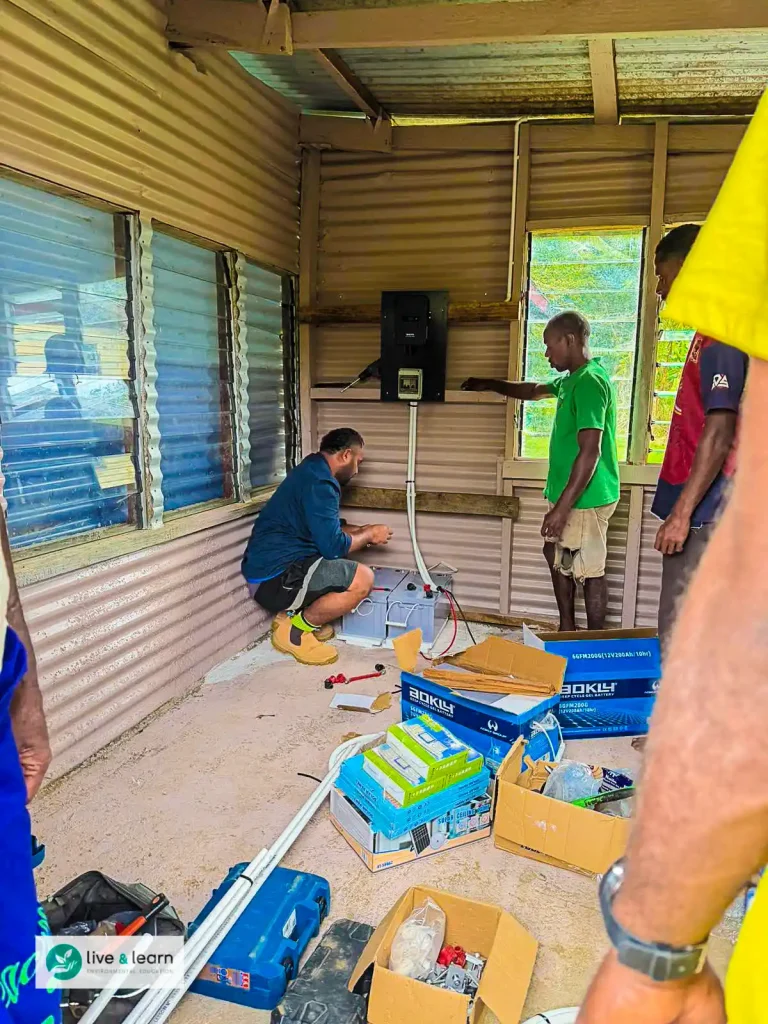
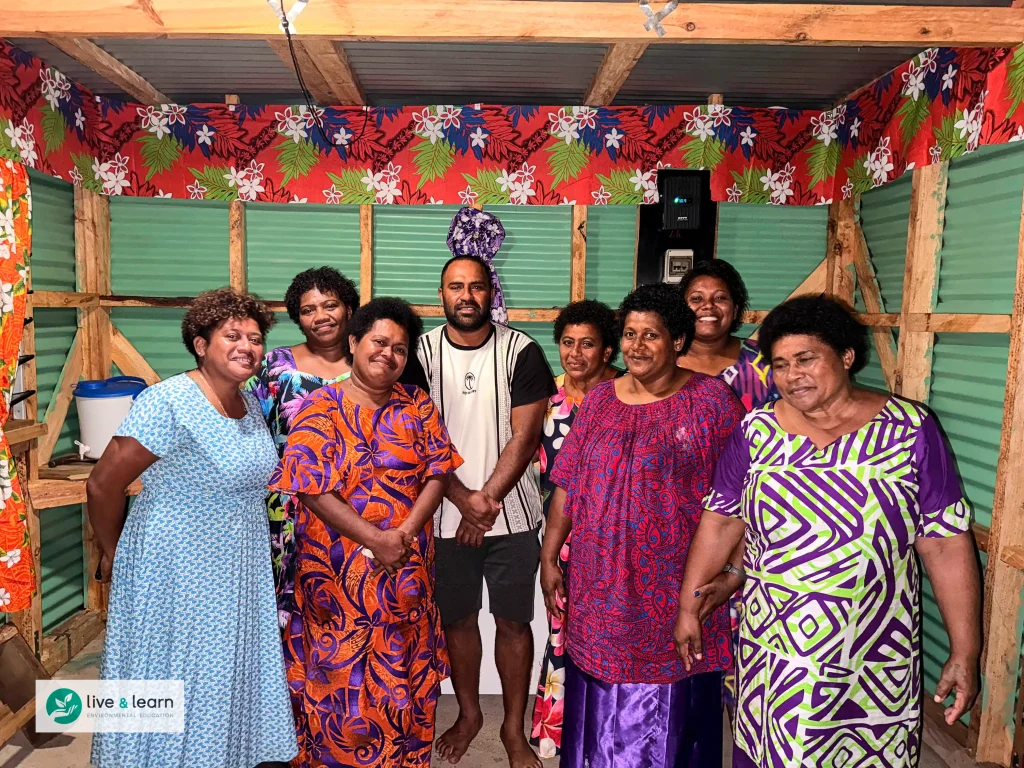
Today, that challenge is becoming a thing of the past. From 23โ€“26 June 2026, four new solar-powered freezers were installed, each housed inside a risk-informed disaster-resilient shelter. These shelters, designed and built with community input, ensure that surplus seafood can be stored safely and sold when markets are accessible.  

The women’s clubs of all four villages spearheaded the fundraising for the shelters which were constructed by each of the communities. By the time the Dawn Renewable Energy technical team came to install the systems, the shelters were completed.

Alongside installation, 120 participants with 74 female, 46 male, 31 youths and 2 persons with disabilities took part in training sessions that covered the basic use of the freezer, proper maintenance and safe handling of the solar system. The sessions emphasized the steps to be taken as well as the precautions, to ensure longevity and resilience.

“Fishing has always been our main source of income, but travelling to Nakadrudru to sell our catch took time and money, and we often had to sell quickly rather than for a good price because we feared the fish would spoil. Weโ€™ve waited so long for a solution, and now we cannot contain our joy โ€” with our newly installed solar-powered freezer, we can safely store our catch, sell it wisely, and improve the livelihoods of our families.” โ€” ArietaLeader of the Women’s Group, Yaqaga Village

The successful implementation of the project was made possible through the collaboration and strong partnerships between all four communities, Live and Learn Fiji,  Dawn Renewable Energy, the Ministry of Rural and Maritime Development and Disaster Management โ€“ PA Buaโ€™s Office, ADO Lekutuโ€™s Office, and the Ministry of iTaukei Affairs through the Roko Tui Bua’s Office.

The Governance for Resilient Development in the Pacific (Gov4Res) Small Grants Initiative (SGI) is supported by the New Zealand High Commission, Suva, Fiji. The UNDP Gov4Res Programme is supported by New Zealand, the Australian High Commission Fiji, KOICA Fiji Office, and the UK in Fiji.