Residents of Kilikali Settlement plant seedlings during a workshop as part of the project by Live & Learn on Wednesday. IVE & Learn Fiji is a non-government organisation that has a strong history of implementing water, sanitation and hygiene projects in our communities. But they have gone a step further to help two settlements in […]
Food security has taken center stage in the efforts of the non-governmental organization Live and Learn, particularly in informal settlements across Fiji. Under the Atoll Food Futures program, Live and Learn has extended its support to five informal settlements, with the most recent addition being the Bilo Settlement located in Lami, just outside Suva. Project […]
Fiji’s first Indigenous-owned carbon credit project
LABASA, Fiji — No one finds their way to the village of Drawa by accident. To get there, you must first board a tiny plane to Labasa, the biggest town on Fiji’s Vanua Levu Island. Driving southwest past hectares of sugarcane plantations and forests riven with gashes of red earth, you’ll pass pickup trucks piled […]
A Drought Recovery and Climate Resilient Project has been launched to build more adaptive and resilient communities in Fiji, particularly in the Northern Division. The United States has committed close to $1million for this project, which will be implemented in collaboration with Live and Learn Fiji. The project will help address the interlinked challenges of […]
Cabinet has approved the formation of a National Emergency Response Team. National Disaster Management Office (NDMO) director Vasiti Soko confirmed this while delivering her closing remarks at a five-day emergency operation centre training at the Fiji Teachers Union Hall on Friday. “This is nothing new in the disaster space globally,” she said. “Solomon Islands is […]
Conserving forests: ‘High integrity carbon projects are important’
In a bid to assist landowners and communities, representatives of Plan Vivo, an internationally recognised Standard for the Voluntary Carbon Market(VCM), visited Fiji last week. The Scotland-based Non-Governmental Organisation (NGO) certifies forest carbon projects that are led by local communities and are proud to certify several forest conservation projects within the Pacific Islands. Plan Vivo […]
Fiji’s northern communities assured of NZ’s commitment to climate resilient program
New Zealand’s second secretary Constance Minett has assured northern communities of their government’s commitment to the newly-launched Climate Resilient Islands Program. The program, launched in Labasa this morning, will be spearheaded by the Live and Learn team targeting six villages on Vanua Levu – Dreketi, Naiqaqi, Valeni in Cakaudrove, Vitina, Naibulu and Nawailevu in the […]
A small highland community at forefront of conservation efforts in Fiji
As the world continues to grapple with climate change, the community of Drawa in the highlands of Cakaudrove province, Vanua Levu, is setting an example for sustainable development. After 10 years of successful forest conservation and carbon trading, Drawa is now experiencing the tangible benefits of their innovative approach. From economic growth to environmental preservation, […]
With the vision, Sustainable Forests, our Future, the Ministry of Forestry is grateful to its stakeholders, corporate organisations, individuals and communities for their collective efforts in championing this objective. This week, we highlight the sustainable and conservation efforts of Drawa Village through the Drawa Forest Conservation Project and the Drawa Block. The Drawa Block is […]
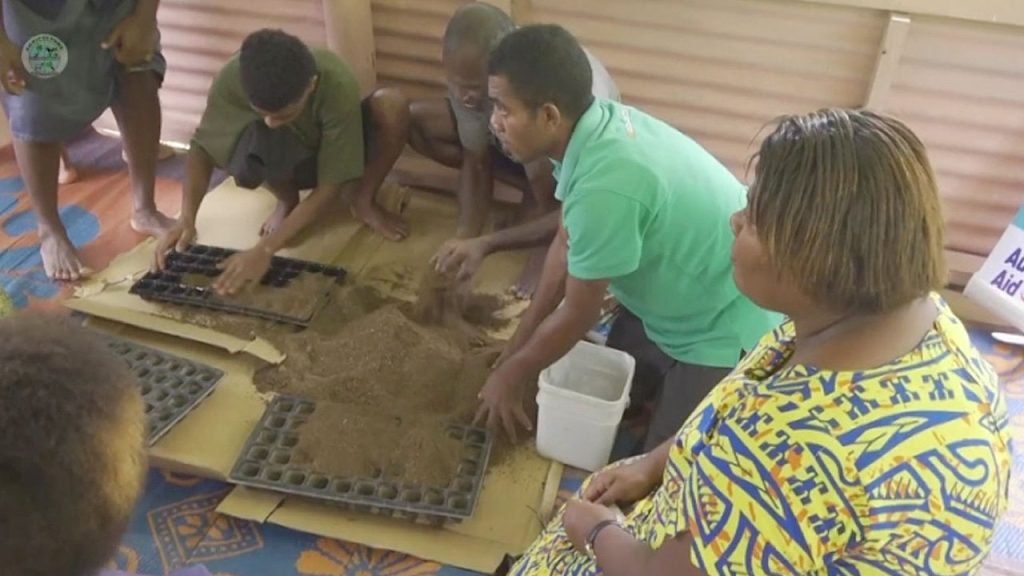
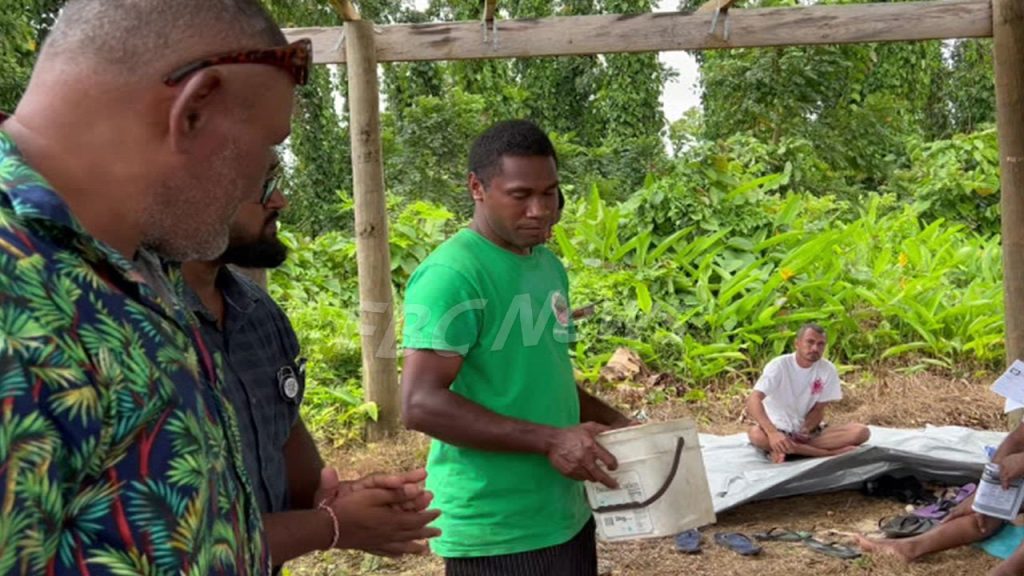
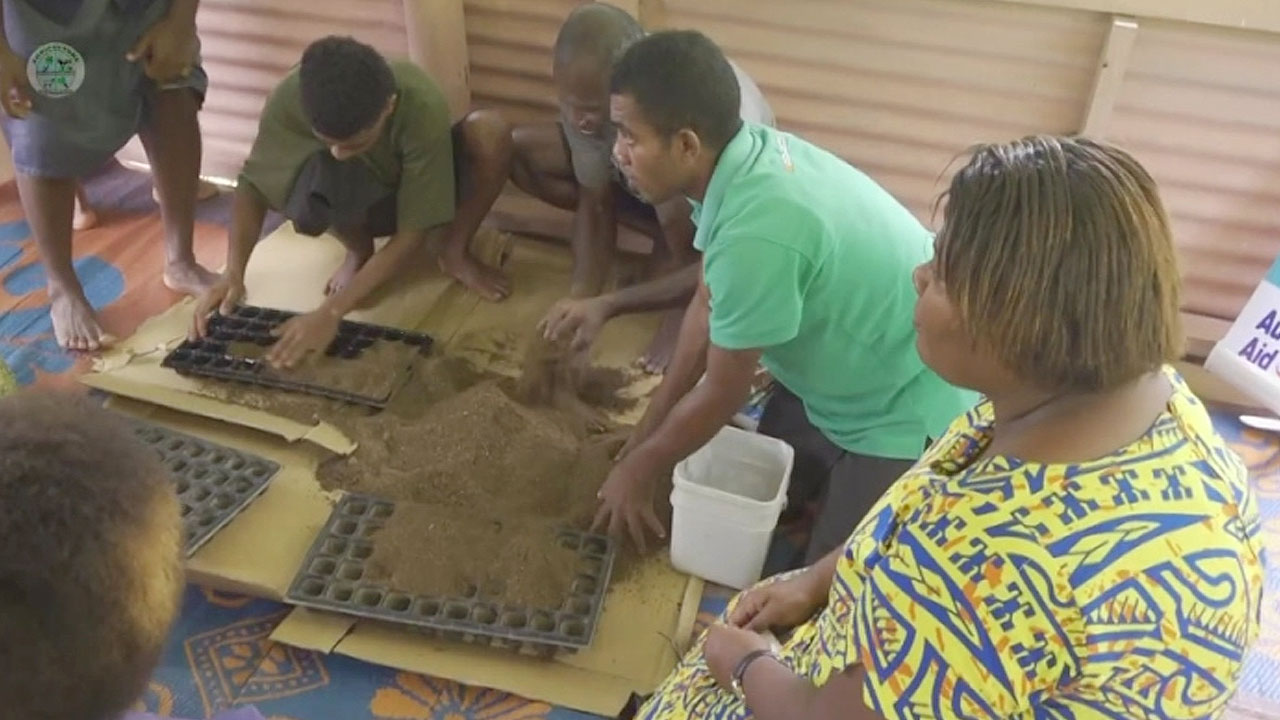
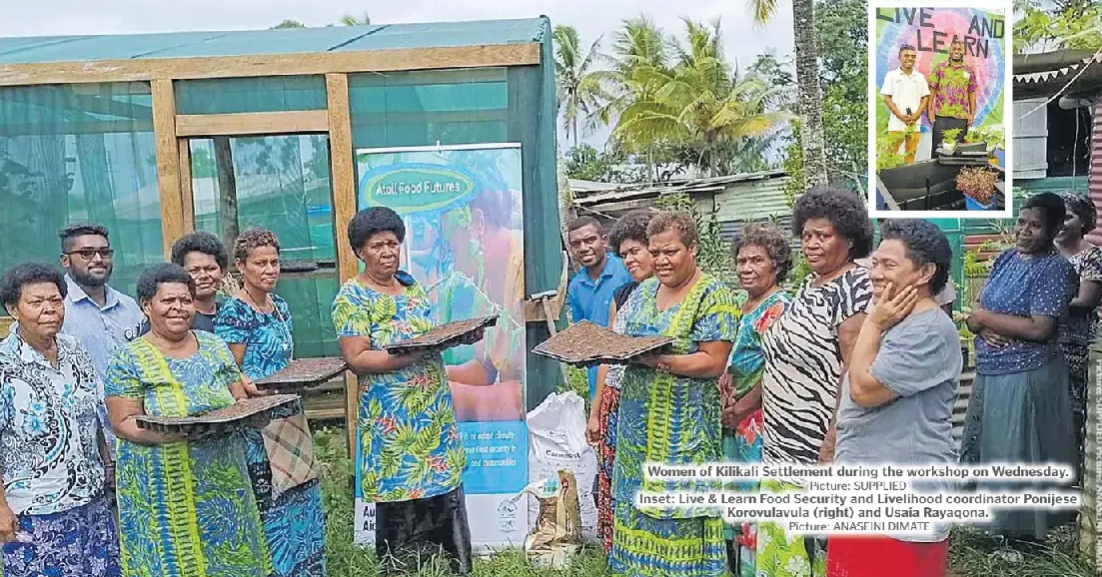
Residents of Kilikali Settlement plant seedlings during a workshop as part of the project by Live & Learn on Wednesday.
IVE & Learn Fiji is a non-government organisation that has a strong history of implementing water, sanitation and hygiene projects in our communities. But they have gone a step further to help two settlements in Fiji grow their own food even though they do not own land.
Humbled to be part of the World Food Day and National Agriculture Show at the Vodafone Arena last week, the organisation works in collaboration with the Ministry of Agriculture and Waterways Fiji by supporting informal settlements in the country.
Demonstrating the purpose and the use of the raised garden bed at the Agriculture show, Live & Learn food security and livelihood coordinator Ponijese Korovulavula said with the support they receive from the Australian Government, they were able to pilot this project into informal settlements as most people living in these communities do not have land ownerships.
Mr Korovulavula said the project is called Atoll Food Futures program and its main concept is to help people living in informal settlements plant, store, grow and keep their plants. It is funded by the Australian Government Department of Foreign Affairs and Trade and implemented by Live & Learn.
The project works with community members across three countries (Fiji, Kiribati and Tuvalu) to improve the production of fresh, locally grown produce. It is designed to empower people to grow fresh healthy produce at home, through skill building, agriculture training and also by sharing indigenous knowledge surrounding home gardening and food preservation.
“We have encouraged communities to plant shallow rooted crops as it doesn’t consume a lot of water and nutrients.
This food cubes doesn’t come in land or farm sizes but people can use it as a source of food security.”
Mr Korovulavula said they are impressed by what most communities have done so far.
“Most people in the communities we’ve introduced the project to have developed an advanced way by planting seeds in the food cubes and later transferring it into other containers,” he said.
According to Mr Korovulavula, informal settlements are the ones that suffered the most from non-communicable diseases (NCDs) and this project is something Live & Learn has brought about to help reduce this issue.
“We thank the Australian Government for funding and giving us the opportunity to reach out to these informal settlements, even though they have no land ownership, this concept is a way to help them in the future.”
Mr Korovulavula added for their food cubes concept they’ve supported settlements like Kilikali in Nadawa and Waikerekere outside Lami Town. Live & Learn is committed to work with vulnerable communities to improve food and nutrition security.
Food security has taken center stage in the efforts of the non-governmental organization Live and Learn, particularly in informal settlements across Fiji.
Under the Atoll Food Futures program, Live and Learn has extended its support to five informal settlements, with the most recent addition being the Bilo Settlement located in Lami, just outside Suva.
Project Manager Ponijese Korovulavula points out that informal settlements are home to many vulnerable populations, and they face numerous challenges, including limited access to fresh and nutritious food and the impacts of climate change.
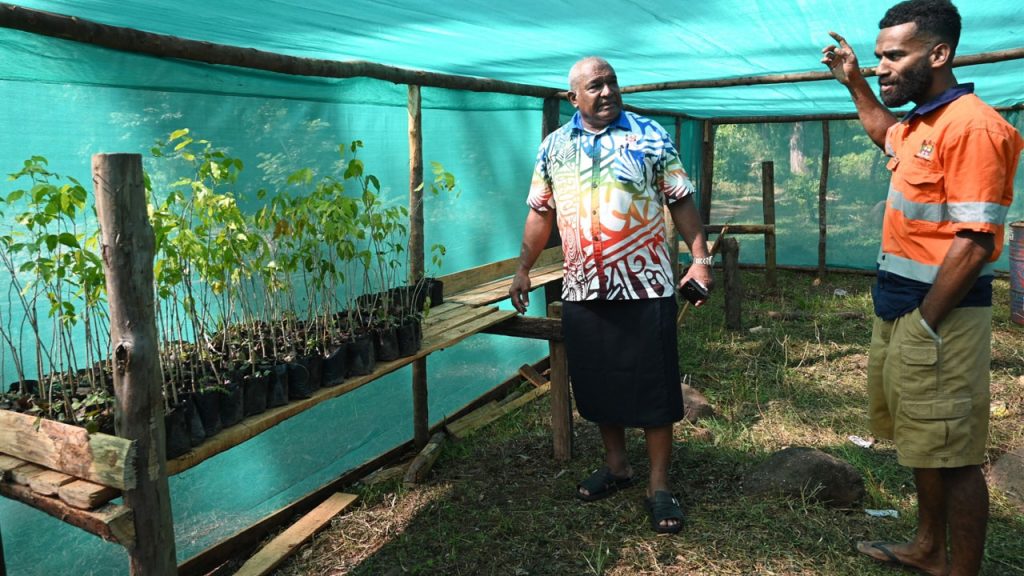
“We are training them on how to be smart in terms of planting and also for our training we have included how they raise seedlings because most of them for the training, they does not have access to it because they have been isolated.”
Korovulavula explains that the decision to focus on informal settlements comes from the understanding that these communities are often overlooked in vital community development initiatives. The goal is to bridge this gap and empower communities to achieve food security and address the challenges posed by climate change.
By collaborating closely with the Ministry of Agriculture, the Australian government-funded project under Live and Learn has provided essential training in seed raising, good agricultural practices, seed extraction, and seed saving.
These initiatives are designed to equip residents with the knowledge and tools needed to sustain their food sources.
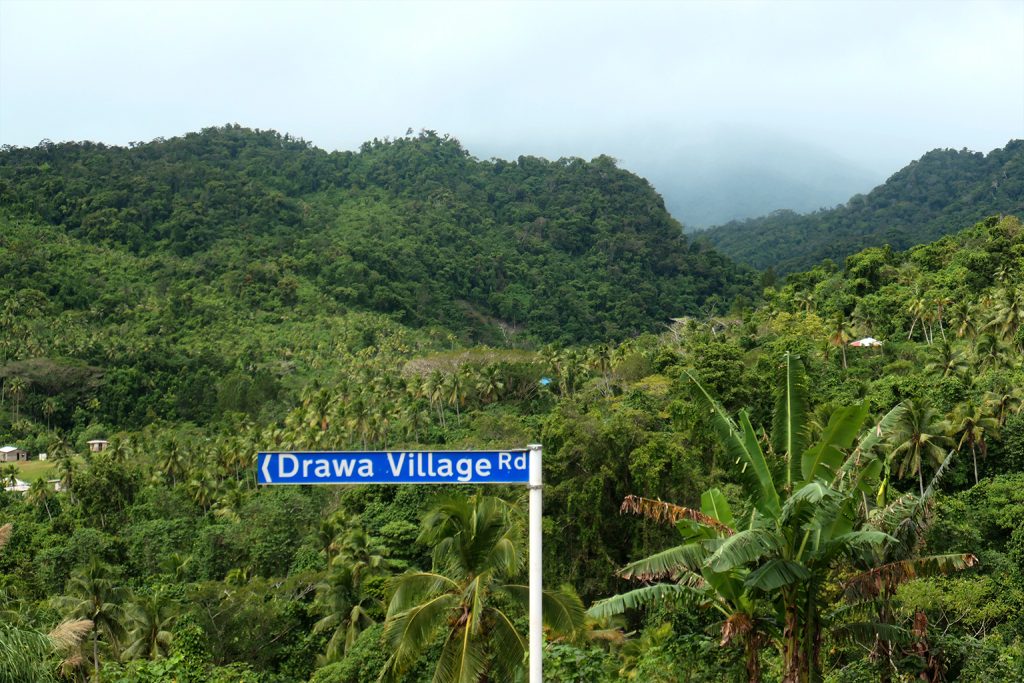
LABASA, Fiji — No one finds their way to the village of Drawa by accident. To get there, you must first board a tiny plane to Labasa, the biggest town on Fiji’s Vanua Levu Island. Driving southwest past hectares of sugarcane plantations and forests riven with gashes of red earth, you’ll pass pickup trucks piled high and wide with tightly bound stacks of the starchy cane stems, and loggers tugging loads of freshly cut tree trunks to one of the island’s many sawmills.
When you turn off the highway onto an unassuming gravel side road in the center of the island, your four-wheel-drive vehicle will shudder and shake as the track deteriorates into humps and hollows of greasy orange mud. But the view more than makes up for it: you’ll ford perfectly clear rivers and climb precipitously through tracts of deep-green cloud forest, before eventually parking among a scattering of colorful timber houses at the bend of a river at the very end of the road.
A Drought Recovery and Climate Resilient Project has been launched to build more adaptive and resilient communities in Fiji, particularly in the Northern Division.
The United States has committed close to $1million for this project, which will be implemented in collaboration with Live and Learn Fiji. The project will help address the interlinked challenges of climate change, rural poverty, food insecurity, and land degradation.
Live and Learn Fiji Country Director, Doris Susau says their efforts are tailored address the current crisis faced by rural communities.
“This program will enhance the development of climate resilient communities through various activities such as climate smart agriculture training, food preservation training, community-based disaster risk reduction awareness and training, watershed management, and, through the project, we will help to connect our communities to markets.”
The U.S. Ambassador to Fiji, Marie Damour, says this will also benefit vulnerable communities.
“They will introduce community-based disaster risk management approaches and promote all of the inclusivity that the Director of Living, Lauren Fiji, has mentioned, because we know from experience that it’s often the people who live with disabilities and the children who feel these effects most often.”
The Ambassador is calling on relevant stakeholders to ensure these efforts are integrated and fulfill the needs of the individual communities on an individual basis.
Cabinet has approved the formation of a National Emergency Response Team. National Disaster Management Office (NDMO) director Vasiti Soko confirmed this while delivering her closing remarks at a five-day emergency operation centre training at the Fiji Teachers Union Hall on Friday.
“This is nothing new in the disaster space globally,” she said. “Solomon Islands is the first country in the Pacific to form a National Emergency Response Team. It’s also looking at ensuring that when you are deployed, you are deployed understanding humanitarian principles. You understand the different classes that exist within you, understand the logistic plan, how to prepare well for response. All of these small things, we take for granted but they really do save lives.”
She said decision makers relied heavily on the information that came from the Emergency Operation Centres (EOCs) during disasters. “Everything is so important because as decision makers, we rely on the information that comes from you.
“So how you operate in emergency operation centers, how you work as a team, how you ensure that information is correct and verified, that comes from the district, to the divisional, to national.
“Those processes are very important to be followed because any delays between may cost a life,” she said.
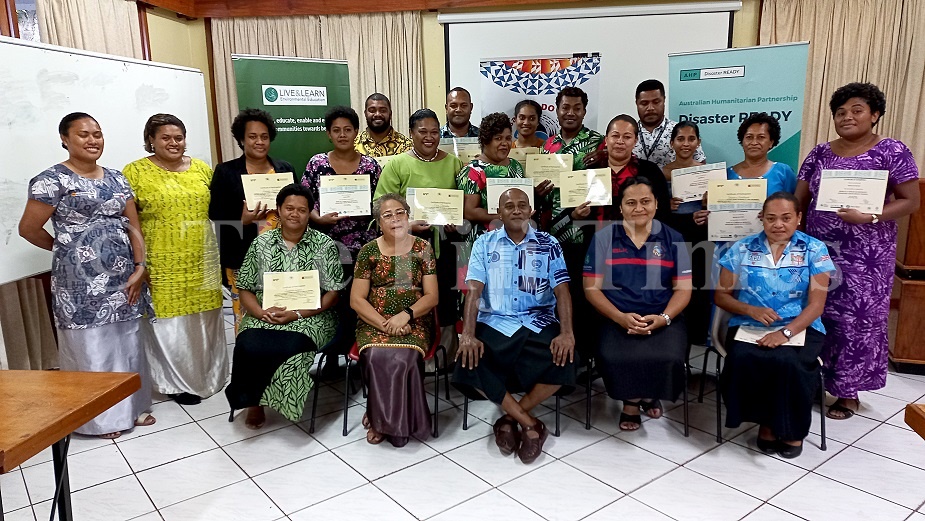
The training program was organised by Live and Learn Fiji, a recipient of Australian Government funding through the Australian Humanitarian Partnership’s Disaster Ready 2.0 program.
It was attended by representatives from the Ministry of Rural Development and Maritime and National Disaster Management, as well as other government ministries.
In a bid to assist landowners and communities, representatives of Plan Vivo, an internationally recognised Standard for the Voluntary Carbon Market(VCM), visited Fiji last week.
The Scotland-based Non-Governmental Organisation (NGO) certifies forest carbon projects that are led by local communities and are proud to certify several forest conservation projects within the Pacific Islands.
Plan Vivo has been running since the mid-1990s and has the longest running Standard in the voluntary carbon market that is recognised for having an ethical and fair-trade approach to carbon projects where communities receive income to protect nature.
Plan Vivo is the only Standard which has a requirement on financial benefits being shared equitably among customary landowners and communities.
It also brings a holistic approach to the Voluntary Carbon Market, with the benefits not just being climate related, but also having a positive impact for both nature and people.
Plan Vivo’s CEO Keith Bohannon said the high integrity carbon projects are of critical importance on how they work.
”We are committed to projects that are led by communities as the custodians of their natural resources and that ensure land and carbon rights remain with Indigenous people and customary landowners,” Mr Bohannon said in a media statement.
“For us, this is not only the right approach, but also the most effective way to deliver a real and lasting impact. Plan Vivo certification provides an opportunity for local communities to protect their forests through sustainable carbon projects as an alternative to logging and landclearing.
“To date, Plan Vivo projects have delivered more than 7 million tonnes of planned CO2 emission reductions.”
Mr Bohannon said the impact of climate change and the importance of protecting and restoring forests and biodiversity has prompted an increased interest in carbon projects within the Pacific region.
“Through this regional visit, Plan Vivo hopes to strengthen understanding and trust in the Voluntary Carbon Market and advocate for community-centred approaches to carbon projects.”
In Fiji, Plan Vivo works closely with the Nakau Programme and Live & Learn Fiji, developing forest protection projects that are designed and implemented by mataqalis.
During their trip, Plan Vivo will be visiting the Drawa Rainforest Project in Vanua Levu, a 10-year long project certified by the Plan Vivo Standard and the result of a partnership formed with the custodians of the land – the Drawa Block Forest Community Cooperative, Live & Learn Fiji, and the Nakau Programme.
The award-winning project has successfully protected 4,120ha of forest and generated more than 100,000 tonnes of verified emissions reductions.
The sale of carbon credits is now a significant income source and has allowed the community to strengthen their resilience to climate change and grow alternative forest enterprises.
Meanwhile Senior REDD+ Project Officer Live and Learn Fiji Beato Dulunaqio said they were honored to welcome the Plan Vivo team to Drawa.
“The Drawa community have committed to conserving the forests for many years and building upon the additional benefits the project provides,” he said.
“It is good for the people of Drawa to meet the representatives from the Plan Vivo Foundation to share their stories and achievements.”
Following the success of the Drawa project, there is now opportunity to replicate other similar projects in Fiji with support from the Fijian Government.
In addititon to their Drawa visit, Plan Vivo will also be meeting with government officials, local NGOs and conservation organisations to share insights about their standard and how it ensures projects are truly community-owned and all the benefits are considered.
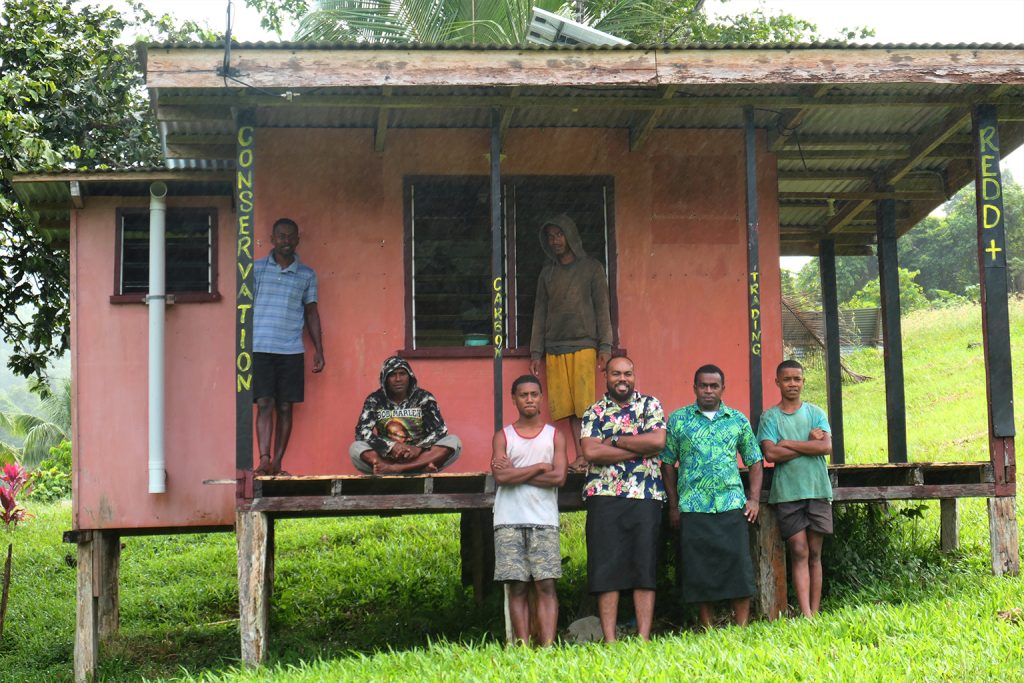
Eight mataqali (clans) of Drawa in Vanua Levu are now reaping the benefits of the commitment they made ten years ago on forest conservation.
The mataqali formed the Drawa Block Forest Community Cooperative and started the carbon trading project in partnership with Nakau and Live and Learn Fiji.
Reducing Emissions from Deforestation and forest Degradation (REDD+) senior project officer with Live and Learn Fiji, Beato Dulunaqio said the Drawa project was the first carbon trading business in Fiji.
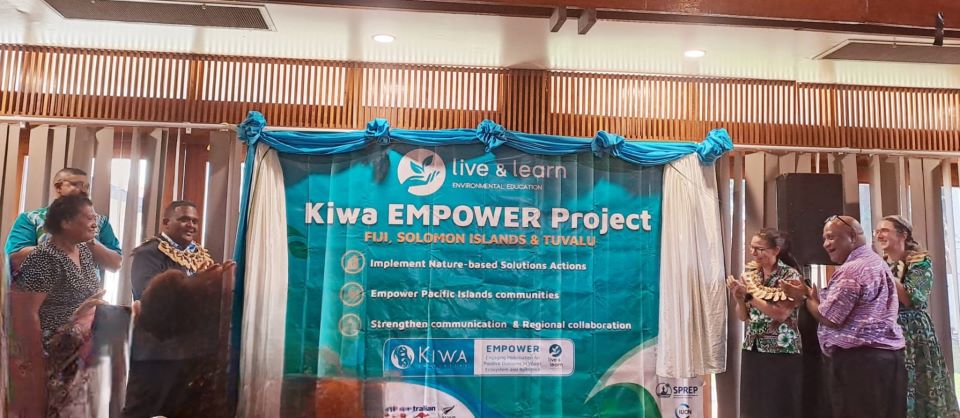
New Zealand’s second secretary Constance Minett has assured northern communities of their government’s commitment to the newly-launched Climate Resilient Islands Program.
The program, launched in Labasa this morning, will be spearheaded by the Live and Learn team targeting six villages on Vanua Levu – Dreketi, Naiqaqi, Valeni in Cakaudrove, Vitina, Naibulu and Nawailevu in the two provinces of Macuata and Bua.
Ms Minett said climate change issues had been discussed many times in the Pacific and such commitment from her government proved they were serious about helping locals.
Live and Learn executive Christian Nielsen thanked the communities for working with his team.
As the world continues to grapple with climate change, the community of Drawa in the highlands of Cakaudrove province, Vanua Levu, is setting an example for sustainable development. After 10 years of successful forest conservation and carbon trading, Drawa is now experiencing the tangible benefits of their innovative approach.
From economic growth to environmental preservation, their efforts are yielding impressive results. According to the Ministry of Forestry, this pioneering move has led Fiji to be one of the 15 countries in joining the carbon trade program by signing an emissions reduction payment agreement, making it the sole Small Island Developing State in the Pacific to do so.
Diving deep into the story of Drawa’s triumph and uncovering the secrets to their thriving community, the community was confronted with a tough decision.
Their old-growth 4,120 hectares of forest, which had sustained them for generations was being targeted for logging. Similar to numerous indigenous communities throughout the Pacific region, the customary landowners of Drawa found themselves in a predicament where they had to balance the preservation of their forests with the need to generate income for survival.
Reducing Emissions from Deforestation and forest Degradation (REDD+) senior project officer with Live & Learn Fiji, Beato Dulunaqio said the logging coupes had already been mapped out and community members were starting to clear the forest for timber.
“But just as they were faced with the prospect of losing their forest forever, the eight mataqali, or clans, of Drawa were presented with an opportunity to save it,” he said.
“The Drawa community stood at the forefront of environmental preservation by embracing the Nakau methodology.”
Recognising the significance of their forest, the Mataqali established the Drawa Block Forest Community Cooperative and pioneered the use of “payment for ecosystem services” (PES) to safeguard it. Mr Dulunaqio said their efforts were bolstered by the support of Nakau and Live & Learn Fiji, with whom they formed a strong partnership to launch a pioneering carbon trading initiative.
“The community’s unwavering commitment to environmental conservation serves as an inspiration to many others, and their success stands as a testament to the power of collective action.”
Project Success
The ownership of the project and forests lies with the Drawa Block Forest Community Cooperative, which comprises more than 400 native Fijian landowners from three villages.
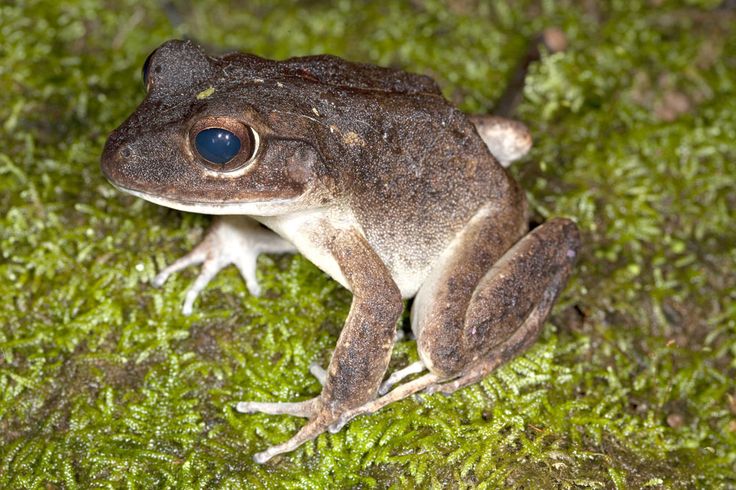
Every year, this initiative produces more than 18,000 carbon credits. The Drawa Block Forest Community Cooperative also serves as a habitat for various endangered species such as the Barred tree skink (Emoia trossula), the Vanua Levu slender tree skink (Emoia mokosariniveikau), and the remarkable Fiji ground frog (Cornufer vitiana).
The Drawa rainforests, situated on the Wailevu-Deketi Highlands, provide sanctuary to a diverse range of flora, including 385 plant species, of which 47 per cent are exclusive to Fiji.
The area supports 22 native bird species, making it an officially recognised important bird area in Fiji. Mr Dulunaqio said the success of this project allowed Live & Learn Fiji to replicate the model for Fiji’s ecosystems adaptation-based project.
“This Conservation Project, also known as REDD+, is also the first ever carbon trading business in Fiji,” he said.
“This has informed the National REDD+ Unit within the Ministry of Forestry, which aims to educate eligible communities to preserve their forest and natural resources and incentivise them to sell their carbon credits.”
Mr Dulunaqio said the success of this project showed that Fijian communities could be leaders in forest conservation that also provided economic, social and climate resilience benefits.
“After winning the Energy Globe Award in 2020, Drawa has not only been recognised in Fiji and the Pacific but globally. They have taken the first step towards achieving Sustainable Development Goal (SDG) 13 in taking action to combat climate change and its impacts,” he said.
Robbie Henderson, Nakau’s chief executive officer, said the Drawa project proved eco-friendly community development was achievable.
“It maintains the community’s reliance on nature without posing a threat to its resources,” he said.
Carbon credits income and development
Carbon credits has fuelled the community progress in investing in a sustainable future. A decade has passed and the community now derives a substantial income from forest carbon credits, while the forest remains intact.
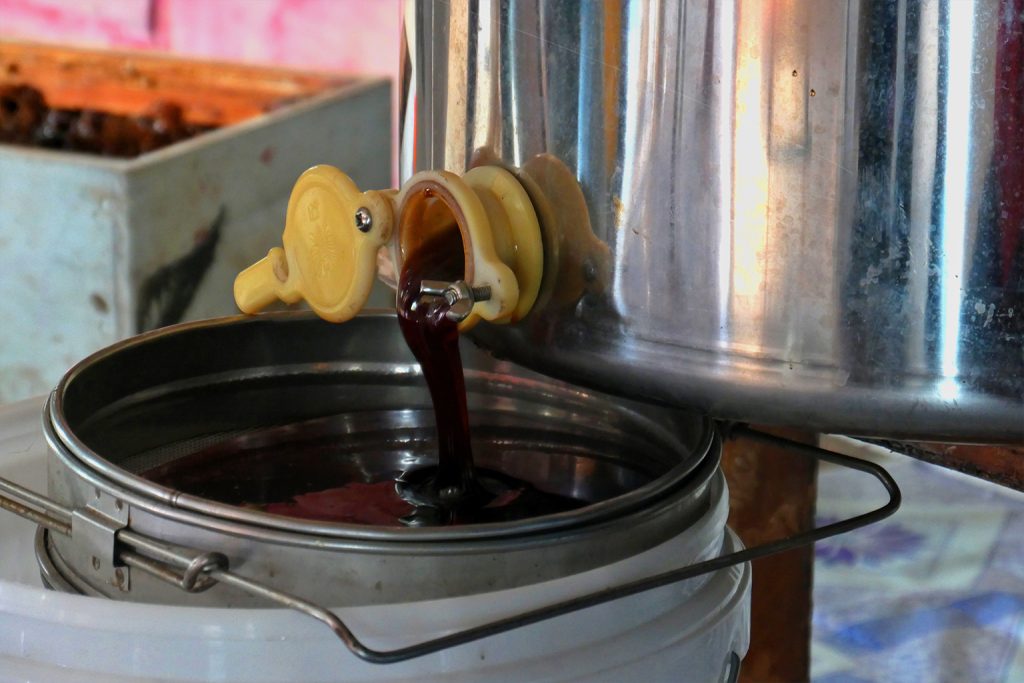
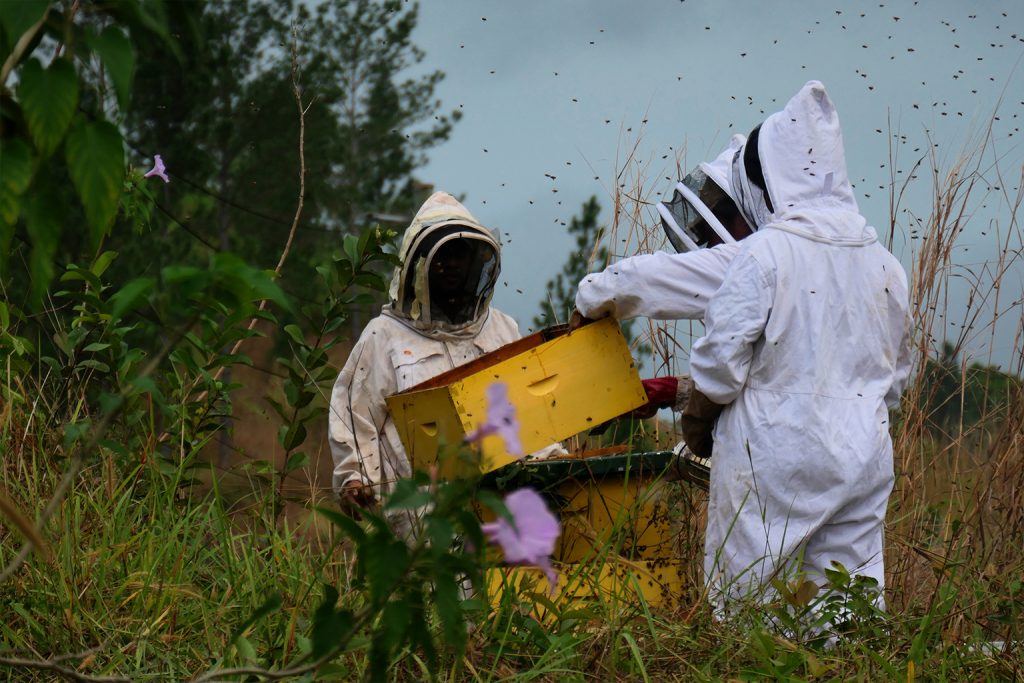
The community has ventured into the rainforest honey business, which serves as an alternative source of livelihood and promotes nature-positive community development.
Drawa Project business manager Waita Curuvale said the honey business, which involved harvesting and selling honey at local markets, empowered women to take ownership of their economic development.
“We ensure that the income from credit sales is properly shared as many things are done by women. They really appreciate the benefits coming from the project,” she said.
“Observing our forest in the Drawa block and understanding the methods of preserving and safeguarding it, while also allowing our people to reap economic benefits, has transformed our perspective on the significance of forest conservation.”
Echoing the sentiments of the women from Lutukina Village, Ms Curuvale said the combined benefits of the project significantly transformed their mindset towards economic opportunities.
“One of the major advantages they observed is the ability to upgrade their toilet facilities,” Ms Curuvale said.
“In the past, several families lacked proper sanitation, but with the revenue generated from carbon sales, women in the community are gradually constructing flush toilets to improve their families’ living conditions.
“This development has greatly benefited the community, and the women are proud to have played a role in it.”
Apart from the upgraded toilets, women and families in Lutukina have enjoyed other advantages. These include access to bank accounts, scholarships for school fees and educational equipment for students, and the creation of useful networks where women have a stronger voice in local governance and cooperation with non-governmental organisations operating in the region. The honey business and forest carbon have had a positive impact on the lives of the people in Lutukina.
Nakau has also ensured, as outlined in their methodology, that women have equal access to the income generated by the carbon project and have a say in how it is reinvested.
Resilient rainforests: Lifeline in extreme weather
When Cyclone Yasa struck Drawa in December 2020, the villages, infrastructure, and food sources in the area were severely impacted, just like much of Fiji.
However, the intact and healthy rainforest was able to provide support to the community. According to Peni Maisiri, chairman of the Drawa Block Forest Community Cooperative, the cyclone had a significant impact on the villages, particularly the Drawa block.
“The community relied heavily on the fishing grounds in the forest, which remained intact despite the cyclone,” he said.
He emphasised that leaving the forest intact could bring many benefits to the community.
Reducing Emissions from Deforestation and forest Degradation (REDD+) senior project officer with Live & Learn Fiji, Beato Dulunaqio said the logging coupes had already been mapped out and community members were starting to clear the forest for timber.
“But just as they were faced with the prospect of losing their forest forever, the eight mataqali, or clans, of Drawa were presented with an opportunity to save it,” he said.
“The Drawa community stood at the forefront of environmental preservation by embracing the Nakau methodology.”
Recognising the significance of their forest, the Mataqali established the Drawa Block Forest Community Cooperative and pioneered the use of “payment for ecosystem services” (PES) to safeguard it.
Mr Dulunaqio said their efforts were bolstered by the support of Nakau and Live & Learn Fiji, with whom they formed a strong partnership to launch a pioneering carbon trading initiative.
“The community’s unwavering commitment to environmental conservation serves as an inspiration to many others, and their success stands as a testament to the power of collective action.”
Project Success
The ownership of the project and forests lies with the Drawa Block Forest Community Cooperative, which comprises more than 400 native Fijian landowners from three villages.
Every year, this initiative produces more than 18,000 carbon credits. The Drawa Block Forest Community Cooperative also serves as a habitat for various endangered species such as the Barred tree skink (Emoia trossula), the Vanua Levu slender tree skink (Emoia mokosariniveikau), and the remarkable Fiji ground frog (Cornufer vitiana).
The Drawa rainforests, situated on the Wailevu-Deketi Highlands, provide sanctuary to a diverse range of flora, including 385 plant species, of which 47 per cent are exclusive to Fiji.
The area supports 22 native bird species, making it an officially recognised important bird area in Fiji. Mr Dulunaqio said the success of this project allowed Live & Learn Fiji to replicate the model for Fiji’s ecosystems adaptation-based project.
“This Conservation Project, also known as REDD+, is also the first ever carbon trading business in Fiji,” he said.
“This has informed the National REDD+ Unit within the Ministry of Forestry, which aims to educate eligible communities to preserve their forest and natural resources and incentivise them to sell their carbon credits.”
Mr Dulunaqio said the success of this project showed that Fijian communities could be leaders in forest conservation that also provided economic, social and climate resilience benefits.
“After winning the Energy Globe Award in 2020, Drawa has not only been recognised in Fiji and the Pacific but globally.
“They have taken the first step towards achieving Sustainable Development Goal (SDG) 13 in taking action to combat climate change and its impacts,” he said.
Robbie Henderson, Nakau’s chief executive officer, said the Drawa project proved eco-friendly community development was achievable.
“It maintains the community’s reliance on nature without posing a threat to its resources,” he said.
Carbon credits income and development
Carbon credits has fuelled the community progress in investing in a sustainable future. A decade has passed and the community now derives a substantial income from forest carbon credits, while the forest remains intact.
The community has ventured into the rainforest honey business, which serves as an alternative source of livelihood and promotes nature-positive community development.
Drawa Project business manager Waita Curuvale said the honey business, which involved harvesting and selling honey at local markets, empowered women to take ownership of their economic development.
“We ensure that the income from credit sales is properly shared as many things are done by women. They really appreciate the benefits coming from the project,” she said.
“Observing our forest in the Drawa block and understanding the methods of preserving and safeguarding it, while also allowing our people to reap economic benefits, has transformed our perspective on the significance of forest conservation.”
Echoing the sentiments of the women from Lutukina Village, Ms Curuvale said the combined benefits of the project significantly transformed their mindset towards economic opportunities.
“One of the major advantages they observed is the ability to upgrade their toilet facilities,” Ms Curuvale said.
“In the past, several families lacked proper sanitation, but with the revenue generated from carbon sales, women in the community are gradually constructing flush toilets to improve their families’ living conditions.
“This development has greatly benefited the community, and the women are proud to have played a role in it.”
Apart from the upgraded toilets, women and families in Lutukina have enjoyed other advantages. These include access to bank accounts, scholarships for school fees and educational equipment for students, and the creation of useful networks where women have a stronger voice in local governance and cooperation with non-governmental organisations operating in the region. The honey business and forest carbon have had a positive impact on the lives of the people in Lutukina.
Nakau has also ensured, as outlined in their methodology, that women have equal access to the income generated by the carbon project and have a say in how it is reinvested.
Resilient rainforests: Lifeline in extreme weather
When Cyclone Yasa struck Drawa in December 2020, the villages, infrastructure, and food sources in the area were severely impacted, just like much of Fiji.
However, the intact and healthy rainforest was able to provide support to the community. According to Peni Maisiri, chairman of the Drawa Block Forest Community Cooperative, the cyclone had a significant impact on the villages, particularly the Drawa block.
“The community relied heavily on the fishing grounds in the forest, which remained intact despite the cyclone,” he said.
He emphasised that leaving the forest intact could bring many benefits to the community.
Jerry Lotawa, the lead ranger with the Drawa Block Forest Community Cooperative, explained that the forest provided the village with food, including prawns, eels, fish, seeds, and fruit, as well as clean drinking water.
He also highlighted the importance of the Drawa forest carbon project in changing the community’s attitude towards managing the forest sustainably.
Without the project, Jerry believes that the community’s attitude towards the forest would have been different, nd they may have continued to cut down and burn trees.
“The project brought a new idea to the community, emphasising the importance of managing the forest sustainably and minimising damage to the environment,” he said.
Projects in Development Nakau CEO, Robbie Henderson said the valuable expertise and knowledge gained from the Drawa initiative can serve as a source of inspiration for other communities that are facing similar challenges.
“It demonstrates that carbon projects can provide essential economic assistance to people without causing harm to their forests,” he said.
“As the global community gathered at COP27 and COP15, the need for urgent nature-based solutions to combat our climate and nature crises has become more crucial than ever before.”
Mr Henderson said these international forums emphasise the importance of implementing solutions that safeguard the environment, preserve biodiversity, and support local communities.
“Preserving intact primary forests that can support carbon projects is a key strategy for companies striving towards achieving net zero emissions through offsets,” he said.
Nakau is presently collaborating with local partners and communities in Vanuatu, Solomon Islands, and Papua New Guinea to establish new projects.
This article was first published in Wansolwara and has been republished here with the kind permission of the editor(s).
With the vision, Sustainable Forests, our Future, the Ministry of Forestry is grateful to its stakeholders, corporate organisations, individuals and communities for their collective efforts in championing this objective.
This week, we highlight the sustainable and conservation efforts of Drawa Village through the Drawa Forest Conservation Project and the Drawa Block.
The Drawa Block is located in Central Vanua Levu, within the province of Cakaudrove and Macuata, which is made up of mountainous terrain, covered with indigenous old-growth and secondary forest.
Working in partnership with Live and Learn Fiji, the Drawa Forest Conservation Project, with support from the Nakau Programme, addresses climate change mitigation, ecosystems-based adaptation to climate change and rural livelihoods and provides a solution to the challenge of financing long-term maintenance of protected areas.
The Drawa project aims to reduce carbon-dioxide emissions by changing forest management from timber extraction to forest protection. The communities within the Drawa block voluntarily gave land for this project almost 20 years ago, making it the first REDD+ carbon trade project to be implemented in Fiji.
Championing the cause for sustainability and conservation, the Drawa landowners gave up their rights to logging timber on 1549.29 hectares of their land in exchange for the opportunity to sell rainforest carbon offsets as a way of generating revenue for local economic development.
In a talanoa session last month at the Grand Pacific Hotel, former school teacher and Drawa Block Forest Community Cooperative (DBFCC) board member, Aminiasi Veisaci reflected on the community experience of the Drawa Project.
“I know our forefathers made the right decision 20 years ago, when they gave some of our land for the Project and I thank our village leaders at the time for their foresight,” Mr Veisaci said.
“Our forests have not been touched since that decision was made to have our village be a model for forest reserve”.
Proving that sustainable forests is definitely for the future, the current generation of Drawa villagers were able to reap the rewards of their forefathers conservation efforts when in May 2018, they became the first village in Fiji to trade carbon under the voluntary carbon market. The eight landowning units received $20,700 in proceeds from the trade.
Mr Veisaci said that since 2018, they continued to receive payments for eco-system services (PES) for their steadfast efforts in conserving their forests.
In January 2021, Fiji became the first small island developing state (SIDS) to sign an Emission Reductions Payment Agreement (ERPA) with the Forest Carbon Partnership Facility (FCPF).
FCPF is a global partnership of governments, businesses, civil society, and Indigenous Peoples focused on reducing emissions from deforestation and forest degradation, forest carbon stock conservation, the sustainable management of forests, and the enhancement of forest carbon stocks in developing countries, activities commonly referred to as REDD+.
The FCPF works with 47 developing countries across Africa, Asia, and Latin America and the Caribbean, along with 17 donors that have made contributions and commitments totaling $1.3 billion. The FCPF supports REDD+ efforts through its Readiness and Carbon Funds.
Minister of Economy Aiyaz SayedKhaiyum had signed the landmark agreement with FCPF a global partnership housed at the World Bank, that will unlock up to US$12.5 million (approx. FJ$26 million) in results-based payments for increasing carbon sequestration and reducing emissions from deforestation and forest degradation.
The five-year agreement will reward efforts to reduce carbon emissions from deforestation and forest degradation under Fiji’s ambitious emission reductions programme and both the Ministry of Economy and the Ministry of Forestry will have lead roles in this initiative.
In signing the agreement, Minister Sayed-Khaiyum said the emission reduction programme area includes over 37,000 hectares spread over 20 districts on the islands of Viti Levu, Vanua Levu and Taveuni, with the potential to expand to other areas that express interest.
“The contracted volume of greenhouse gases that Fiji is expected to sequester from these forest activities in the next five years is 2.5 million tonnes, for which a result-based payment of USD 12.5 million will be paid upon verification by the World Bank,” Mr Sayed-Khaiyum said.
Typical approaches to forest protection often fail if they do not address the need for income generation that can replace the ‘opportunity cost’ of rejecting unsustainable developments.
As part of the Nakau Programme, the Drawa project demonstrates the potential to finance forest protection and all of its associated co-benefits through production and the sale of carbon credits.