NDMO receives $21k worth of media and training equipment
The National Disaster Management Office (NDMO) received media and training equipment from Live and Learn worth $21k. This is expected to assist the NDMO’s office on preparedness and response to natural disasters. Director for NDMO Vasiti Soko said this assistance would allow their officers to create more quality content and increase awareness on preparedness and […]
Collaborative drive for food security in rural communities
The Ministry of Agriculture and Waterways collaborates with the Live and Learn team to work in rural and informal settlements across Fiji. The partnership has seen a steady growth in community empowerment, especially in terms of enhancing knowledge on food security. Funding and support from the Australian Government’s Department of Foreign Affairs and Trade (DFAT) […]
Fiji Advances Infrastructure Resilience with IRIS Partnership
The Permanent Secretary for the Ministry of Public Works, Meteorological Services and Transport, Mr. Paula Baleilevuka, has called for stronger collaboration, innovative financing, and community-driven action to strengthen Fiji’s infrastructure resilience against disasters. Speaking on the second day of the National Workshop on Assessment of Fiscal Risks Due to Disasters in Critical Infrastructure Sectors, Mr. Baleilevuka […]
Kiwa EMPOWER brings hope to remote Islands in Solomon Islands
Two small island communities in Solomon Islands will benefit from the Kiwa Empower project officially launched yesterday. Nifili Island in Temotu Province and Sikaiana Island in Malaita Province are the two sites where the project will work with stakeholders to strengthen nature based solutions (NbS) aimed at inclusive and equitable climate change adaptation, food and […]
The Kiwa Initiative launched its EMPOWER project with support from Australia and other donors in Solomon Islands on 24 June. The Kiwa EMPOWER project will restore ecosystems and improve the health of waterways to increase climate resilience in two remote communities: Sikaiana in Malaita Province and Nifiloli in Temotu Province. In Solomon Islands, the EMPOWER […]
Agriculture Ministry partners NGO to aid community
Live and Learn Fiji has joined forces with the Ministry of Agriculture to assist residents of Mataniborosisi Settlement in Lami in addressing the impacts of climate change. According to the non-governmental organization, the residents’ farming areas are being inundated with seawater during high tide due to coastal erosion and rising sea level. Live and Learn […]
Food security and nutrition tops Live and Learn list
Improving of nutrients in food and food security are two of the major focus of the non-governmental organisation Live & Learn Fiji, as they work on 29 communities in the Northern Division. Project Manager Kolosa Matebalavu says most of these communities are vulnerable to climate change and this is affecting their food sources, which eventually […]
Empowering Pacific Parliaments through Floating Budget Office
What is a Floating Budget Office? In the vast expanse of the Pacific, an innovative initiative that continues to revolutionize how parliaments analyze and understand their national budgets. The Floating Budget Office (FBO) is empowering Pacific nations to make more informed decisions about their financial futures. But what exactly is the FBO, and how is […]
The Yavusa Kavula Restoration Programme in Bua Province, is making remarkable progress in restoring grassland areas within the five Mataqali of Yavusa Kavula. This initiative is being undertaken between the Ministry of Forestry and the environmental NGO Live and Learn Fiji. As part of the programme, the Yavusa Kavula has already planted 2,836 native assorted […]
The Ministry of Agriculture and Waterways and Live and Learn Fiji are spearheading the Atoll Food Futures program. It focuses on the strategic planting of Vetiver grass to counteract the adverse impacts of climate change on the environment. The initiative primarily targets informal settlements including Kilikali, Mataniborosisi, Waikerekere and Bilo along the Suva corridor where […]
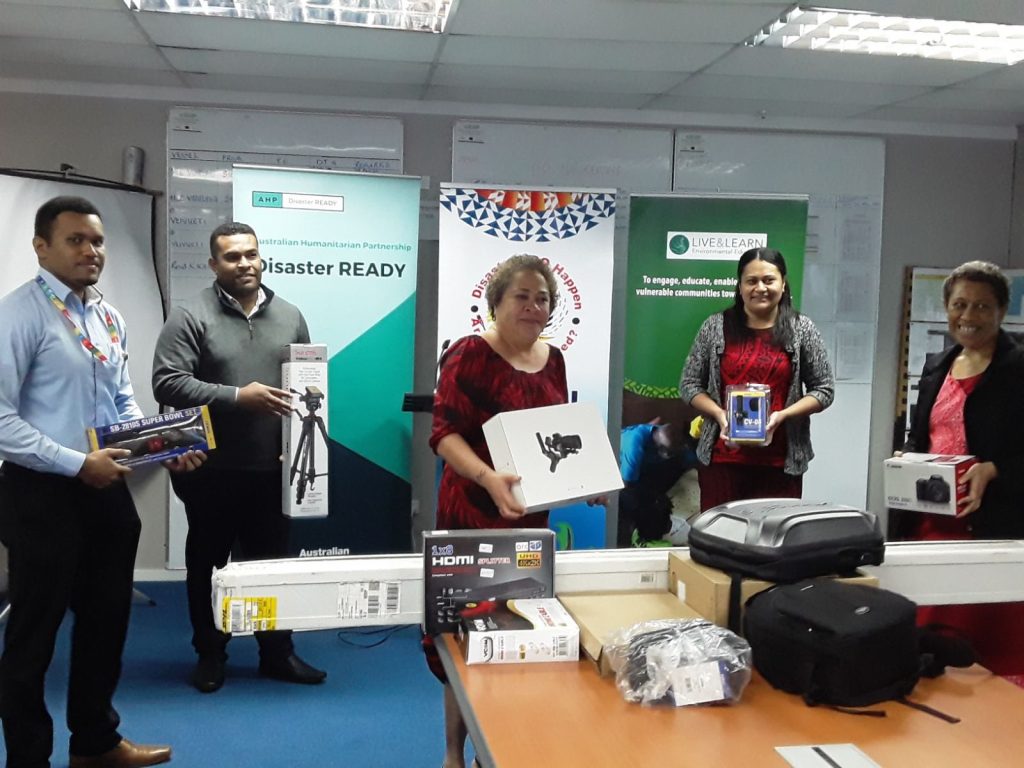
The National Disaster Management Office (NDMO) received media and training equipment from Live and Learn worth $21k.
This is expected to assist the NDMO’s office on preparedness and response to natural disasters.
Director for NDMO Vasiti Soko said this assistance would allow their officers to create more quality content and increase awareness on preparedness and response.
“This is a huge boost to our media unit, which will allow us to tell stories of the impact of our preparedness programs and awareness on Disaster Risk Reduction across the country,” Ms Soko was quoted saying in a Government statement.
Ms Soko thanked Live and Learn and the Australian government for its continued support in the areas of building capacity and national partners to understand and effectively address the consequences of and responses to climate-related hazards.
“On behalf of the local Australian Humanitarian Partnership (AHP) partners, we wish to acknowledge the partnership that we have with the Fijian Government and in particular the NDMO.
“In order for our communities and for our institutions of Government to be prepared for disasters, one of the key areas is around training the divisional and district Emergency Operations Centres members as well as capturing the success stories from the recipient of this training.”
The Ministry of Agriculture and Waterways collaborates with the Live and Learn team to work in rural and informal settlements across Fiji.
The partnership has seen a steady growth in community empowerment, especially in terms of enhancing knowledge on food security.
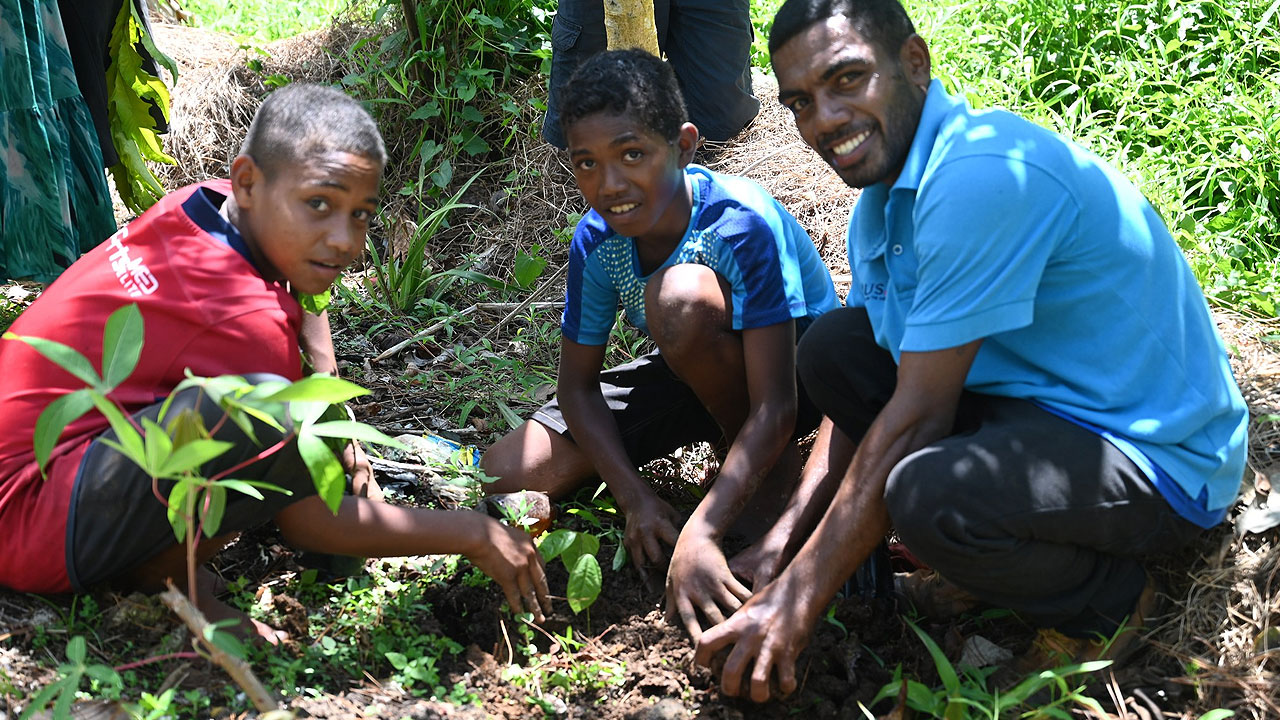
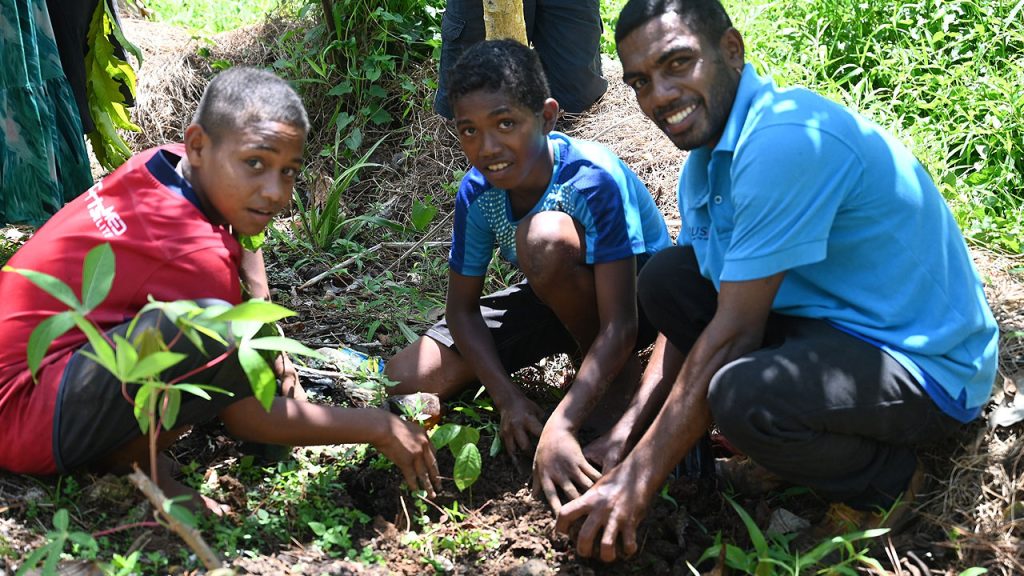
Funding and support from the Australian Government’s Department of Foreign Affairs and Trade (DFAT) are currently facilitating the planting of over 210 fruit trees in Kilikali, Mataniborosisi, Waikerekere, and Bilo settlements.
Live and Learn Food Security Coordinator, Ponijese Korovulavula says that these are vulnerable communities that often miss out on the developments happening in the formal settlements.
He says that so much work and effort has gone into raising the standards for those living in the informal settlements helping these communities realize their potential in growing their own food.
Korovulavula says that this initiative is also an opportunity to maximize the available land space they have and also raise awareness and advocate on the importance of proper land use.
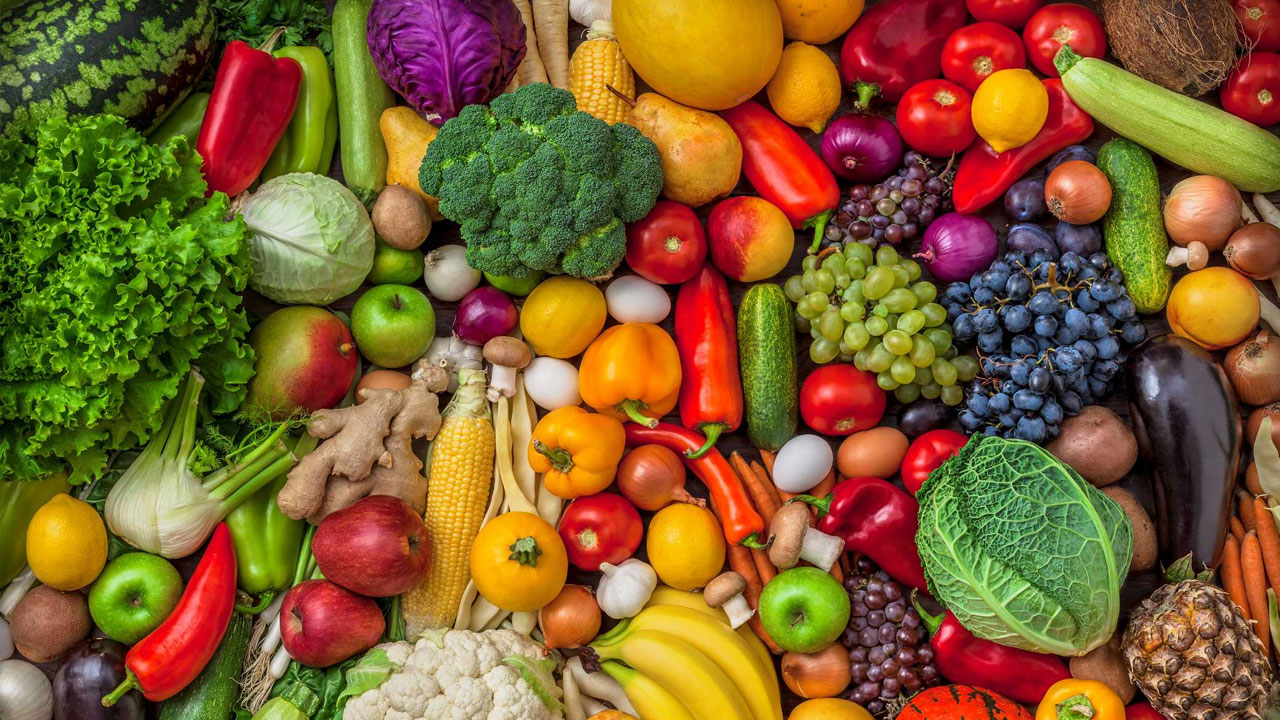
Community members express gratitude for the assistance and affirm their commitment to continue cultivating healthy fruits and vegetables for their families.
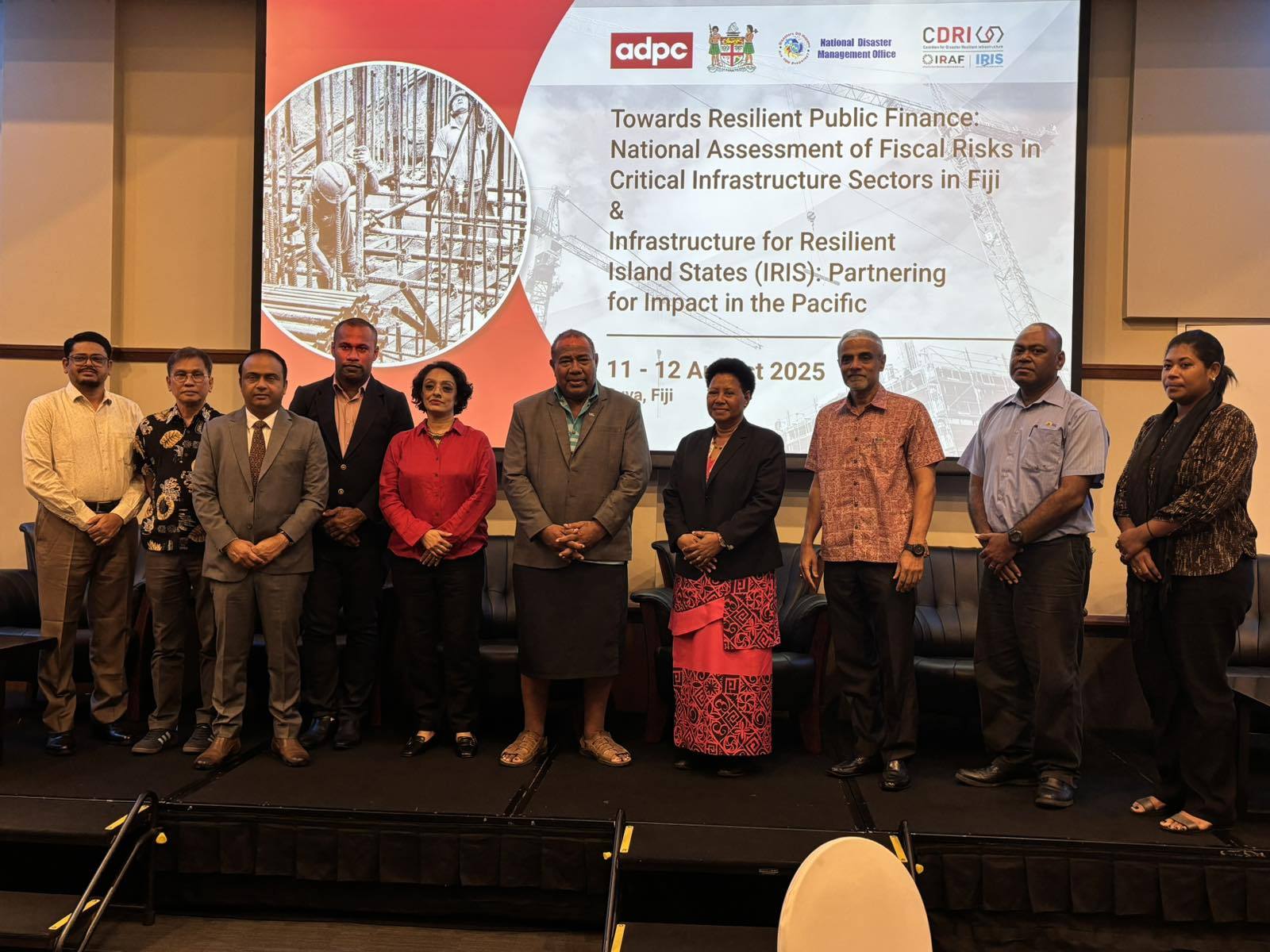
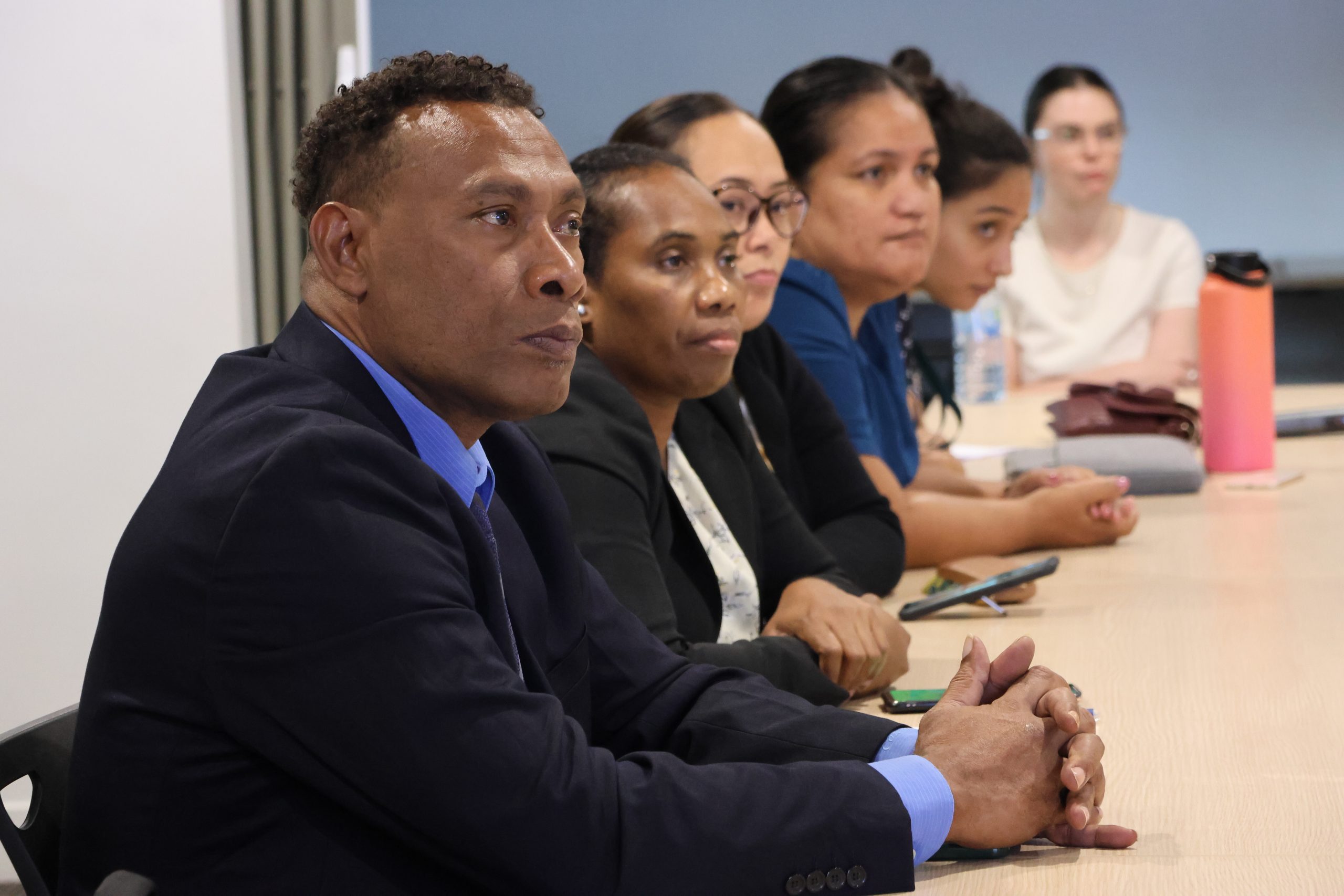
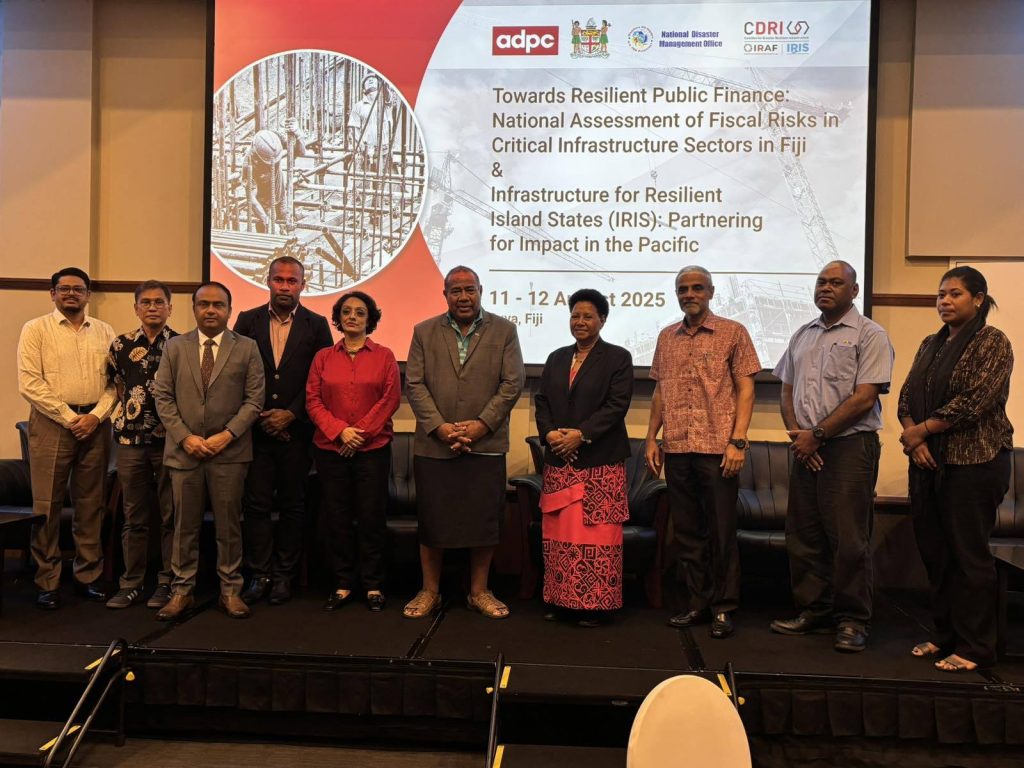
The Permanent Secretary for the Ministry of Public Works, Meteorological Services and Transport, Mr. Paula Baleilevuka, has called for stronger collaboration, innovative financing, and community-driven action to strengthen Fiji’s infrastructure resilience against disasters.
Speaking on the second day of the National Workshop on Assessment of Fiscal Risks Due to Disasters in Critical Infrastructure Sectors, Mr. Baleilevuka highlighted the Infrastructure for Resilient Island States (IRIS) programme as a key partner in building Fiji’s capacity to withstand and recover from natural hazards.
“Through IRIS, Fiji is not only bolstering road and transport systems, but also improving preparedness across utilities, telecommunications, housing, and coastal protection,” he said. “We must leverage this momentum to integrate resilience into every sector of our national development.”
IRIS, a flagship initiative of the Coalition for Disaster Resilient Infrastructure (CDRI), was launched at COP26 to support Small Island Developing States (SIDS) through grants, technical expertise, and capacity building. Backed by donor commitments of USD 40–50 million from partners including India, the United Kingdom, the European Union, and Australia, IRIS focuses on country-driven projects in areas such as resilient building codes, nature-based solutions, and integrated disaster warning systems.
A key Fiji-based IRIS project developed in collaboration with the Fiji Meteorological Service, Live & Learn Fiji, and the National Disaster Management Office aims to map, assess, and plan for a comprehensive Multi-Hazard Early Warning System. This will merge tsunami, storm, and flood alerts into a unified platform, improving response times, public communication, and institutional preparedness.
Mr. Baleilevuka urged government agencies, development partners, and communities to:
Leverage the IRIS funding pipeline for projects aligned with the Sustainable Development Goals and the Sendai Framework for Disaster Risk Reduction.
Integrate fiscal safeguards into infrastructure planning, ensuring budgets include contingencies for climate and disaster risks.
Foster cross-agency collaboration so that ministries and sectors align in infrastructure risk assessments and resilience strategies.
“This workshop is more than a meeting it is a launchpad for resilient fiscal stewardship and infrastructure security in Fiji and across the Pacific,” he said. “By acting now, we not only reduce disaster losses, but we also safeguard our economic, cultural, and environmental assets for future generations.”
The two-day workshop brings together local and international experts, government officials, and development partners to strengthen Fiji’s disaster risk frameworks and build a pipeline of resilient infrastructure projects for the Pacific region.
Source: Fiji’s Ministry of Public Works, Meteorological Services and Transport
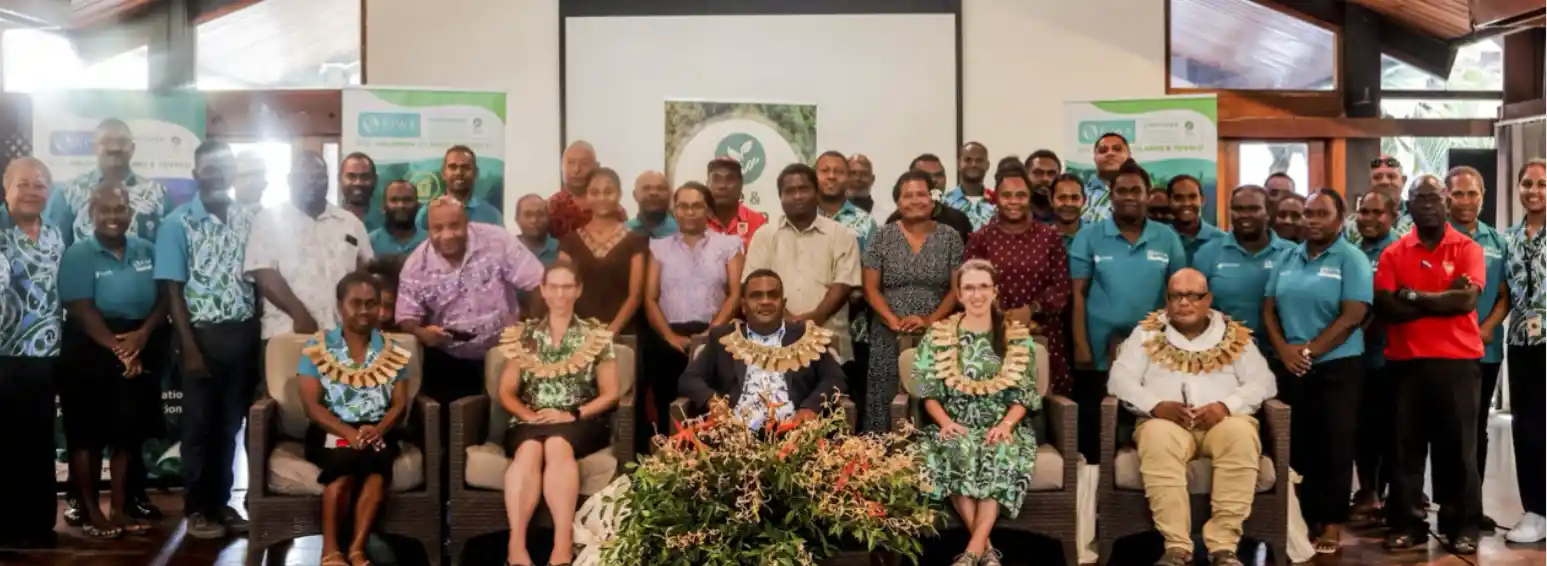
Two small island communities in Solomon Islands will benefit from the Kiwa Empower project officially launched yesterday. Nifili Island in Temotu Province and Sikaiana Island in Malaita Province are the two sites where the project will work with stakeholders to strengthen nature based solutions (NbS) aimed at inclusive and equitable climate change adaptation, food and water security and biodiversity conservation.
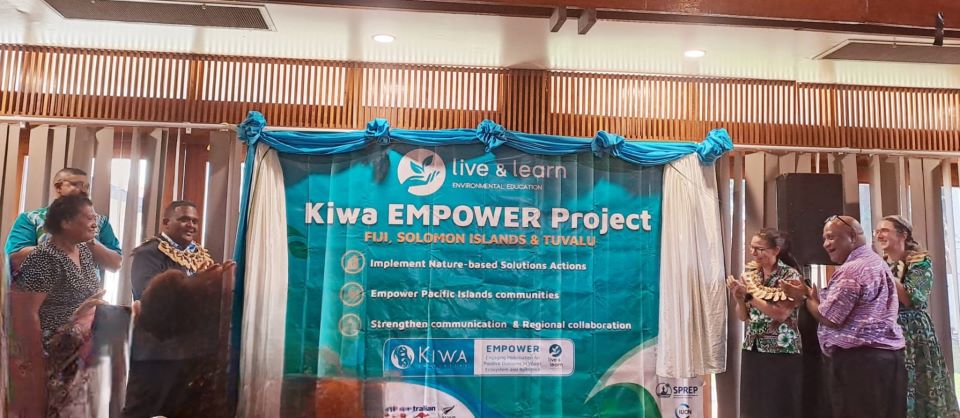
The Kiwa Initiative launched its EMPOWER project with support from Australia and other donors in Solomon Islands on 24 June.
The Kiwa EMPOWER project will restore ecosystems and improve the health of waterways to increase climate resilience in two remote communities: Sikaiana in Malaita Province and Nifiloli in Temotu Province.
In Solomon Islands, the EMPOWER project will be implemented by Live and Learn Environmental Education, who will work directly with communities to incorporate indigenous knowledge and ensure solutions are locally-led. Congratulations to community leaders in Sikaiana and Nifiloli for your commitment to a more sustainable future.
During the Kiwa EMPOWER launch, Honourable Trevor Mahaga, Minister for Environment, Climate Change, Disaster Management and Meteorology said, “To the donor partners … we extend our deepest appreciation. Your support has not only provided funding but has reignited hope. Through your partnership, Solomon Islands can step towards community led climate adaptation, resilience building and biodiversity protection.”
HE Rod Hilton, High Commissioner to Solomon Islands said, “ Australia is proud to support this project. We are especially pleased that it will focus on two harder to reach communities, because remoteness can increase vulnerability to the impacts of climate change and disasters”.
“Nature-based solutions,” High Commissioner Hilton said,“like those implemented through the EMPOWER project, address the environmental and social challenges of climate change simultaneously.”
The Kiwa Initiative brings together five donors; France, the European Union, Canada, New Zealand and Australia. Australia has proudly contributed to Kiwa since 2020 – providing SBD32 million across the Pacific region. The Australian Government remains deeply committed to action on climate change, both at home and in our region. The Kiwa Initiative is an important demonstration of this commitment.
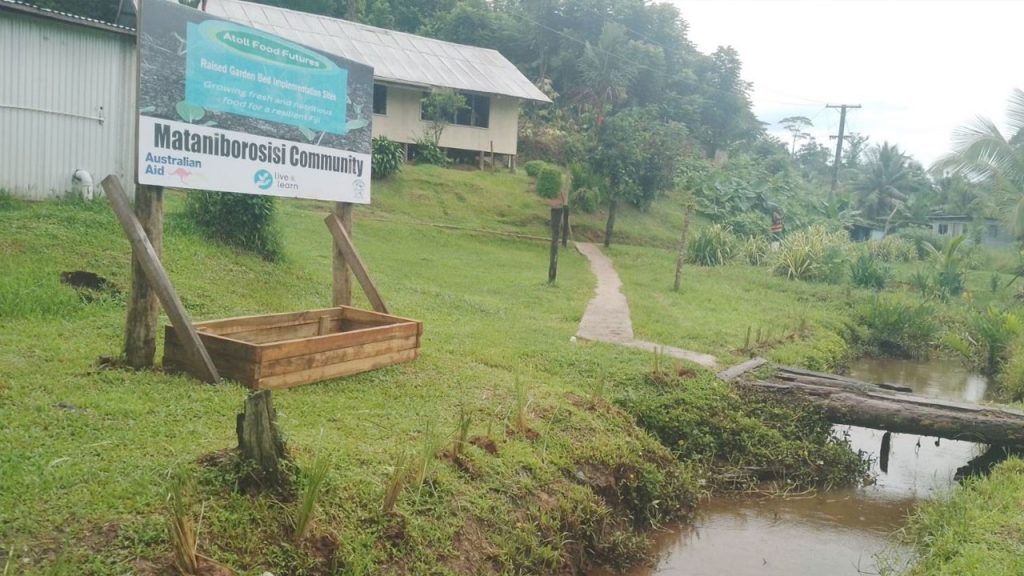
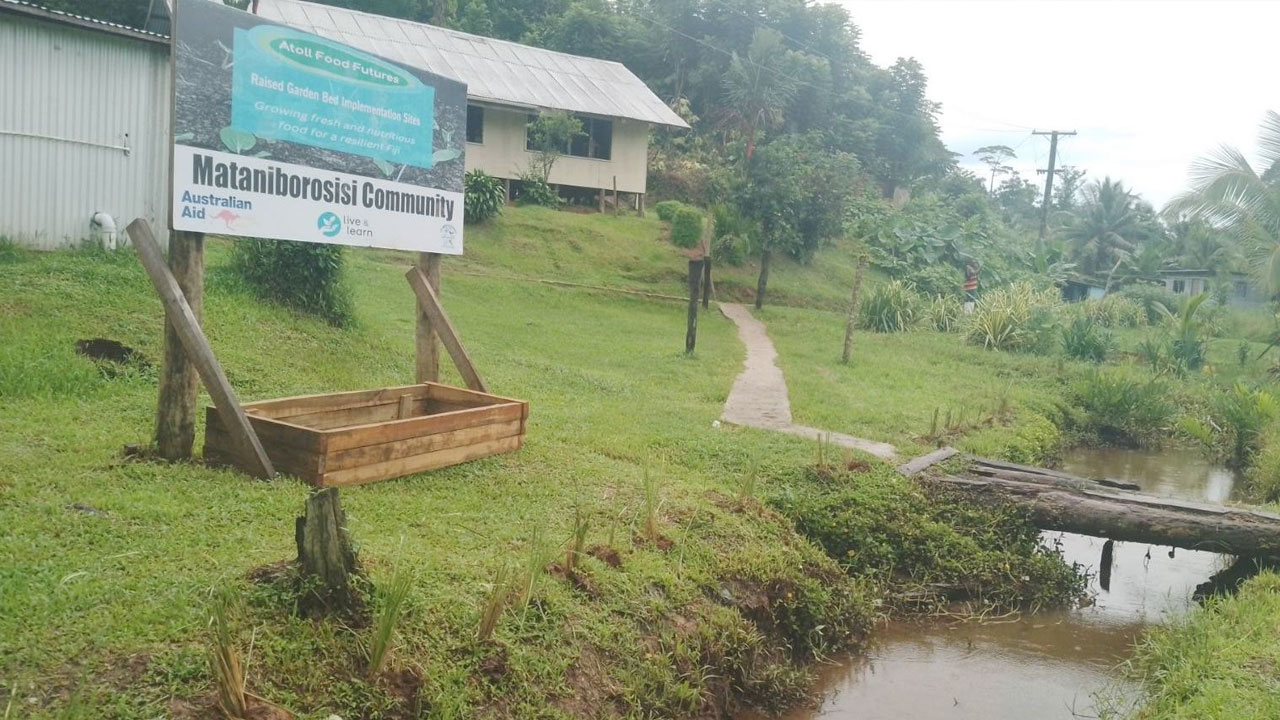
Live and Learn Fiji has joined forces with the Ministry of Agriculture to assist residents of Mataniborosisi Settlement in Lami in addressing the impacts of climate change.
According to the non-governmental organization, the residents’ farming areas are being inundated with seawater during high tide due to coastal erosion and rising sea level.
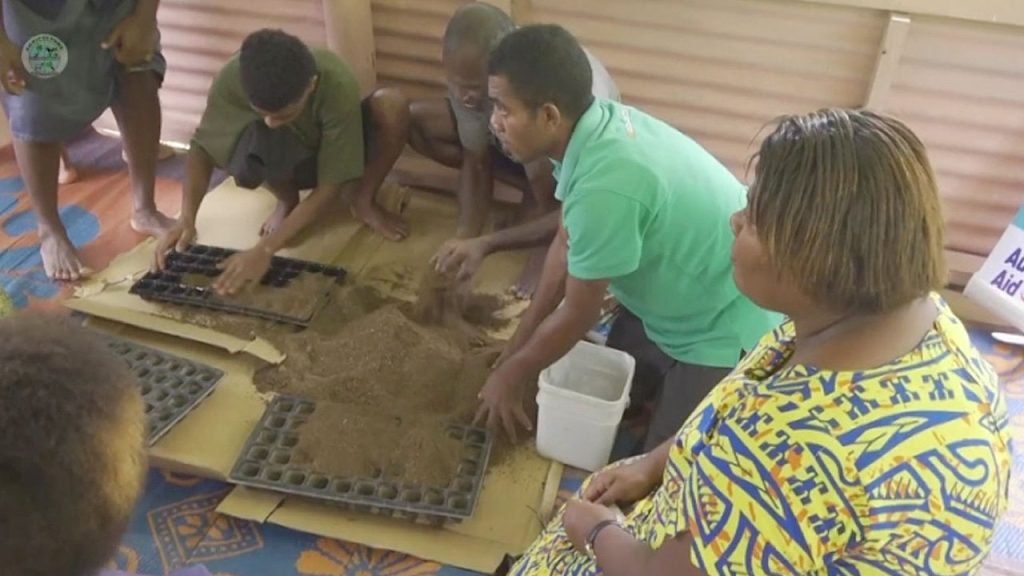
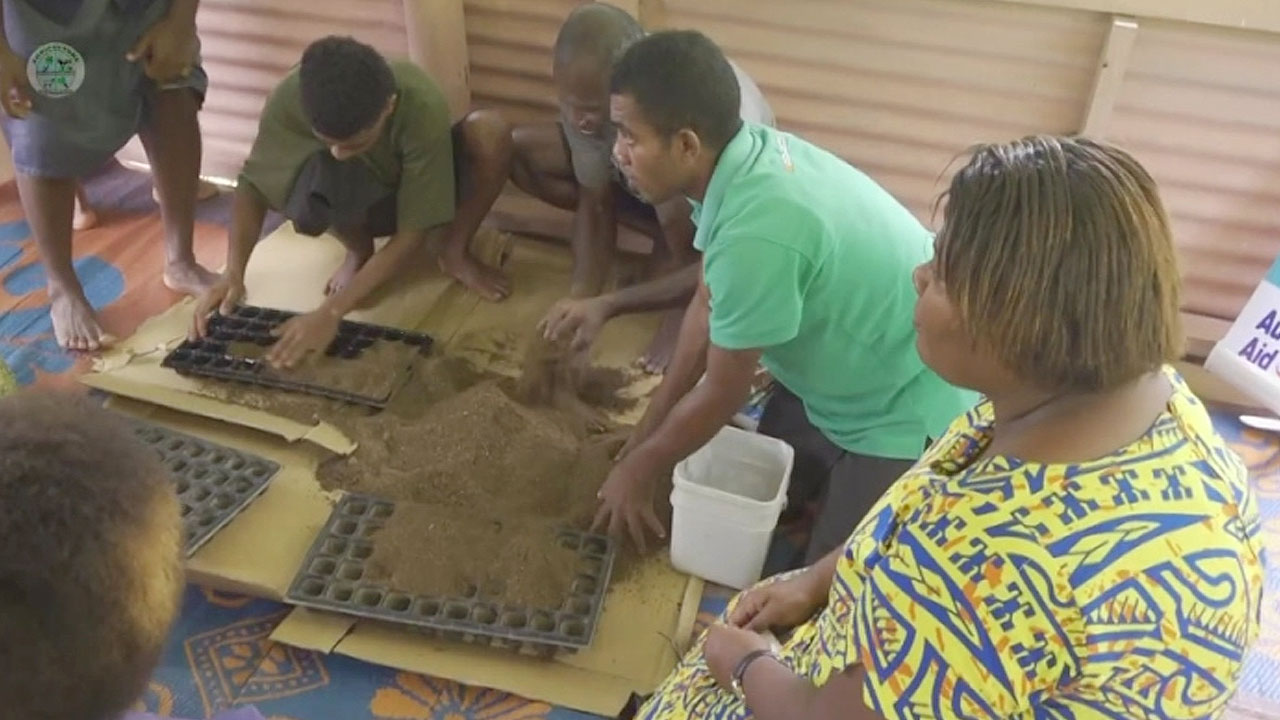
Live and Learn Food Security Coordinator Ponijese Korovulavula says a joint workshop between the organization and the Agriculture Ministry was held for residents on recycling and reuse of constructed goods, seed rearing, and sound agricultural practices to help them protect their land and resources from the impacts of climate change.
Improving of nutrients in food and food security are two of the major focus of the non-governmental organisation Live & Learn Fiji, as they work on 29 communities in the Northern Division.
Project Manager Kolosa Matebalavu says most of these communities are vulnerable to climate change and this is affecting their food sources, which eventually affects the lives of villagers, in particular expecting mothers as well as children. Matebalavu says the assistance and support is part of the drought recovery and climate resilience project, funded by the US Government’s Pacific American Fund.
“Our activities are also aligned with the Ministry of Health in terms of improving nutrients for our people of the vulnerable groups. This is because they have these issues around the prevalence of Anemia for Bua, Cakaudrove and Macuata for children under five and also for pregnant women, they have deficiency in certain nutrients and some of the challenges and issues we will be addressing through this programme is really around improving food security in drought prone areas.”
Matebalavu says they are also working very closely with the Ministry of Agriculture in promoting smart agriculture and also sustainable resource management and empowerment for women to be engaged in this sector.
The project was launched in February this year (2023) and will run in Cakaudrove, Bua and Macuata for two and a half years.
In the vast expanse of the Pacific, an innovative initiative that continues to revolutionize how parliaments analyze and understand their national budgets. The Floating Budget Office (FBO) is empowering Pacific nations to make more informed decisions about their financial futures. But what exactly is the FBO, and how is it making a difference?
The FBO is a Pacific Parliament-led initiative providing critical collaborative support to parliaments during the review of their national budgets. Upon the request, UNDP facilitates a team of experienced parliamentary researchers from across the region supporting the national parliament capacity in analyzing their budget.
Through this effort, parliaments throughout the region will be able to share best practices and information in an inclusive environment.
The FBO’s work is essential to making sure that public budgets, which are frequently complicated and technical, are transparent and subject to in-depth analysis. The FBO actively engages a variety of stakeholders, including Civil Society Organizations (CSOs), in the budget review process by advocating a whole-of-society approach.
UNDP’s Support
UNDP Pacific has been providing technical assistance to parliaments to build the capacity of legislators to strengthen the relationship between parliament and the executive and civil society since 2017.
FBO supporting via briefs with internal government business discussions, UNDP Pacific has been offering technical assistance to parliaments in efforts to build capacity of legislator.
The budgets are often complex and require in-depth technical experience and knowledge in public finance, the FBO offers collaborative budget analysis to support Pacific parliaments and MPs while strengthening the region’s capacity for parliament research. As a result, UNDP has been considering how to advance a flexible architecture that would allow Pacific Parliaments to exchange knowledge and provide mutual support throughout their different budgetary procedures.
Under the direction of a team leader from the host or national parliament, the researchers create concise studies on important industries, offering unbiased and impartial information to legislators and civil society organizations. The independent approach builds trust and advances a culture of accountability and transparency in budgetary matters, which is essential for effective governance and development.
In 2021, UNDP invested in enhancing the quality of analytical tools available to parliamentary researchers, focusing on strategies to improve the PFBO’s budget analysis processes. This resulted in the development an automated budget analysis tool that streamlines the production of budget briefings for MPs, reducing resource demands while increasing the speed and accuracy of the analysis.
FBO in 2024
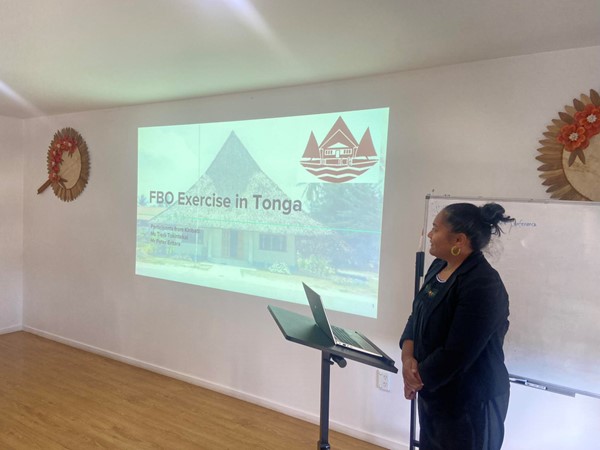
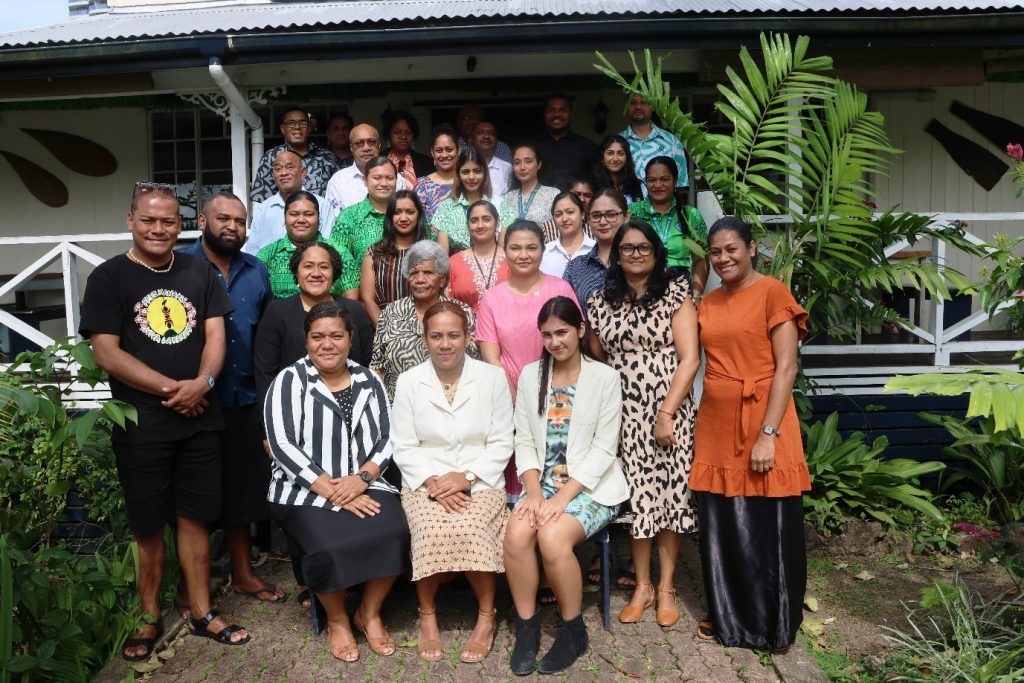
This year, the FBO was hosted by the Parliament of Tonga in April and the Parliament of Fiji in June consisting of participants from Tonga, Fiji, Kiribati, Vanuatu, Solomon Islands, Australia and New Zealand. This helps the national parliament in staff capacity-building, enhancing knowledge of budget processes in other parliaments, learning about budget analysis practices and templated used in other parliaments and developing and strengthening budget researchers’ network.
Civil Society Organizations (CSOs) workshop
A key factor in forming and bolstering democratic processes is civil society. This is why FBO briefings are not only presented to Parliamentarians but also to varying CSOs. When civil society understands the complex budget documents and decisions, they can play an active role in advocating for various public interests.
By engaging CSOs, the FBO aligns with a whole-of-society and collaborative approach, which is critical for sustainable development. A one-day workshop was conducted by the Parliaments of Tonga and Fiji to help CSOs understand the allocated priorities of the budget and develop a basic understanding of budget analysis. By involving CSOs and the public in the analysis of public finance, FBO ensures that budgets reflect the needs and aspirations of the people.
Representative from the Soqosoqo Vakamarama iTaukei, Ana Vesikula, said public finance management is important for the country for nation building, peace stability and for sustainable economic growth.
“It is important to have the public informed and engaged from consultation to the implementation of the budget along with the various levels of the society and stakeholders. Having the budget in three main languages in Fiji would assist people to understand and have more knowledge of the budget of what is allocated, why and how,” she said.
Gender and Resilience Officer from Live and Learn Fiji, Joseva Ravula, said as a first-timer to this workshop, it highlighted the importance of the budget, what it meant, what it is and for who. “One of the things that brings to the table is the importance of people knowing the budget. I am not sure whether the information about the budget is very inclusive; to think about those who use braille – was it accounted for; those who have hearing impairments if it was accounted for them. When we look at the inclusivity of information, we need to meet the needs of our people because they have the right to hear, to see, to be answered with the information surrounding the budget,” he said.
UNDP Pacific Office in Fiji provides essential support for parliamentary development across the region through two regional projects: the Pacific Parliamentary Effectiveness Initiative (PPEI), supported by the Government of New Zealand’s Ministry of Foreign Affairs and Trade (MFAT), and the second phase of the Strengthening Legislatures in Pacific Island Countries project, supported by the Government of Japan. In addition, this work is also made possible via the Fiji Parliament Support Project, supported by MFAT and Australia’s Department of Foreign Affairs and Trade.
The Yavusa Kavula Restoration Programme in Bua Province, is making remarkable progress in restoring grassland areas within the five Mataqali of Yavusa Kavula.
This initiative is being undertaken between the Ministry of Forestry and the environmental NGO Live and Learn Fiji.
As part of the programme, the Yavusa Kavula has already planted 2,836 native assorted seedlings.
In addition to restoring native vegetation, the initiative aims to plant 10,000 mandarin seedlings to boost local agriculture.
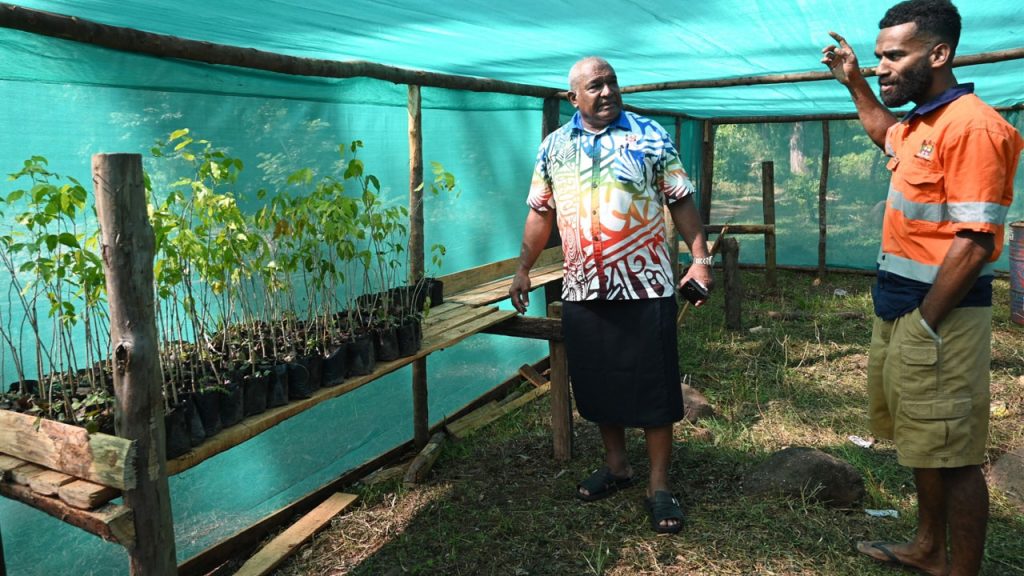
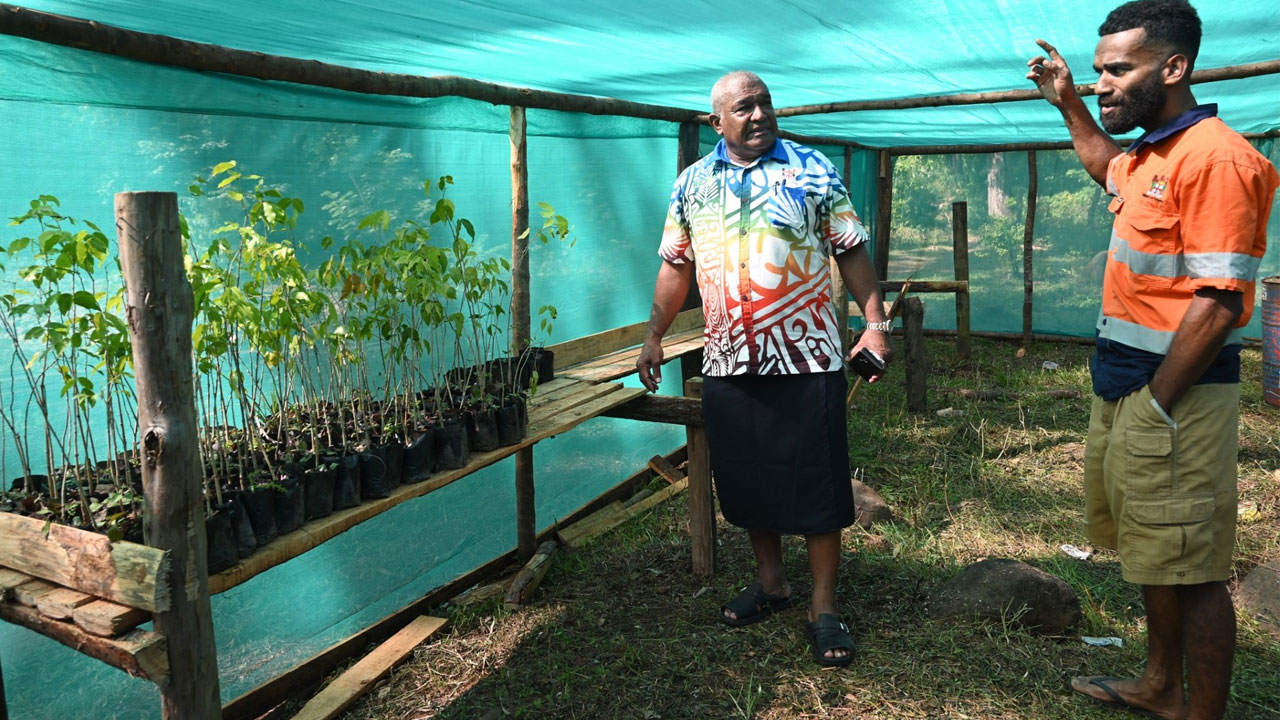
Recognizing the importance of this project, the Ministry has funded a temporary nursery to assist the community in raising their own seedlings for various planting operations, including mandarin cultivation.
Forestry Minister, Kalaveti Ravu, visited Kavula to officially open the temporary nursery this week.
The restoration programme was inspired by a site visit to Nayarabale Village in the District of Vaturova.
The Ministry of Agriculture and Waterways and Live and Learn Fiji are spearheading the Atoll Food Futures program.
It focuses on the strategic planting of Vetiver grass to counteract the adverse impacts of climate change on the environment.
The initiative primarily targets informal settlements including Kilikali, Mataniborosisi, Waikerekere and Bilo along the Suva corridor where communities deal with numerous challenges stemming from erratic weather patterns.
The Ministry’s land use section is at the forefront of efforts to address soil erosion and stabilization.
Utilizing Vetiver grass known for its ability to form dense narrow edges when planted closely, the approach has proven effective in controlling soil erosion and stabilizing watercourses.
Originally developed over 50 years ago for Fiji’s sugar industry, the use of Vetiver grass has become a standard practice for soil and water conservation, particularly in small-scale farming and residential compounds.
Vetiver grass finds widespread application across Fiji from reinforcing road embankments to stabilizing stream banks and contour hedges in farmland.
Farmers routinely employ Vetiver to fortify farm roads, regulate runoff water and shield vegetable crops from erosion.
Acknowledging climate change as an enduring natural occurrence, the collaboration highlights the necessity of nature-based solutions such as Vetiver grass to combat its effects.

 Leverage the IRIS funding pipeline for projects aligned with the Sustainable Development Goals and the Sendai Framework for Disaster Risk Reduction.