Live & Learn Fiji is working with select communities along the Kings Road and Queens Road, in Central and Western Provinces in Fiji to harness natural systems to address environmental challenges and safeguard critical infrastructure from the impacts of climate change and natural hazards. This is through the 𝐂𝐥𝐢𝐦𝐚𝐭𝐞 𝐈𝐧𝐟𝐫𝐚𝐬𝐭𝐫𝐮𝐜𝐭𝐮𝐫𝐞 𝐟𝐨𝐫 𝐑𝐞𝐬𝐢𝐥𝐢𝐞𝐧𝐭 𝐂𝐨𝐚𝐬𝐭𝐥𝐢𝐧𝐞 𝐚𝐧𝐝 𝐑𝐢𝐯𝐞𝐫𝐛𝐚𝐧𝐤𝐬 […]
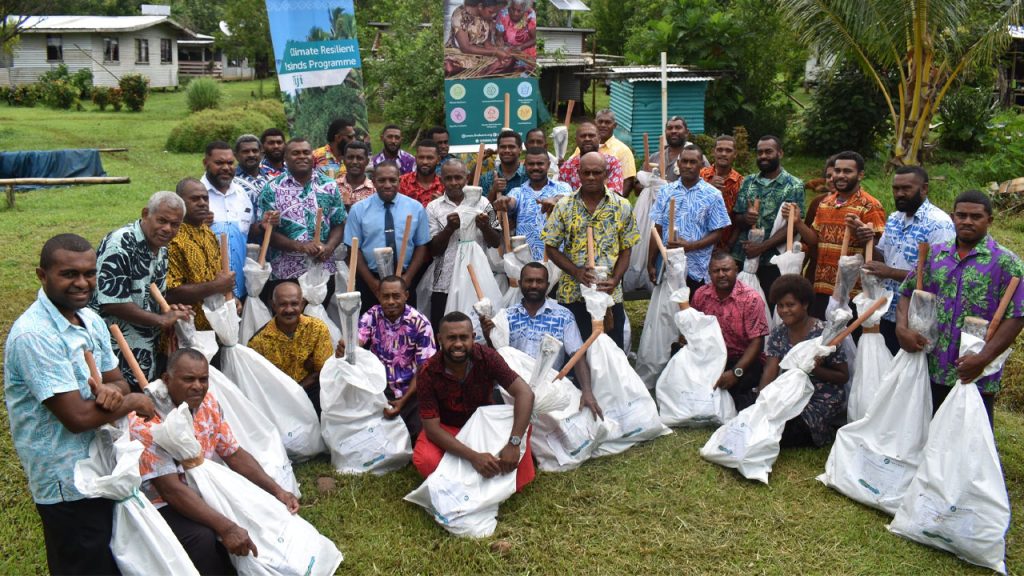
Eighty-three households in the villages of Kavula and Banikea in the district of Lekutu, Bua received farming tool kits from Live & Learn Fiji. This is part of an initiative to enforce food security by empowering farmers at the household level. The farming tools have been given under Live & Learn’s Climate Resilient Islands Programme […]
Climate resilient project to benefit 1000 northern villagers
As many as 1000 villagers on Vanua Levu will benefit from the New Zealand government-funded and recently launched project, Climate-Resilient Islands Program, aimed at empowering locals to deal with climate change impacts. In launching the program in Labasa this week with Live and Learn executives and staff members, New Zealand’s second secretary to Fiji Constance […]
Meeting the protection needs of vulnerable women has always been foremost for the Australian Humanitarian Partnership (AHP). A total of 1000 vulnerable women of Rewa and Serua were assisted with dignity kits as part of the AHP COVID-19 Activation Phase 2 Response to meet their protection needs and maintain their dignity during the pandemic. Implemented […]
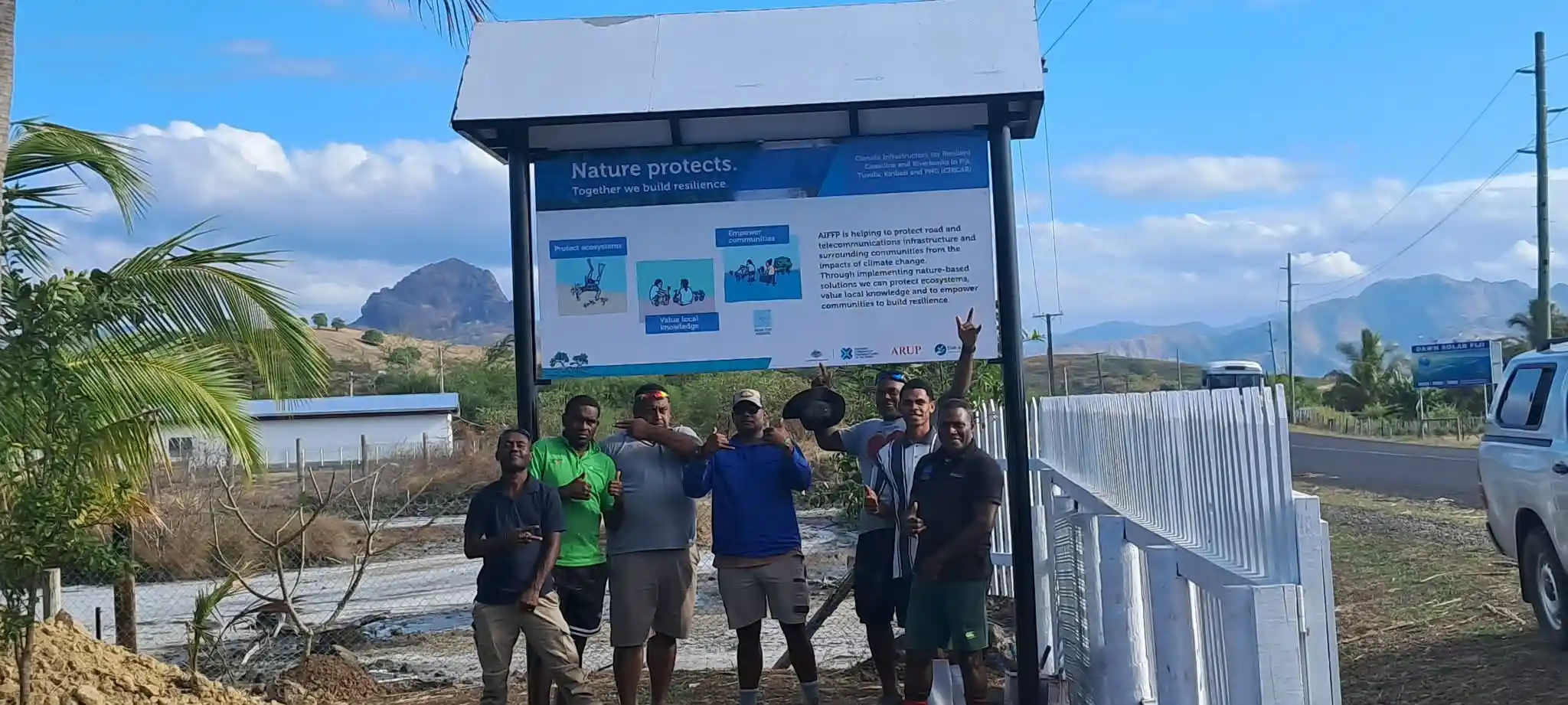
Live & Learn Fiji is working with select communities along the Kings Road and Queens Road, in Central and Western Provinces in Fiji to harness natural systems to address environmental challenges and safeguard critical infrastructure from the impacts of climate change and natural hazards.
This is through the 𝐂𝐥𝐢𝐦𝐚𝐭𝐞 𝐈𝐧𝐟𝐫𝐚𝐬𝐭𝐫𝐮𝐜𝐭𝐮𝐫𝐞 𝐟𝐨𝐫 𝐑𝐞𝐬𝐢𝐥𝐢𝐞𝐧𝐭 𝐂𝐨𝐚𝐬𝐭𝐥𝐢𝐧𝐞 𝐚𝐧𝐝 𝐑𝐢𝐯𝐞𝐫𝐛𝐚𝐧𝐤𝐬 𝐨𝐫 𝐂𝐈𝐑𝐂𝐀𝐑 program, where Fiji is one of five countries which have been selected by the Australian Government, through the Australian Infrastructure Financing Facility for the Pacific (AIFFP) and technical partner ARUP, to strengthen the climate resilience of key infrastructure investments. The other countries include Kiribati, Papua New Guinea and Tuvalu.
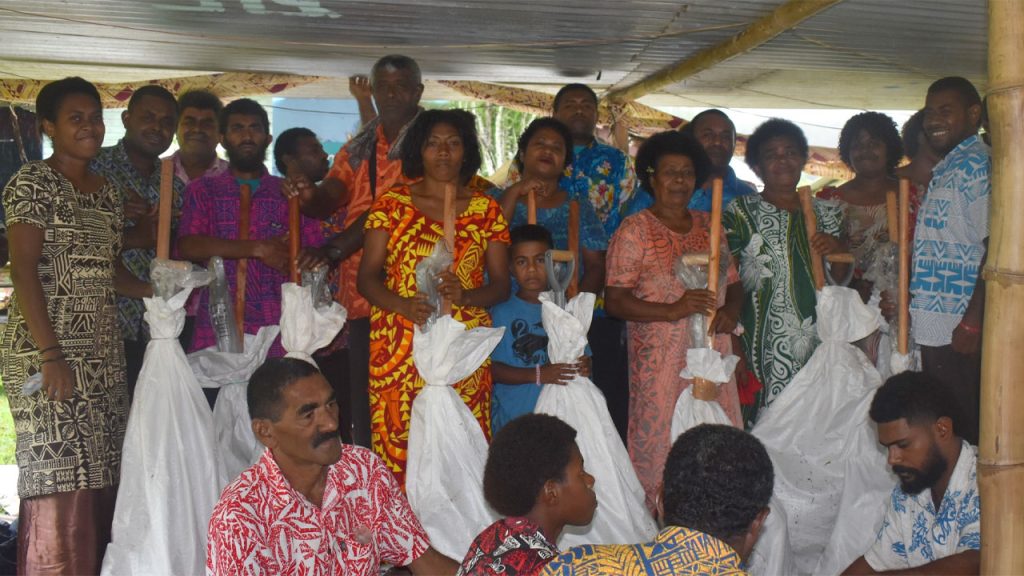
Eighty-three households in the villages of Kavula and Banikea in the district of Lekutu, Bua received farming tool kits from Live & Learn Fiji.
This is part of an initiative to enforce food security by empowering farmers at the household level. The farming tools have been given under Live & Learn’s Climate Resilient Islands Programme in partnership with the Ministry of Agriculture.
Senior Agriculture Officer for the Bua province Anare Leweniqila challenged the farmers in the individual villages to take this opportunity to plant more crops for commercial purposes in addition to subsistence farming.
Kavula Farmer’s Group leader, Maikeli Sogari, says they aim to strengthen the indigenous practice of solesolevaki in order to plant more in a smarter way.
Climate Resilient Islands is a New Zealand Ministry of Foreign Affairs and Trade initiative, implemented by Live & Learn Environmental Education, with funding provided by the Kiwi Government.
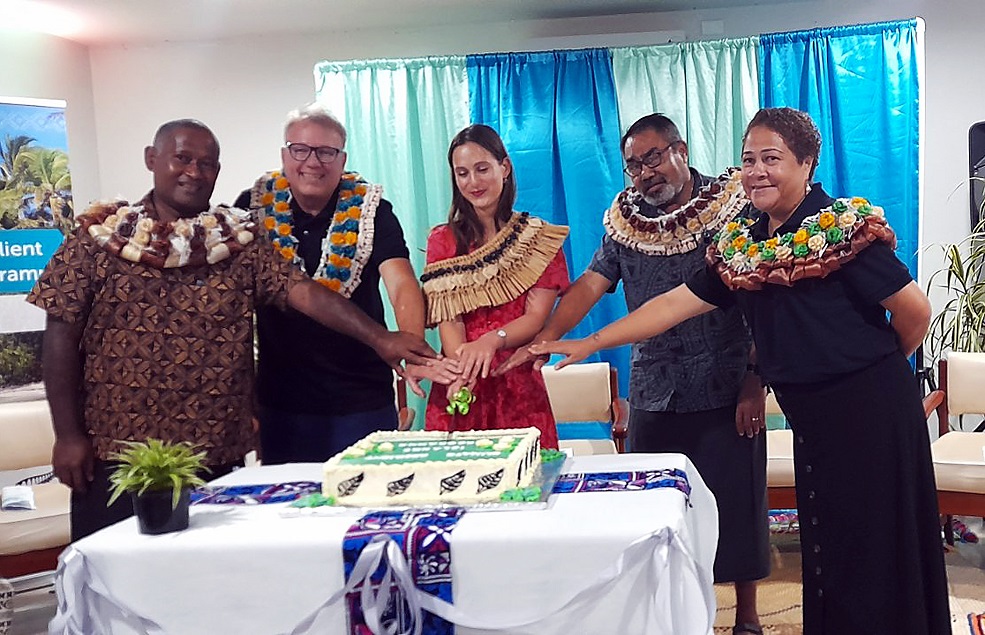
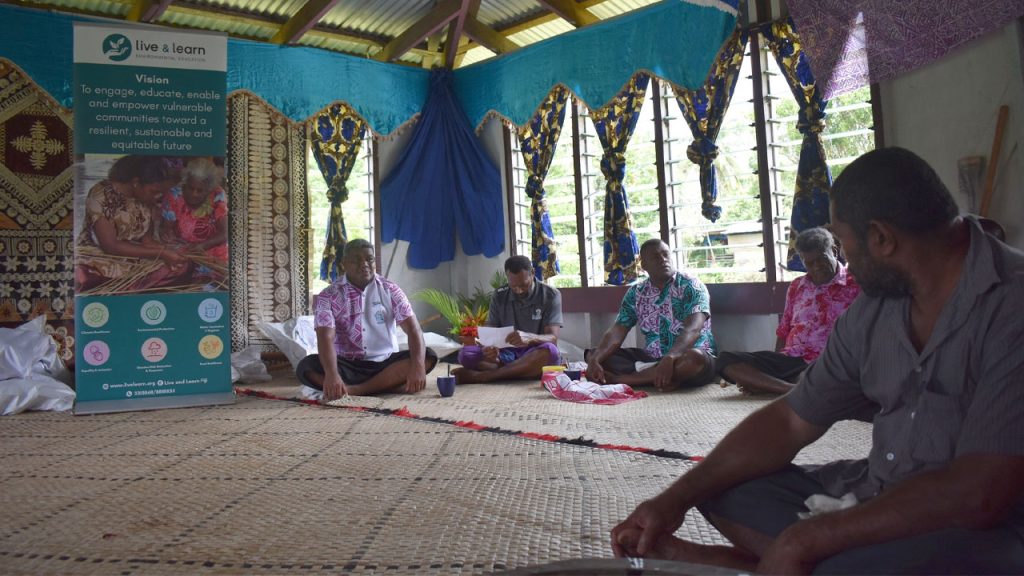
As many as 1000 villagers on Vanua Levu will benefit from the New Zealand government-funded and recently launched project, Climate-Resilient Islands Program, aimed at empowering locals to deal with climate change impacts.
In launching the program in Labasa this week with Live and Learn executives and staff members, New Zealand’s second secretary to Fiji Constance Minett assured locals of her government’s commitment to work with the Fijian Government to mitigate climate change impacts.
“This Climate-Resilient Islands Program brings significant long-term plans in the Pacific and it’s clear that Fiji is working hard to cushion consequences of climate change,” Ms Minett said.
“Climate change threatens our environment and food chains and we recognise the importance of partnership and we change this through collective action.”
Live and Learn’s executive director Christian Nielsen described the assistance and commitment from the NZ government as an important contributor towards the community’s efforts of mitigating climate change impacts.
“We have seen drastic impacts of climate change like how we saw in the volcanic eruption in Tonga and it’s important that we work together with our communities to mitigate climate change impacts.”
Source: Fiji Times
Live and Learn executives with stakeholders at the launch in Labasa yesterday. Picture SERAFINA SILAITOGA
Meeting the protection needs of vulnerable women has always been foremost for the Australian Humanitarian Partnership (AHP).
A total of 1000 vulnerable women of Rewa and Serua were assisted with dignity kits as part of the AHP COVID-19 Activation Phase 2 Response to meet their protection needs and maintain their dignity during the pandemic.
Implemented by Live and Learn Environmental Education Fiji (LLEE), the dignity kits contain hygiene and sanitary items, as well as other items explicitly tailored towards the local needs of women and girls of reproductive age in particular communities.
The COVID-19 crisis brought about many challenges as the confinement prevented them from accessing basic necessities.
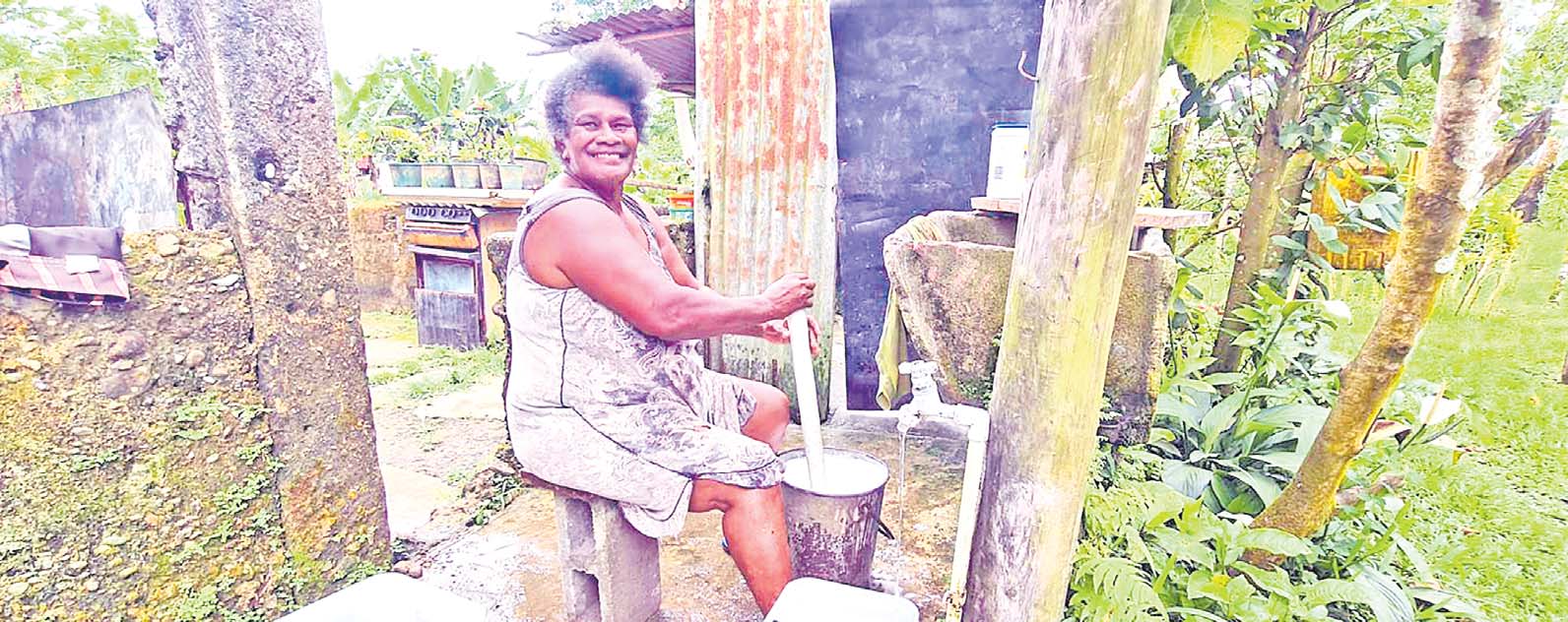
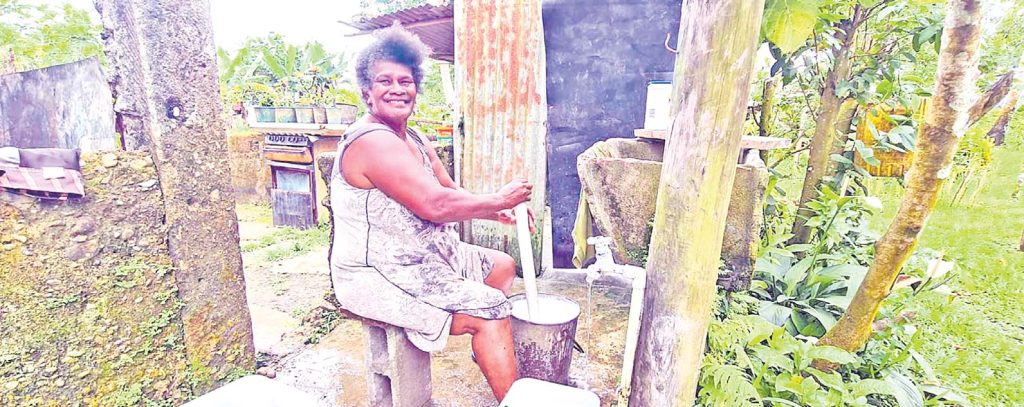
A 69-year-old woman of Burebasaga, Rewa is grateful for the assistance.
Viniana Tubulia said the assistance was timely as it was given during the second wave of the pandemic.
With the work of the main breadwinner of the family affected due to the pandemic, Ms Tubulia said some of the items helped them to meet their hygiene needs.
The generic hygiene kits help people improve cleanliness.
“E dredre na bula i nakoro kei na rawa i lavo me vukea neimami bula ni vuvale. Au vakavinavinaka ena veivuke e yaco mai ni rawa ni mai veivuke vei keitou me vaka ni a tabu tu na veitosoyaki ka vakaleqai tu na cakacaka. Na sovu e mai sava saraga kina na neitou i sulu,” she said. (Life in the village is hard and we do not have a source of income after my son was laid off work. The kits arrived at the right time and we used the soap for our laundry as it was even hard to support our livelihood during the pandemic).
While dignity kits are similar to basic hygiene kits often distributed at the onset of emergencies, dignity kits serve a broader purpose and so contain a wider range of items.
Dignity kits help women and girls maintain their dignity during humanitarian crises.
The kit contains a bucket with lid, sanitary pads, reusable sanitary napkins, panties, bathing soap, washing soap, solar light and COVID-19 messaging.
Also included were the gender based violence leaflets.
A key item in the dignity kit distributed was the reusable sanitary pads.
Ms Tubulia said she shared the reusable pads with her two sisters who are single mothers.
Miriama Cawaki of Saroa in Serua said the sanitary pads and reusable sanitary napkins were now being used by her granddaughters.
She commended AHP and LLEE for this great idea saying that it suits village life.
Dignity kits focus on promoting mobility and safety of women and girls by providing age, gender, and culturally appropriate garments and other items in addition to sanitary supplies and basic hygiene items.
They are designed in partnership with affected communities to ensure the most appropriate items are included, and distribution is carried out in a manner that minimises the risk of GBV against women and girl and help them by:
• Contributing to the psychosocial and physical wellbeing of women and girls, by including items such as intimate wash and pads,
• Improving mobility of women and girls by providing specific sanitary items. In some contexts, mobility can also be enhanced by including items such as headscarves or abayas, without which women cannot be seen in public,
• Allowing budget substitution for families to purchase other important items, such as food, Contributing to the protection of women and girls, by including items such as solar lights, so that women and girls do not have to walk in the dark and can call for help,
• Providing information about hygiene, reproductive health, GBV related issues, and services though the inclusion of health and protection information.
* Losalini Bolatagici is the Communications Officer for ADRA Fiji and writes in her capacity as AHP communications technical support officer under AHP centralised communication (shared services). The views expressed are her own and not of this newspaper.