Climate Smart Agriculture

Resilient Communities

Nature based Solutions (NbS)

Climate resilience

Food preservation

Disaster Risk Reduction

Gender & Social Inclusion

Empowered communities

Resilient Communities

Nature based Solutions (NbS)

Climate resilience

Food preservation

Disaster Risk Reduction

Gender & Social Inclusion

Empowered communities

Gardening & Food preservation

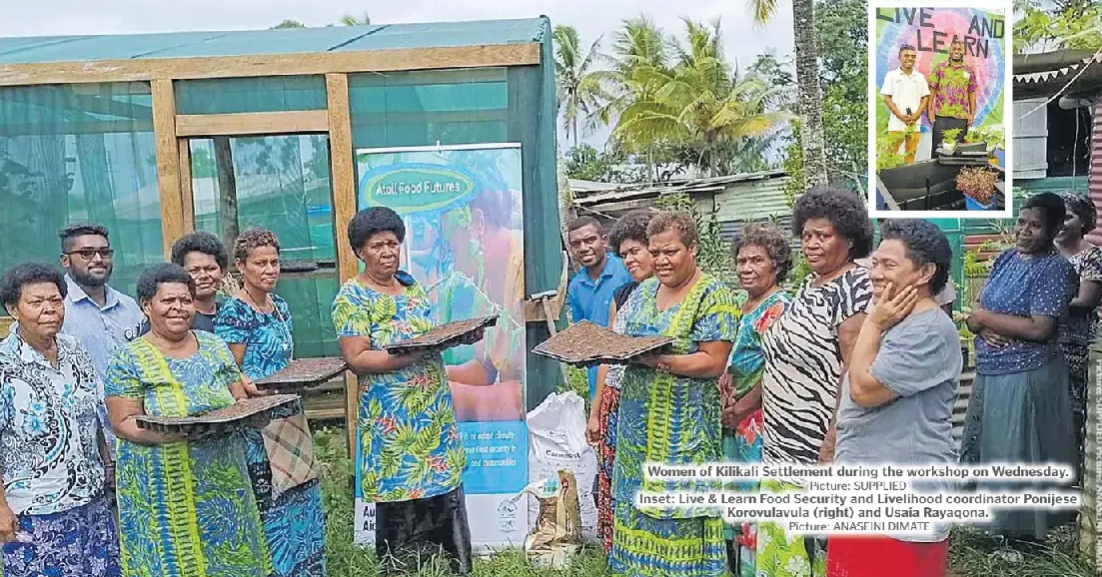
Residents of Kilikali Settlement plant seedlings during a workshop as part of the project by Live & Learn on Wednesday. IVE & Learn Fiji is a non-government organisation that has a strong history of implementing water, sanitation and hygiene projects in our communities. But they have gone a step further to help two settlements in […]

Read More
Food security emphasized for informal settlements

Food security has taken center stage in the efforts of the non-governmental organization Live and Learn, particularly in informal settlements across Fiji. Under the Atoll Food Futures program, Live and Learn has extended its support to five informal settlements, with the most recent addition being the Bilo Settlement located in Lami, just outside Suva. Project […]

Read More
Villagers undertake climate-smart agriculture training

Over 50 families of Suweni in Cakaudrove received climate-smart agriculture training from Live and Learn Fiji, through their Drought Recovery and Climate Resilience Project. This is one of the 29 villages selected for the project. Project Manager, Kolosa Matebalavu says the initiative aims to improve food security for people in communities vulnerable to climate change […]

Read More
Project to assist vulnerable communities

A Drought Recovery and Climate Resilient Project has been launched to build more adaptive and resilient communities in Fiji, particularly in the Northern Division. The United States has committed close to $1million for this project, which will be implemented in collaboration with Live and Learn Fiji. The project will help address the interlinked challenges of […]

Read More
Fiji: Food security projects give remote island communities long-term disaster resilience – UNDP

 Remote island communities in Fiji’s Yasawa Islands will be better prepared to have food supplies in times of disaster, even if their crops are destroyed. A new Food Bank project will help villages have a ready supply of food and water, with risk-resilient crops and farming techniques being introduced to help the communities become more […]

Read More

Gardening & Food preservation

Residents of Kilikali Settlement plant seedlings during a workshop as part of the project by Live & Learn on Wednesday.

IVE & Learn Fiji is a non-government organisation that has a strong history of implementing water, sanitation and hygiene projects in our communities. But they have gone a step further to help two settlements in Fiji grow their own food even though they do not own land.

Humbled to be part of the World Food Day and National Agriculture Show at the Vodafone Arena last week, the organisation works in collaboration with the Ministry of Agriculture and Waterways Fiji by supporting informal settlements in the country.

Demonstrating the purpose and the use of the raised garden bed at the Agriculture show, Live & Learn food security and livelihood coordinator Ponijese Korovulavula said with the support they receive from the Australian Government, they were able to pilot this project into informal settlements as most people living in these communities do not have land ownerships.

Mr Korovulavula said the project is called Atoll Food Futures program and its main concept is to help people living in informal settlements plant, store, grow and keep their plants. It is funded by the Australian Government Department of Foreign Affairs and Trade and implemented by Live & Learn.

The project works with community members across three countries (Fiji, Kiribati and Tuvalu) to improve the production of fresh, locally grown produce. It is designed to empower people to grow fresh healthy produce at home, through skill building, agriculture training and also by sharing indigenous knowledge surrounding home gardening and food preservation.

“We have encouraged communities to plant shallow rooted crops as it doesn’t consume a lot of water and nutrients.

This food cubes doesn’t come in land or farm sizes but people can use it as a source of food security.”

Mr Korovulavula said they are impressed by what most communities have done so far.

“Most people in the communities we’ve introduced the project to have developed an advanced way by planting seeds in the food cubes and later transferring it into other containers,” he said.

According to Mr Korovulavula, informal settlements are the ones that suffered the most from non-communicable diseases (NCDs) and this project is something Live & Learn has brought about to help reduce this issue.

“We thank the Australian Government for funding and giving us the opportunity to reach out to these informal settlements, even though they have no land ownership, this concept is a way to help them in the future.”

Mr Korovulavula added for their food cubes concept they’ve supported settlements like Kilikali in Nadawa and Waikerekere outside Lami Town. Live & Learn is committed to work with vulnerable communities to improve food and nutrition security.

Source: Fiji Sun

Date: 03/11/2023

Food security emphasized for informal settlements

Food security has taken center stage in the efforts of the non-governmental organization Live and Learn, particularly in informal settlements across Fiji.

Under the Atoll Food Futures program, Live and Learn has extended its support to five informal settlements, with the most recent addition being the Bilo Settlement located in Lami, just outside Suva.

Project Manager Ponijese Korovulavula points out that informal settlements are home to many vulnerable populations, and they face numerous challenges, including limited access to fresh and nutritious food and the impacts of climate change.

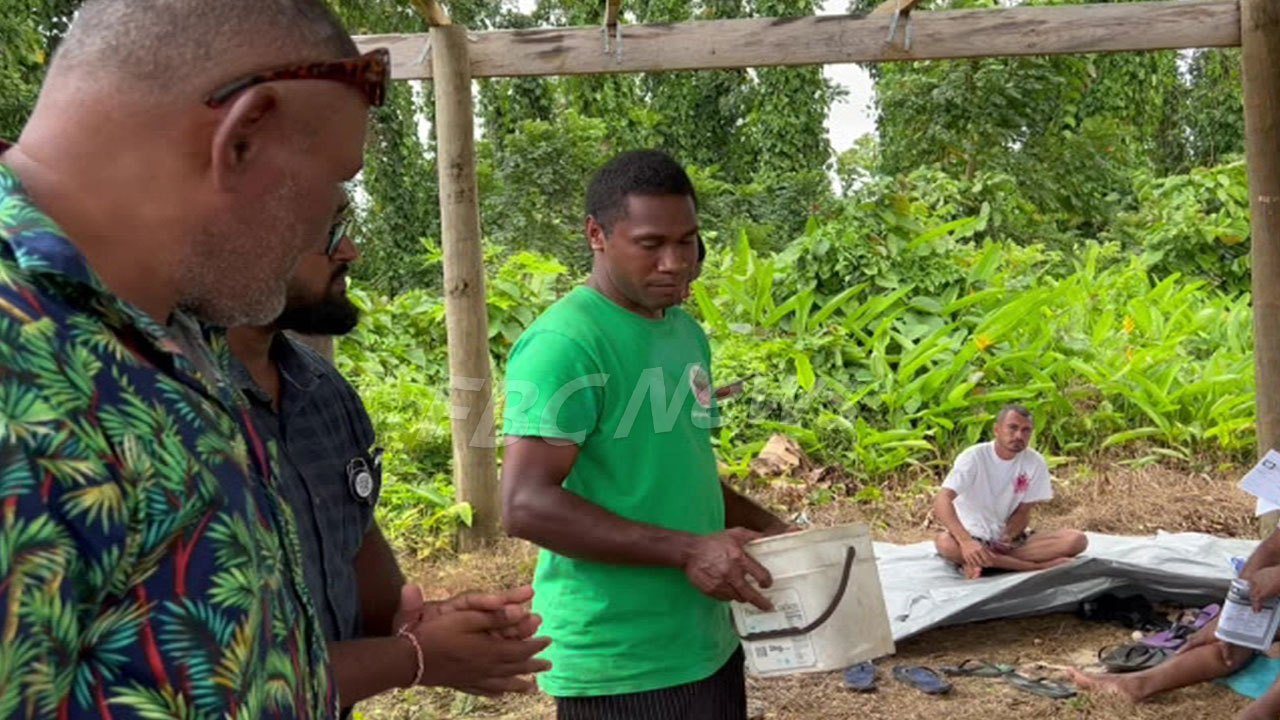
“We are training them on how to be smart in terms of planting and also for our training we have included how they raise seedlings because most of them for the training, they does not have access to it because they have been isolated.”

Korovulavula explains that the decision to focus on informal settlements comes from the understanding that these communities are often overlooked in vital community development initiatives. The goal is to bridge this gap and empower communities to achieve food security and address the challenges posed by climate change.

By collaborating closely with the Ministry of Agriculture, the Australian government-funded project under Live and Learn has provided essential training in seed raising, good agricultural practices, seed extraction, and seed saving.

These initiatives are designed to equip residents with the knowledge and tools needed to sustain their food sources.

Source: FBC News

Date: 02/11/2023

Villagers undertake climate-smart agriculture training

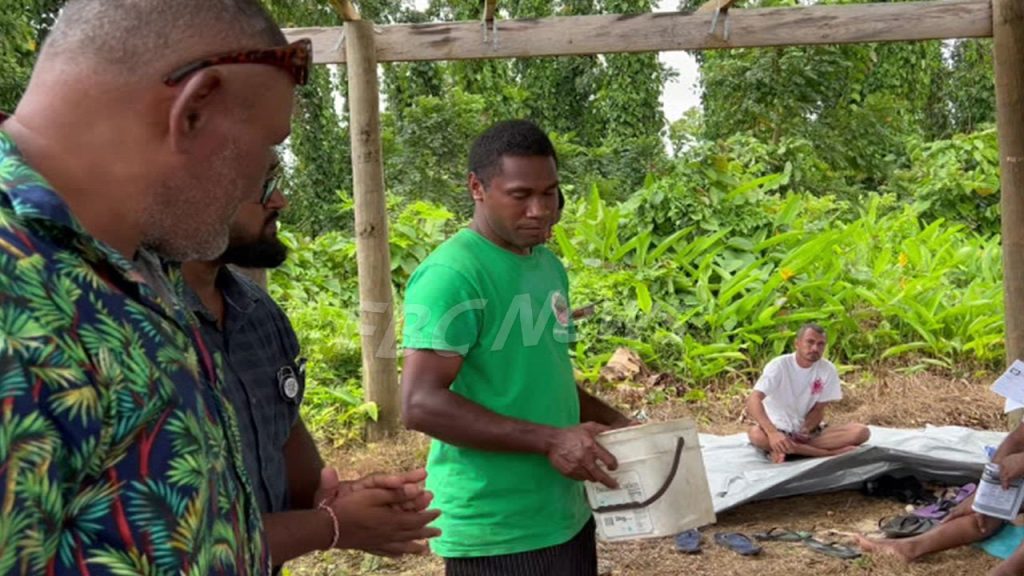
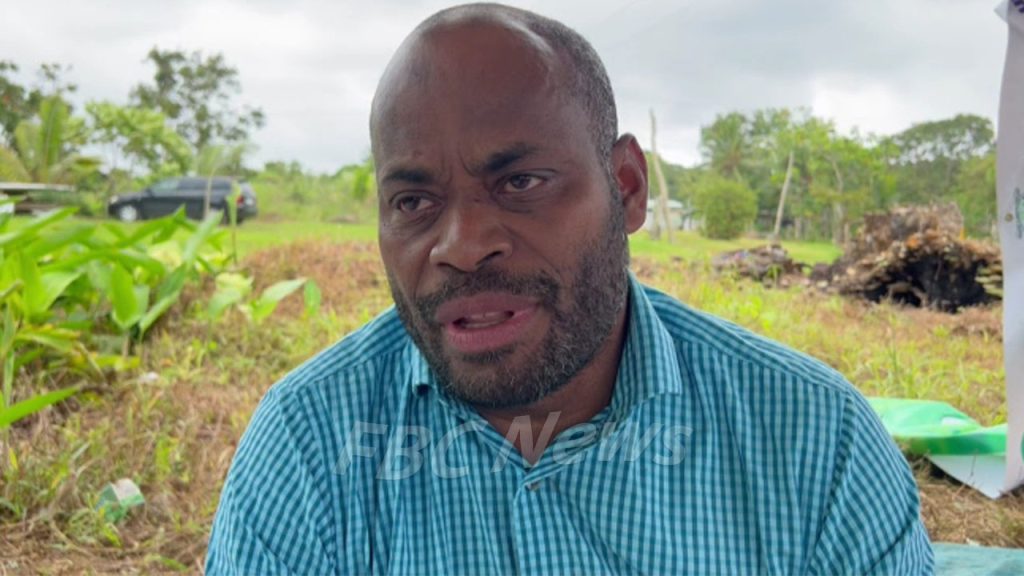
Over 50 families of Suweni in Cakaudrove received climate-smart agriculture training from Live and Learn Fiji, through their Drought Recovery and Climate Resilience Project.

This is one of the 29 villages selected for the project. Project Manager, Kolosa Matebalavu says the initiative aims to improve food security for people in communities vulnerable to climate change

“Also adding in some of the new techniques and innovations on how they can help they address some of the climate impacts – challenges affecting the growth and viability of their products … vegetables and crops.”

Matebalavu says it also revives traditional agriculture practices.

“After a disaster strikes, there is usually a lot of impacts on food security and we wait for government interventions. It is because we are no longer practicing the land banks … the lololo – those used to be the practices before.”

The United States Agency for International Development’s Pacific Fund has provided around $1 million for the Drought Recovery and Climate Resilient Project.

Source: FBC News

Date: 02/09/2023

Project to assist vulnerable communities

A Drought Recovery and Climate Resilient Project has been launched to build more adaptive and resilient communities in Fiji, particularly in the Northern Division.

The United States has committed close to $1million for this project, which will be implemented in collaboration with Live and Learn Fiji. The project will help address the interlinked challenges of climate change, rural poverty, food insecurity, and land degradation.

Live and Learn Fiji Country Director, Doris Susau says their efforts are tailored address the current crisis faced by rural communities.

“This program will enhance the development of climate resilient communities through various activities such as climate smart agriculture training, food preservation training, community-based disaster risk reduction awareness and training, watershed management, and, through the project, we will help to connect our communities to markets.”

The U.S. Ambassador to Fiji, Marie Damour, says this will also benefit vulnerable communities.

“They will introduce community-based disaster risk management approaches and promote all of the inclusivity that the Director of Living, Lauren Fiji, has mentioned, because we know from experience that it’s often the people who live with disabilities and the children who feel these effects most often.”

The Ambassador is calling on relevant stakeholders to ensure these efforts are integrated and fulfill the needs of the individual communities on an individual basis.

Source: FBC News

Fiji: Food security projects give remote island communities long-term disaster resilience – UNDP

 Remote island communities in Fiji’s Yasawa Islands will be better prepared to have food supplies in times of disaster, even if their crops are destroyed.

A new Food Bank project will help villages have a ready supply of food and water, with risk-resilient crops and farming techniques being introduced to help the communities become more resilient to climate change and disasters.

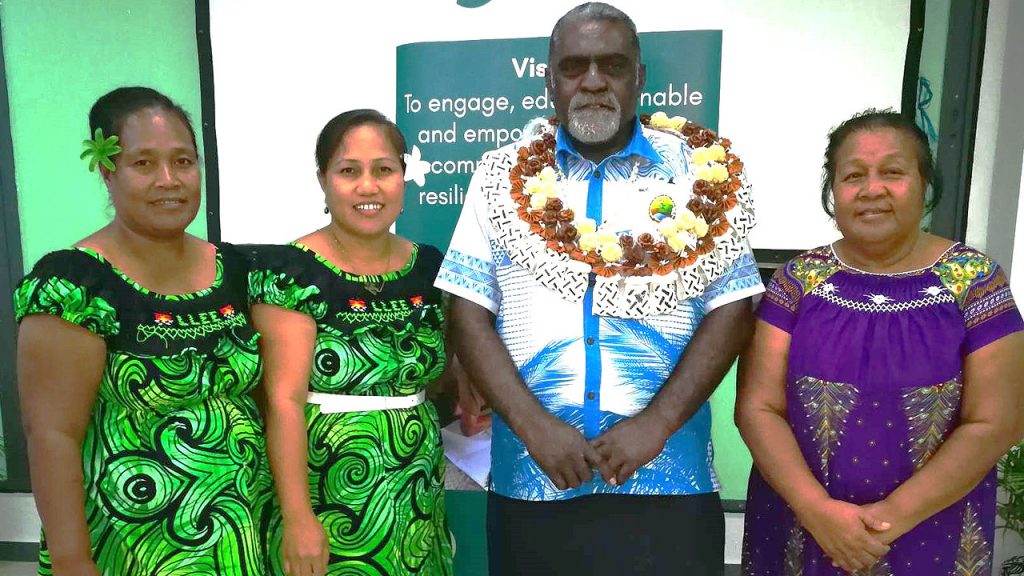
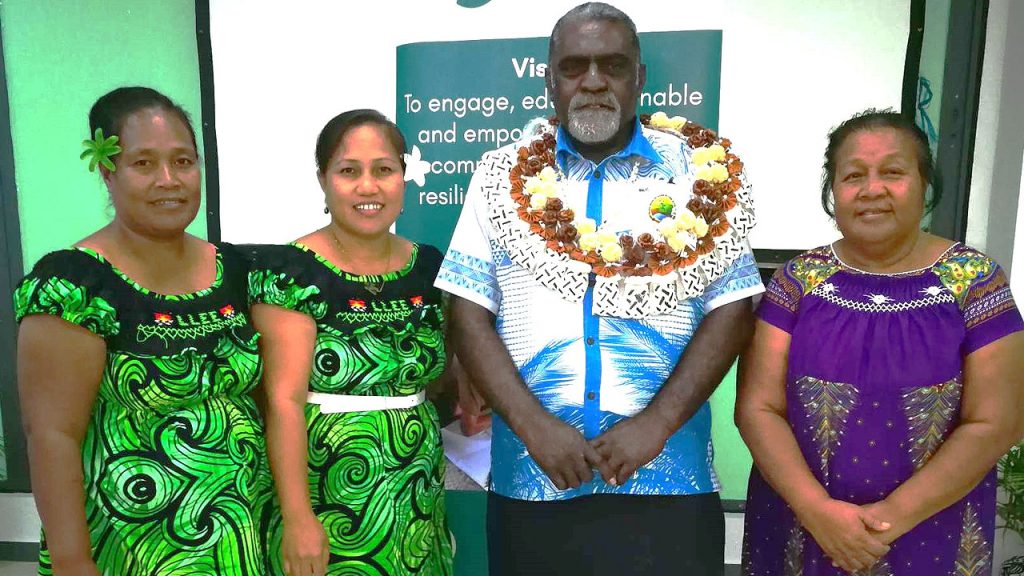
This initiative is the result of a partnership with Vinaka Fiji and Commissioner Western’s Office, with support from the Pacific Risk Resilience Programme (PRRP) and its implementing partner Live and Learn Environmental Education (LLEE). PRRP will also support Fiji’s Department of Agriculture to provide agriculture training on resilient crops and food storage, including traditional knowledge approaches.

Seven villages in the Yasawas will be targeted over 2015 for the Food Bank initiative, explained PRRP Local Coordinator for Live and Learn, Lanieta Tokalauvere. This will include crop planting and storage so there is food during a disaster period, plus raising funds for post-disaster recovery.

“The Food Bank starts in Soso and Kese villages of Naviti Island, with committees and ‘Knowledge Hubs’ already in place,” Mrs Tokalauvere said.

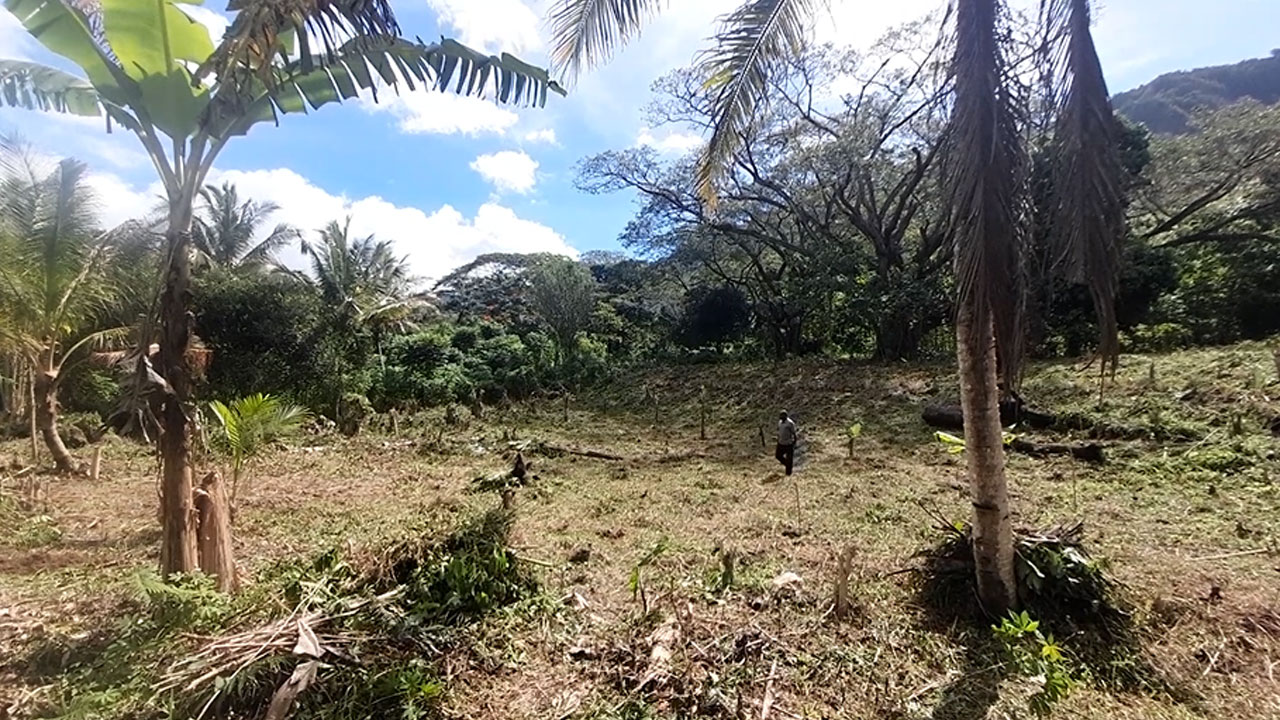
“Community members are now clearing the land to prepare it for planting.”

“Knowledge Hubs comprise local volunteers committed to helping people share information and expertise, so residents can be trained and empowered across a range of topics including planting and crop selection, building, and financial management,” she said.

PRRP has assisted Vinaka Fiji in forming the Food Bank, according to Elanoa Vakabunoya Nimacere, Operations Manager for Vinaka Fiji, which is the volunteer programme for South Sea Cruises.

Vinaka Fiji coordinates a volunteer programme to provide basic needs such as fresh water, nutrition, power supply and education to 15 remote communities in the Yasawa Islands.

“Vinaka Fiji is involved in many partnerships with government, with the likes of PRRP, the community and NGOs as we all have a common goal: to assist local communities,” Ms Nimacere said.

“We encourage partnerships like this between the public and private sectors, that look at all aspects of food security and even financial planning, to help people make informed decisions about the Food Bank and all the ways it can help them prepare for a disaster.”

“At the end of the year, when the planting is done, and if there have been no disasters, the money can be banked and stored as an Emergency Fund for use during any future disasters.”
Planning ahead for such potential climate change and disaster related-risks is central to the work of the PRRP, which focuses on how communities, governments, and the private sector can all work together to help build resilience, by embedding risk into planning processes across all levels of governance.

“It’s a real honour for PRRP to partner with Vinaka Fiji, and its private sector partners, given the great work they’ve been doing recently in partnership with the Government in the Yasawa Islands,” says Programme Manager for PRRP, Moortaza Jiwanji.

“The Pacific Risk Resilience Programme aims to strengthen the resilience of Pacific island communities to disasters and climate change related risks. So it makes sense for us to work remotely in the Yasawa Islands, with people who are typically hardest hit by disasters and climate change,” says Mr Jiwanji.

Mr Jiwanji explains PRRP is about more than just helping communities in the short term.

“Food Banks, Knowledge Hubs, financial planning, agricultural training and other aspects of this partnership are very effective initiatives to help Fijian communities become more prepared for the impact of natural disasters and climate change,” he said.

“But there also needs to be a strong planning and governance structure in place to make sure these strategies will be sustainable. Climate change and disaster risk reduction impacts all development in the Pacific, ranging from economics to infrastructure, and so it influences almost every decision made by community, government, local agency or private sector operators,” Mr Jiwanji says.

PRRP works with Pacific Island nations and their people to think about the risks they may face from climate change and disasters when they are making their usual plans for development. Communities can become more resilient to climate change and disasters if routine government, community and other planning takes these risks into account. This risk governance approach is implemented by the United Nations Development Programme (UNDP) and international non-governmental organization Live and Learn Environmental Education (LLEE) and supported by the Australian Government’s Department of Foreign Affairs and Trade (DFAT). PRRP is being delivered in four countries: Fiji, Solomon Islands, Tonga and Vanuatu.

For more information, please contact:
Sheryl Ho, UNDP Knowledge Communications Analyst, tel: (679) 322-7504 or email:sheryl.ho@undp.org

Date: 16/07/2021