Cabinet has approved the formation of a National Emergency Response Team. National Disaster Management Office (NDMO) director Vasiti Soko confirmed this while delivering her closing remarks at a five-day emergency operation centre training at the Fiji Teachers Union Hall on Friday. “This is nothing new in the disaster space globally,” she said. “Solomon Islands is […]
Conserving forests: ‘High integrity carbon projects are important’
In a bid to assist landowners and communities, representatives of Plan Vivo, an internationally recognised Standard for the Voluntary Carbon Market(VCM), visited Fiji last week. The Scotland-based Non-Governmental Organisation (NGO) certifies forest carbon projects that are led by local communities and are proud to certify several forest conservation projects within the Pacific Islands. Plan Vivo […]
Let’s ‘be the change’ on World Water Day and beyond
Savusavu, Fiji, 22 March 2023 – Today, children from 10 schools in the Northern Division in Fiji were among the first in the world to celebrate World Water Day by taking part in an oratory and drama contest organized by the Ministry of Public Works, Meteorological Services and Transport and UNICEF. The contest has provided a platform for […]
Three Fijian organisations were able to assist thousands of Fijians sustainably navigate the economic challenges of the COVID-19 pandemic through funding provided by USAID. The three were the Foundation for Rural Integrated Enterprise and Development (FRIEND), University of Fiji, and Live and Learn Environment Education Fiji. FRIEND project manager Melaia Salacakau said with the funding, […]
Today, children from 10 schools in Fiji joined others around the world to celebrate World Water Day by taking part in an oratory contest organized by the Ministry of Infrastructure and Meteorological Services and UNICEF to advocate on the importance of groundwater. “Imagine when the top surface of the ground drops so far that the well is […]
Climate resilient project to benefit 1000 northern villagers
As many as 1000 villagers on Vanua Levu will benefit from the New Zealand government-funded and recently launched project, Climate-Resilient Islands Program, aimed at empowering locals to deal with climate change impacts. In launching the program in Labasa this week with Live and Learn executives and staff members, New Zealand’s second secretary to Fiji Constance […]
Fiji’s northern communities assured of NZ’s commitment to climate resilient program
New Zealand’s second secretary Constance Minett has assured northern communities of their government’s commitment to the newly-launched Climate Resilient Islands Program. The program, launched in Labasa this morning, will be spearheaded by the Live and Learn team targeting six villages on Vanua Levu – Dreketi, Naiqaqi, Valeni in Cakaudrove, Vitina, Naibulu and Nawailevu in the […]
Meeting the protection needs of vulnerable women has always been foremost for the Australian Humanitarian Partnership (AHP). A total of 1000 vulnerable women of Rewa and Serua were assisted with dignity kits as part of the AHP COVID-19 Activation Phase 2 Response to meet their protection needs and maintain their dignity during the pandemic. Implemented […]
NZ to provide further support to CSOs to assist affected families in Fiji
The New Zealand High Commissioner to Fiji Jonathan Curr has announced that they will continue to support civil society organizations to assist vulnerable families in Fiji during the COVID-19 outbreak. This follows the announcement by the New Zealand Minister for Foreign Affairs Nanaia Mahuta in June that they will provide up to $7 million to […]
A small highland community at forefront of conservation efforts in Fiji
As the world continues to grapple with climate change, the community of Drawa in the highlands of Cakaudrove province, Vanua Levu, is setting an example for sustainable development. After 10 years of successful forest conservation and carbon trading, Drawa is now experiencing the tangible benefits of their innovative approach. From economic growth to environmental preservation, […]
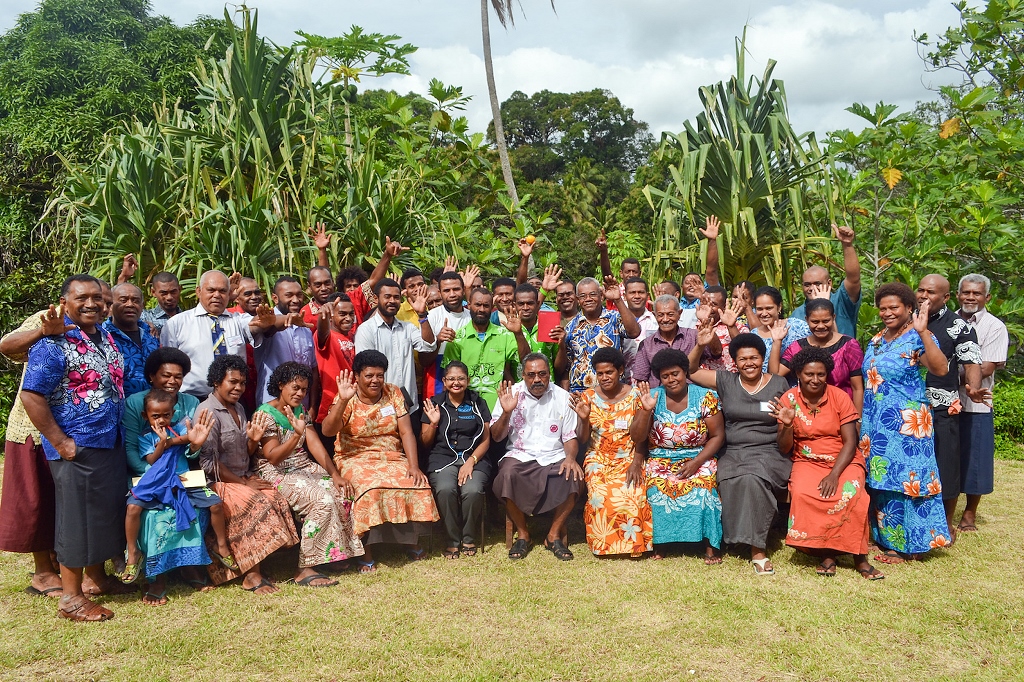
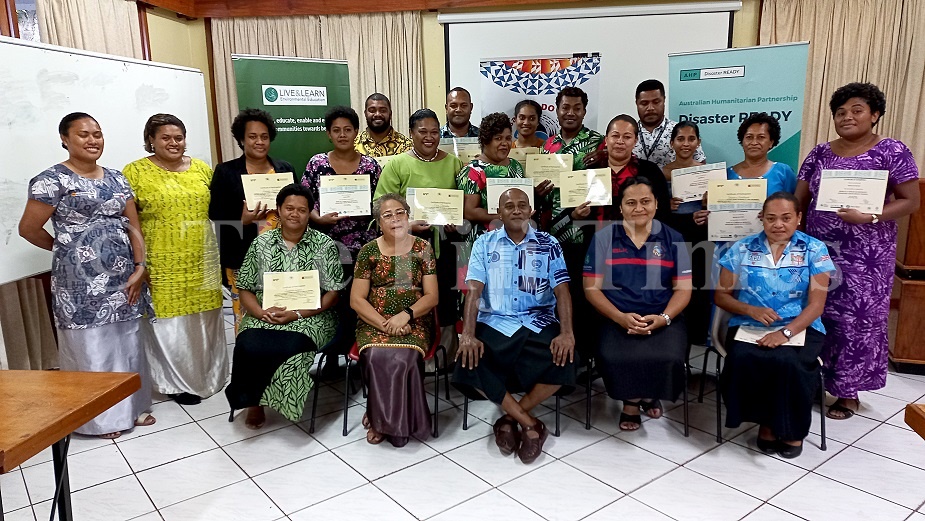
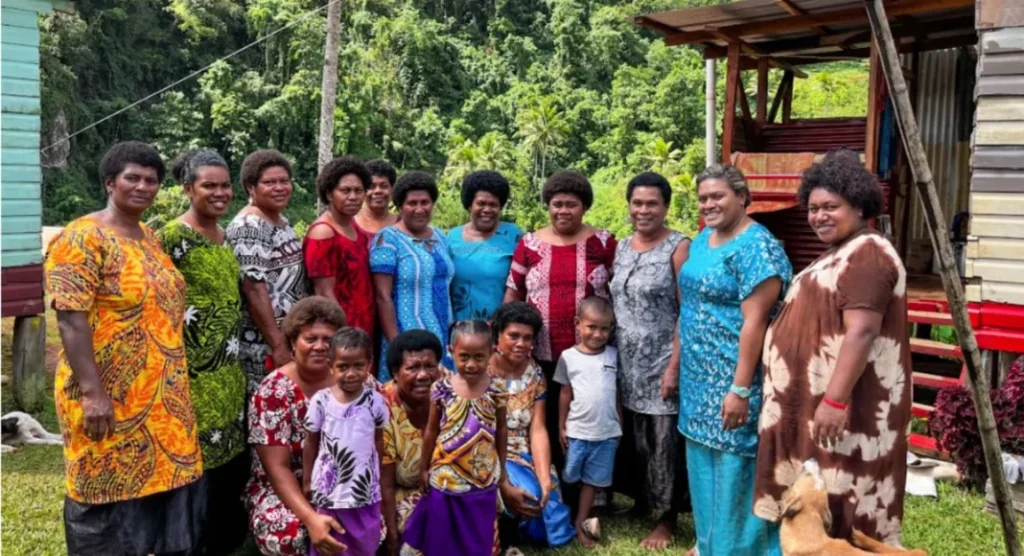
Cabinet has approved the formation of a National Emergency Response Team. National Disaster Management Office (NDMO) director Vasiti Soko confirmed this while delivering her closing remarks at a five-day emergency operation centre training at the Fiji Teachers Union Hall on Friday.
“This is nothing new in the disaster space globally,” she said. “Solomon Islands is the first country in the Pacific to form a National Emergency Response Team. It’s also looking at ensuring that when you are deployed, you are deployed understanding humanitarian principles. You understand the different classes that exist within you, understand the logistic plan, how to prepare well for response. All of these small things, we take for granted but they really do save lives.”
She said decision makers relied heavily on the information that came from the Emergency Operation Centres (EOCs) during disasters. “Everything is so important because as decision makers, we rely on the information that comes from you.
“So how you operate in emergency operation centers, how you work as a team, how you ensure that information is correct and verified, that comes from the district, to the divisional, to national.
“Those processes are very important to be followed because any delays between may cost a life,” she said.
The training program was organised by Live and Learn Fiji, a recipient of Australian Government funding through the Australian Humanitarian Partnership’s Disaster Ready 2.0 program.
It was attended by representatives from the Ministry of Rural Development and Maritime and National Disaster Management, as well as other government ministries.
In a bid to assist landowners and communities, representatives of Plan Vivo, an internationally recognised Standard for the Voluntary Carbon Market(VCM), visited Fiji last week.
The Scotland-based Non-Governmental Organisation (NGO) certifies forest carbon projects that are led by local communities and are proud to certify several forest conservation projects within the Pacific Islands.
Plan Vivo has been running since the mid-1990s and has the longest running Standard in the voluntary carbon market that is recognised for having an ethical and fair-trade approach to carbon projects where communities receive income to protect nature.
Plan Vivo is the only Standard which has a requirement on financial benefits being shared equitably among customary landowners and communities.
It also brings a holistic approach to the Voluntary Carbon Market, with the benefits not just being climate related, but also having a positive impact for both nature and people.
Plan Vivo’s CEO Keith Bohannon said the high integrity carbon projects are of critical importance on how they work.
”We are committed to projects that are led by communities as the custodians of their natural resources and that ensure land and carbon rights remain with Indigenous people and customary landowners,” Mr Bohannon said in a media statement.
“For us, this is not only the right approach, but also the most effective way to deliver a real and lasting impact. Plan Vivo certification provides an opportunity for local communities to protect their forests through sustainable carbon projects as an alternative to logging and landclearing.
“To date, Plan Vivo projects have delivered more than 7 million tonnes of planned CO2 emission reductions.”
Mr Bohannon said the impact of climate change and the importance of protecting and restoring forests and biodiversity has prompted an increased interest in carbon projects within the Pacific region.
“Through this regional visit, Plan Vivo hopes to strengthen understanding and trust in the Voluntary Carbon Market and advocate for community-centred approaches to carbon projects.”
In Fiji, Plan Vivo works closely with the Nakau Programme and Live & Learn Fiji, developing forest protection projects that are designed and implemented by mataqalis.
During their trip, Plan Vivo will be visiting the Drawa Rainforest Project in Vanua Levu, a 10-year long project certified by the Plan Vivo Standard and the result of a partnership formed with the custodians of the land – the Drawa Block Forest Community Cooperative, Live & Learn Fiji, and the Nakau Programme.
The award-winning project has successfully protected 4,120ha of forest and generated more than 100,000 tonnes of verified emissions reductions.
The sale of carbon credits is now a significant income source and has allowed the community to strengthen their resilience to climate change and grow alternative forest enterprises.
Meanwhile Senior REDD+ Project Officer Live and Learn Fiji Beato Dulunaqio said they were honored to welcome the Plan Vivo team to Drawa.
“The Drawa community have committed to conserving the forests for many years and building upon the additional benefits the project provides,” he said.
“It is good for the people of Drawa to meet the representatives from the Plan Vivo Foundation to share their stories and achievements.”
Following the success of the Drawa project, there is now opportunity to replicate other similar projects in Fiji with support from the Fijian Government.
In addititon to their Drawa visit, Plan Vivo will also be meeting with government officials, local NGOs and conservation organisations to share insights about their standard and how it ensures projects are truly community-owned and all the benefits are considered.
Savusavu, Fiji, 22 March 2023 – Today, children from 10 schools in the Northern Division in Fiji were among the first in the world to celebrate World Water Day by taking part in an oratory and drama contest organized by the Ministry of Public Works, Meteorological Services and Transport and UNICEF.
The contest has provided a platform for the children to share their voice and advocate on the importance of accelerating change when it comes to saving their homes from water scarcity as well as water borne diseases – one of the leading causes of death for children under five across the Pacific.
“Water is an essential need to survive, and we all need to take responsibility. Since everything on earth is connected to water, we, ourselves, need to look after it,” said Ethan Rossi, 14, from St. Andrews Primary School who was also the winner of the primary level oratory contest. “I am grateful that a platform like this has been provided for children like myself to be able to lead, inspire, and empower others on the importance of water.”
Approximately 96 per cent of Fiji’s total population has access to improved drinking water. However, while access is good, there is still the need to ensure that services are available on demand, and free from contamination, especially during and after disasters.
“The theme ‘Accelerating Change’ is correct as this is very much the focus of the Government’s development programmes in all sectors including water,” said the Hon. Minister for Health and Medical Services, Dr. Ratu Atonio Lalabalavu. “The theme also seeks to inspire people at different levels and sectors to learn more about water-related issues and to take action to make a difference.”
Students from primary and secondary levels took part, including Savusavu Secondary School, St. Bedes College, Navatu Secondary School, Seaqaqa Central College, Ahmadiyya Muslim College, Khemendra Sanatan Primary School, Nasavusavu Public School, Nasavusavu District School, St. Andrews Primary School, and Muanivatu District School.
The children advocated to key stakeholders, including the media, about how water affects everyone and equally, there is a need for everyone to take action. Families, communities, schools and even children can make a difference by changing the way they use, consume and manage water in their daily lives. This can be achieved as easily as through saving water by taking shorter showers and fixing leaking water pipes.
“While Fiji has made remarkable progress towards improving the lives of Fijians through improved services of water and sanitation, we still must not forget that a third of children in the Pacific do not have access to good sanitation, and one in ten do not have access to safe drinking water,” said UNICEF Pacific Representative, Jonathan Veitch.
“We thank the Ministry of Public Works, Meteorological Services and Transport, and other partners, in supporting UNICEF to provide a platform dedicated to amplifying the voices of children on this critically important topic.”
This event is supported by the Ministry of Health and Medical Services, Ministry of Education, Ministry of Rural and Maritime Development and Disaster Management, Ministry of iTaukei Affairs, Heritage and Arts, Ministry for Lands and Mineral Resources, Water Authority of Fiji, Live and Learn and Habitat for Humanity Fiji.
The Ministry of Public Works, Meteorological Services and Transport also acknowledges the valuable support from various donor and key stakeholders for improvements of Water, Sanitation and Hygiene in Fiji including the Government of United Kingdom, Government of Australia, Government of New Zealand, Government of the Republic of Korea, Government of Japan and the European Union as well as United Nations agencies including WHO and UNESCO.
###
UN 2023 Water Conference:
This week marks the first UN Water Conference in the last 46 years!
Taking place in New York from 22-24 March 2023, the conference comes at a pivotal moment in history, on the heels of a global pandemic that underscored the importance of safe water, sanitation, and hygiene access. The world is also in the throes of a rapidly worsening climate crisis, with water becoming scarcer in some areas due to drought, and dangerously destructive in others through floods and storms. No one stands to suffer more than children.
The Pacific has just recently again seen the result of this first-hand with the recent droughts in Kiribati and Tuvalu as well as the twin cyclones that hit Vanuatu. These are not new for the region, but the weather and rainfall patterns have become more erratic because of the climate crisis over the past few decades.
World leaders, relevant organizations and other participants will convene for the first time in 46 years to review progress toward ensuring access to water and sanitation for all. At the conference, UNICEF is calling for:
Rapid scale-up of investment in the sector, including from global climate financing.
Strengthening climate resilience in the WASH sector and communities.
Prioritizing the most vulnerable communities in WASH programmes and policies.
Increasing effective and accountable systems, coordination, and capacities to provide water and sanitation services.
About the Fiji Ministry of Public Works, Meteorological Services and Transport:
The Ministry is responsible for policy formulation, planning, design, regulatory, coordination and implementation of programmes, projects and services relating to infrastructural works, utilities (water and electricity), transport (air, road, sea), meteorology and hydrology.
Similarly, responsible for policy and legislative oversight of the Fiji Roads Authority, the Water Authority of Fiji, the Land Transport Authority, the Maritime Authority of Fiji, and Energy Fiji Limited. The Ministry develops infrastructure that moves people, the economy, and the nation forward. It provides services for the protection of life and property with environmental integrity.
For more information, please contact: Mr. Mohammed Nistar Khan, Department of Water and Sewerage, Ministry of Public Works, Meteorological Services and Transport, mohammed.khan@govnet.gov.fj
Three Fijian organisations were able to assist thousands of Fijians sustainably navigate the economic challenges of the COVID-19 pandemic through funding provided by USAID.
The three were the Foundation for Rural Integrated Enterprise and Development (FRIEND), University of Fiji, and Live and Learn Environment Education Fiji.
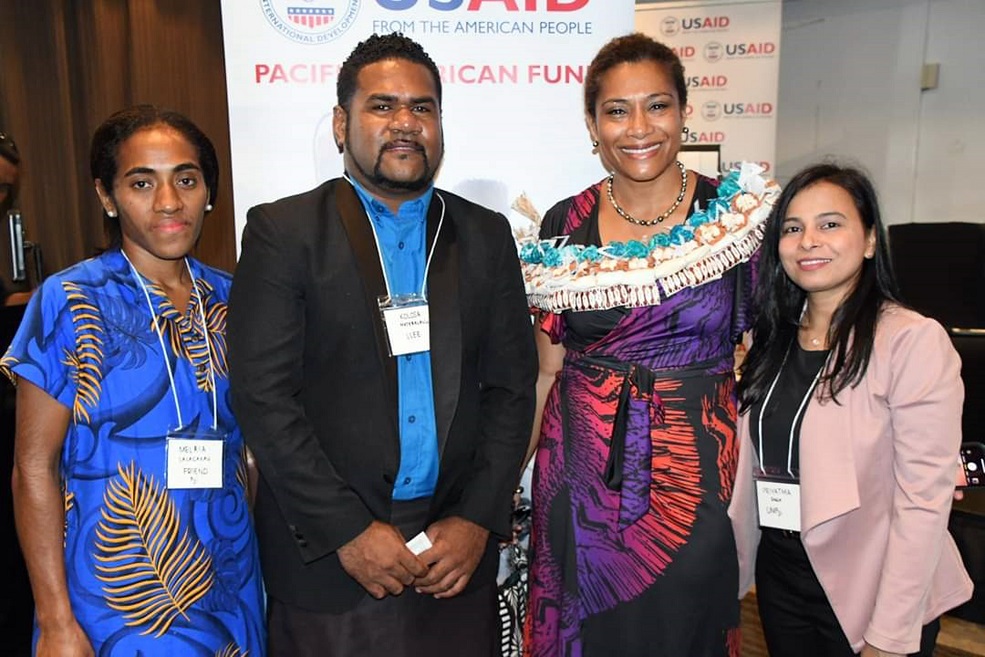
USAID grant receiptants Melaia Salacakau Project Manager FRIEND , LIVE AND LEARN Fiji Project Manager Kolosa Matebalavu, Women’s, Children and Poverty Alleviation Minister Lynda Tabuya and University of Fiji Lecturer Priyatma Singh at the USAID Pacific American Grant Award Spotlight Event on Tuesday at the Grand Pacific Hotel. Photo: Fiji Government
FRIEND project manager Melaia Salacakau said with the funding, they were able to increase skills for 2300 Fijians through seven livelihood training programs.
“So the different livelihood schemes training (and) intervention that we put together was soap-making training, oil efficient training, food processing activity, food production, compliance training, seafood processing training and sea salt training,” she said.
She said they targeted areas such as Sigatoka, Nadi, Lautoka and the Yasawa Group as they were heavily reliant on the tourism industry.
Ms Salacakau said during the COVID-19 pandemic, the livelihood training greatly assisted people in terms of earning an income and eventually supporting themselves.
“Some of them have been have been selling overseas to family and friends as well as in their community.
“As for the sustainability of the project, FRIEND is putting together an e-commerce platform where all the beneficiaries will be able to sell and market their products globally.”
The University of Fiji, the only grant recipient outside of the NGO and CSO space, worked with two communities in reviving their aquaculture farms for tilapia farming.
Lecturer Priyatma Singh said they noted that during the peak of the pandemic, food security became a concern. They had a non-functioning pond which the university decided to revive through the American Pacific Grant.
“So it’s not just this training centrally, of course, we helped them to upgrade their skills but they also with resources and some very important equipment that was needed for them to sustain the pond,” Singh said.
“So we provided them with the training in a pond preparation activities. We also provided training with the feeding, with harvesting, financial literacy, provided them with the trainings marketing as well.
“One of the other things we have done is incorporated the outcomes of the project into our Environmental Science course at the university.”
Live and Learn Environment Education Fiji project manager Kolosa Matebalavu said they received the grant under the disaster risk management area.
He said through their community programs they realised that the one-size-fits-all approach did not work as it never addressed the needs of everyone in the community.
“When we’re talking about communities that have different groups of people that live in our communities, they have different needs, they have different capacities, they have different strengths and most of the time when we take a one-size-fits-all approach, that’s how people get mixed up, don’t respond to their needs,” he said.
The USAID grants have a duration of 12 to 20 months and are divided into two categories; the small NGOs and CSOs eligible for a funding of up to $US150,000 ($F327,000), while the more experienced NGOs are eligible for a grant ranging from $US300,000 ($F654,000) to $1 million ($F2.18m).
The grant started in August 2020 as USAID assisted Pacific Island countries in their fight against the impacts of Covid-19.
USAID, through various means, has provided Fiji with up to $122 million worth of assistance to combat the negative impacts of the pandemic.
Today, children from 10 schools in Fiji joined others around the world to celebrate World Water Day by taking part in an oratory contest organized by the Ministry of Infrastructure and Meteorological Services and UNICEF to advocate on the importance of groundwater.
“Imagine when the top surface of the ground drops so far that the well is not deep enough to reach it or pump up water, leaving the well dry. Devastating, isn’t it? We need to protect our ground water as it is a scarce resource and living things depend on it,” said Selai Daunakamakama, 14, from Nausori Primary School who was also a participant of the oratory contest. “I am grateful to be given the opportunity to be able to raise my voice today and speak on the importance of this very valuable resource.”
Groundwater supplies a large proportion of the water we use for drinking, sanitation, food production and industrial processes. It is also critically important to the healthy functioning of ecosystems, such as wetlands and rivers. Overexploitation of groundwater can lead to land instability and subsidence, and, in coastal regions, to sea water intrusion under the land.
“Water is one of the most important and vital resources on earth. All life forms on earth require water to survive. If there will be no water, there would be no life on earth. Water is everything and without water there is no life,” said the Minister for Infrastructure, Meteorological Services, Lands and Mineral Resources, Hon. Jone Usamate. “Having access to safe and clean drinking water is a constitutional right under Fiji’s 2013 Constitution. It is also an ambitious target under Fiji’s National Development Plan which aims for 100 per cent access to clean and safe water to be realized by 2021 for urban areas and by 2031 for rural areas.”
Hon. Minister Usamate added that to achieve this, the Fijian Government has allocated funds through its implementing agencies namely, the Water Authority of Fiji and Mineral Resources Department for rural and urban water projects. While there is a focus on accessing water through surface water sources, groundwater is also explored in areas where surface water easily dries up particularly during dry spell. This is common in most of Fiji’s maritime communities, communities along the coast and some inland.
Students from primary and secondary levels took part in the oratory contest, including Nausori District School, Nausori Primary School, Vuci Methodist School, Vunimono Arya School, Vunimono Sanatan Dharam Primary School, Vunimono High School, Sila Central High School, Lelean Memorial School, Dilkusha Methodist High School and Pt Shreedhar Maharaj College. The students advocated to key stakeholders about how good groundwater management is needed to achieve Sustainable Development Goals to protect, conserve and restore water-related ecosystems.
“Protecting our groundwater is critical for surviving and adapting to climate change as well as meeting the needs of a growing population,” said UNICEF Pacific Representative, Jonathan Veitch. “We thank the Ministry of Infrastructure and Meteorological Services, and other partners, in supporting UNICEF to provide a platform dedicated to amplifying the voices of children on this critically important topic.”
This event is supported by the Ministry of Health and Medical Services, Ministry of Education, Heritage and Arts, Ministry of Women, Children and Poverty Alleviation, Ministry of Rural and Maritime Development and Disaster Management, Ministry of iTaukei Affairs, Ministry for Lands and Mineral Resources, Water Authority of Fiji, Save the Children, Live and Learn, Pleass Global Limited, Rotary Pacific Water, Habitat for Humanity Fiji and Partners in Community Development Fiji.
The Ministry of Infrastructure and Meteorological Services also acknowledges the valuable support from various donor and key stakeholders for improvements of Water, Sanitation and Hygiene in Fiji including the Government of United Kingdom, Government of Australia, Government of New Zealand, Government of the Republic of Korea, Government of Japan and the European Union as well as United Nations agencies including WHO and UNESCO.
###
About Groundwater:
Groundwater is the water found underground in the cracks and spaces in soil, sand and rock. It is stored in and moves slowly through geologic formations of soil, sand and rocks called aquifers. Groundwater is a source of recharge for lakes, rivers and wetlands. An aquifer is a geological formation or part of it, consisting of permeable material capable to store/yield significant quantities of water. Groundwater is a very important natural resource and has a significant role in the economy. It is the main source of water for irrigation and food industry.
For the environment, groundwater plays a very important role in keeping the water level and flow into rivers, lakes and wetlands especially during the drier months when there is little direct recharge from rainfall. This is also essential for the wildlife and plants living in this environment.
About the Fijian Ministry of Infrastructure and Meteorological Services:
The Ministry is responsible for policy formulation, planning, design, regulatory, coordination and implementation of programs, projects and services relating to infrastructural works, utilities (water and electricity), meteorology and hydrology. Similarly, responsible for policy and legislative oversight of the Fiji Roads Authority (FRA), the Water Authority of Fiji (WAF) and Energy Fiji Limited (EFL). The Ministry develops infrastructure that moves people, the economy, and the nation forward. It provides services for the protection of life and property with environmental integrity.
For more information, please contact:
Mr. Mohammed Nistar Khan, Ministry of Infrastructure and Meteorological Services, mohammed.khan@govnet.gov.fj
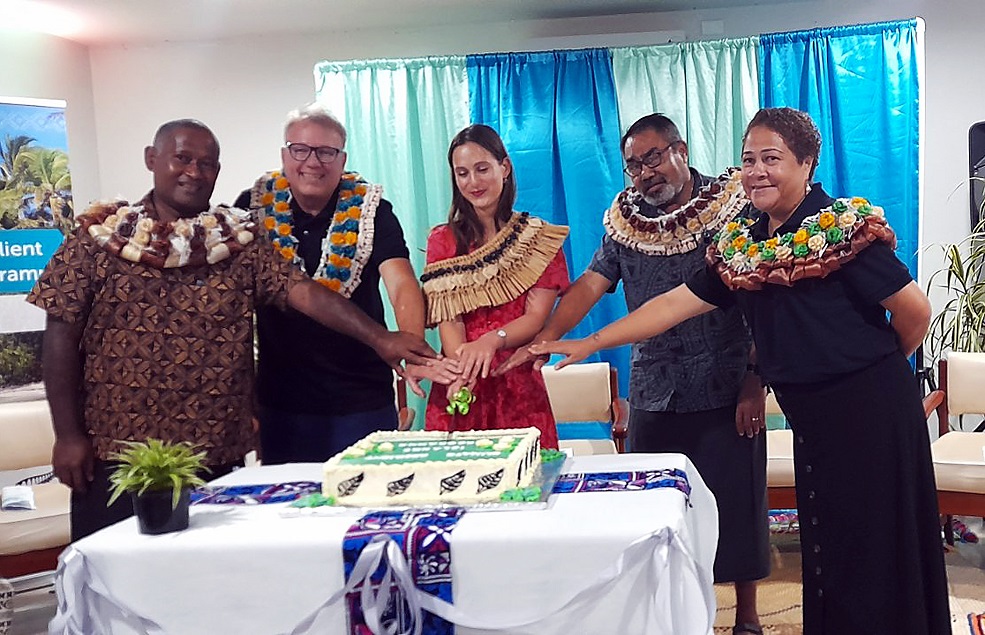
As many as 1000 villagers on Vanua Levu will benefit from the New Zealand government-funded and recently launched project, Climate-Resilient Islands Program, aimed at empowering locals to deal with climate change impacts.
In launching the program in Labasa this week with Live and Learn executives and staff members, New Zealand’s second secretary to Fiji Constance Minett assured locals of her government’s commitment to work with the Fijian Government to mitigate climate change impacts.
“This Climate-Resilient Islands Program brings significant long-term plans in the Pacific and it’s clear that Fiji is working hard to cushion consequences of climate change,” Ms Minett said.
“Climate change threatens our environment and food chains and we recognise the importance of partnership and we change this through collective action.”
Live and Learn’s executive director Christian Nielsen described the assistance and commitment from the NZ government as an important contributor towards the community’s efforts of mitigating climate change impacts.
“We have seen drastic impacts of climate change like how we saw in the volcanic eruption in Tonga and it’s important that we work together with our communities to mitigate climate change impacts.”
Source: Fiji Times
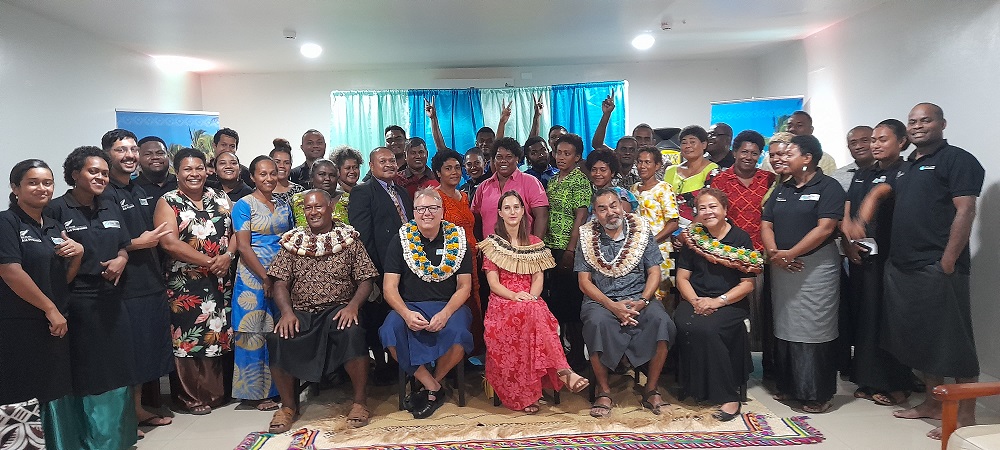
Live and Learn executives with stakeholders at the launch in Labasa yesterday. Picture SERAFINA SILAITOGA
New Zealand’s second secretary Constance Minett has assured northern communities of their government’s commitment to the newly-launched Climate Resilient Islands Program.
The program, launched in Labasa this morning, will be spearheaded by the Live and Learn team targeting six villages on Vanua Levu – Dreketi, Naiqaqi, Valeni in Cakaudrove, Vitina, Naibulu and Nawailevu in the two provinces of Macuata and Bua.
Ms Minett said climate change issues had been discussed many times in the Pacific and such commitment from her government proved they were serious about helping locals.
Live and Learn executive Christian Nielsen thanked the communities for working with his team.
Meeting the protection needs of vulnerable women has always been foremost for the Australian Humanitarian Partnership (AHP).
A total of 1000 vulnerable women of Rewa and Serua were assisted with dignity kits as part of the AHP COVID-19 Activation Phase 2 Response to meet their protection needs and maintain their dignity during the pandemic.
Implemented by Live and Learn Environmental Education Fiji (LLEE), the dignity kits contain hygiene and sanitary items, as well as other items explicitly tailored towards the local needs of women and girls of reproductive age in particular communities.
The COVID-19 crisis brought about many challenges as the confinement prevented them from accessing basic necessities.
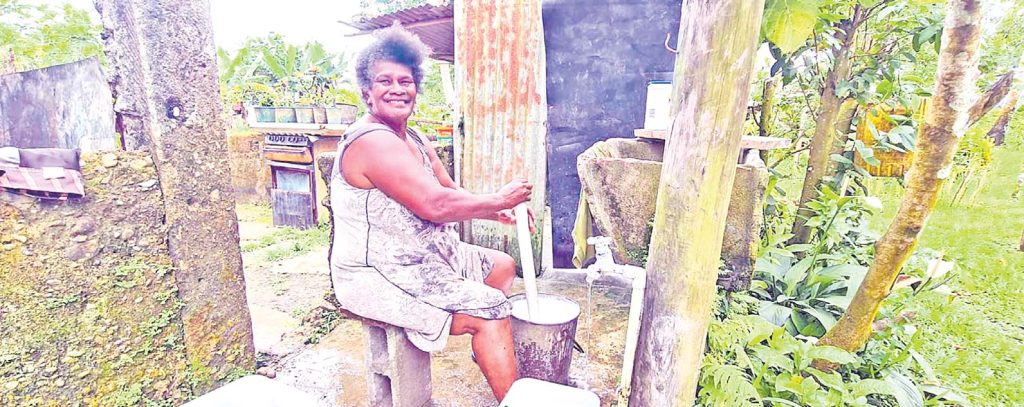
A 69-year-old woman of Burebasaga, Rewa is grateful for the assistance.
Viniana Tubulia said the assistance was timely as it was given during the second wave of the pandemic.
With the work of the main breadwinner of the family affected due to the pandemic, Ms Tubulia said some of the items helped them to meet their hygiene needs.
The generic hygiene kits help people improve cleanliness.
“E dredre na bula i nakoro kei na rawa i lavo me vukea neimami bula ni vuvale. Au vakavinavinaka ena veivuke e yaco mai ni rawa ni mai veivuke vei keitou me vaka ni a tabu tu na veitosoyaki ka vakaleqai tu na cakacaka. Na sovu e mai sava saraga kina na neitou i sulu,” she said. (Life in the village is hard and we do not have a source of income after my son was laid off work. The kits arrived at the right time and we used the soap for our laundry as it was even hard to support our livelihood during the pandemic).
While dignity kits are similar to basic hygiene kits often distributed at the onset of emergencies, dignity kits serve a broader purpose and so contain a wider range of items.
Dignity kits help women and girls maintain their dignity during humanitarian crises.
The kit contains a bucket with lid, sanitary pads, reusable sanitary napkins, panties, bathing soap, washing soap, solar light and COVID-19 messaging.
Also included were the gender based violence leaflets.
A key item in the dignity kit distributed was the reusable sanitary pads.
Ms Tubulia said she shared the reusable pads with her two sisters who are single mothers.
Miriama Cawaki of Saroa in Serua said the sanitary pads and reusable sanitary napkins were now being used by her granddaughters.
She commended AHP and LLEE for this great idea saying that it suits village life.
Dignity kits focus on promoting mobility and safety of women and girls by providing age, gender, and culturally appropriate garments and other items in addition to sanitary supplies and basic hygiene items.
They are designed in partnership with affected communities to ensure the most appropriate items are included, and distribution is carried out in a manner that minimises the risk of GBV against women and girl and help them by:
• Contributing to the psychosocial and physical wellbeing of women and girls, by including items such as intimate wash and pads,
• Improving mobility of women and girls by providing specific sanitary items. In some contexts, mobility can also be enhanced by including items such as headscarves or abayas, without which women cannot be seen in public,
• Allowing budget substitution for families to purchase other important items, such as food, Contributing to the protection of women and girls, by including items such as solar lights, so that women and girls do not have to walk in the dark and can call for help,
• Providing information about hygiene, reproductive health, GBV related issues, and services though the inclusion of health and protection information.
* Losalini Bolatagici is the Communications Officer for ADRA Fiji and writes in her capacity as AHP communications technical support officer under AHP centralised communication (shared services). The views expressed are her own and not of this newspaper.
The New Zealand High Commissioner to Fiji Jonathan Curr has announced that they will continue to support civil society organizations to assist vulnerable families in Fiji during the COVID-19 outbreak.
This follows the announcement by the New Zealand Minister for Foreign Affairs Nanaia Mahuta in June that they will provide up to $7 million to local CSOs.
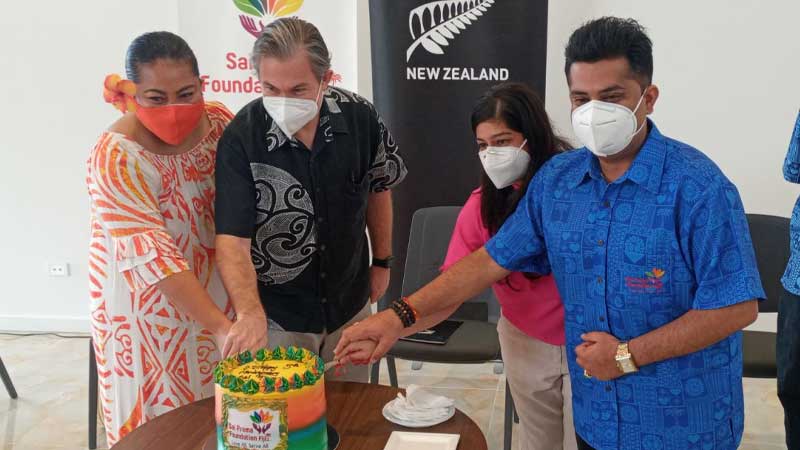
The six civil society organisations are Empower Pacific, Frank Hilton Organisation, FRIEND Fiji, Live and Learn Fiji, Pacific Disability Forum and the Sai Prema Foundation.
Curr says they will be scaling up assistance in communities through the provision of food rations, psycho-social support, personal protective equipment, improvement of nutrition, health, hygiene and sanitation, improved food security, medical support, capacity building and sustainable livelihoods.
He says the target beneficiaries include children, female-headed families and people with disabilities who stand to be most affected by the social, economic and health impacts of the pandemic.
Curr says they have worked with CSOs to support social inclusion and provide tangible assistance to the many households impacted by COVID-19 and they are delighted to extend the partnership.
He adds these organisations have strong networks at a grassroots level and their community-driven approach has helped them identify and respond to needs effectively.
Curr says the CSO partners will be supporting families Fiji-wide however there will be a strong focus on delivering assistance to affected communities in the Central and Western Divisions.
As the world continues to grapple with climate change, the community of Drawa in the highlands of Cakaudrove province, Vanua Levu, is setting an example for sustainable development. After 10 years of successful forest conservation and carbon trading, Drawa is now experiencing the tangible benefits of their innovative approach.
From economic growth to environmental preservation, their efforts are yielding impressive results. According to the Ministry of Forestry, this pioneering move has led Fiji to be one of the 15 countries in joining the carbon trade program by signing an emissions reduction payment agreement, making it the sole Small Island Developing State in the Pacific to do so.
Diving deep into the story of Drawa’s triumph and uncovering the secrets to their thriving community, the community was confronted with a tough decision.
Their old-growth 4,120 hectares of forest, which had sustained them for generations was being targeted for logging. Similar to numerous indigenous communities throughout the Pacific region, the customary landowners of Drawa found themselves in a predicament where they had to balance the preservation of their forests with the need to generate income for survival.
Reducing Emissions from Deforestation and forest Degradation (REDD+) senior project officer with Live & Learn Fiji, Beato Dulunaqio said the logging coupes had already been mapped out and community members were starting to clear the forest for timber.
“But just as they were faced with the prospect of losing their forest forever, the eight mataqali, or clans, of Drawa were presented with an opportunity to save it,” he said.
“The Drawa community stood at the forefront of environmental preservation by embracing the Nakau methodology.”
Recognising the significance of their forest, the Mataqali established the Drawa Block Forest Community Cooperative and pioneered the use of “payment for ecosystem services” (PES) to safeguard it. Mr Dulunaqio said their efforts were bolstered by the support of Nakau and Live & Learn Fiji, with whom they formed a strong partnership to launch a pioneering carbon trading initiative.
“The community’s unwavering commitment to environmental conservation serves as an inspiration to many others, and their success stands as a testament to the power of collective action.”
Project Success
The ownership of the project and forests lies with the Drawa Block Forest Community Cooperative, which comprises more than 400 native Fijian landowners from three villages.
Every year, this initiative produces more than 18,000 carbon credits. The Drawa Block Forest Community Cooperative also serves as a habitat for various endangered species such as the Barred tree skink (Emoia trossula), the Vanua Levu slender tree skink (Emoia mokosariniveikau), and the remarkable Fiji ground frog (Cornufer vitiana).
The Drawa rainforests, situated on the Wailevu-Deketi Highlands, provide sanctuary to a diverse range of flora, including 385 plant species, of which 47 per cent are exclusive to Fiji.
The area supports 22 native bird species, making it an officially recognised important bird area in Fiji. Mr Dulunaqio said the success of this project allowed Live & Learn Fiji to replicate the model for Fiji’s ecosystems adaptation-based project.
“This Conservation Project, also known as REDD+, is also the first ever carbon trading business in Fiji,” he said.
“This has informed the National REDD+ Unit within the Ministry of Forestry, which aims to educate eligible communities to preserve their forest and natural resources and incentivise them to sell their carbon credits.”
Mr Dulunaqio said the success of this project showed that Fijian communities could be leaders in forest conservation that also provided economic, social and climate resilience benefits.
“After winning the Energy Globe Award in 2020, Drawa has not only been recognised in Fiji and the Pacific but globally. They have taken the first step towards achieving Sustainable Development Goal (SDG) 13 in taking action to combat climate change and its impacts,” he said.
Robbie Henderson, Nakau’s chief executive officer, said the Drawa project proved eco-friendly community development was achievable.
“It maintains the community’s reliance on nature without posing a threat to its resources,” he said.
Carbon credits income and development
Carbon credits has fuelled the community progress in investing in a sustainable future. A decade has passed and the community now derives a substantial income from forest carbon credits, while the forest remains intact.
The community has ventured into the rainforest honey business, which serves as an alternative source of livelihood and promotes nature-positive community development.
Drawa Project business manager Waita Curuvale said the honey business, which involved harvesting and selling honey at local markets, empowered women to take ownership of their economic development.
“We ensure that the income from credit sales is properly shared as many things are done by women. They really appreciate the benefits coming from the project,” she said.
“Observing our forest in the Drawa block and understanding the methods of preserving and safeguarding it, while also allowing our people to reap economic benefits, has transformed our perspective on the significance of forest conservation.”
Echoing the sentiments of the women from Lutukina Village, Ms Curuvale said the combined benefits of the project significantly transformed their mindset towards economic opportunities.
“One of the major advantages they observed is the ability to upgrade their toilet facilities,” Ms Curuvale said.
“In the past, several families lacked proper sanitation, but with the revenue generated from carbon sales, women in the community are gradually constructing flush toilets to improve their families’ living conditions.
“This development has greatly benefited the community, and the women are proud to have played a role in it.”
Apart from the upgraded toilets, women and families in Lutukina have enjoyed other advantages. These include access to bank accounts, scholarships for school fees and educational equipment for students, and the creation of useful networks where women have a stronger voice in local governance and cooperation with non-governmental organisations operating in the region. The honey business and forest carbon have had a positive impact on the lives of the people in Lutukina.
Nakau has also ensured, as outlined in their methodology, that women have equal access to the income generated by the carbon project and have a say in how it is reinvested.
Resilient rainforests: Lifeline in extreme weather
When Cyclone Yasa struck Drawa in December 2020, the villages, infrastructure, and food sources in the area were severely impacted, just like much of Fiji.
However, the intact and healthy rainforest was able to provide support to the community. According to Peni Maisiri, chairman of the Drawa Block Forest Community Cooperative, the cyclone had a significant impact on the villages, particularly the Drawa block.
“The community relied heavily on the fishing grounds in the forest, which remained intact despite the cyclone,” he said.
He emphasised that leaving the forest intact could bring many benefits to the community.
Reducing Emissions from Deforestation and forest Degradation (REDD+) senior project officer with Live & Learn Fiji, Beato Dulunaqio said the logging coupes had already been mapped out and community members were starting to clear the forest for timber.
“But just as they were faced with the prospect of losing their forest forever, the eight mataqali, or clans, of Drawa were presented with an opportunity to save it,” he said.
“The Drawa community stood at the forefront of environmental preservation by embracing the Nakau methodology.”
Recognising the significance of their forest, the Mataqali established the Drawa Block Forest Community Cooperative and pioneered the use of “payment for ecosystem services” (PES) to safeguard it.
Mr Dulunaqio said their efforts were bolstered by the support of Nakau and Live & Learn Fiji, with whom they formed a strong partnership to launch a pioneering carbon trading initiative.
“The community’s unwavering commitment to environmental conservation serves as an inspiration to many others, and their success stands as a testament to the power of collective action.”
Project Success
The ownership of the project and forests lies with the Drawa Block Forest Community Cooperative, which comprises more than 400 native Fijian landowners from three villages.
Every year, this initiative produces more than 18,000 carbon credits. The Drawa Block Forest Community Cooperative also serves as a habitat for various endangered species such as the Barred tree skink (Emoia trossula), the Vanua Levu slender tree skink (Emoia mokosariniveikau), and the remarkable Fiji ground frog (Cornufer vitiana).
The Drawa rainforests, situated on the Wailevu-Deketi Highlands, provide sanctuary to a diverse range of flora, including 385 plant species, of which 47 per cent are exclusive to Fiji.
The area supports 22 native bird species, making it an officially recognised important bird area in Fiji. Mr Dulunaqio said the success of this project allowed Live & Learn Fiji to replicate the model for Fiji’s ecosystems adaptation-based project.
“This Conservation Project, also known as REDD+, is also the first ever carbon trading business in Fiji,” he said.
“This has informed the National REDD+ Unit within the Ministry of Forestry, which aims to educate eligible communities to preserve their forest and natural resources and incentivise them to sell their carbon credits.”
Mr Dulunaqio said the success of this project showed that Fijian communities could be leaders in forest conservation that also provided economic, social and climate resilience benefits.
“After winning the Energy Globe Award in 2020, Drawa has not only been recognised in Fiji and the Pacific but globally.
“They have taken the first step towards achieving Sustainable Development Goal (SDG) 13 in taking action to combat climate change and its impacts,” he said.
Robbie Henderson, Nakau’s chief executive officer, said the Drawa project proved eco-friendly community development was achievable.
“It maintains the community’s reliance on nature without posing a threat to its resources,” he said.
Carbon credits income and development
Carbon credits has fuelled the community progress in investing in a sustainable future. A decade has passed and the community now derives a substantial income from forest carbon credits, while the forest remains intact.
The community has ventured into the rainforest honey business, which serves as an alternative source of livelihood and promotes nature-positive community development.
Drawa Project business manager Waita Curuvale said the honey business, which involved harvesting and selling honey at local markets, empowered women to take ownership of their economic development.
“We ensure that the income from credit sales is properly shared as many things are done by women. They really appreciate the benefits coming from the project,” she said.
“Observing our forest in the Drawa block and understanding the methods of preserving and safeguarding it, while also allowing our people to reap economic benefits, has transformed our perspective on the significance of forest conservation.”
Echoing the sentiments of the women from Lutukina Village, Ms Curuvale said the combined benefits of the project significantly transformed their mindset towards economic opportunities.
“One of the major advantages they observed is the ability to upgrade their toilet facilities,” Ms Curuvale said.
“In the past, several families lacked proper sanitation, but with the revenue generated from carbon sales, women in the community are gradually constructing flush toilets to improve their families’ living conditions.
“This development has greatly benefited the community, and the women are proud to have played a role in it.”
Apart from the upgraded toilets, women and families in Lutukina have enjoyed other advantages. These include access to bank accounts, scholarships for school fees and educational equipment for students, and the creation of useful networks where women have a stronger voice in local governance and cooperation with non-governmental organisations operating in the region. The honey business and forest carbon have had a positive impact on the lives of the people in Lutukina.
Nakau has also ensured, as outlined in their methodology, that women have equal access to the income generated by the carbon project and have a say in how it is reinvested.
Resilient rainforests: Lifeline in extreme weather
When Cyclone Yasa struck Drawa in December 2020, the villages, infrastructure, and food sources in the area were severely impacted, just like much of Fiji.
However, the intact and healthy rainforest was able to provide support to the community. According to Peni Maisiri, chairman of the Drawa Block Forest Community Cooperative, the cyclone had a significant impact on the villages, particularly the Drawa block.
“The community relied heavily on the fishing grounds in the forest, which remained intact despite the cyclone,” he said.
He emphasised that leaving the forest intact could bring many benefits to the community.
Jerry Lotawa, the lead ranger with the Drawa Block Forest Community Cooperative, explained that the forest provided the village with food, including prawns, eels, fish, seeds, and fruit, as well as clean drinking water.
He also highlighted the importance of the Drawa forest carbon project in changing the community’s attitude towards managing the forest sustainably.
Without the project, Jerry believes that the community’s attitude towards the forest would have been different, nd they may have continued to cut down and burn trees.
“The project brought a new idea to the community, emphasising the importance of managing the forest sustainably and minimising damage to the environment,” he said.
Projects in Development Nakau CEO, Robbie Henderson said the valuable expertise and knowledge gained from the Drawa initiative can serve as a source of inspiration for other communities that are facing similar challenges.
“It demonstrates that carbon projects can provide essential economic assistance to people without causing harm to their forests,” he said.
“As the global community gathered at COP27 and COP15, the need for urgent nature-based solutions to combat our climate and nature crises has become more crucial than ever before.”
Mr Henderson said these international forums emphasise the importance of implementing solutions that safeguard the environment, preserve biodiversity, and support local communities.
“Preserving intact primary forests that can support carbon projects is a key strategy for companies striving towards achieving net zero emissions through offsets,” he said.
Nakau is presently collaborating with local partners and communities in Vanuatu, Solomon Islands, and Papua New Guinea to establish new projects.
This article was first published in Wansolwara and has been republished here with the kind permission of the editor(s).