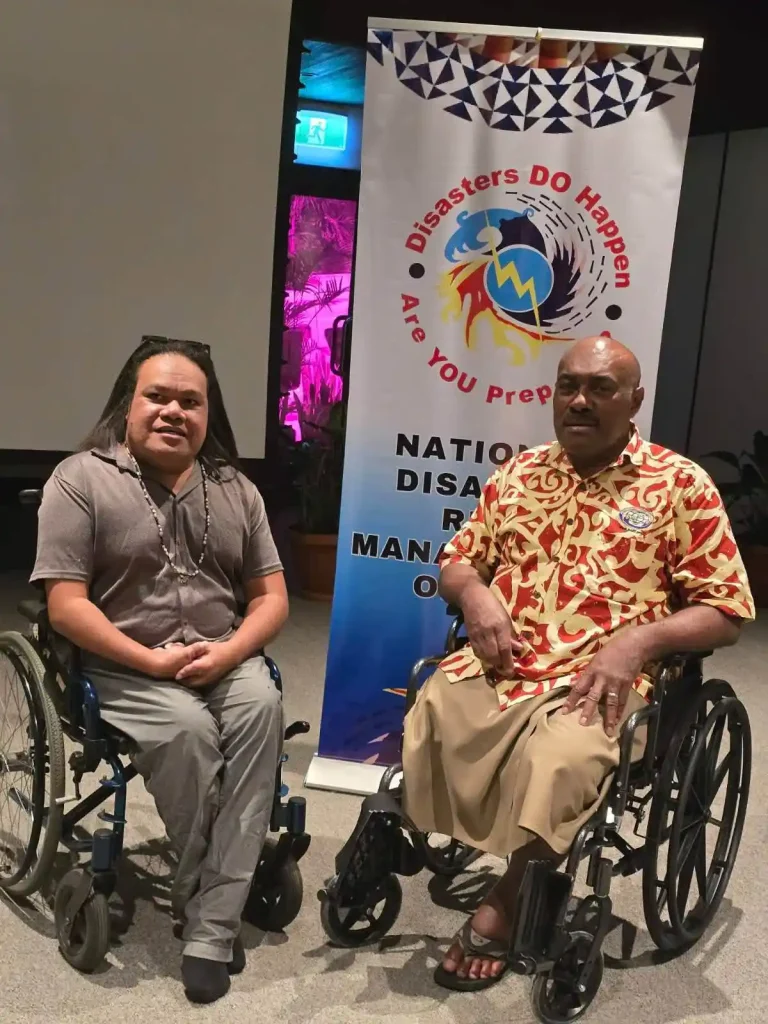
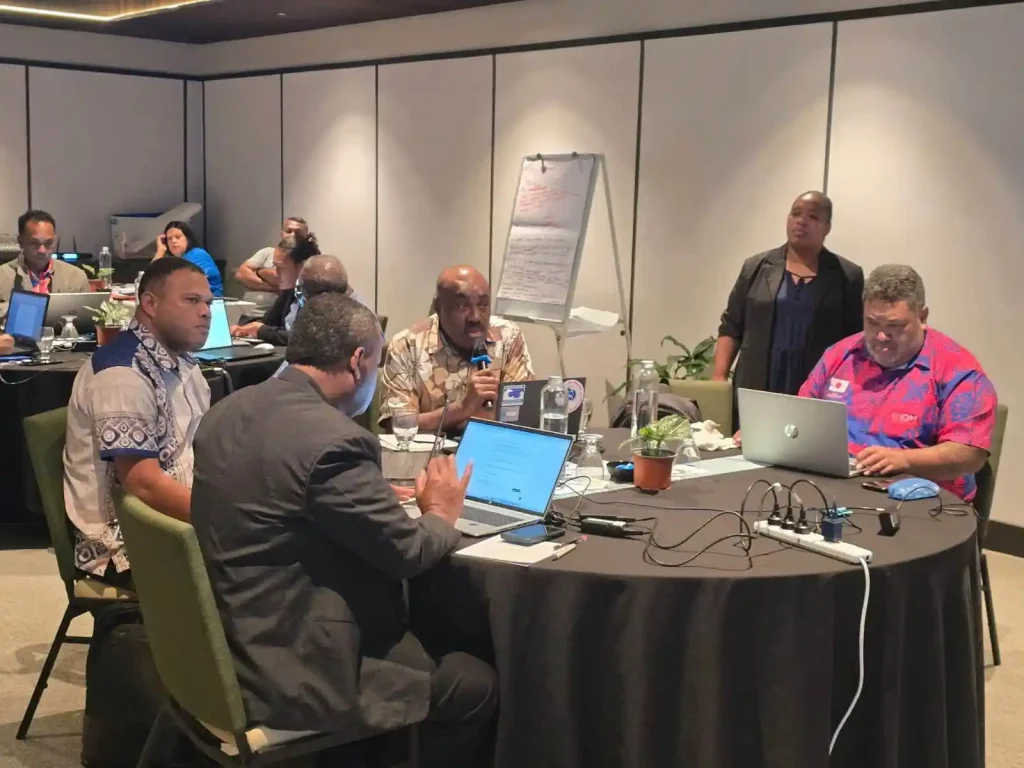
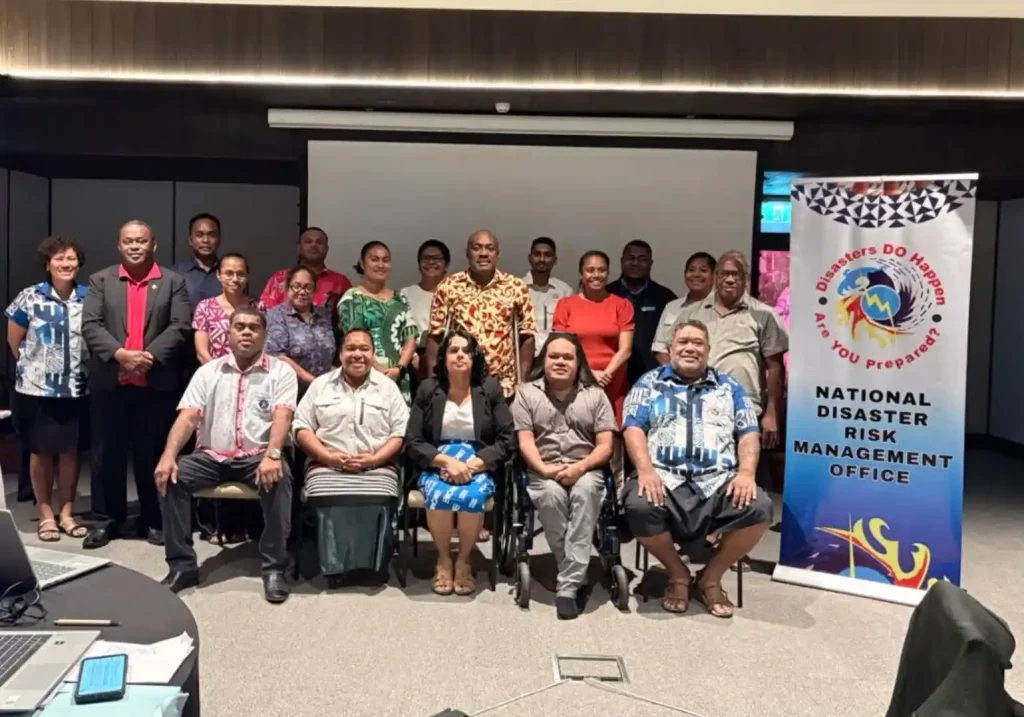
Live & Learn Fiji is proud to have been involved in the drafting of the country’s Community-Based Disaster Risk Management (CBDRM) Policy. The Policy will be a guide for all future CBDRM trainings in the country and it also shifts disaster preparedness from a government approach to a framework that empowers local villages and settlements […]
Eighty-eight-old Miriama Cawaki lives alone with her grandchildren in their Sadroa home in Serua. While she depends on her Social Welfare assistance to support their livelihood, the COVID-19 crisis brought about many challenges as the confinement prevented them from accessing necessities. It was during this difficult situation that the Australian Humanitarian Partnership (AHP) distributed dignity […]
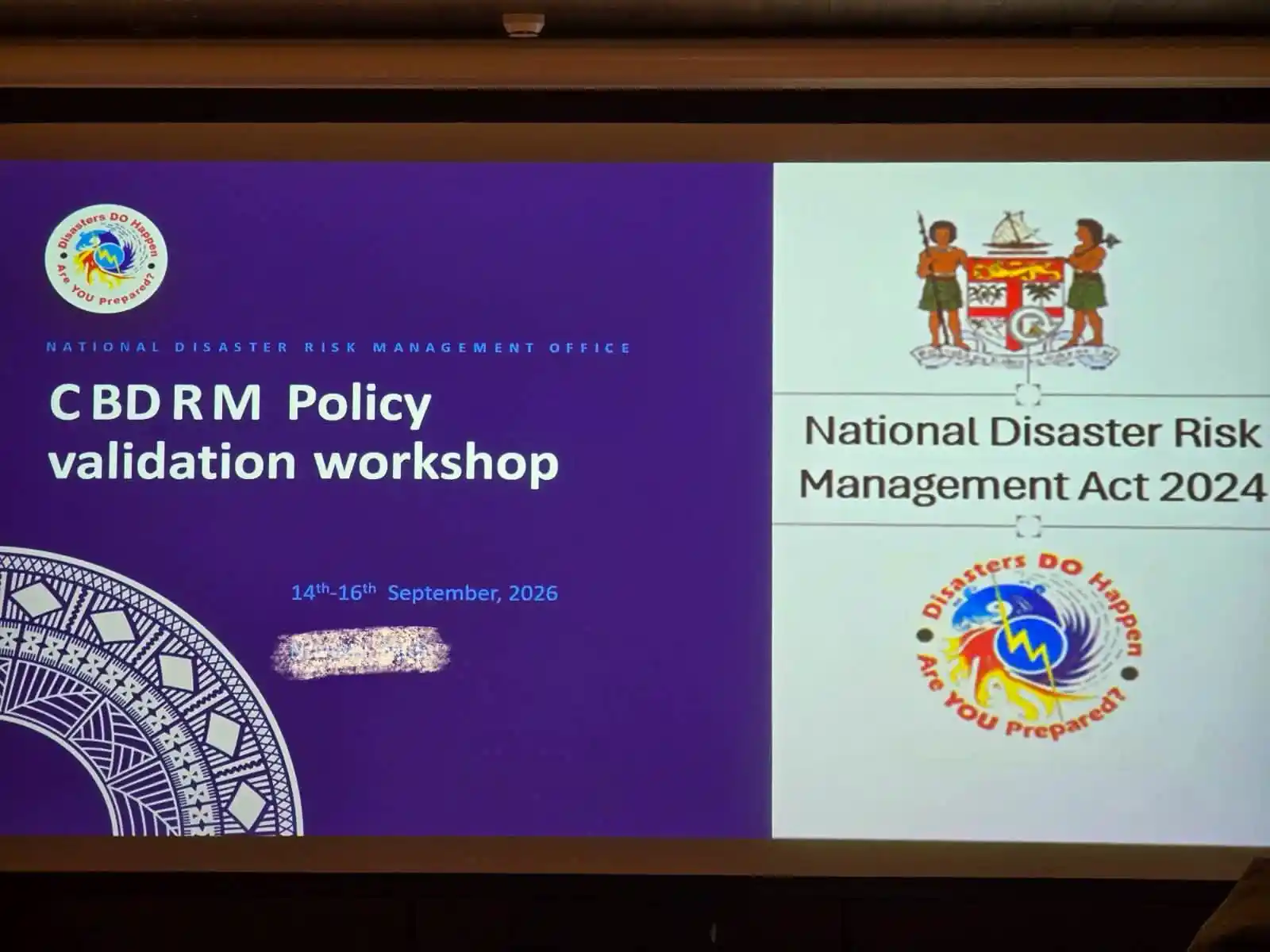
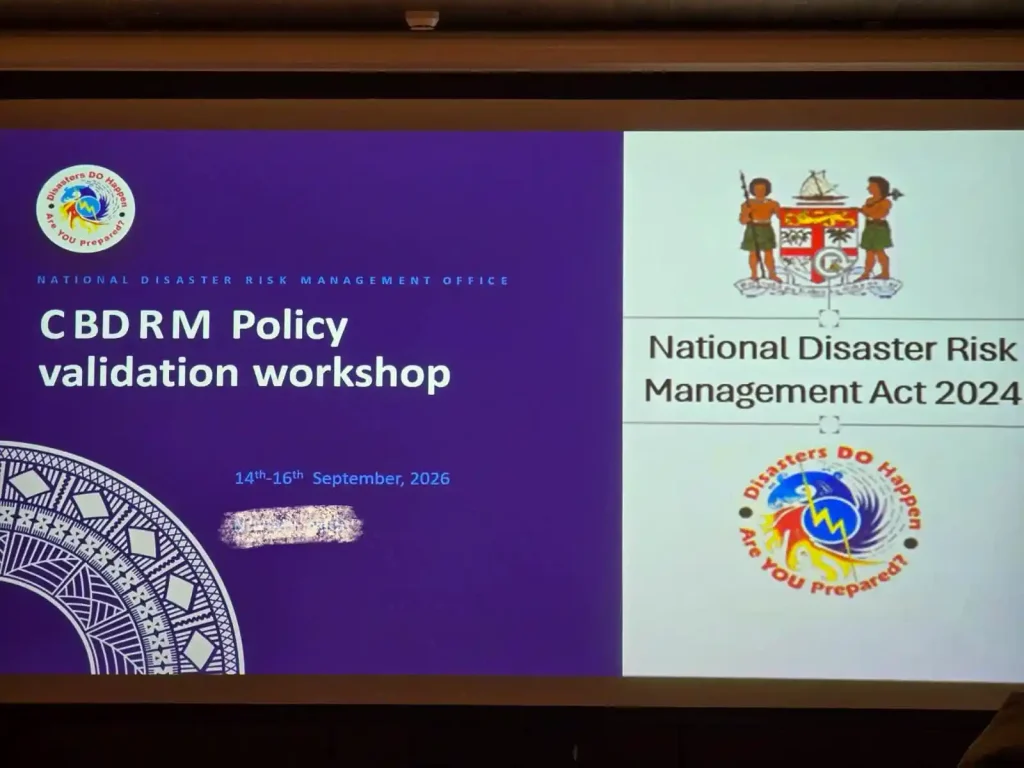
Live & Learn Fiji is proud to have been involved in the drafting of the country’s Community-Based Disaster Risk Management (CBDRM) Policy.
The Policy will be a guide for all future CBDRM trainings in the country and it also shifts disaster preparedness from a government approach to a framework that empowers local villages and settlements to act as first responders.
Live & Learn Fiji was represented by DRR & WASH Coordinator, Litiana Dimaopa, who has been working closely with the National Disaster Risk Management Office Fiji NDMO and other stakeholders
“This is a milestone to have reached this stage as it has been over two years in the making. Live & Learn is proud to be included on this journey as this is an important part of the work we do in the communities. For the Organisation, this Policy complements three of our thematic areas namely; Climate resilience where we support communities adapt to and prepare for the impacts of climate change, DRR itself where we support build local capacity toward early preparedness to better manage environmental disasters and to ensure that we promote gender equity and social inclusion across all of our projects. We are also thankful to be included in this important Policy drafting.”
Eighty-eight-old Miriama Cawaki lives alone with her grandchildren in their Sadroa home in Serua.
While she depends on her Social Welfare assistance to support their livelihood, the COVID-19 crisis brought about many challenges as the confinement prevented them from accessing necessities.
It was during this difficult situation that the Australian Humanitarian Partnership (AHP) distributed dignity kits through its partner Live and Learn Environmental Education Fiji (LLEE) to 1000 people to meet their protection needs.
Dignity kits contained hygiene and sanitary items, as well as other items explicitly tailored towards the local needs of women and girls of reproductive age in particular communities.
Generic hygiene kits help people improve cleanliness.
While dignity kits are similar to basic hygiene kits often distributed at the onset of emergencies, dignity kits serve a broader purpose and so contain a wider range of items.
Dignity kits help women and girls maintain their dignity during humanitarian crises.
A key item in the dignity kit distributed by LLEE is the reusable sanitary pads.
The kit contains a bucket with a lid, sanitary pads, reusable sanitary napkins, panties, bathing soap, washing soap, solar light and COVID-19 messaging.
Also included are Gender Based Violence leaflets. “Na bula i nakoro e sega ni rawarawa ena noda saga me da vaqara na bula. Na vurevure ni ilavo e dredre me voli kina na veika lalai eda gadreva kau vakavinavinaka ena veivuke e yaco mai ni veisotavi saraga kei na neimami gagadre. Na sovu e vukei au saraga ena noqu savasava ena veisiga (Getting access to basic necessities is quite hard in the village because we do not have a good source of income. I am thankful that when we received our assistance, we were really in need and I got my supply of washing soap to help with the laundry),” Mrs Cawaki said.
Mrs Cawaki said the sanitary pads and reusable sanitary napkins would be used by her granddaughters.
She commended LLEE for this great idea, saying that it suited village life.
“Sa dredre na bula na ilavo madaga e rawa sa vakayagataki ena kakana ka sega ni vagolei ena voli nodra yaya ni tataqomaki na makubuqu (Life is hard and whatever money we receive we use it to buy food. We no longer have to buy sanitary pads now for my granddaughter with the reusable ones received).”
She also decided to give the bucket to her daughter in Beqa who had just given birth when the assistance arrived.
Ema Maimai, 64, is also thankful for the assistance. She owns a washing machine, but because life is hard in the village she utilised the washing soap to wash her clothes using the machine.
“Au se vakayagataka tikoga qo na noqu sovu. Au dau tonia ena sovu me malumu qai sava ena misini (I am still using the washing soap that was given. I soak my clothes with soap before loading it in the washing machine using the soap water to wash them).”
Ms Maimai was also grateful for the solar light that will be used in times of blackout and would come in handy during as we enter the new cyclone season.
She revealed that she was safely keeping the reusable sanitary napkins to be used by her 11-year-old granddaughter when she has her menstruation.
The AHP, through LLEE, distributed dignity kits and MHM reusable products and awareness to girls in schools, including COVID-19 messaging and GBV in the Central Division focusing on the province of Serua and Rewa.
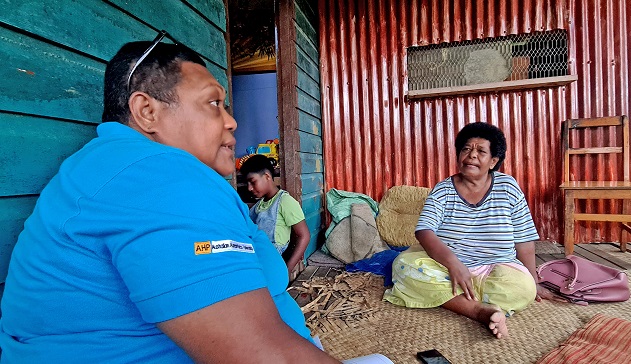
Ema Maimai shares her story with AHP MERLI Technical Support Officer Paulini Vakacegu . Picture: SUPPLIED
The initial target was 500 and now increased to 1000 beneficiaries.
AHP WASH project officer for Live and Learn, Litiana Dimaopa said preserving dignity was essential to maintaining self-esteem and confidence, which is important to cope in stressful and potentially overwhelming humanitarian situations, thus the distribution of dignity kits during the COVID-19 crisis.
She said supporting women’s self-esteem and confidence also assisted them in providing care and protection to their children.
“Dignity kits focus on promoting mobility and safety of women and girls by providing age, gender, and culturally appropriate garments and other items in addition to sanitary supplies and basic hygiene items. Dignity kits are designed in partnership with affected communities to ensure the most appropriate items are included, and distribution is carried out in a manner that minimises the risk of GBV against women and girls,” Ms Dimaopa said.
According to Ms Dimaopa, dignity kits help women and girls by:
Contributing to the psychosocial and physical wellbeing of women and girls, by including items such as intimate wash and pads.
Improving mobility of women and girls by providing specific sanitary items. In some contexts, mobility can also be enhanced by including items such as headscarves or abaya, without which women cannot be seen in public.
Allowing budget substitution for families to purchase other important items, such as food.
Contributing to the protection of women and girls, by including items such as solar lights, so that women and girls do not have to walk in the dark and can call for help.
Providing information about hygiene, reproductive health, GBV related issues, and services though the inclusion of health and protection information.