Kiwa EMPOWER brings inclusive Drinking Water Safety Training
Resilient Communities
Nature based Solutions (NbS)
Climate resilience
Food preservation
Disaster Risk Reduction
Gender & Social Inclusion
Empowered communities
Resilient Communities
Nature based Solutions (NbS)
Climate resilience
Food preservation
Disaster Risk Reduction
Gender & Social Inclusion
Empowered communities
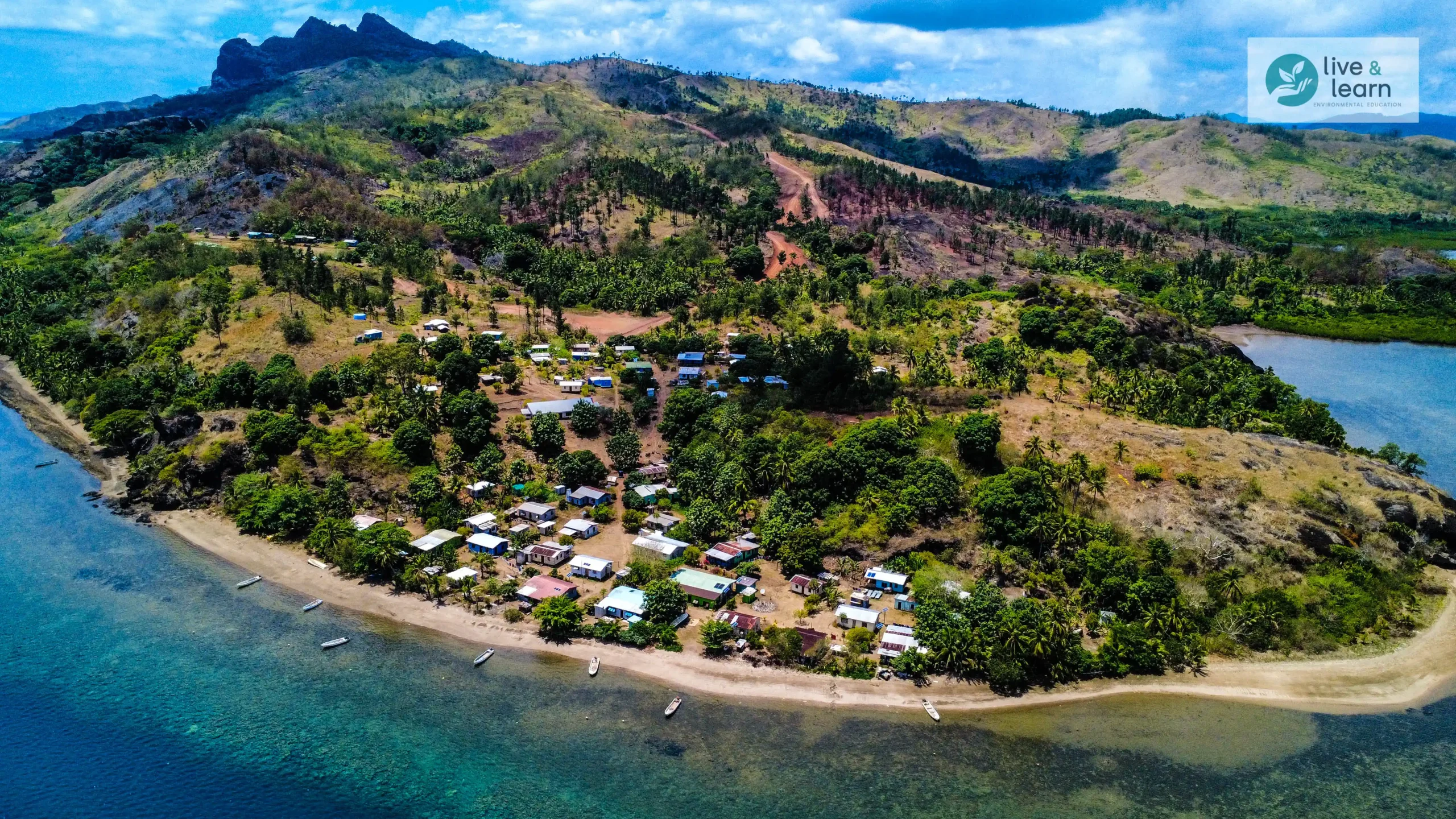
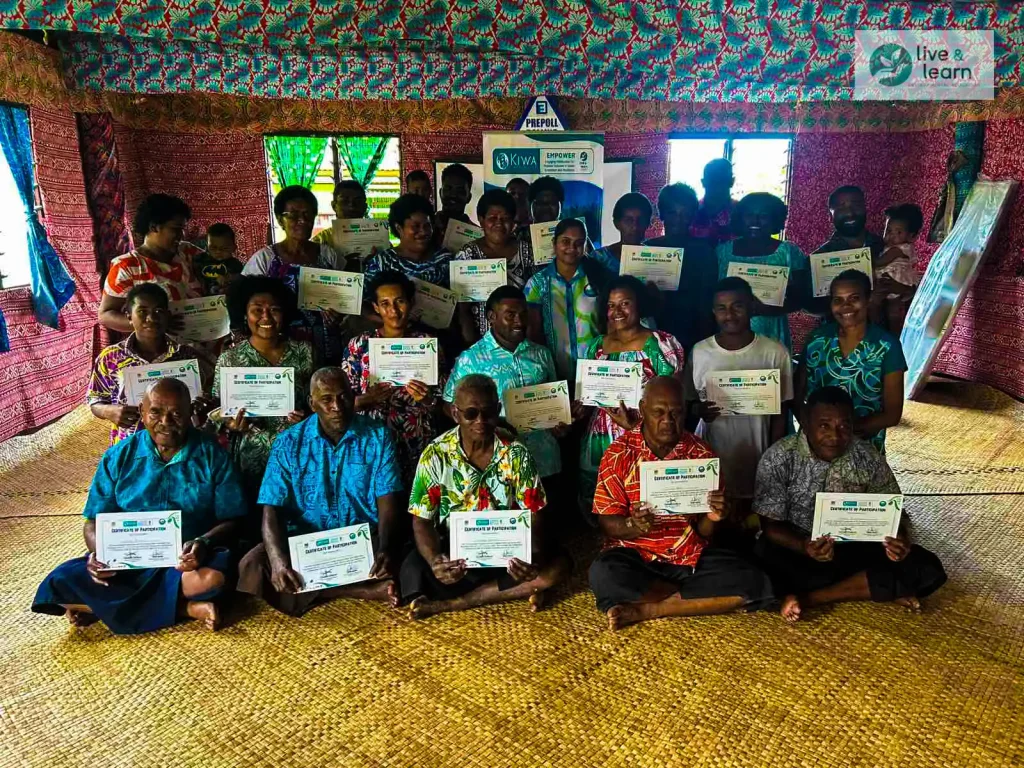
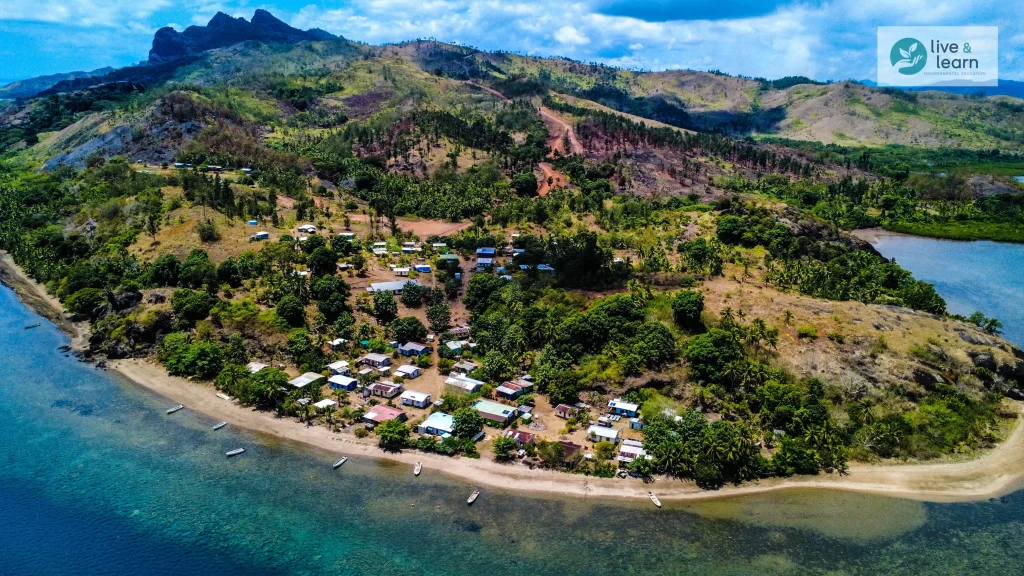
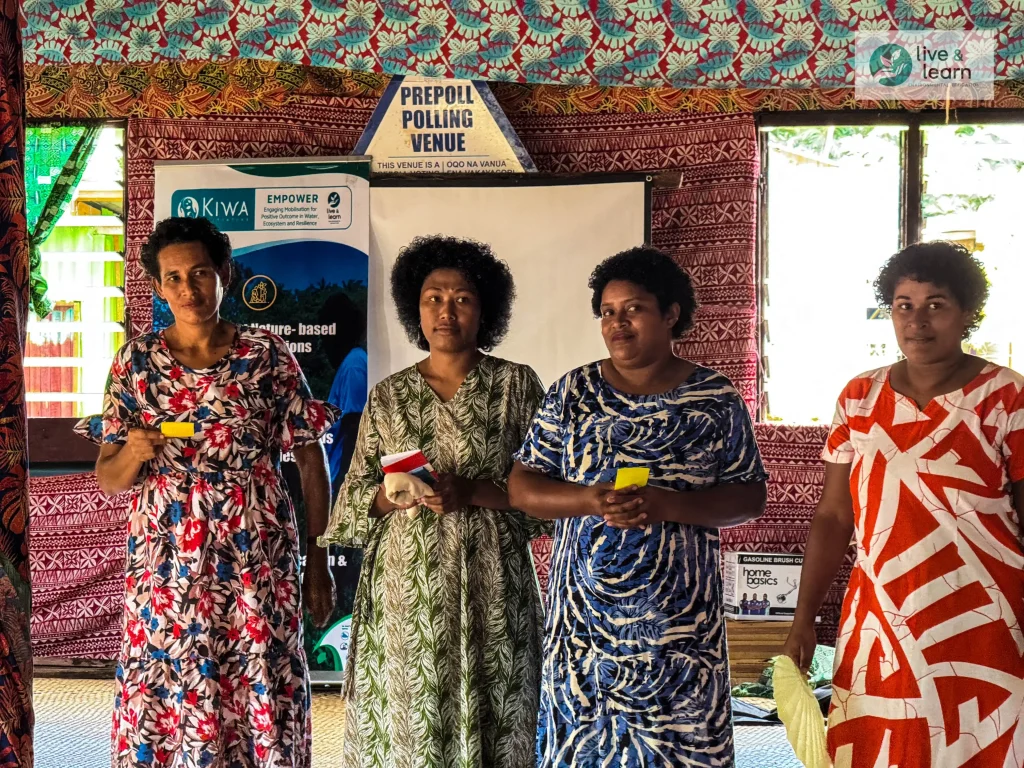
Community members of Naivaka village in Bua have expressed their gratitude for the Drinking Water Safety and Security Plan Training carried out following a 13-year lapse.
The Drinking Water Safety and Security Plan (DWSSP) training is an intensive, week-long program conducted by trained Health Inspectors from the Ministry of Health. They work closely with village water committee members and the broader community to assess, monitor, and safeguard the quality of their drinking water from the source to individual household taps. Awareness was raised on protecting their water source and identifying potential hazards and contamination risks.
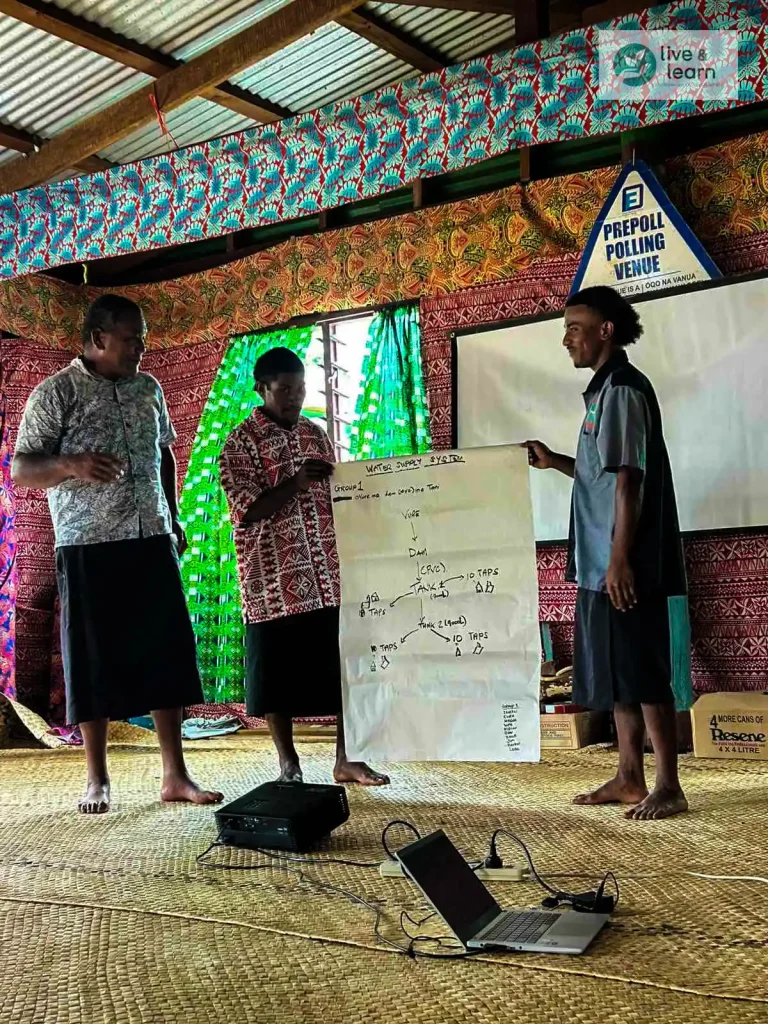
The initiative provided hands-on training, with participants undertaking a full-day assessment from the water source down to the Ecological Purification System (EPS) and the tap. Participants also learned about various types of sanitation facilities, how to maintain hygiene, and the safe distance required between sanitation structures and household water supplies.
Speaking after the training, Dikinisa Sera a 34-year-old mother of two who has lived in the village for seven years noted that the training was a timely reminder, especially since the previous training only included select village elders. However, through the Kiwa EMPOWER Project, youth, women, and older persons were also included.
“A few years ago, there were only a few taps in the village, and we used to walk to the communal pipe to access water for daily use,” Sera said. “Now, with each household receiving piped running water, we have become complacent. For those living in the village, the water supply is free and relies on solar power, so we don’t pay anything. However, with the training we received and the Ministry of Health’s focus on compliance and safety standards, we are now aware of our role—the need to monitor our water tanks and sources, repair cracks in the tanks, and keep animals out of the village. This training showed all of us, not just the Water Committee or elders, that cleanliness is important. From my point of view, real change can happen if we work together.”
Following the training, participants engaged in a brief reflection. The consensus was that the sessions opened their eyes to why protecting their water source is critical, particularly regarding threats from livestock and the risks of farming too close to the source.
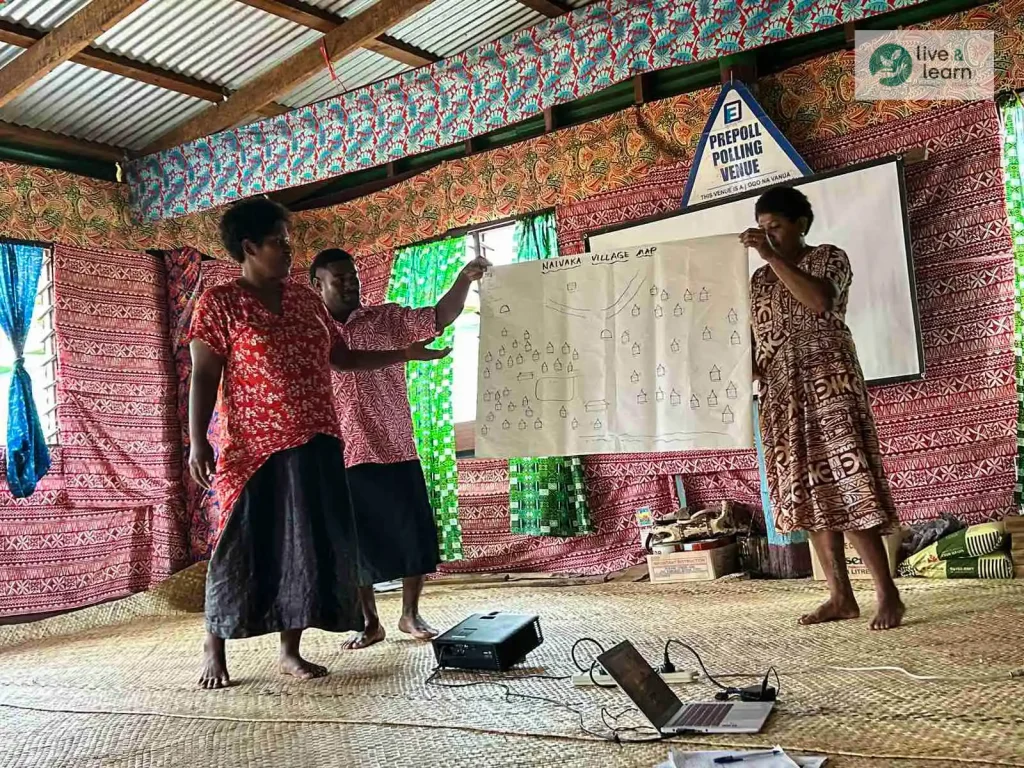
The DWSSP training, which will benefit 214 villagers for years to come, resulted in the establishment of an inclusive new Water Committee for Naivaka Village. It also enabled the Health Inspector to map the community in detail, outlining individual households, sanitation facilities, water sources, and updated population figures—updating records that had been stagnant since 2013.
Naivaka is one of four communities selected for the specialized DWSSP training. It was identified by the Kiwa EMPOWER Project as a priority area due to its vulnerability to water shortages, a need previously highlighted by the community during a baseline survey across 20 communities in Cakaudrove, Bua, and Macuata.
Kiwa EMPOWER is a regional project implemented by Live & Learn Fiji across Fiji, the Solomon Islands, and Tuvalu. The project strengthens existing Nature-based Solutions (NbS) while contributing to climate change adaptation, food and water security, and biodiversity conservation – ensuring actions are equitable, inclusive, and responsive to all community members.


Australian Government Department of Foreign Affairs and Trade I European Union in the Pacific I La politique étrangère du Canada – Affaires mondiales Canada I AFD – Agence Française de Développement I New Zealand Ministry of Foreign Affairs and Trade I Secretariat of the Pacific Regional Environment Programme – SPREP I IUCN Oceania I Pacific-Community-SPC I Kiwa Initiative
#Kiwainitiative#kiwaempower#NatureBasedSolutions#lleefiji#CommunityResilience#ClimateAdaptation#Fiji#Tuvalu#SolomonIslands#kiwaempowerproject#Kiwainitiative#PacificResilience#ClimateChangePacific#climatechangeadaptation#environment#cooperation#Resilience#adaptation#climatechange#pacifica#coastalecosystems#NatureBasedSolutions#ClimateAction#PacificResilience#kiwaempower#lleefiji#LLEESolomons#lleetuvalu#ClimateSmartAgriculture