REDD+ Drawa Forest Project
Resilient Communities
Nature based Solutions (NbS)
Climate resilience
Food preservation
Disaster Risk Reduction
Gender & Social Inclusion
Empowered communities
Resilient Communities
Nature based Solutions (NbS)
Climate resilience
Food preservation
Disaster Risk Reduction
Gender & Social Inclusion
Empowered communities
For more information, feel free to reach out to us.
Reducing Emissions from forest Degradation and Deforestation (REDD+) Drawa Forest Project
Project Aim/Vision/Mission:
Aim is the conservation of mature indigenous rainforest through avoiding forest degradation, by means of legal protection of forest. Legal protection was secured through a conservation lease. Emissions reductions and removals are generated through avoided timber harvesting and enhanced removals from enabling regeneration.
- Project aims to deliver enduring benefits to participating communities through the provision of payments (compensation) for the loss of income from timber harvesting that has been avoided.
- The core project aim is to reduce carbon emissions to the atmosphere by changing forest management in the eligible area from timber extraction to forest protection.
- Protect watersheds resulting in the maintenance of healthy river systems as a high-quality source of drinking water and as habitat for aquatic species, of local communities to climate related risk through reducing the impact of extreme rainfall events on soil erosion and flooding, and the impacts of drought on water security.
- As part of the project community governance has been strengthened through the formation of the DBFCC Cooperative and undertaking associated capacity building activities.
- Enable the DBFC Cooperative to manage funds received in a manner that brings sustainable benefits for the community in the form of community development initiatives, such as infrastructure improvements; supporting further income generating activities for cooperative members; and administering a process of distributing member dividends.
Background:
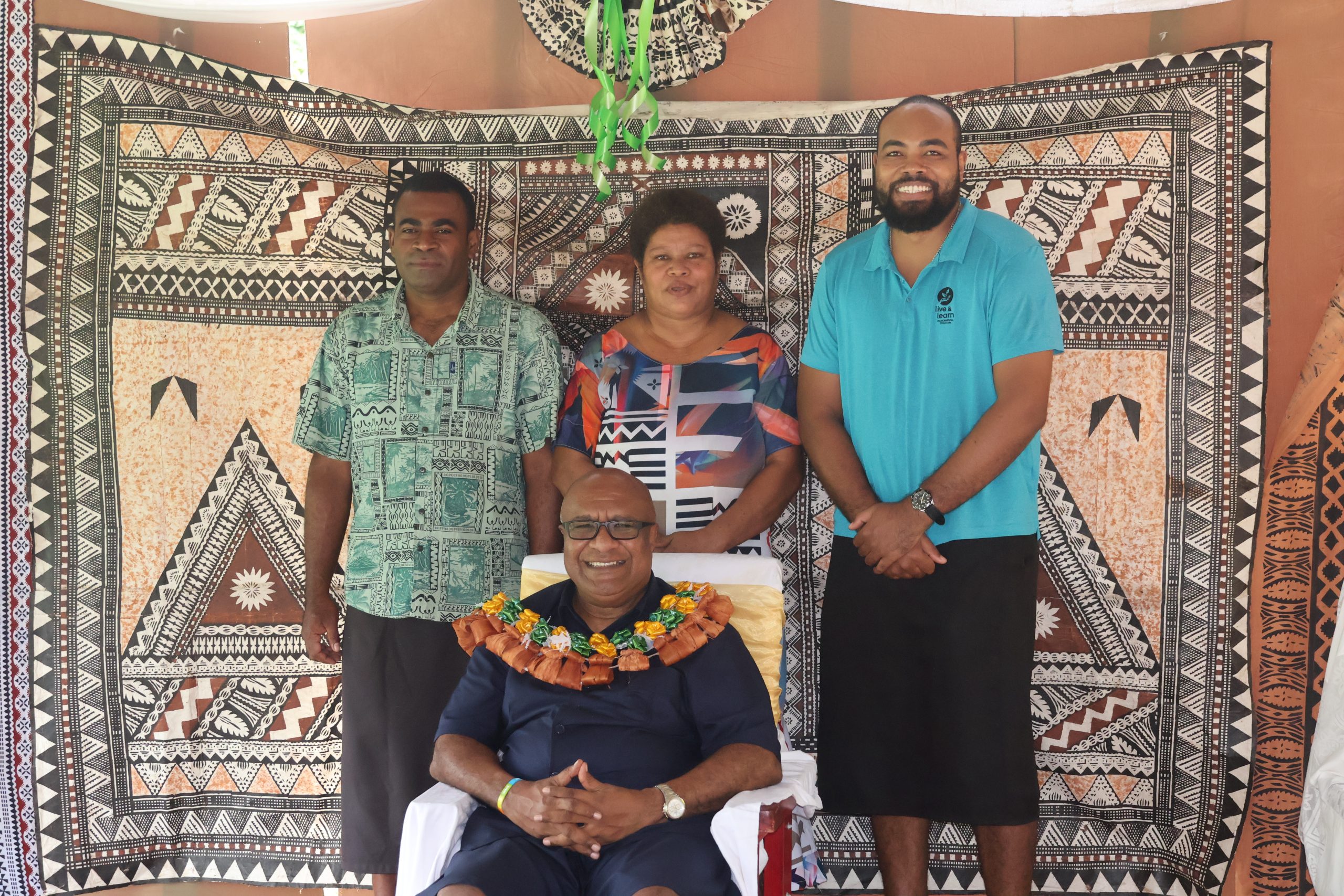
The Drawa Forest Project commenced in September 2012, however did not reach first issuance of PVCs until March 2018. Credits are issued ex-post under Plan Vivo Standard version 4. The project period is for 30 years. The project was developed by Nakau working in collaboration with Live & Learn Fiji (collectively the ‘project coordinators’), working with landowners of the Drawa Block in Vanuau Levu, Fiji (see maps below). The landowners comprise eight clans who have established the Drawa Block Forest Communities Cooperative (DBFCC). DBFCC also includes a Women’s group and youth group as separate members. The clan members (mataqali) are: Drawa, Navunicau, Nadugumoimoi, Bakibaki, Nakalounivuaka, Vatucuca, Tonikula and Nakase. Most mataqali members reside in the villages surrounding The Drawa block: Vatuvonu, Keka, Lutukina, Batiri and Nayarailagi villages.
The REDD+ Drawa Forest project is Fiji’s first independent carbon and conservation project to be endorsed by the national government. It encompasses 4,120 ha of tropical rainforest on Vanua Levu, of which 1,723 ha is eligible for generating carbon credits. In a first for Fiji, the entrepreneurial Drawa landowners have exchanged logging for conservation. It is truly a game-changer; rather than selling timber, landowners produce and sell carbon credits and maintain the multitude of benefits of keeping their forest intact.
The project area straddles Cakaudrove and Macuata provinces in Vanua Levu, Fiji. Eight indigenous (iTaukei) landowning clans (mataqali) own the Drawa Forest Project Area. Most of the Drawa block is covered by rainforest, with areas in and around the villages used for gardening and horticulture. The Drawa block rainforests are now protected under customary agreements which is legally protected under a 99-year Conservation Lease.The forest is managed through a conservation management plan. The Drawa project was the recipient of the SPREP-SPC award for Excellence in Implementing Island Ecosystem Management Principles and also the National Winner for the Energy Globe Awards. Globally the loss of rainforest contributes around 14% of annual greenhouse gas emissions. In fact, logging coupes were already drawn up at Drawa prior to project start up.